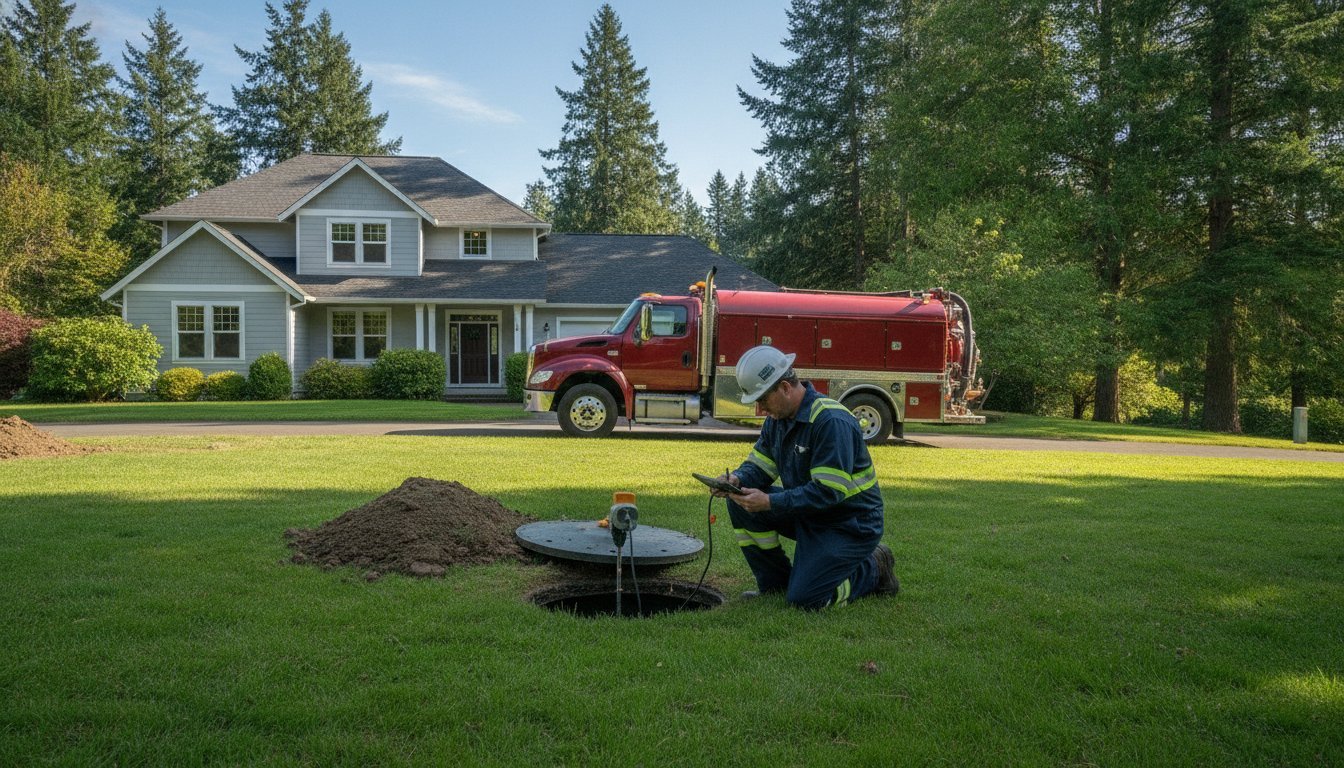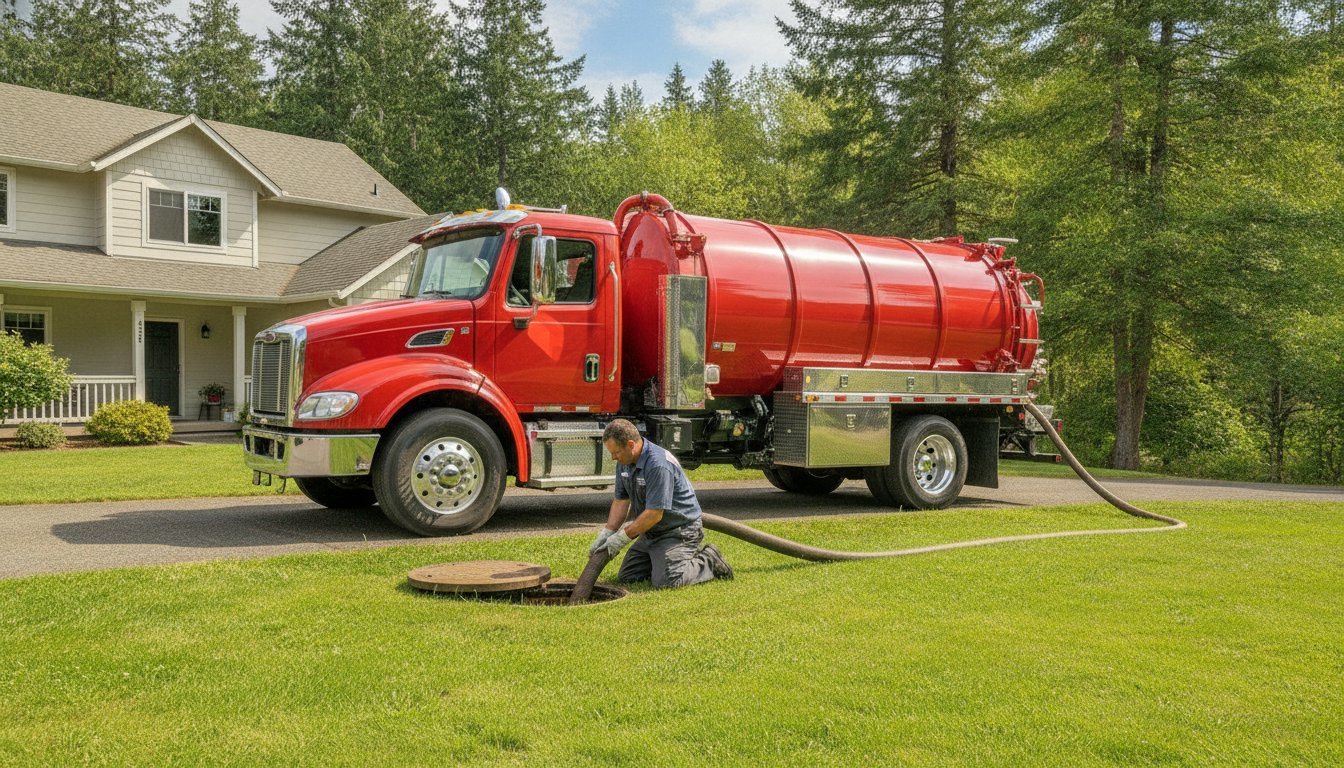
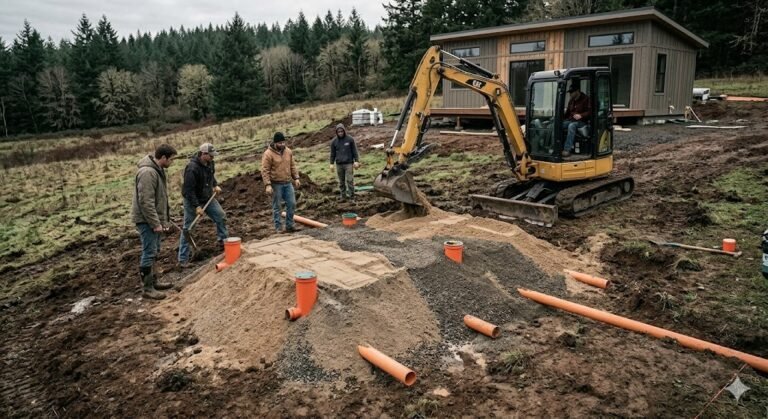
A failed perc test in Marion County doesn’t have to mean the end of your building plans. There are proven alternative systems — including Advanced Treatment Technology (ATT) systems — that allow property owners to move forward with construction even when the soil fails standard percolation requirements. Understanding your options is the first step toward turning a frustrating setback into a workable solution.
Marion County has specific regulations around soil and septic approval, and failing a perc test is more common than most people expect, particularly on lots with clay-heavy soil or high water tables. We’ll walk through what the test results actually mean, what your next steps should be, and how to navigate the county approval process for alternative systems.
From design and installation considerations to addressing common concerns about cost and maintenance, this article covers everything we’ve found to be most relevant for homeowners, builders, and real estate professionals dealing with this exact situation in Marion County.
Understanding Perc Tests in Marion County
In Marion County, a perc test is often the deciding factor in whether a property can support a septic system. Soil type, lot size, and drainage conditions all play a direct role in whether a site passes or fails.
What Is a Perc Test?
A percolation test, or perc test, measures how quickly water absorbs into the soil at a specific depth. We use this data to determine whether the soil can adequately treat and disperse wastewater from a conventional septic system.
The test involves digging holes to a designated depth, saturating them with water, and timing how fast the water level drops. Marion County requires this test to be conducted by a licensed soil evaluator before a septic permit is issued.
Results are reported in minutes per inch (MPI). A rate between 1 and 60 MPI is generally considered acceptable for a conventional drainfield in Florida.
Why Do Properties Fail Perc Tests?
A property fails when the soil absorbs water too slowly — or sometimes too quickly — to safely process effluent. Both extremes present problems for conventional drainfield design.
The most common reasons for failure in Marion County include:
- Clay-heavy soil that retains water and drains poorly
- High seasonal water tables, especially common in low-lying or flood-prone areas
- Shallow bedrock or hardpan layers that block downward drainage
- Previously saturated or compacted soil from prior land use
A failed perc test does not automatically mean a property is unbuildable — it means a conventional system is not suitable for that site.
Typical Site and Soil Constraints
Marion County’s geology varies significantly across the region. Areas near the Ocklawaha River basin or within flatwood terrain often have high water tables that fluctuate with seasonal rainfall, making consistent drainage unreliable.
Sandy soils in some areas drain too fast, which can be just as problematic because wastewater doesn’t receive adequate treatment before reaching groundwater.
Common physical constraints we see on failing sites include:
| Constraint | Impact on Septic Design |
| Shallow water table | Insufficient treatment depth |
| Dense clay layers | Poor absorption and pooling |
| Small lot size | Limited drainfield footprint |
| Slopes or irregular terrain | Uneven distribution of effluent |
Immediate Steps to Take After a Failed Perc Test
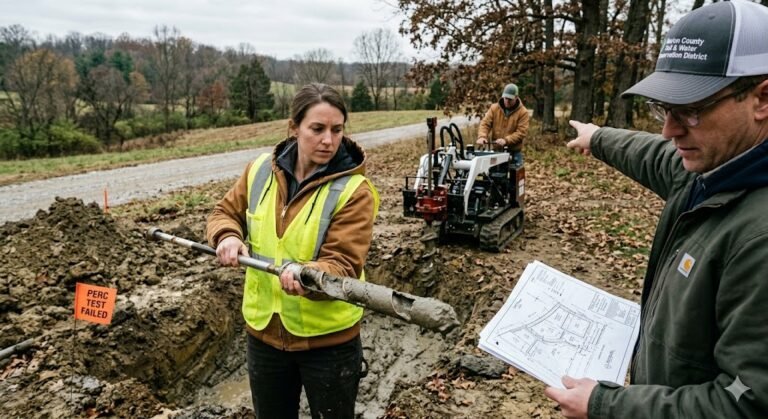
A failed perc test in Marion County doesn’t close the door on building — but your next moves matter. Reviewing county rules, getting the right professional input, and understanding your soil conditions will determine what solutions are actually available to you.
Reviewing County Regulations
Marion County follows Florida Department of Health guidelines for onsite sewage systems. A failed perc test means the soil didn’t meet the minimum absorption rate for a conventional septic system — but that’s a specific finding, not a blanket denial to build.
We recommend requesting the full written report from Marion County Health Department. This document will specify:
- Why the test failed (slow absorption, high water table, unsuitable soil type)
- What setback distances and lot conditions were evaluated
- Whether a variance or alternative system permit may be applicable
Florida Statute 381.0065 allows for alternative system approvals when conventional systems aren’t feasible. Knowing exactly which condition caused the failure tells us which regulatory pathway to pursue next.
Consulting with Local Experts
After reviewing the findings, we need to bring in a Florida-licensed septic system engineer or registered sanitarian familiar with Marion County specifically. Local experience matters here — Marion County has varied geology, from sandy soils near Ocala to clay-heavy areas further east.
A qualified engineer can:
- Evaluate whether a site re-test under different conditions is warranted
- Determine eligibility for an ATT (Advanced Treatment Technology) system permit
- Submit a variance application to the county health department on your behalf
Don’t rely solely on a general contractor for this step. A licensed professional engineer with onsite sewage experience will carry the most weight with the county during the approval process.
Exploring Your Property’s Unique Challenges
Not every failed perc test has the same cause, and the solution depends entirely on your site’s specific conditions. Common issues in Marion County include high seasonal water tables, compacted clay layers, and lot sizes that limit drain field placement.
We need to look at:
| Challenge | What It Means for Your Build |
| High water table | Limits conventional drain field depth |
| Clay soil | Reduces absorption, may require mounding or ATT |
| Small or irregular lot | Restricts standard drain field sizing |
| Proximity to wetlands | Triggers additional setback requirements |
Understanding these factors gives us a realistic picture of what system type will work and what the permitting process will actually require.
Alternative Solutions to Traditional Septic Systems
A failed perc test doesn’t mean a failed build. In Marion County, several proven alternatives exist that can get your project moving, even on lots with poor soil drainage or limited space.
Conventional Systems vs. Alternative Options
A conventional septic system relies on soil absorption. Wastewater flows from the tank into a drain field, where the soil filters and treats it. When soil fails a perc test, that process breaks down — the ground simply can’t absorb effluent fast enough to be safe.
Alternative systems work around poor soil conditions rather than depending on them. Instead of relying on natural absorption, they treat wastewater before it ever reaches the soil, or disperse it in ways that reduce the demand on the ground itself.
| Feature | Conventional System | Alternative System |
| Soil dependency | High | Low to moderate |
| Works after failed perc test | No | Yes |
| Treatment level | Basic | Advanced |
| Regulatory approval needed | Standard | Site-specific |
Alternative Septic System Types for Challenging Lots
Several system types are approved for use in Marion County when conventional systems aren’t viable:
- Mound Systems — Raise the drain field above native soil using imported fill material. Useful when the water table is high or soil absorption is shallow.
- Drip Irrigation Systems — Distribute treated effluent through a network of subsurface drip lines at a controlled rate. Works well on smaller or irregularly shaped lots.
- Aerobic Treatment Units (ATUs) — Use oxygen to break down waste more thoroughly than a standard tank. Often paired with surface or subsurface dispersal.
- ATT (Advanced Treatment Technology) Systems — Treat wastewater to a significantly higher standard before dispersal, making them viable on lots that would otherwise be unbuildable.
Each option has specific site requirements, so what works on one lot may not work on another.
Cost and Timeline Considerations
Alternative systems cost more than conventional ones. A mound system in Marion County typically runs $10,000–$20,000, while ATT systems can range from $15,000–$30,000+ depending on design complexity and lot conditions.
Permitting for alternative systems also takes longer. Expect 4–10 additional weeks compared to a standard septic permit, depending on the system type and how quickly your engineer submits site-specific documentation.
Budget and timeline adjustments are worth making early. Waiting until construction begins to address these costs creates delays that are harder to manage.
ATT Systems: The Advanced Solution for Properties with Failed Perc Tests
When a perc test fails in Marion County, an ATT system is often the most direct path forward — one that works with poor soil conditions rather than against them.
What Are Advanced Treatment Technology (ATT) Systems?
ATT systems are engineered wastewater treatment units that process effluent to a significantly higher standard than a conventional septic tank before releasing it into the soil. Where a standard septic system relies heavily on the soil itself to treat waste, an ATT system does most of that work mechanically or biologically before the effluent ever reaches the ground.
Florida’s Department of Health recognizes ATT systems as approved alternatives under Chapter 64E-6 of the Florida Administrative Code. In Marion County specifically, they are a common solution when soil conditions fail to meet the requirements for a traditional drainfield.
Common ATT system types include:
- Aerobic Treatment Units (ATUs) — inject oxygen into the waste to accelerate bacterial breakdown
- Drip irrigation systems — distribute highly treated effluent through shallow tubing across a wider area
- Textile filter systems — pass effluent through engineered media before dispersal
How ATT Systems Overcome Marion County’s Soil Limitations
Marion County’s soils vary widely. Many areas contain dense clay layers, high seasonal water tables, or sandy soil with insufficient depth to bedrock — all common reasons a perc test fails.
A conventional system needs soil that can absorb and treat effluent naturally over a specific depth. When that depth doesn’t exist, or when the soil moves water too slowly or too quickly, a standard drainfield cannot function safely.
ATT systems address this in two ways:
- They pre-treat effluent to a higher quality before soil contact, reducing the treatment burden on the surrounding soil
- They can distribute effluent more broadly, often through drip irrigation, which reduces the volume any single area must absorb
This means a site with only 18–24 inches of suitable soil depth — which would fail a conventional perc test — may still qualify for an ATT system under Marion County’s permitting standards.
Advantages Over Conventional Septic Solutions
| Feature | Conventional Septic | ATT System |
| Effluent quality before dispersal | Primary treatment only | Advanced secondary treatment |
| Minimum soil depth required | Typically 36–48 inches | Can be as low as 18 inches |
| Lot size flexibility | Requires larger drainfield | Smaller footprint possible |
| Maintenance requirement | Pump every 3–5 years | Annual or semi-annual service contract |
| Viable on failed perc test sites | No | Often yes |
The tradeoff is ongoing maintenance. ATT systems require a service contract in Florida, meaning a licensed technician inspects and maintains the unit on a regular schedule. That cost is real, but it is predictable.
Real-World Example: Small Lot With High Water Table
Consider a half-acre residential lot in the Ocala area where the seasonal high water table sits at 14 inches below the surface. A perc test on this lot fails because the required separation distance to the water table cannot be met with a conventional drainfield.
Rather than abandoning the build, the owner works with an environmental health engineer to design a drip irrigation ATT system. The system treats effluent on-site to a high standard, then disperses it through shallow emitters spaced across the yard — well above the water table.
Marion County’s health department reviews and approves the engineered plan. The lot receives its permit, construction proceeds, and the homeowner maintains a service contract with a licensed ATT provider.
This is not a rare outcome. We see this pathway used regularly on lots that appear unbuildable on paper.
Navigating Permits and County Approval for ATT Systems
Getting an ATT system approved in Marion County involves a defined process with specific documentation requirements, mandatory inspections, and ongoing maintenance obligations that every property owner should understand before breaking ground.
Understanding Marion County Approval Process
In Marion County, ATT systems fall under the jurisdiction of the Florida Department of Health (FDOH) Marion County Environmental Health division. Before any permit is issued, we must submit a site evaluation that includes a failed perc test result, soil profile data, and a proposed system design prepared by a licensed engineer or certified contractor.
The county reviews the submitted plan to confirm the ATT system meets Chapter 64E-6, Florida Administrative Code standards. Approval timelines typically run 2–6 weeks depending on application completeness and current department workload.
Key steps in the approval process:
- Submit a permit application to FDOH Marion County
- Include engineer-stamped ATT system design
- Provide lot dimensions, setbacks, and soil evaluation results
- Pay the applicable permit fee (varies by system type and lot size)
Inspection and Maintenance Requirements
Once approved, the ATT system installation requires at least one inspection by a county environmental health officer before the system is covered. Some systems, particularly aerobic treatment units (ATUs), require a final operational inspection after a short startup period.
Marion County also mandates ongoing maintenance contracts for most ATT systems. These are typically annual or biannual service agreements with a licensed service provider.
| Requirement | Frequency |
| Maintenance inspection | Every 6–12 months |
| Effluent quality testing | Per system permit conditions |
| Service contract renewal | Annually |
| County compliance report | As required by permit |
Failure to maintain an active service contract can result in permit violations and fines.
Documentation and Site Planning Tips
We recommend keeping a dedicated file with all permit-related documents, including the original permit, engineer drawings, inspection reports, and maintenance records. Marion County can request these at any time during a compliance check.
A few practical tips for smoother approval:
- Use a licensed Florida septic contractor familiar with Marion County’s specific submission format
- Confirm setback distances from wells, property lines, and water bodies before finalizing the design
- Request a pre-application meeting with FDOH Marion County to catch issues early
- Ensure the site plan uses accurate survey data, not estimates
Incomplete or inaccurate site plans are the most common reason for permit delays in the county.
Design and Installation Tips for Alternative Septic Solutions
Getting an ATT system right comes down to three things: choosing the correct system for your specific soil and site conditions, working with licensed professionals who know Marion County’s requirements, and following maintenance practices that protect your investment long-term.
Selecting the Right ATT System for Your Site
Not every ATT system works on every lot. The right choice depends on your specific conditions in Marion County, including soil type, lot size, setback requirements, and depth to the water table.
Common ATT options and their best-fit scenarios:
| System Type | Best For |
| Mound System | High water table, shallow soil |
| Drip Irrigation System | Small lots, irregular shapes |
| Aerobic Treatment Unit (ATU) | Poor soil absorption, tight setbacks |
| Constructed Wetland | Large rural lots with clay-heavy soil |
A site evaluation by a licensed soil scientist or engineer should always come before selecting a system. That evaluation gives you the data needed to match the right technology to your property.
Working with Qualified Installers
In Marion County, ATT systems must be permitted and installed by contractors licensed through the Florida Department of Health. Hiring an unqualified installer risks permit denial, failed inspections, and costly removal.
What to look for in an installer:
- Active Florida septic contractor license
- Documented experience with ATT systems specifically, not just conventional septic
- Familiarity with Marion County Health Department submission requirements
- References from completed ATT projects in the region
Ask for a written scope of work before signing anything. It should include system type, component brands, warranty terms, and the inspection schedule.
Best Practices to Ensure System Longevity
ATT systems require more active maintenance than conventional septic. Most systems in Florida require a biannual or annual maintenance contract with a licensed service provider as a condition of the operating permit.
Practical steps to protect your system:
- Avoid parking or driving over the drainfield or system components
- Do not plant deep-rooted trees or shrubs within 10 feet of system lines
- Pump the tank on the schedule recommended by your installer, typically every 3–5 years
- Log all service visits — Marion County may request maintenance records during inspections
Ignoring routine service is the leading cause of premature ATT system failure. Staying on schedule keeps the system compliant and functioning as designed.
Addressing Common Concerns with ATT Systems
ATT systems come with real questions around upkeep costs, environmental impact, and long-term value — all of which have clear, factual answers that most property owners find reassuring once they see the details.
Long-Term Maintenance Expectations
ATT systems require scheduled maintenance, but the process is straightforward when you work with a licensed service provider. In Marion County, most ATT systems require quarterly or semi-annual inspections depending on the system type and permit conditions.
Here’s what routine maintenance typically involves:
- Checking and cleaning the treatment unit components
- Inspecting the pump and electrical systems
- Testing effluent quality to confirm treatment levels
- Resetting alarms or replacing filters as needed
Most homeowners pay between $300–$600 per year in maintenance contracts. That cost covers scheduled visits and keeps the system operating within the state’s permitted standards. We recommend budgeting for this from the start rather than treating it as a surprise expense.
Environmental Safety and Performance
ATT systems are specifically designed to treat wastewater to a higher standard than conventional septic before it reaches the soil. A standard septic system releases partially treated effluent. An ATT system can reduce biological oxygen demand (BOD) and total suspended solids (TSS) by over 90% before dispersal.
This matters in Marion County because many failing perc test sites sit near wetlands, shallow water tables, or sandy soils prone to contamination. ATT systems reduce the nitrogen and pathogen load reaching groundwater — a documented performance standard required by Florida DEP permitting.
These systems are not experimental. They are permitted, tested, and regulated technologies.
Potential Cost Savings Over Time
The upfront cost of an ATT system is higher than a conventional septic system — typically $8,000–$20,000 depending on lot conditions and system size. However, the alternative on a failed perc test site is often not building at all.
Consider what we gain by moving forward with ATT:
| Factor | Without ATT | With ATT |
| Buildability on failed perc site | Not possible | Possible |
| Property value | Stagnant or lost | Realized |
| Regulatory approval | Denied | Achievable |
Lot value in Marion County can easily exceed $50,000–$150,000. A $15,000 ATT system investment to unlock that value is a measurable return, not just a sunk cost.
Conclusion
A failed perc test in Marion County is a setback, not a dead end. Many landowners walk away from buildable lots simply because they don’t know that alternatives exist.
ATT systems change that equation entirely. They are designed specifically for sites where conventional septic systems cannot perform — poor drainage, clay-heavy soil, high water tables, and failed perc results are exactly the conditions ATT systems are built to handle.
Here is a quick recap of what we covered:
- Failed perc tests mean the soil cannot absorb effluent at the rate required for a standard septic system
- Marion County has specific approval pathways for alternative systems when conventional methods fail
- ATT systems treat wastewater to a higher standard before it ever reaches the soil, reducing the demands placed on ground conditions
- Working with a licensed engineer early in the process saves time, money, and avoids dead ends
The lot you’ve been told “can’t be built on” may simply need the right system rather than a conventional one. We see this regularly, and the outcome is often far more straightforward than property owners expect.
If your perc test has come back with a failing result, don’t make any permanent decisions before speaking with a qualified septic system engineer familiar with Marion County’s regulations. We can evaluate your site, identify which ATT options apply, and walk you through the approval process from start to finish. Reach out to us today to schedule a site consultation.
Frequently Asked Questions
A failed perc test in Marion County doesn’t have to end your building plans, but it does raise real questions about soil conditions, permitting, system costs, and what alternatives are actually available to you.
What does it mean when a site fails a soil percolation test, and why does it happen?
A soil percolation test measures how quickly water moves through the ground. When water drains too slowly — or too quickly — the soil is considered unsuitable for a conventional septic drain field.
In Marion County, the most common reasons for failure include:
- Clay-heavy soils that absorb water too slowly, causing effluent to back up or surface
- High water tables, particularly in low-lying areas, where there isn’t enough vertical separation between the drain field and saturated ground
- Shallow bedrock that limits the depth available for effluent treatment
- Compacted or disturbed soils on previously developed or graded lots
A failed test doesn’t mean the soil is broken. It means the site doesn’t meet the minimum standards required for a standard gravity-fed septic system.
What steps should I take after a failed perc test to keep a home build or purchase on track?
The first step is requesting a full site evaluation report from the licensed evaluator who conducted the test. That report will identify exactly which conditions caused the failure and what setback or depth limitations apply to your lot.
From there, we recommend contacting a licensed onsite wastewater professional in Marion County to review whether an alternative system — such as an ATT system — is feasible for the site. Not every lot that fails a perc test is unbuildable.
If you are purchasing property, negotiate time in your contract for this evaluation. A failed perc test without a clear path to an alternative system can significantly affect property value and financing.
Which soil, slope, setback, and groundwater factors most often limit onsite wastewater approval in this area?
Marion County’s approval process through the Florida Department of Health evaluates several site-specific factors:
- Soil texture and permeability — soils with more than 35% clay content typically fail standard absorption requirements
- Seasonal high water table (SHWT) — Florida requires a minimum vertical separation of 24 inches between the bottom of the drain field and the SHWT for standard systems
- Lot size and setbacks — Florida requires minimum setbacks from wells (75 feet), property lines (10 feet), and surface water bodies, which can shrink the usable area on smaller lots significantly
- Slope — steep grades can limit drain field placement and affect how effluent distributes underground
In parts of Marion County, the combination of sandy surface soils over a shallow clay layer creates conditions where percolation is acceptable at the surface but fails at required treatment depths. This is a common and frustrating scenario for landowners.
How do Advanced Treatment Technology (ATT) systems differ from conventional septic systems in design and performance?
A conventional septic system relies entirely on the natural filtering capacity of the soil. Effluent leaves the tank and enters a drain field, where the ground is expected to treat and disperse it. When the soil can’t do that job, the system fails — or never gets permitted in the first place.
ATT systems take a fundamentally different approach. They treat wastewater mechanically and biologically before it ever reaches the soil. By the time effluent is discharged to the drain field, it has already been reduced to a much lower concentration of pathogens and nutrients.
In Marion County, where high water tables and clay soils frequently disqualify conventional systems, ATT systems are permitted under Florida’s alternative system rules because they require significantly less soil treatment capacity. This means they can work on sites where conventional systems cannot.
Common ATT options include:
- Aerobic Treatment Units (ATUs) — inject air into the treatment chamber to accelerate biological breakdown
- Drip irrigation systems — distribute pre-treated effluent through shallow drip lines, reducing the depth requirements that often cause conventional systems to fail
- Mound systems with ATT pretreatment — elevate the drain field above limiting soil conditions using imported fill
We have seen ATT systems permitted on lots that were presumed unbuildable after a failed perc test. The key is working with a qualified professional who knows how to match the right system to the site’s specific constraints.
What permitting, inspection, and maintenance requirements typically apply to alternative onsite wastewater systems?
In Florida, ATT systems are regulated under Chapter 64E-6 of the Florida Administrative Code and require permitting through the county’s environmental health department — in this case, the Marion County Health Department.
The permitting process typically includes:
- Site evaluation and system design by a licensed engineer or certified contractor
- Permit application and review by the Florida Department of Health
- Installation inspection to verify the system is built to approved specifications
- Final approval and system activation
ATT systems in Florida also come with mandatory maintenance contracts. Most aerobic systems require quarterly inspections by a licensed service provider, and annual reports must be submitted to the health department. This is a firm regulatory requirement, not optional.
Homeowners should budget for ongoing maintenance costs of roughly $150–$300 per year depending on the system type and service provider in the Marion County area.
How can I estimate the total project cost and timeline when an alternative septic solution is needed?
Costs vary based on lot conditions, system type, and current labor and material prices. That said, we can provide realistic ranges based on what is common in Marion County:
| System Type | Estimated Installation Cost |
| Conventional septic (if approved) | $4,000 – $8,000 |
| Aerobic Treatment Unit (ATU) | $8,000 – $15,000 |
| Drip irrigation with ATT | $12,000 – $20,000 |
| Mound system with ATT pretreatment | $15,000 – $25,000+ |
These figures do not include site evaluation fees, permit fees, or engineering costs, which can add $1,000–$3,500 depending on complexity.
For timeline, expect the following after a failed perc test:
- Site re-evaluation and design: 2–6 weeks
- Permit review and approval: 3–8 weeks
- Installation: 3–10 days for most systems
In total, adding an ATT system to a project can extend your pre-construction timeline by 6–14 weeks compared to a standard septic permit.