Septic Maintenance Tips: Replacing Sand Filters With ATT Systems for a Modern Upgrade
Sand filters have been a common component in septic systems for decades, but they come with limitations — including maintenance demands, space requirements, and inconsistent treatment performance over time. Aerobic Treatment Unit (ATT) systems offer a more modern and effective alternative for homeowners looking to improve how their property handles wastewater.
Replacing a sand filter with an ATT system can improve treatment efficiency, reduce long-term maintenance costs, and better protect the surrounding soil and groundwater. The upgrade process involves assessing your current system, selecting the right ATT technology, and working with a licensed septic professional to handle installation and permitting.
This guide walks through the reasons homeowners make this switch and what the replacement process actually looks like from start to finish.
Key Takeaways
- ATT systems treat wastewater more effectively than traditional sand filters and are worth considering as a modern replacement
- Upgrading from a sand filter to an ATT system requires a site assessment and professional installation to meet local regulations
- Understanding the step-by-step replacement process helps homeowners plan the upgrade with realistic expectations and fewer surprises
Why Upgrade From Sand Filters to Aerobic Treatment Unit Systems
Sand filters have served homeowners well for decades, but Aerobic Treatment Units (ATUs) offer more efficient waste processing and lower long-term maintenance demands.
Comparing Sand Filters and ATT Systems
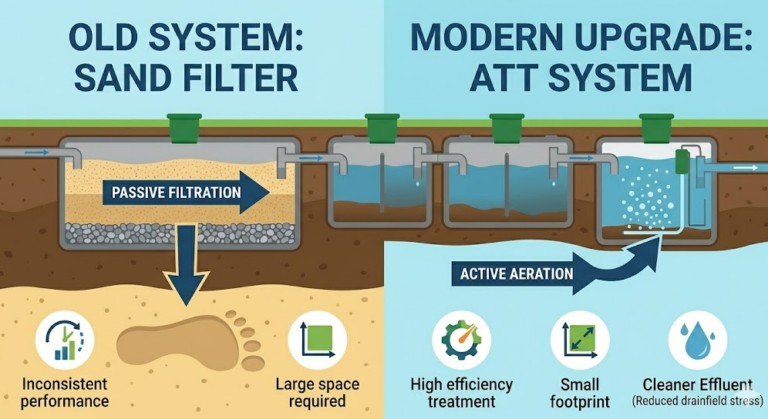
Sand filters treat wastewater by passing it through a sand bed to remove solids and impurities before it reaches the drainfield. They rely on passive filtration, which means treatment quality depends heavily on the condition and depth of the sand media.
ATUs use aeration to actively introduce oxygen into the treatment process. This supports aerobic bacteria, which break down organic waste faster and more thoroughly than the anaerobic conditions found in traditional systems.
|
Feature |
Sand Filters |
ATU Systems |
|
Treatment method |
Passive filtration |
Active aeration |
|
Bacteria type |
Anaerobic |
Aerobic |
|
Effluent quality |
Moderate |
High |
|
Maintenance frequency |
Moderate |
Scheduled, but predictable |
|
Footprint |
Larger |
More compact |
Benefits of ATT Systems for Modern Septic Maintenance
ATUs produce higher-quality effluent, which reduces the risk of drainfield contamination and soil clogging over time. This matters especially on smaller lots or properties with high groundwater levels.
Key benefits include:
- Better effluent quality — aerobic bacteria break down waste more completely
- Smaller system footprint — useful on lots with limited space
- Reduced drainfield stress — cleaner effluent extends drainfield life
- Adaptability — ATUs can be installed where soil conditions limit traditional systems
Maintenance is more structured with ATUs, involving regular inspections of the aerator and chlorination components, but the system’s performance is easier to monitor and verify.
Step-By-Step Guide to Replacing Sand Filters With ATT Systems
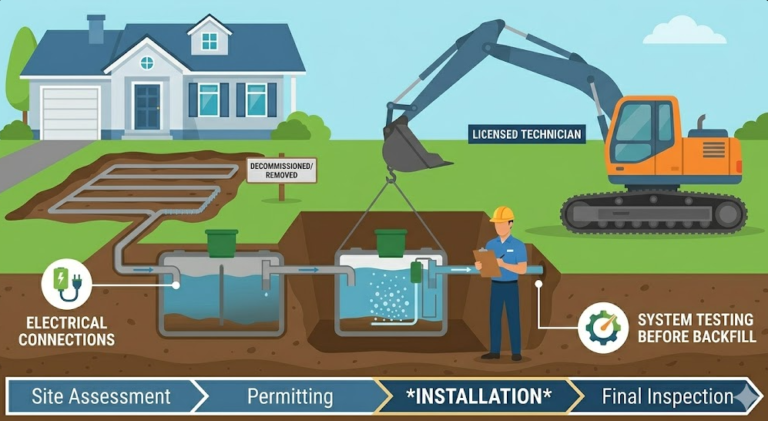
Replacing a sand filter with an Alternative Treatment Technology (ATT) system involves permitting, site evaluation, physical installation, and ongoing maintenance. Each phase has specific requirements that affect how well the final system performs.
Site Assessment and System Selection
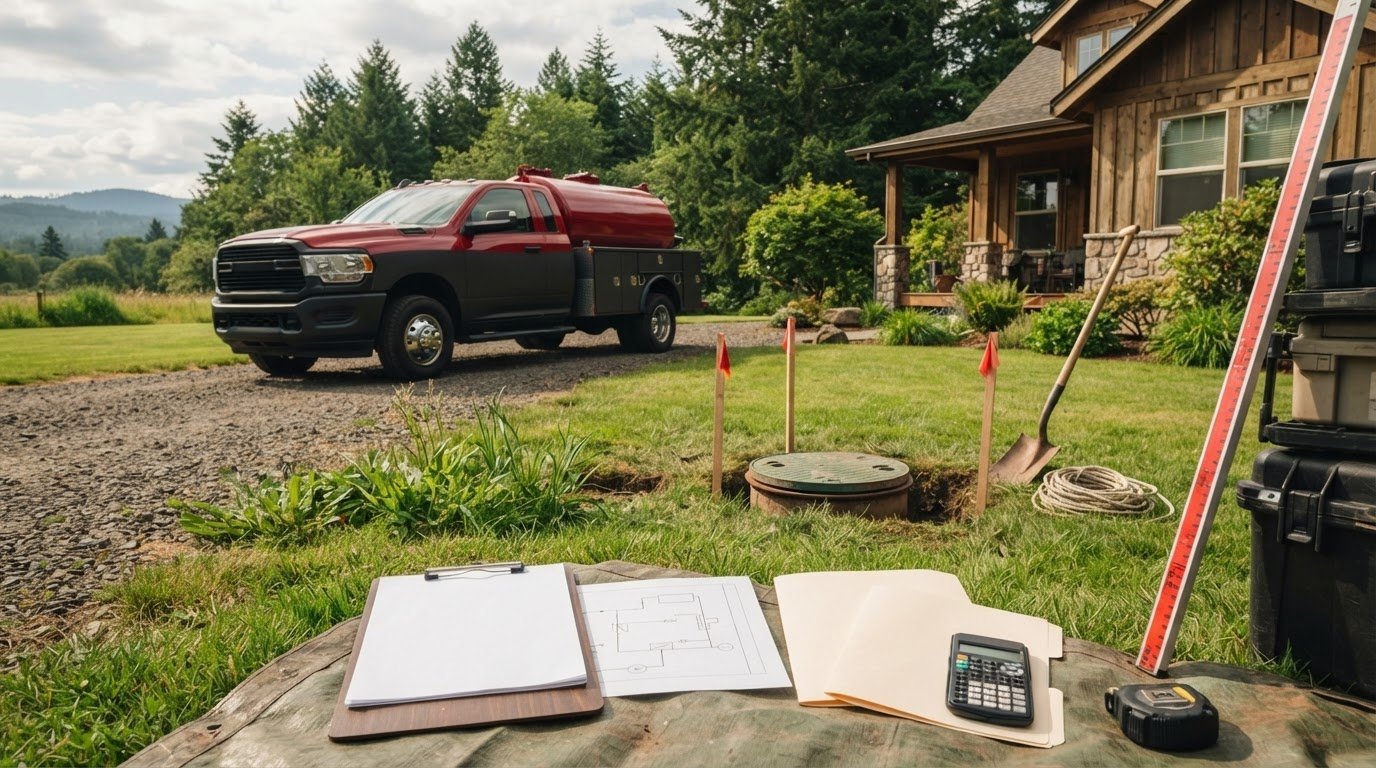
Before any work begins, a licensed septic professional must evaluate your property. This includes reviewing soil conditions, lot size, setback distances from wells and water bodies, and the condition of your existing tank and drain field.
The assessment determines which ATT system suits your site. Common options include:
- Aerobic Treatment Units (ATUs) – use oxygen to break down waste more thoroughly than sand filters
- Drip irrigation systems – distribute treated effluent through a network of subsurface tubing
- Mound systems – elevate the drain field above native soil when drainage is poor
- Textile filter systems – use layered synthetic media instead of sand
Your soil’s percolation rate and available land area are typically the deciding factors in system selection.
Preparation and Permitting
Most counties and states require a permit before replacing or modifying any septic component. Contact your local health department early, as permit timelines vary from days to several weeks.
You will typically need to submit:
- A site plan showing property boundaries and existing system locations
- Soil evaluation or perc test results
- Specifications for the proposed ATT system
- Contractor license information
Do not begin excavation before receiving written approval. Unpermitted work can result in fines and may require you to redo the installation at your own cost.
Installation Best Practices
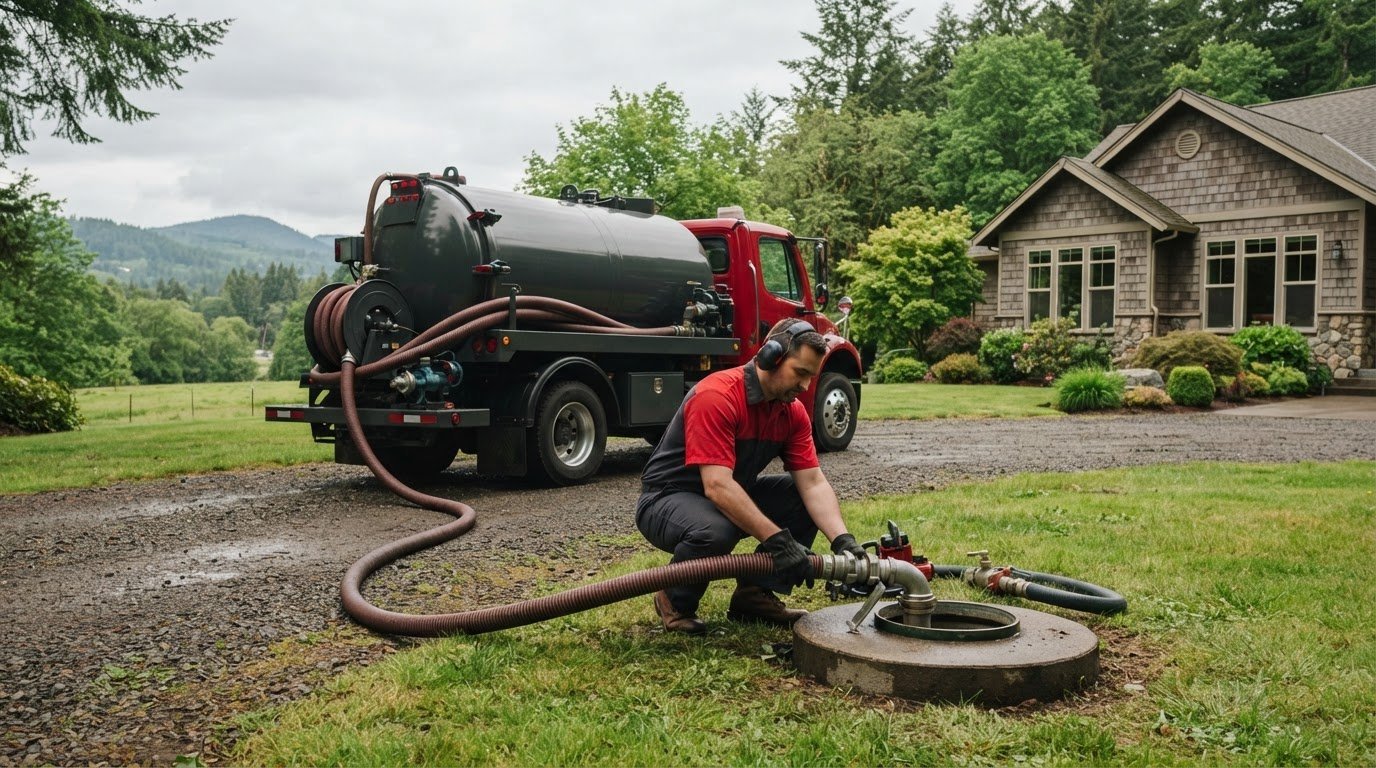
Once permits are in hand, a qualified contractor will decommission the existing sand filter. This typically involves pumping out remaining effluent and either removing or properly abandoning the sand filter bed in compliance with local regulations.
Key installation steps include:
- Connecting to the existing septic tank – the ATT unit is typically installed after the primary tank in the treatment chain
- Setting the ATT unit – follows manufacturer specs for depth, leveling, and access
- Electrical connections – most ATT systems require a dedicated power supply for pumps or air compressors
- Installing the dispersal field – drip lines, mound fill, or other dispersal components are placed according to the approved site plan
- System testing – the installer runs the system before backfilling to check for leaks and proper function
Work only with contractors certified to install the specific ATT system you’ve chosen.
Post-Installation Maintenance Tips
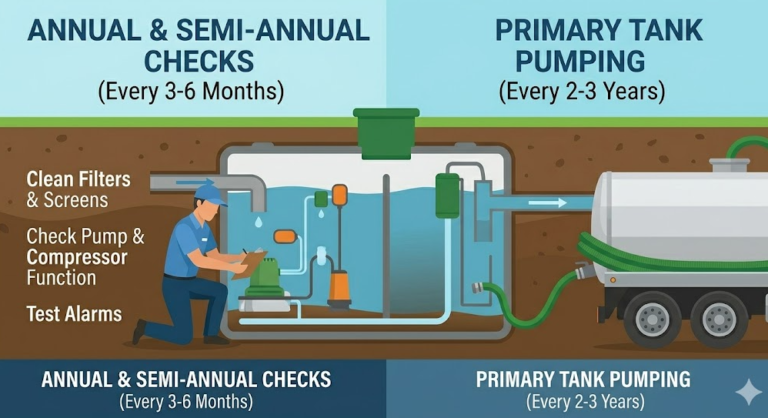
ATT systems require more active maintenance than traditional sand filters. Most systems have service contracts that mandate inspections every 3–6 months by a licensed technician.
Standard maintenance tasks include:
- Inspecting and cleaning filters and screens
- Checking pump function and float switches
- Reviewing alarm systems for error logs
- Pumping the primary septic tank every 2–3 years
- Keeping access risers clear of soil and vegetation
Many ATT systems are required by law to have an active service agreement in place as a condition of the operating permit. Confirm this requirement with your local health department before installation is complete.