Top Causes of Septic Emergencies & How to Avoid Them With Expert Consultation
Septic emergencies rarely happen without warning — they build up over time due to neglect, misuse, or a lack of routine maintenance. Understanding what causes these failures puts you in a much better position to avoid them.
The most common causes of septic emergencies include overloaded tanks, flushing non-biodegradable materials, neglected pumping schedules, and damaged drain fields — all of which are preventable with regular inspections and proper system use. Lil’ Stinky Septic has over 25 years of experience helping Portland-area homeowners and businesses avoid costly system failures before they start.
This article covers the top causes of septic emergencies and the practical steps you can take to keep your system running reliably. A septic consultation is often the simplest way to catch problems early and stay ahead of expensive repairs.
Key Takeaways
- Septic emergencies are most often caused by a handful of preventable issues, including overloading and improper waste disposal.
- Routine maintenance and awareness of what goes into your system are the most effective ways to avoid system failures.
- Scheduling a professional septic consultation helps identify risks early before they turn into costly emergencies.
Top Causes of Septic Emergencies
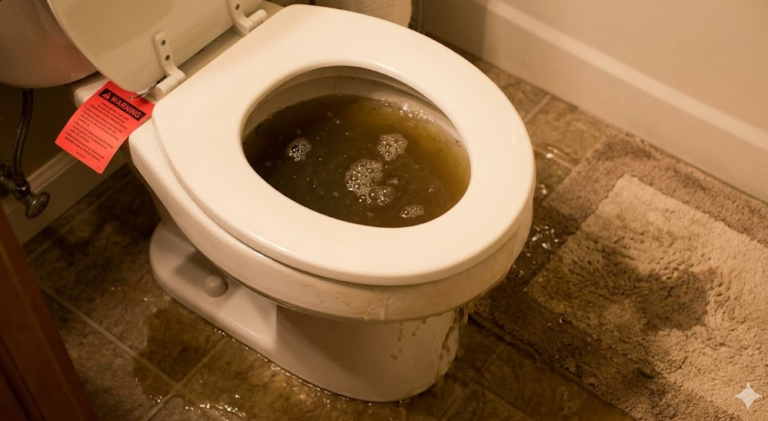
Septic emergencies rarely happen without warning—they’re usually the result of specific, avoidable problems like neglected pumping schedules, improper waste disposal, water overload, or physical damage from tree roots.
Neglecting Regular Septic Maintenance
The most common reason septic systems reach emergency status is simply not keeping up with routine care. Septic tanks need to be pumped every 3 to 5 years depending on household size and usage. Skipping this allows solids to accumulate past safe levels.
When a tank fills beyond capacity, waste has nowhere to go. It can back up into the home through drains and toilets, or push out into the drain field, causing much more expensive damage than a standard pump-out would have cost.
Routine inspections also catch early warning signs—like cracked baffles or a failing drain field—before they escalate. Without them, small issues go undetected until they become full emergencies.
Flushing Harmful Items Down Drains
Septic systems are designed to handle human waste and toilet paper. Anything else introduces materials the system cannot break down, leading to clogs and backups.
Common items that cause septic damage:
- “Flushable” wipes (they don’t actually break down)
- Paper towels and feminine hygiene products
- Grease and cooking oils
- Medications
- Harsh chemical cleaners and bleach
Grease and oils are particularly damaging. They solidify inside the tank and pipes, restricting flow and coating the drain field over time. Chemical cleaners kill the beneficial bacteria that break down waste inside the tank, disrupting the biological process the system depends on.
Excessive Water Usage Patterns
A septic system can only process a certain volume of water at a time. Sending too much water into the tank too quickly doesn’t allow solids to settle and can push partially treated wastewater into the drain field before it’s ready.
Common scenarios that overload a system include:
- Running multiple loads of laundry in a single day
- Having several guests staying for an extended period
- Leaving faucets or fixtures running undetected due to leaks
Leaky toilets are a frequently overlooked culprit. A toilet that runs continuously can add hundreds of gallons per day to the system without anyone noticing until damage is already done. Spreading water usage throughout the week reduces strain significantly.
Tree Root Intrusions
Tree roots naturally grow toward moisture, and septic pipes and tanks are a reliable water source underground. Over time, roots work their way into pipe joints and cracks, causing blockages and structural damage.
Signs of root intrusion include:
- Slow drains throughout the home
- Gurgling sounds in pipes
- Wet or unusually green patches above the drain field
Root damage isn’t always visible until a pipe has already been compromised. Trees planted too close to the system—generally within 10 feet of pipes or the tank—significantly increase the risk. Fast-growing species like willows and maples are especially problematic.
How to Prevent Septic System Failures
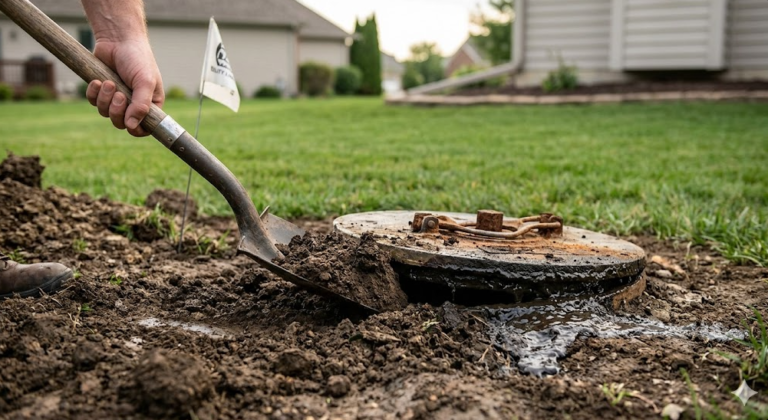
Preventing septic failures comes down to three things: regular inspections, controlling what goes into the system, and managing water use. A well-maintained system can last 20 to 30 years before needing replacement.
Scheduling Routine Inspections
Most septic systems should be inspected every 1 to 3 years, depending on household size and system type. Tanks typically need pumping every 3 to 5 years to remove accumulated solids.
Skipping inspections allows problems like sludge buildup, cracked baffles, or drain field stress to go undetected until they become emergencies. Early detection is significantly cheaper than emergency repairs or full system replacement.
A professional inspection from a company like Lil Stinky Septic will also confirm your system meets current local and state regulations, helping you avoid fines.
Proper Waste Disposal Practices
What you put into your septic system directly affects how long it lasts. The following items should never be flushed or drained:
- Wipes (including “flushable” wipes)
- Feminine hygiene products
- Grease or cooking oil
- Medications
- Harsh chemical cleaners or solvents
- Coffee grounds or food scraps
These materials either don’t break down or actively kill the beneficial bacteria your system needs to process waste.
Garbage disposals increase the volume of solids entering the tank. If you use one, more frequent pumping is recommended.
Water Conservation Strategies
Sending too much water into the system at once overwhelms the tank and pushes unprocessed waste into the drain field. This is one of the most common causes of premature drain field failure.
Practical steps to reduce water load:
|
Strategy |
Why It Helps |
|
Spread laundry loads across the week |
Avoids flooding the system in a single day |
|
Fix leaking toilets and faucets promptly |
A single leaking toilet can waste 200+ gallons per day |
|
Install low-flow fixtures |
Reduces daily water volume entering the tank |
|
Avoid running multiple appliances simultaneously |
Prevents hydraulic overload |
Directing roof drains, sump pumps, and surface runoff away from the drain field also reduces saturation and keeps the soil absorbing properly.