
Emergency Septic Pumping: When You Need It, What to Expect & Which System You Have

A septic emergency doesn’t wait for a convenient time. When sewage backs up into your home or you notice standing water over your drain field, waiting even a few hours can make the situation significantly worse.
Emergency septic pumping is a service that removes waste from an overloaded or failing septic tank quickly, before the problem causes damage to your property or creates a health hazard. Knowing when to call and what happens during the visit helps you act faster and with less stress.
This article covers the clear signs that you need emergency service, how the process works, and what to expect from a professional crew when they arrive.
Key Takeaways
- Emergency septic pumping is needed when backups, odors, or standing water signal that your system is failing or overloaded
- Understanding what qualifies as a true septic emergency helps you decide when to call rather than wait for a scheduled appointment
- Knowing what happens during an emergency service visit helps you prepare your property and set realistic expectations for the process
Understanding Emergency Septic Pumping
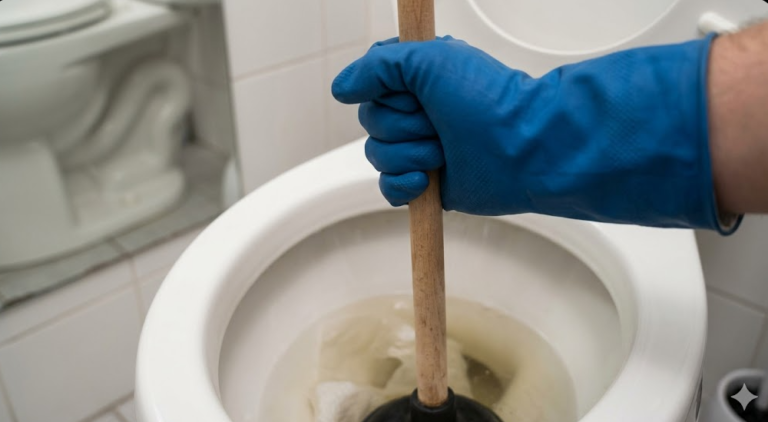
A septic emergency means the system can no longer safely contain or process waste, often requiring immediate pumping to prevent sewage backup, property damage, or health hazards.
What Qualifies as a Septic Emergency
Not every septic issue is an emergency, but some situations cannot wait for a scheduled appointment. A true septic emergency involves an immediate risk to health, property, or the environment.
Conditions that qualify as emergencies include:
- Sewage backing up into sinks, toilets, or tubs
- Raw sewage pooling on the ground above the drain field or tank
- Strong sewage odors inside the home
- Complete toilet and drain failure throughout the house
- Flooding near the septic tank area after heavy rain
These situations require same-day or 24/7 emergency service, like what Lil’ Stinky offers in the Portland area.
Common Causes of Emergency Pumping
Most septic emergencies don’t happen without a reason. Understanding the root cause helps prevent repeat situations.
|
Cause |
Why It Leads to Emergency |
|
Overfull tank |
Solid waste blocks the outlet and causes backups |
|
Drain field failure |
Effluent has nowhere to go and backs up into the tank |
|
Flushing non-flushables |
Wipes, paper towels, and solids clog the inlet baffle |
|
Root intrusion |
Tree roots crack pipes or block flow |
|
Pump failure (pressure systems) |
Waste cannot be distributed to the drain field |
|
Infrequent pumping |
Sludge builds up beyond the tank’s capacity |
Regular pumping every 3–5 years for an average household prevents most of these scenarios.
Warning Signs You Need Immediate Service
Catching warning signs early can stop a minor problem from becoming a full emergency. Some signs develop over days; others appear suddenly.
Act immediately if you notice:
- Slow drains in multiple fixtures at the same time
- Gurgling sounds from toilets or drains
- Unusually green or wet patches of grass over the drain field
- Sewage smell indoors or near the tank area
- Toilets that won’t flush even after plunging
Multiple symptoms appearing together almost always indicate a system under serious stress. One sign alone warrants a call; two or more warrant an emergency call.
What to Expect During Emergency Septic Service
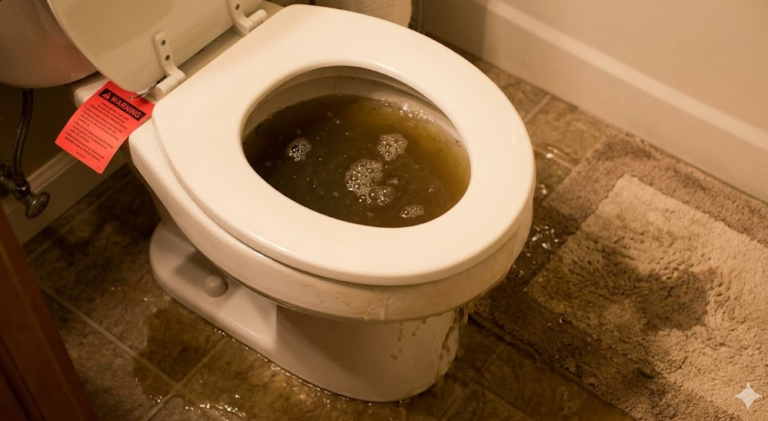
When emergency septic service arrives, the technician will pump the tank, assess the system for damage, and advise you on what repairs or maintenance are needed before the system can return to normal use.
The Emergency Pumping Process
The technician will locate and uncover the septic tank access lids, which may require some digging if they are buried. Once open, a vacuum truck pumps out the raw sewage and solids from the tank.
Typical steps in the process:
- Locating the tank and uncovering access points
- Pumping out all liquid waste and solids
- Inspecting the interior of the tank through the access opening
- Flushing or rinsing the tank walls if needed
- Documenting the condition of the tank
The process typically takes 1 to 2 hours, depending on tank size and how full it is. You should avoid running water or flushing toilets during this time.
Professional Assessment and Safety Measures
Once the tank is pumped, the technician will inspect the tank’s condition, check the inlet and outlet baffles, and look for signs of structural damage or root intrusion. They will also check whether the drainfield may be involved in the failure.
Safety measures the crew will take:
- Wearing personal protective equipment (PPE) including gloves and respirators
- Keeping bystanders away from the work area
- Containing and properly disposing of pumped waste at an approved facility
Sewage contains harmful pathogens. Keep children and pets away from the area until the technician has finished and the ground has been cleaned.
Next Steps After Emergency Septic Pumping
After pumping, the technician will give you a condition report. Based on what they find, next steps may include:
|
Issue Found |
Likely Next Step |
|
Damaged baffle |
Schedule baffle replacement |
|
Full but otherwise intact tank |
Set a regular pumping schedule |
|
Drainfield saturation |
Drainfield inspection or resting period |
|
Cracked tank walls |
Tank repair or replacement |
Do not return to normal water use until the technician confirms the system is stable. Contact your insurance provider and, if sewage reached the surface, check whether your local health department requires notification.