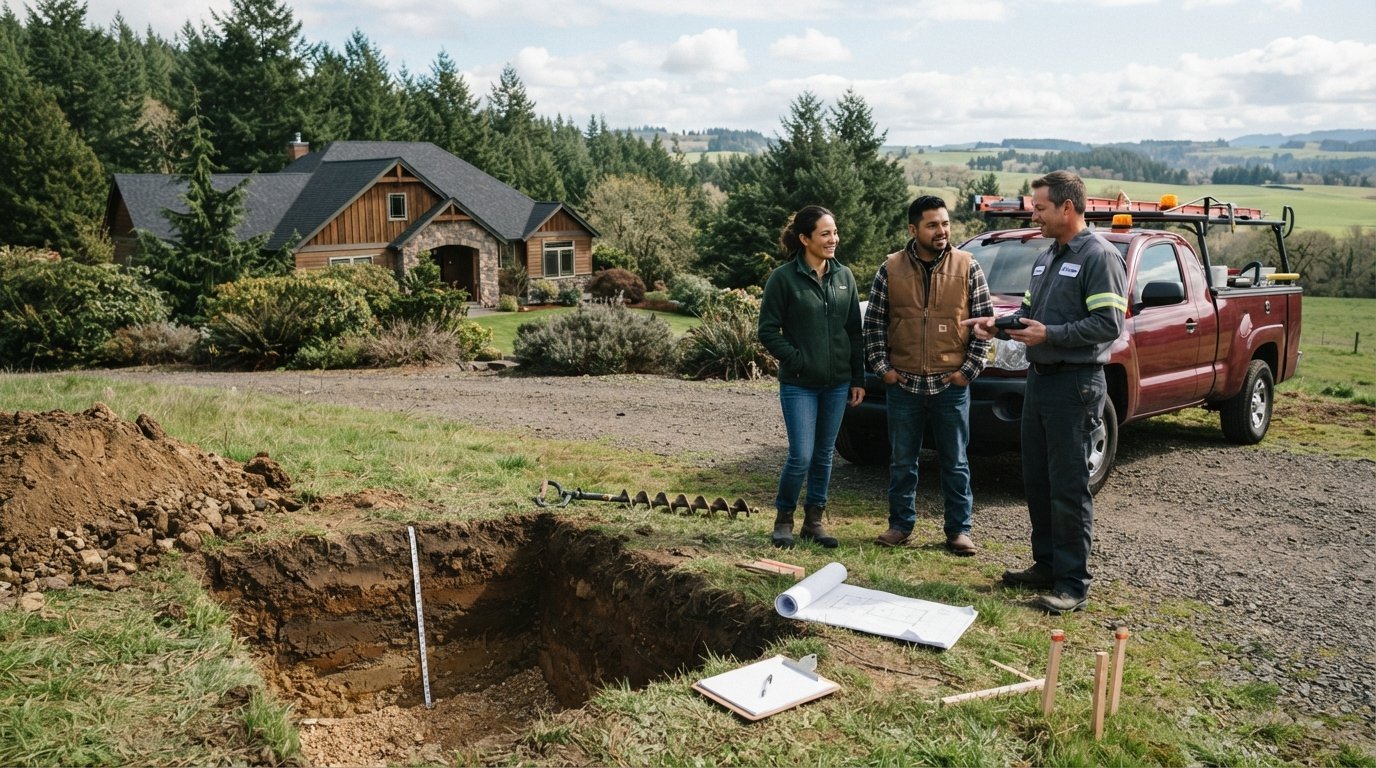
Not every property is a straightforward candidate for a standard septic system. Lots with clay soil, high water tables, limited space, or failed perc tests can leave homeowners and builders stuck — unsure whether the land can even support development at all.
The good news is that modern septic technology has expanded well beyond the conventional drain field, and today there are several system types designed specifically for lots that would have been considered unbuildable a generation ago. In this post, we walk through the main options available for problem lots, break down how Advanced Treatment Technology (ATT) systems work and why they consistently outperform conventional alternatives in challenging conditions, and answer the most common questions we hear from homeowners and real estate professionals navigating these situations.
Whether you are buying land, planning a new build, or dealing with a failing system on a difficult site, understanding the differences between these systems can save you significant time, money, and frustration.
Overview of Modern Septic System Types for Problem Lots
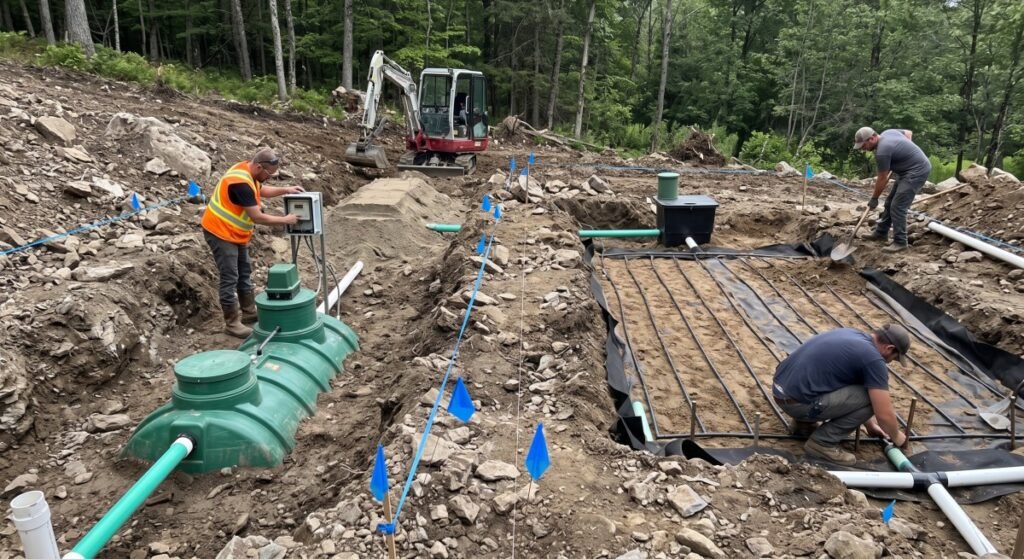
Not every lot can support a standard septic setup, and understanding which system fits which site condition is the first step toward a workable solution. Soil type, lot size, and groundwater depth each narrow the field of viable options in different ways.
Site Challenges: Small Lots, High Water Table, and Soil Conditions
Three site conditions account for most septic installation failures before a single pipe goes in the ground.
- Small lots restrict the square footage available for a drain field, often eliminating conventional leach field designs entirely
- High water tables (within 24 inches of the surface) prevent effluent from filtering safely before it reaches groundwater
- Clay-heavy soils absorb water too slowly, causing effluent to pond or back up rather than percolate
Perc tests quantify absorption rates in gallons per day per square foot. A rate slower than 60 minutes per inch typically disqualifies a site from conventional system approval in most jurisdictions.
Conventional Septic Systems: Limitations for Difficult Properties
A conventional septic system relies on a buried gravel trench drain field to disperse effluent through natural soil filtration. That process requires adequate soil depth, consistent permeability, and enough horizontal space for the trench layout.
On a half-acre lot with a seasonal high water table at 18 inches, a conventional system simply cannot meet the minimum vertical separation distance required between the drain field bottom and saturated soil. Most state codes require at least 2–4 feet of separation.
Common reasons conventional systems fail site approval:
- Insufficient lot area for required drain field square footage
- Soil percolation rate outside the acceptable range
- Groundwater or bedrock too close to the surface
- Slope exceeding 30%, which causes uneven effluent distribution
Alternative Systems: Mound, Drip, and Chamber Technologies
When a conventional system is ruled out, three alternatives cover most problem-lot scenarios.
| System | Best For | Key Mechanism |
| Mound System | High water table, shallow soil | Elevates drain field above native grade using engineered fill |
| Drip Irrigation | Small lots, precise dosing needs | Distributes effluent through subsurface tubing in timed doses |
| Chamber System | Limited space, sandy soil | Uses plastic arch chambers instead of gravel to increase contact area |
Mound systems require significant fill material and a larger footprint than the mound itself suggests. Drip systems need a pump, timer controls, and pre-treatment before distribution. Chamber systems work well where gravel is scarce or soil is coarser, but they still depend on adequate separation from groundwater.
Advanced Treatment Technology (ATT) Systems: The Superior Solution
When a lot fails a perc test or presents conditions that rule out a conventional septic system, ATT systems provide a proven, code-compliant path forward. They treat wastewater to a higher standard, which makes them viable on sites where standard systems simply cannot function safely.
Why ATT Systems Are Essential for Problematic Lots
Conventional septic systems depend on soil absorption to filter and disperse wastewater. When soil conditions fail — such as clay-heavy profiles, shallow bedrock, high seasonal water tables, or lot sizes too small for an adequate drain field — that process breaks down entirely.
ATT systems remove the dependency on native soil performance. They treat effluent mechanically and biologically before it ever reaches the soil, which means the discharge quality is high enough to meet regulatory standards even on lots that would otherwise be unbuildable.
- Clay soil blocks absorption and causes effluent to surface
- High water tables prevent adequate treatment depth
- Small lots lack space for a full leach field
- Failed perc tests indicate the soil cannot process untreated effluent safely
How ATT Systems Work and Key Advantages
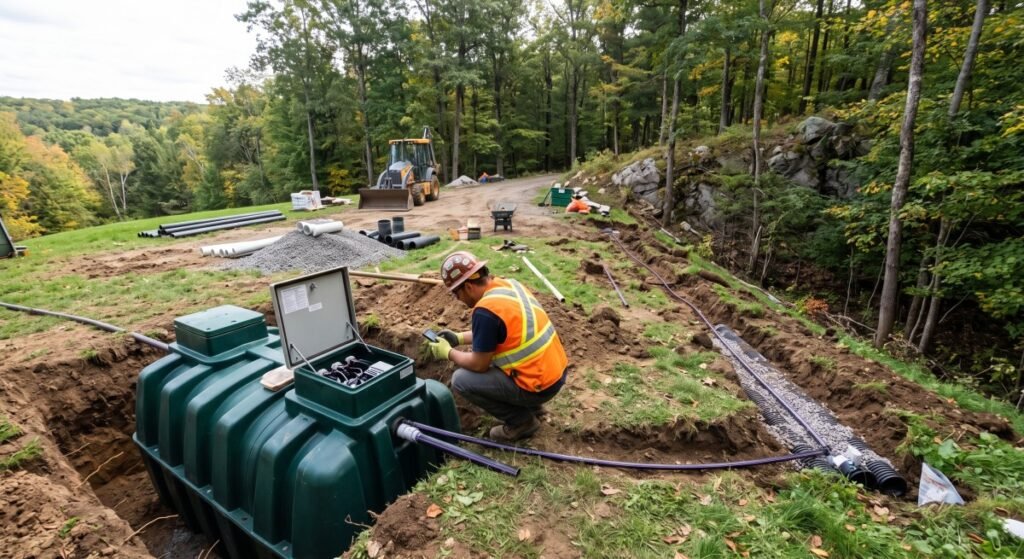
ATT systems use multi-stage treatment rather than relying on a single settling tank. Most units include a pre-treatment tank, an aeration chamber where aerobic bacteria break down waste, and a clarification stage before effluent is dispersed.
| Feature | Conventional Septic | ATT System |
| Treatment level | Primary only | Secondary/tertiary |
| Soil dependency | High | Low |
| Suitable for clay/high WT | No | Yes |
| Required drain field size | Large | Reduced |
| Effluent quality | Basic | Significantly higher |
The result is effluent that is cleaner, less nutrient-dense, and far safer to release into marginal soils or at reduced depths.
Real-World Examples: ATT Success on Challenging Lots
We regularly see ATT systems approved on lots that engineers initially marked as non-viable. A half-acre rural lot with a perched water table at 18 inches — too shallow for any conventional system — was permitted using a drip-dispersal ATT setup that discharged treated effluent at just 6 inches of depth.
On a narrow urban infill lot with no room for a leach field, a compact ATT unit with a small dispersal area fit within the buildable footprint. The homeowner avoided purchasing additional land or abandoning the build entirely.
These outcomes are not exceptions. They reflect what ATT systems are specifically engineered to accomplish on difficult sites.
Frequently Asked Questions
Choosing the right septic system for a difficult lot involves understanding soil conditions, local code requirements, cost differences, and what regulators will actually approve. These questions address the specific technical and practical details that homeowners, buyers, and builders run into most often.
What septic options work best when a property has a high water table or frequent seasonal saturation?
When groundwater sits close to the surface, a conventional gravity-fed septic system is typically not viable. The effluent has nowhere safe to go, and untreated wastewater can surface or contaminate the water table.
Mound systems are one of the most common solutions in these conditions. They elevate the drain field above the natural soil surface using imported sand fill, creating adequate vertical separation between the effluent and the seasonal high water table.
Drip dispersal systems are another strong option. They deliver treated effluent in small, timed doses at shallow soil depths, which reduces the risk of saturation. On lots with recurring seasonal flooding, aerobic treatment units (ATUs) paired with drip dispersal give the best performance because the effluent is treated to a much higher standard before it ever enters the ground.
How can a homeowner determine whether an alternative system is required after a failed percolation test?
A failed perc test means the soil either absorbs water too slowly or too quickly, both of which disqualify a standard drain field. The local health department or permitting office will typically issue a report outlining what soil conditions were found and what system types are permitted under those results.
We recommend requesting a full soil evaluation alongside the perc test. A licensed soil scientist or engineer can assess the soil profile, identify limiting layers like clay or hardpan, and recommend the engineered system types that local regulators will approve for that specific site.
In most jurisdictions, a failed perc test opens the door to applying for an alternative or engineered system permit rather than closing the property to development entirely. The specific alternatives available depend on your state and county regulations.
What are the practical differences between mound systems, drip dispersal, aerobic treatment, and other engineered designs?
Mound systems raise the drain field above grade using sand fill. They work well in high water table or slowly permeable soils but require significant land area and can have visual impact on a property.
Drip dispersal systems use a network of small-diameter tubing buried just below the surface. Effluent is pressure-dosed in timed cycles. They are flexible in layout, which makes them useful on irregularly shaped or smaller lots.
Aerobic treatment units (ATUs) use oxygen injection and sometimes UV disinfection to treat wastewater to a much higher quality than conventional septic tanks produce. They are often paired with drip or spray dispersal and are required on environmentally sensitive or space-limited lots.
Constructed wetlands and recirculating media filters are less common but used in specific regulatory regions. They treat effluent through biological processes and are typically reserved for properties where other options are not feasible.
When is advanced treatment necessary to meet local health codes on small or environmentally sensitive lots?
Advanced treatment is required when a site cannot provide adequate natural filtration through soil. This happens on small lots where the drain field cannot be sized large enough, on properties near surface water bodies, or in areas with thin soil over bedrock.
Many coastal and lakefront jurisdictions mandate ATT systems regardless of lot size due to nutrient loading concerns. Nitrogen and phosphorus from septic effluent are direct contributors to algae growth in nearby water bodies, and standard septic tanks do not reduce those nutrients sufficiently.
Some counties also require advanced treatment when a property is within a defined setback distance from drinking water wells, streams, or wetlands. We have seen setback requirements range from 50 feet to over 200 feet depending on the jurisdiction, and ATT systems can sometimes reduce required setbacks because the effluent quality is higher.
How do installation and long-term maintenance costs compare across modern septic system types on difficult sites?
| System Type | Typical Installation Cost | Annual Maintenance Cost |
| Conventional Septic | $5,000–$12,000 | $200–$400 |
| Mound System | $10,000–$25,000 | $300–$600 |
| Drip Dispersal | $12,000–$30,000 | $400–$800 |
| ATU (Aerobic) | $15,000–$35,000 | $500–$1,200 |
These are general ranges and vary significantly by region, site conditions, and system size.
Engineered systems cost more upfront because they require more materials, site work, and design time. Ongoing maintenance costs are also higher because components like air pumps, control panels, and UV lights require regular inspection and periodic replacement.
That said, a failed or improperly installed system on a difficult lot can cost far more in remediation, fines, and property value loss. We view the higher upfront cost of engineered systems as a practical investment in long-term functionality.
What permitting, inspection, and maintenance requirements should buyers and builders expect for newer engineered systems?
Engineered septic systems require a site-specific design prepared by a licensed engineer or soil scientist. That design must be submitted to and approved by the local health department before any installation begins. Permit fees vary but typically range from $500 to $2,500 depending on system complexity.
Most jurisdictions require inspections at multiple stages — before backfill, after installation, and at final sign-off. ATU systems in particular are subject to ongoing inspection requirements, often quarterly or biannual visits by a certified maintenance provider.
Many states require that ATU owners hold an active service contract with a licensed provider as a condition of the operating permit. This is not optional in most cases. Buyers purchasing a property with an existing engineered system should request copies of the current service contract, the most recent inspection report, and the system’s operating permit before closing.