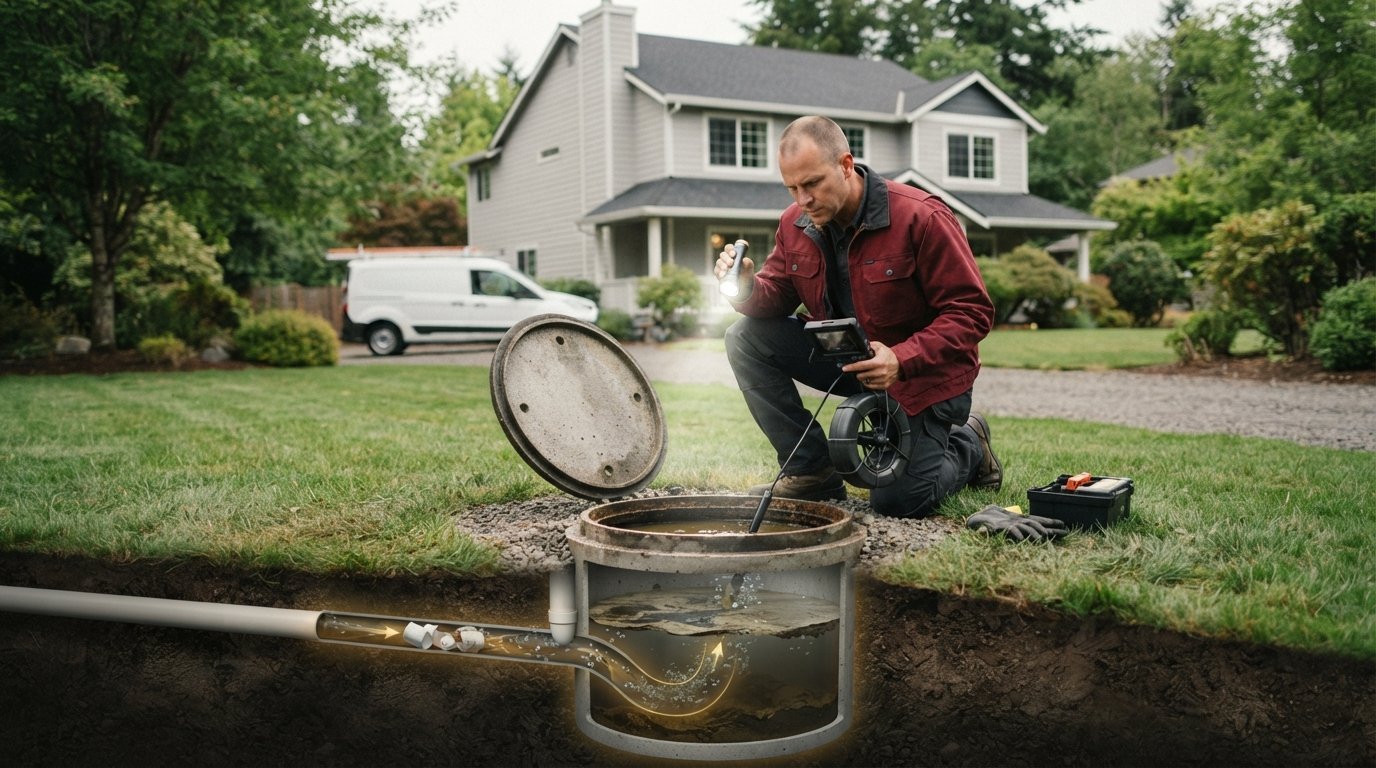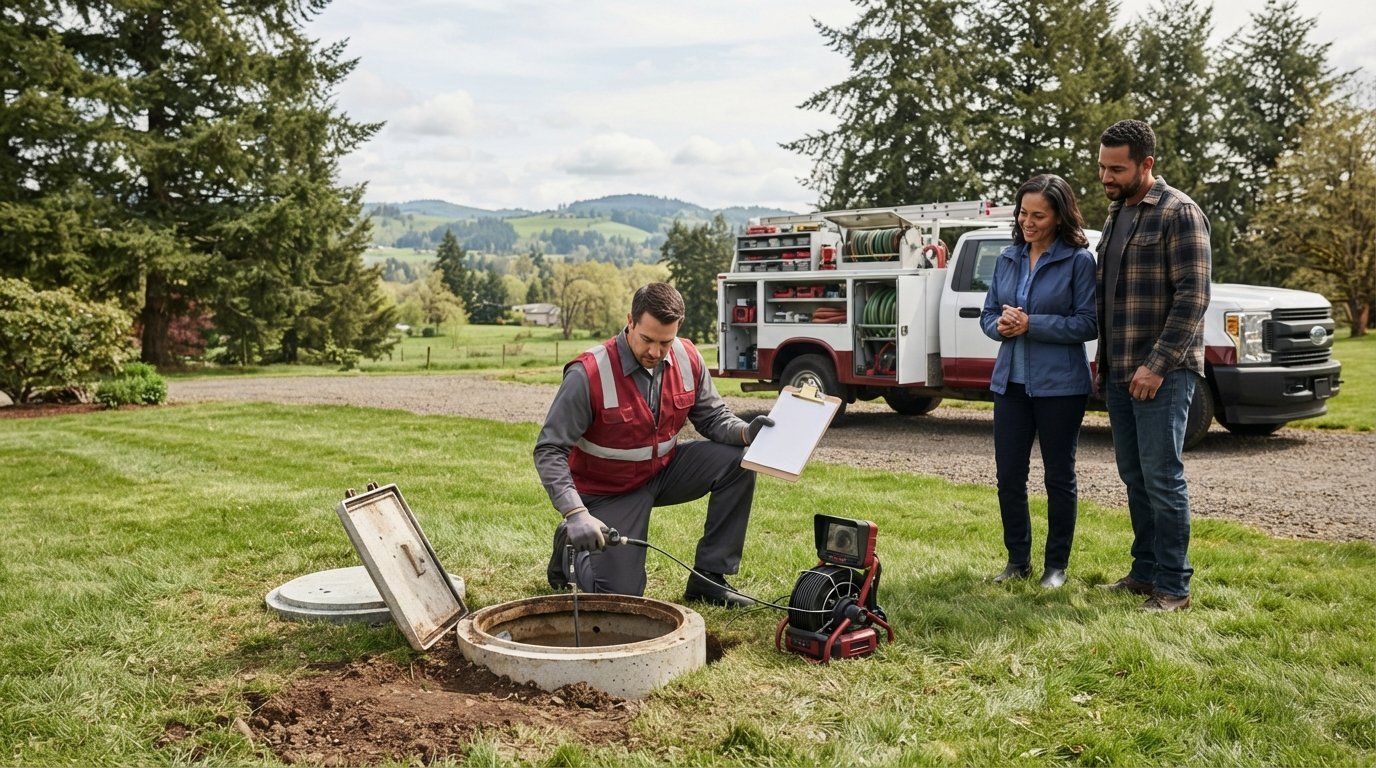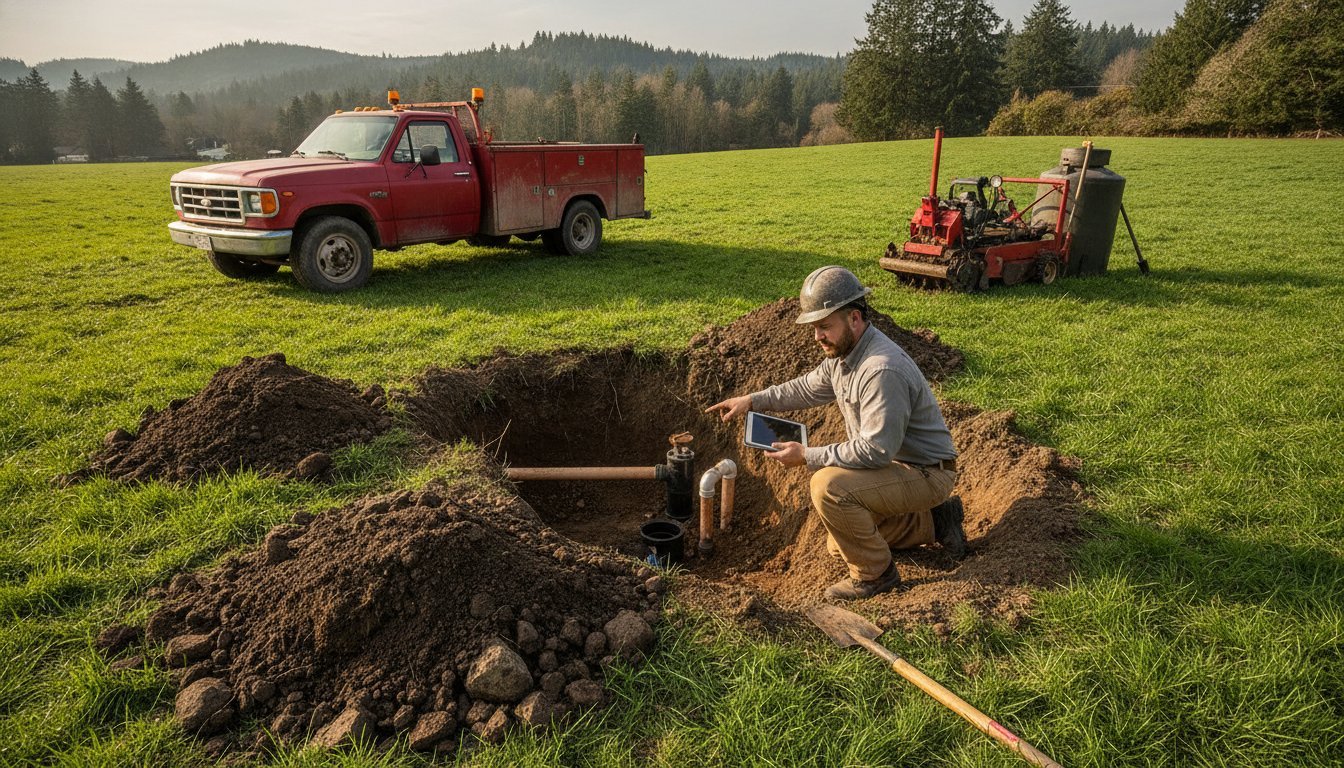
Is it possible that the dirt in your backyard is the most expensive part of your home renovation? In Canby, your soil health and Clackamas County regulations often matter more than the size of your tank when determining the final bill. You’re likely feeling the pressure of a failing system and the anxiety of potential hidden excavation costs. It’s frustrating to face strict DEQ permitting processes while trying to figure out if you actually need a high-end ATT system or if a standard setup will suffice for your property.
This guide breaks down the real factors affecting the cost to install new septic system Canby residents face in 2026. We’ll cut through the corporate jargon to give you the straight talk you need to make an informed decision. You will get a clear look at local permit timelines, the differences between system types, and how to navigate Clackamas County’s specific requirements without the usual stress. By the end, you’ll have a realistic roadmap for your project and the confidence to choose a local expert who knows this community’s unique landscape and soil conditions.
Key Takeaways
- Learn why soil quality and Clackamas County DEQ regulations are the primary drivers of your project scope rather than just the tank size.
- Compare standard gravity systems with Alternative Treatment Technology (ATT) to determine which setup fits your specific lot size and environmental needs.
- Identify the main factors affecting the cost to install new septic system Canby residents encounter, including tank material durability and household capacity requirements.
- Navigate the mandatory Clackamas County site evaluation and construction permit process with a clear understanding of administrative steps and timelines.
- Benefit from over 25 years of local expertise to avoid hidden excavation surprises and ensure your system is installed correctly the first time.
Understanding Septic Replacement Costs in Canby
Are you searching for a quick estimate online? Most national websites provide generic numbers that simply don’t apply to our corner of Clackamas County. When calculating the cost to install new septic system Canby residents actually pay, site-specific variables like soil drainage and property slope carry more weight than the price of the tank itself. National averages often fail because they don’t account for the rigorous Oregon Department of Environmental Quality (DEQ) standards that dictate every phase of our local installations.
There’s a massive difference between a simple tank swap and a full system overhaul. A tank replacement is a focused task, but a full system involves the tank, the transport lines, and a completely new drainfield. Gaining a basic understanding of how septic systems work helps explain why this is a major construction project rather than a simple plumbing fix. In Oregon, the DEQ standards are the primary driver of your final investment. These regulations protect our local groundwater, but they also require specific permits and inspections that vary based on your property’s unique footprint.
Replacement vs. Repair: When is it Time?
How do you know if you need a total replacement or just a targeted repair? Persistent odors in your yard or “spongy” grass over your drainfield are classic signs of total system failure. If your tank is cracked or your soil has become so saturated that it can no longer process effluent, a repair is often just a temporary band-aid. While a new system is a significant commitment, it offers a much higher long-term ROI. You’ll avoid the cycle of emergency pump-outs and constant repairs that never actually solve the underlying problem. It’s about property safety and peace of mind for the next few decades.
The Local Canby Advantage
Hiring a contractor who lives and works right here in Canby makes a world of difference. At Lil’ Stinky Septic Service, we’ve spent over 25 years studying the specific terrain and soil types of this community. We know which areas have heavy clay and which have better drainage, allowing us to anticipate excavation challenges before we even break ground. Our local roots also mean we have an established relationship with Clackamas County inspectors. We understand their expectations and the 2026 DEQ fee structures, which helps us move your project through the permitting phase more efficiently. When you work with a licensed specialist (CCB #189693), you get straight talk and a best-price guarantee from a neighbor who cares about doing the job right the first time.
Variables That Determine Your Canby Installation Quote
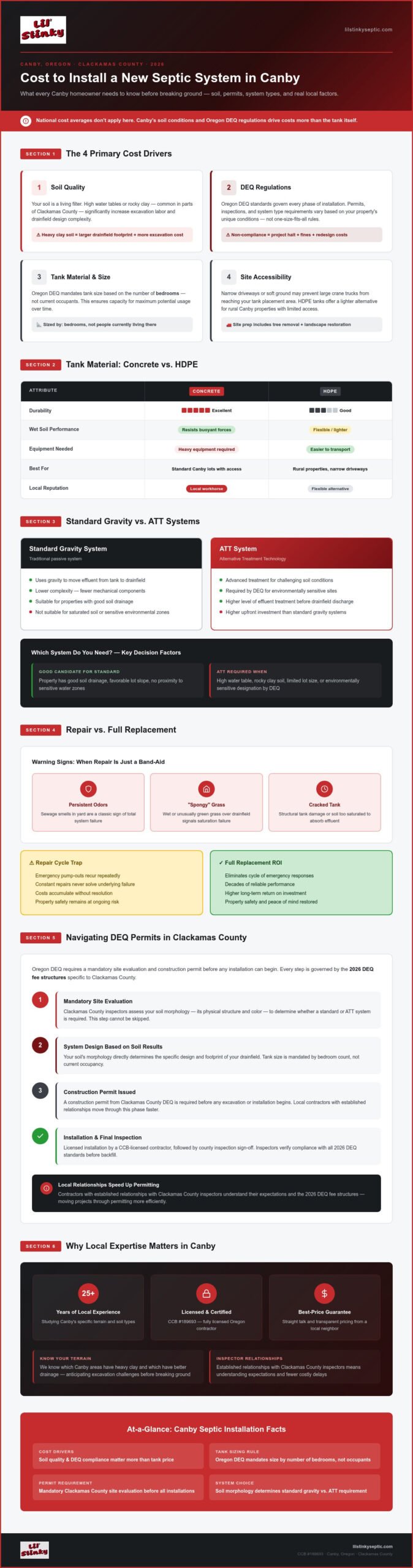
What makes one quote higher than another in the same neighborhood? It’s rarely about a single item. Instead, it’s a combination of your home’s size, the materials you choose, and the literal ground beneath your feet. When we calculate the cost to install new septic system Canby homeowners require, we look at four main pillars: tank material, capacity, soil quality, and site accessibility. Managing the cost to install new septic system Canby projects involves balancing these physical constraints with your long-term household needs.
Tank Material and Size Factors
Concrete tanks are the local workhorse for a reason. They’re incredibly durable and resist buoyant forces in wet soil, but they require heavy equipment for placement. HDPE (high-density polyethylene) tanks offer a lighter, more flexible alternative for rural Canby properties where a massive crane truck can’t safely navigate narrow driveways or soft ground. Capacity is another non-negotiable factor. Oregon DEQ regulations mandate tank size based on the number of bedrooms in your home, not the number of people currently living there. This ensures the system can handle the home’s potential maximum usage over time. Understanding these variables is easier when you review the EPA guide to septic system types and how they work, which explains how different components handle household waste.
Soil Morphology and Site Preparation
Your yard is more than just a place for a tank; it’s a living filter. If your property has a high water table or the rocky clay common in parts of Clackamas County, excavation labor increases significantly. We also have to consider site prep. This includes tree removal to prevent root intrusion and restoring your landscaping once the heavy machinery leaves. Soil quality determines the specific design and footprint of your drainfield because it dictates how effectively the ground can absorb and treat wastewater. Your soil’s morphology, or its physical structure and color, directly determines whether you can use a standard gravity drainfield or if you need a more complex alternative system. If you’re concerned about how your land will affect your project, a professional septic installation expert can provide a clear assessment of your site’s unique challenges.
Standard Gravity vs. ATT Systems in Oregon
The specific design of your septic system is the single largest factor in the final cost to install new septic system Canby homeowners manage. In Oregon, we primarily deal with two categories: standard gravity systems and Alternative Treatment Technology (ATT) systems. While every homeowner hopes for a simple gravity setup, the reality of your property’s soil and size often dictates the choice. We’ve seen many Canby residents surprised by these requirements, so understanding the “why” behind each system helps you plan your budget with confidence.
Standard Gravity Systems: The Budget-Friendly Choice
Standard gravity systems represent the most straightforward approach to onsite wastewater treatment. They just work. These systems rely on simple physics to move effluent from the tank to the drainfield using natural slopes. Because they have no pumps or complex electrical components, they feature the lowest upfront costs and require the least amount of long-term maintenance. However, they aren’t an option for everyone. To qualify for a gravity system under Oregon DEQ rules, your lot must have a specific degree of slope and a minimum depth of high-quality, permeable soil. If your ground is too flat or the soil is too shallow, gravity alone won’t provide the necessary treatment. You can find more details on how these factors influence the Septic System Installation Cost in Oregon to see how your property compares.
Alternative Treatment Technology (ATT): Modern Waste Solutions
What happens if your soil doesn’t drain well or your property is located near a sensitive waterway? This is where ATT systems come in. These modern units treat wastewater to a much higher standard before it ever reaches the soil. They are essentially a mini-treatment plant in your backyard. While the initial investment is higher than a gravity system, ATT systems offer a significant advantage: they require a much smaller footprint. This makes them the go-to solution for smaller lots in Canby where space is at a premium.
The trade-off for this better performance is complexity. ATT systems include mechanical parts, aerators, and often require annual service contracts to remain in compliance with Clackamas County regulations. If your site evaluation suggests you need one, it’s usually because the environmental conditions on your land leave no other legal option. Keeping these systems running smoothly starts with a Certified Septic Inspection Oregon to ensure every mechanical component meets current DEQ standards. Over the long term, the higher cost to install new septic system Canby projects with ATT technology is balanced by the ability to build on land that would otherwise be undevelopable.
Navigating DEQ Permits in Clackamas County
Dealing with government paperwork is often the most stressful part of a home project. In Clackamas County, the Department of Environmental Quality (DEQ) maintains strict oversight to protect local groundwater and public health. When you factor in the cost to install new septic system Canby residents budget for, permit fees and administrative requirements are unavoidable components. You can’t just dig a hole and drop a tank; every step must be documented and approved to ensure long-term safety.
The Clackamas County Permitting Roadmap
The journey starts with a mandatory site evaluation. A Clackamas County DEQ agent will visit your property to perform a soil analysis, often called a “perc test.” They look at the soil’s morphology and drainage capacity to determine if your land can support a standard system or if an ATT system is required. Once the site evaluation is complete, a licensed specialist creates a custom system design based on those findings. This design must be submitted for approval before any physical work begins.
After the county approves the design, they issue a construction permit. This is the green light that allows us to bring in the heavy machinery and start the excavation process. We follow a methodical sequence to ensure every pipe and component aligns perfectly with the approved plans. Typical timelines for permit approval can vary based on the county’s current workload, but having a complete and professional design package ready usually speeds up the process.
Compliance and Long-Term Safety Standards
Skipping the permit process is a recipe for disaster. Unpermitted septic work can lead to massive fines from the state, but the real trouble often shows up during a property sale. If there’s no record of a legal installation, you’ll face significant hurdles with real estate title issues and home inspections. Potential buyers and lenders require proof of a permitted system to finalize a sale. During the installation phase, DEQ-certified inspections are mandatory. An inspector will verify that the tank, lines, and drainfield meet every specific requirement before we backfill the site.
Once everything passes the final inspection, you’ll receive your “Authorization to Use” certificate. This document is your official proof that the system is legal, safe, and fully compliant with Oregon law. Lil’ Stinky manages the entire DEQ reporting process for the homeowner so you don’t have to worry about the administrative burden. We handle the technical design submissions and coordinate with inspectors to keep your project on track. If you’re ready to move forward with a compliant installation, reach out to our local team to begin your site assessment.
The Lil’ Stinky Difference: Expert Local Installation
Choosing a contractor is about more than just comparing numbers on a page. When you’re looking at the cost to install new septic system Canby homeowners often feel overwhelmed by technical requirements and the potential for hidden fees. We believe in “straight talk” and total transparency. With over 25 years of local experience, we’ve built our reputation on helping neighbors navigate these complex projects without corporate ambiguity. Our best-price guarantee ensures you’re getting a fair, competitive quote from a team that actually lives in your community.
We handle the heavy lifting from start to finish. Whether your property requires a standard gravity setup or a more intricate ATT system, our team manages the design and physical installation with precision. Our goal is to provide a worry-free experience that protects your property and your wallet. We don’t just finish the job and disappear. We offer ongoing support and maintenance plans to ensure your investment lasts for decades; we’re your long-term partners in home health.
A Neighborly Approach to Expert Service
Lil’ Stinky Septic Service isn’t just a name on a truck; we’re a family-owned business headquartered right here in Canby. Our local roots mean we understand the specific soil conditions and regulatory quirks of Clackamas County better than outside contractors. We take pride in our craft. Our CCB #189693 license is your guarantee that we adhere to the highest professional standards in the industry. While we specialize in new installations, we’re also here for the unexpected. If you ever face a sudden backup, you can rely on our Emergency Septic Service in Portland Oregon and surrounding areas for a rapid response.
Your Next Steps to a Worry-Free System
Ready to get started? The first step is a personalized site evaluation. During your initial consultation, our design team will walk your property, review your household needs, and discuss the best system options for your specific terrain. We’ll provide a clear, written breakdown of the cost to install new septic system Canby residents can expect, including all permit fees and material costs. There are no surprises and no high-pressure sales tactics. We want you to feel confident in your decision. Request your septic replacement quote from Lil’ Stinky today and let our family take care of yours.
Secure Your Property with a Reliable Septic Solution
Planning a new septic installation involves more than just digging a hole. You now understand that soil morphology and Clackamas County DEQ regulations are the real drivers of your project’s scope. Whether your land supports a standard gravity system or requires a compact ATT alternative, the right preparation prevents expensive surprises later. The cost to install new septic system Canby residents manage is best handled with a clear plan and a licensed professional who knows local dirt.
Lil’ Stinky Septic Service brings over 25 years of local experience to every job site. As a licensed, bonded, and insured team (CCB #189693), we provide the straight talk and technical expertise you need to stay compliant and worry-free. We stand behind our work with a best-price guarantee; ensuring you get the highest quality service without the corporate markup. Don’t let a failing system stress you out any longer. Contact Canby’s Septic Experts for a Replacement Quote today. We’re ready to help you secure your property’s future with a system built to last.
Frequently Asked Questions
How long does a full septic tank replacement take in Canby?
Physical installation of a new tank and system typically takes three to five business days once we break ground. However, the total timeline is longer because of the Clackamas County permitting process. You should plan for several weeks of preparation, including site evaluations and design approvals. Our team works efficiently to minimize the time your yard is under construction, ensuring your property is restored as quickly as possible once the final DEQ inspection is complete.
Do I need a permit to replace my septic tank in Clackamas County?
Yes, you absolutely need a permit from Clackamas County DEQ for any septic replacement or new installation. Operating without a permit is illegal and will cause significant issues when you try to sell your home. We handle the entire permitting process on your behalf, including the initial site evaluation and final construction permit. This ensures your project meets all 2026 safety standards and environmental regulations, protecting both your investment and the local groundwater.
Can I stay in my home while the new septic system is being installed?
You can generally stay in your home during the installation process, but you’ll experience a brief period without water service. When we disconnect the old tank and hook up the new system, you cannot use drains, toilets, or showers. This “dry period” usually lasts just a few hours. We coordinate with you in advance to schedule this switchover at a convenient time, so your daily routine remains as normal as possible during the excavation.
What is the most expensive part of a septic system replacement?
The most expensive part of the cost to install new septic system Canby homeowners face is usually the drainfield and the associated excavation labor. While the tank itself is a significant purchase, the specialized sand, gravel, and labor required to build a compliant drainfield often cost more. If your soil morphology requires an Alternative Treatment Technology (ATT) system, the mechanical components and specialized media will further increase the total investment compared to a standard gravity setup.
Will a new septic system increase my Canby home’s property value?
A new septic system definitely increases your home’s property value by ensuring the property is fully compliant and “move-in ready” for buyers. In Canby, a failing or unpermitted system is a deal-breaker for most lenders and buyers. By investing in a modern, DEQ-approved system, you remove a massive liability and provide proof of long-term property health. It’s an essential upgrade that protects your equity and makes your home much easier to sell in the future.
How often should a new septic tank be pumped after installation?
Most households should have their new septic tank pumped every three to five years to maintain peak performance. Even with a brand-new system, solids will accumulate over time and can eventually clog your drainfield if left unmanaged. Your specific pumping schedule depends on your household size and water usage habits. We recommend a routine check every few years to monitor sludge levels and ensure the baffles and filters are functioning correctly to prevent premature system failure.
Does Lil’ Stinky offer emergency replacement if my tank collapses?
Yes, Lil’ Stinky offers 24/7 emergency response if you experience a total system collapse or a major backup. We understand that a failing septic system is a high-stress emergency that threatens your home’s safety. Our local Canby team is ready to respond quickly to stabilize the situation and begin the planning process for a rapid replacement. We prioritize these urgent cases to restore your home’s sanitation and protect your property from further environmental damage.
What is the difference between a DEQ inspection and a routine check?
A DEQ inspection is a formal, state-mandated process required for real estate transactions or new permits, while a routine check is part of regular maintenance. DEQ inspections follow strict criteria to certify the system’s legality and functionality for lenders and buyers. A routine check, performed during a pumping service, focuses on the current health of the tank and filters. Both are important, but only a DEQ-certified inspection provides the official documentation needed for legal compliance in Oregon.