You’re enjoying a quiet Saturday morning when you notice a patch of grass in your backyard that’s suddenly much greener and spongier than the rest. It’s tempting to ignore it, but that nagging feeling in your gut says something is wrong. Is it just a low spot from the recent rain, or are you looking at the first warning of a major system failure? When it comes to your home’s infrastructure, the “wait and see” approach often leads to the very backups and high repair costs every homeowner dreads.
It’s completely normal to feel stressed when you suspect your septic system is struggling. You’ve likely heard the horror stories about yard-wide excavations and the confusion of whether a faint smell is a temporary fluke or a total emergency. We understand that your peace of mind depends on having a system that works without you having to think about it. By learning the specific septic drainfield failing signs early on, you can protect your property and your wallet from the worst-case scenarios.
This article provides the clarity you need to stop guessing. We’ll identify the critical red flags that demand your attention, explain why these issues develop in our specific local conditions, and outline the immediate, actionable steps you can take to mitigate damage today. Understanding these signals is the first step toward keeping your home safe and your system running smoothly for years to come.
Key Takeaways
- Understand how your drainfield acts as the “lungs” of your system, using soil microbes to filter wastewater before it reaches the groundwater.
- Identify the most common septic drainfield failing signs, including spongy, bright green grass patches and persistent “rotten egg” odors around your yard.
- Learn how the Pacific Northwest’s heavy rainfall and household habits like using “flushable” wipes can lead to hydraulic overloading and physical clogs.
- Discover the immediate steps you can take to mitigate damage, such as drastically reducing indoor water use and diverting gutter runoff away from the field.
- Find out how professional diagnostics and local expertise can help you avoid a total system replacement through early intervention and proper maintenance.
Understanding the Septic Drainfield: The Lungs of Your System
Most homeowners think of their septic system as just a large tank buried in the yard. In reality, the tank is only the first stop. The drainfield, also known as a leach field, is the most critical part of the entire treatment process. It acts as the “lungs” of the system, where wastewater is filtered and purified before it returns to the earth. While the tank separates solids, the drainfield uses the natural power of soil microbes to neutralize harmful pathogens. If you start noticing common septic drainfield failing signs, it usually means this biological filter is no longer breathing correctly.
A vital component of this process is the biomat. This is a thin layer of specialized bacteria and organic matter that forms where the gravel meets the soil. A healthy biomat is essential because it regulates the flow of water and provides a final layer of treatment. However, if the system is overloaded, this layer can grow too thick and become an impermeable barrier. This prevents water from soaking into the ground. A drainfield failure occurs when the soil can no longer absorb or treat the effluent discharged from the septic tank, leading to surface ponding or internal backups.
It’s important to distinguish between a full tank and a failing field. Pumping your tank is routine maintenance that removes solids. A failing field is a structural or biological breakdown that requires professional intervention. Ignoring the field while only focusing on the tank is like changing your oil but never checking your engine’s health.
How a Healthy Leach Field Works
The journey begins when liquid effluent leaves the septic tank and flows into a series of perforated pipes. These pipes are buried in trenches filled with gravel or synthetic chambers. From there, the water seeps into the surrounding soil. Aerobic bacteria, which require oxygen to survive, live in the soil and break down the remaining waste. Understanding how a septic drainfield works is especially important in the Portland area. Our local soil types, which range from silty loams to heavy Clackamas County clay, significantly affect how quickly your field can process water. If the soil stays saturated for too long, the aerobic bacteria die off, and the treatment process stops.
The Consequences of Ignoring Early Warning Signs
Waiting to address septic drainfield failing signs can lead to serious complications. Environmentally, a failed field can contaminate local Oregon groundwater with untreated sewage, posing a risk to your family and neighbors. From a legal standpoint, the Oregon Department of Environmental Quality (DEQ) has strict standards for onsite wastewater. A failing system can lead to fines or prevent you from selling your home until expensive repairs are completed. Financially, the gap between a minor repair and a total system rebuild is massive. Catching a biological “clog” early often allows for rejuvenation techniques that save you from the cost of a full excavation.
7 Critical Septic Drainfield Failing Signs to Watch For
Spotting trouble early is the difference between a quick fix and a total property disaster. While some signs of a failing septic system are obvious, others are subtle enough to miss if you aren’t looking for them. Your system usually gives several warnings before it reaches a point of total collapse. Paying attention to these seven septic drainfield failing signs now can prevent a massive headache later.
Surface Signs: What Your Yard is Telling You
The most common indicator is often the most deceptive: the “fertilizer effect.” This happens when nitrogen and phosphorus from untreated effluent act as a super-nutrient for your lawn. If you see patches of exceptionally lush, dark green grass directly over your leach field lines, your system is likely leaking wastewater too close to the surface. It looks healthy, but it’s actually a signal that the soil isn’t filtering properly.
Ponding water is another major concern. Unlike normal rain puddles that dry up after an Oregon storm, septic ponding stays soggy even during dry spells in Canby. You might notice spongy soil that feels like walking on a wet sponge. This means the soil is completely saturated and can no longer absorb liquid. If you also catch a distinct “rotten egg” odor, you’re smelling hydrogen sulfide gas. This gas is a byproduct of anaerobic bacteria and a clear indicator that your drainfield’s biological balance is broken.
Indoor Plumbing Red Flags
Your home’s plumbing often provides the first “audible” warning. Gurgling sounds in the pipes after you run a laundry load or take a long shower are a cry for help from the drainfield. This noise occurs because air is trapped in the lines by standing water that has nowhere to go. It’s a sign that the system is “choking” on its own effluent.
You should also watch for slow-moving drains across multiple fixtures simultaneously. If the kitchen sink, bathroom tub, and toilet all drain sluggishly, the bottleneck is likely at the drainfield rather than a single pipe clog. In severe cases, you’ll experience backups in lower-level tubs or floor drains. This is a true crisis. Before assuming the worst, check our guide on 7 Critical Septic Tank Full Symptoms to see if you simply need a pump-out or if you’re facing a structural failure. If you’re seeing these red flags, a professional septic inspection can pinpoint the exact cause before sewage reaches your living room.

Why Drainfields Fail: Common Causes in the Pacific Northwest
While recognizing septic drainfield failing signs is the first step, understanding the root cause helps you prevent a repeat performance. The EPA provides a comprehensive list of Signs of a failing septic system, but local factors often dictate the “why” behind the failure. In our region, the environment and specific soil conditions play a massive role in how well your system handles daily wastewater.
Hydraulic Overloading and the Oregon Rain Factor
Oregon’s heavy rainfall is a primary driver of system stress. When the ground is already saturated from a week of Portland rain, the soil loses its ability to absorb additional effluent from your tank. This is especially true in areas with heavy Clackamas County clay, which holds onto moisture much longer than sandy soils. If your drainfield is already fighting against nature, any extra water from the house can push it over the edge.
Many homeowners make the “laundry day” mistake by running five or six loads of wash in a single afternoon. This sends hundreds of gallons of water into the system at once, causing hydraulic overloading. The water moves through the tank so fast that solids don’t have time to settle. These solids then get pushed out into the drainfield, where they clog the soil pores. You should also check your gutter runoff. If your downspouts point toward your leach field, you’re essentially drowning your system every time it rains. Proper property water management is essential for system health, and for those looking for expert assistance, AB Drain and Construction LLC provides specialized drainage and waterproofing services.
Physical clogs are often the result of what we flush. Despite the marketing, “flushable wipes” do not break down in a septic tank. They eventually find their way to the perforated pipes of your drainfield and create a physical barrier. Cooking grease is another silent killer. It might be liquid when you pour it down the sink, but it solidifies in the cool pipes of the drainfield, sealing off the soil like a layer of wax.
Biological failure often stems from a dead “biomat.” Your system relies on living microbes to treat waste. If you use excessive amounts of bleach, harsh drain cleaners, or antibacterial soaps, you kill the beneficial bacteria. Without them, a thick, slimy layer of anaerobic bacteria takes over. This layer is impermeable and stops water from draining. Finally, never drive or build over your field. The weight of a vehicle compacts the soil and can crush the pipes, leading to immediate septic drainfield failing signs that usually require a full excavation to fix. If your lot is wooded, be mindful of root intrusion. Aggressive tree roots can seek out the moisture in your lines, cracking pipes and creating massive blockages; for homeowners managing similar pipe integrity issues in their watering systems, you can visit Sonora Sprinkler Inc. for tips on troubleshooting irrigation pressure loss.
Finding septic drainfield failing signs on your property is stressful, but your immediate actions can prevent a manageable issue from becoming a total system loss. The goal right now is to stop the damage from getting worse while you wait for a professional. Following a few specific steps can buy you time and potentially save thousands in replacement costs.
First, drastically reduce your water usage. Every gallon you send down the drain puts more pressure on a field that’s already struggling to breathe. Second, check for surface problems you can solve yourself. If your gutters are dumping water onto the field, divert them immediately. Third, call for an Emergency Septic Service in Portland to get a clear diagnosis. Finally, avoid “miracle” septic additives. These products often do more harm than good by stirring up solids that should stay in the tank, which can lead to further clogs in your perforated pipes.
Water Conservation as First Aid
Think of water conservation as first aid for your septic system. Skip the laundry for a few days. Use paper plates and plastic utensils to avoid running the dishwasher. You should also check every toilet in the house for leaks. A silent toilet leak can send hundreds of gallons of water into your drainfield daily, effectively “drowning” the soil microbes that treat your waste. Spread out showers and appliance use over the entire day rather than clustering them in the morning or evening. This gives the soil time to process smaller amounts of effluent without becoming overwhelmed.
Professional Diagnosis and Inspection
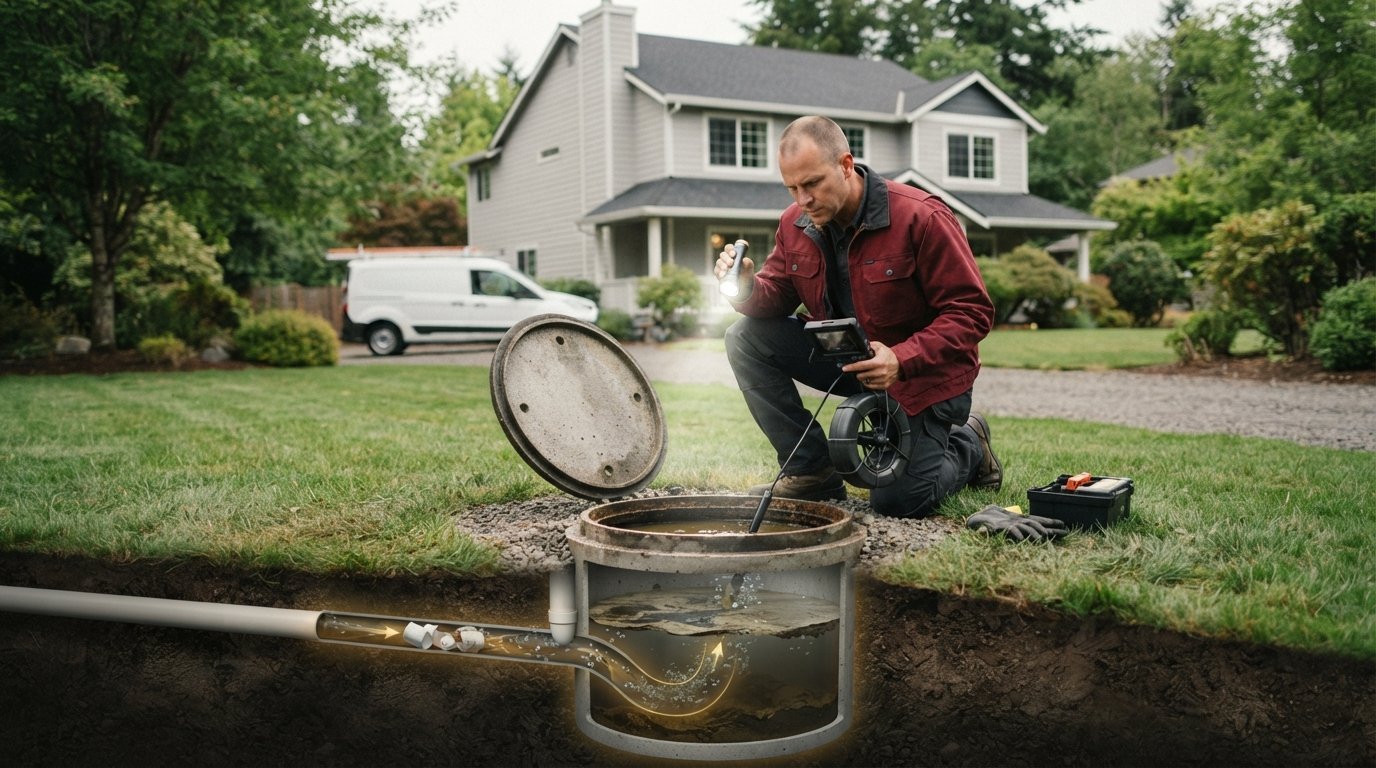
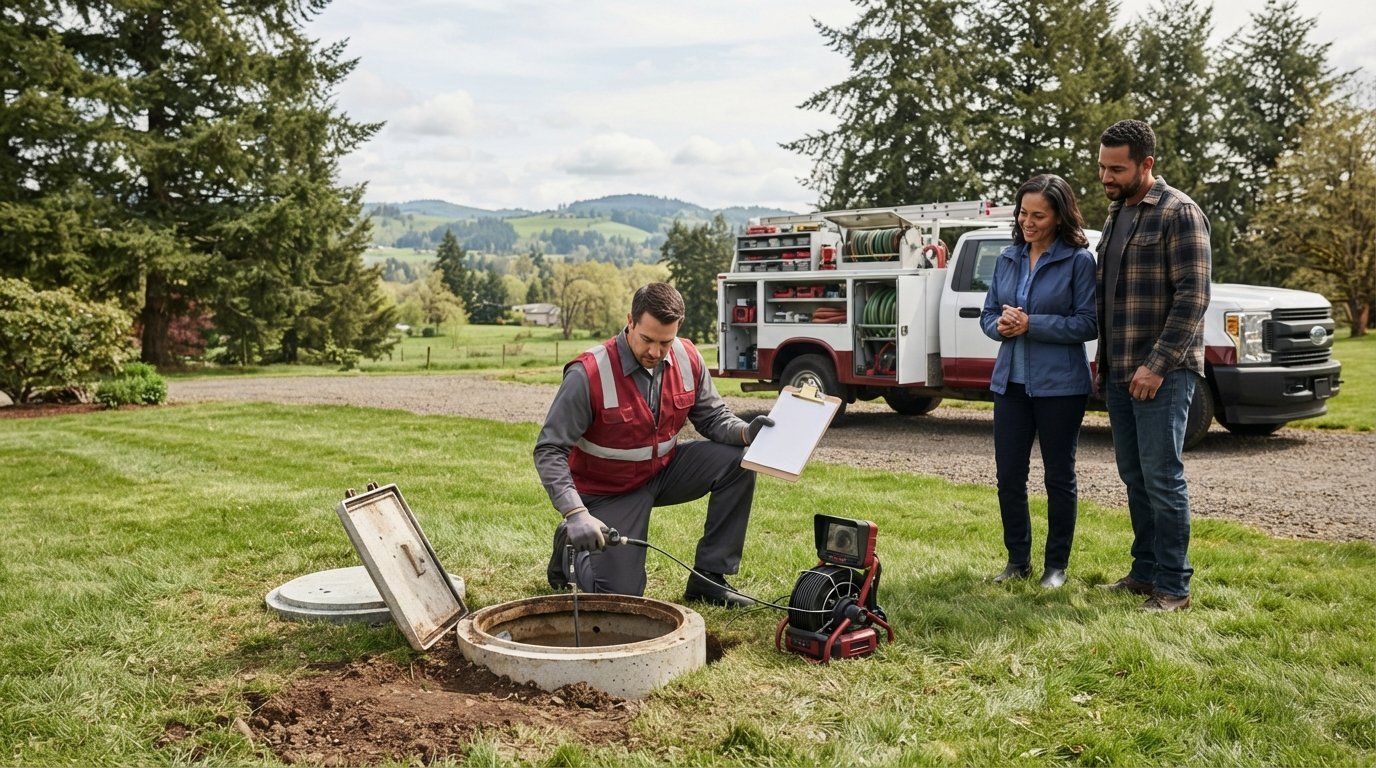
You can’t fix what you haven’t accurately diagnosed. A certified septic inspection is the only way to determine if you’re dealing with a simple pipe blockage or a total biological failure. Professionals use specialized camera equipment to look inside your lines. This technology helps find root intrusions or physical clogs that might be mimicking a failing field. If the pipes are clear but the water isn’t draining, the issue is likely in the soil itself.
In Oregon, the DEQ has specific requirements for drainfield repairs. A certified technician knows these regulations and can ensure your repair plan is compliant. This is especially vital if you plan to sell your home in the future. Don’t let a “quick fix” turn into a legal nightmare or a recurring expense. If you suspect your system is struggling, schedule your diagnostic inspection today to get the straight talk on your system’s health.
How Lil’ Stinky Septic Restores and Protects Your Drainfield
Lil’ Stinky Septic Service has spent over 25 years helping homeowners in Canby and the Portland metro area navigate the stress of a struggling system. We know the local soil conditions and DEQ regulations better than anyone else. When you notice septic drainfield failing signs, you need a partner who offers “straight talk” and transparent solutions rather than corporate ambiguity. Our family-owned business is built on integrity, ensuring you get the exact service you need to protect your property and your wallet.
Our Diagnostic Process
We believe in finding the root cause before we start digging. Our technicians use specialized camera equipment to inspect your lines from the inside out. This allows us to locate specific clogs or root intrusions without turning your entire backyard into a construction site. We provide honest, authoritative assessments. If your system just needs a thorough cleaning, we’ll tell you. If a full replacement is the only safe option, we’ll walk you through the DEQ permitting and engineering process. We handle the technical details so you don’t have to worry about local compliance. If you are seeing septic drainfield failing signs, our diagnostic tools give you the facts you need to make an informed decision.
Preventative Solutions for Long-Term Health
The best way to handle a failure is to prevent it from ever starting. We offer a comprehensive Septic Maintenance Plan designed to keep your system in peak condition. One of our most effective preventative tools is the installation of an effluent filter. This simple component acts as a safety net, catching small solids before they can escape the tank and clog your drainfield lines. It’s a small investment that adds years to your system’s lifespan.
Regular maintenance also includes routine pumping schedules tailored to your specific household size and water usage. If the signs we’ve discussed today turn into a full-blown backup, our 24/7 emergency response team is ready to help at any hour. Choosing a licensed septic contractor ensures that every repair is done correctly the first time. We back up our workmanship with a Best Price Guarantee for major repairs or replacements, giving you the security of expert service at a fair price. Don’t wait for a small soggy spot to become a major crisis. Let us help you keep your system running cleanly and efficiently.
Take Control of Your Septic Health Today
Identifying septic drainfield failing signs early is the best way to prevent a minor issue from turning into a property crisis. Whether you’ve noticed spongy grass in the yard or heard gurgling pipes after a shower, these warnings are your system’s way of asking for help. Our local Oregon rainfall and heavy clay soils put unique pressure on your leach field. By reducing your water load immediately and seeking a professional diagnosis, you can often avoid the massive expense of a full system replacement.
Lil’ Stinky Septic Service is here to provide the straight talk you need. As a licensed Oregon contractor (CCB #189693) with over 25 years of local service, we understand the specific challenges of Portland and Canby properties. We offer 24/7 emergency support to ensure your home remains safe and functional. Get a Professional Drainfield Inspection from Lil’ Stinky Septic Today and gain the peace of mind that comes from expert care. You don’t have to face these system challenges alone; we’re ready to help you protect your home for the long haul.
Frequently Asked Questions
Can a failing septic drainfield be fixed without replacing it?
Yes, it’s sometimes possible to restore a field without a full replacement. If the issue is a biological clog like biomat buildup, techniques such as hydro-jetting or soil aeration can help. However, these methods only work if the pipes are still structurally sound and the soil isn’t permanently saturated. A diagnostic camera inspection is the only way to see if your system is a candidate for restoration or if it requires a new installation.
How much does it cost to replace a septic drainfield in Oregon?
The price of a new drainfield depends on several local factors. Soil composition in Clackamas County, the required system type, and Oregon DEQ permit fees all play a role in the final cost. Conventional gravity systems are generally less expensive than complex ATT systems. We focus on straight talk and provide a best-price guarantee for all major repairs. This ensures you receive a fair, transparent quote tailored to your specific property’s needs.
Will pumping my septic tank fix a failing drainfield?
No, pumping your tank is a vital maintenance step, but it won’t repair a field that’s already reached its limit. Pumping removes solids to prevent future clogs. If you’re already noticing septic drainfield failing signs, the soil’s ability to absorb liquid is likely compromised. Pumping provides temporary relief by creating space in the tank, but the underlying drainage issue will remain. You’ll need a professional assessment to fix the actual failure in the field.
Is it normal for a drainfield to smell like sewage after heavy rain?
While Oregon’s heavy rains can occasionally trap gases near the surface, a persistent sewage smell isn’t normal. Odors after a storm often mean the soil is so saturated that it can’t vent properly or absorb effluent. This hydraulic overloading is a common problem in the Canby area. If the smell lingers or is accompanied by soggy spots, it’s a clear signal that your drainfield is struggling to keep up with the water load.
What is the average lifespan of a septic drainfield in the Portland area?
A typical drainfield lasts 20 to 30 years, though local soil and weather conditions impact this timeline. In the Portland area, heavy clay and high rainfall can put extra stress on the system. Proper care is the deciding factor. Homeowners who follow a routine pumping schedule and protect their leach field from compaction often see their systems last decades. Without maintenance, a system might fail in as little as 10 years.
Can I use septic additives to unclog my drainfield pipes?
You should avoid using additives to fix a clog. Many of these products use harsh chemicals that destroy the healthy bacteria needed for wastewater treatment. Others can actually cause solids to stay suspended in the tank, allowing them to flow into and clog the drainfield pipes even further. Professional drain cleaning and routine maintenance are much safer and more effective ways to ensure your pipes stay clear without risking the biological health of your system.
How do I know if the soggy spot in my yard is a septic leak or a spring?
The most reliable indicator is the smell. Natural springs or groundwater are odorless, while septic effluent has a distinct, unpleasant sewage scent. You should also check the grass. Septic leaks act like fertilizer, creating patches of dark green, lush growth that look out of place. If the spot stays wet during a dry spell in Canby, it’s a strong indicator of septic drainfield failing signs rather than a natural water source.
Does homeowners insurance cover a failing septic drainfield?
Homeowners insurance rarely covers failures caused by age, wear, or lack of maintenance. Coverage is usually limited to sudden, accidental damage from a specific covered peril. Because most drainfield issues develop slowly over time, they are typically considered a maintenance responsibility. It’s a good idea to check if your policy includes a service line endorsement. For most people, the best financial protection is a routine maintenance plan and catching small problems before they escalate.