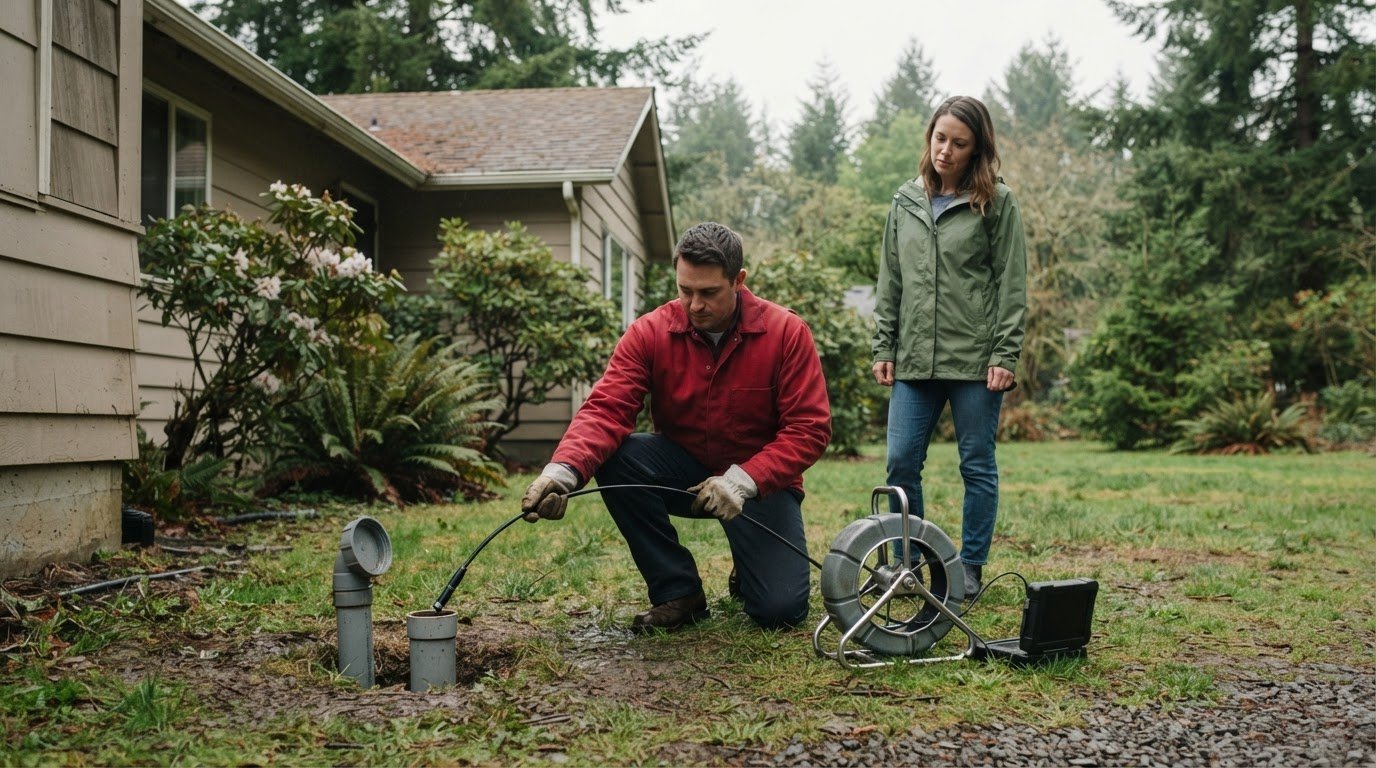
A septic tank inspection camera can show whether an object dropped down a drain is still in an accessible plumbing line, as well as reveal visible clogs or damage. An operator guides the flexible camera through the line to inspect potential blockage points. Seeing an object does not mean the camera can retrieve it.
That distinction matters when you’re buying a home in Canby. A camera inspection shows visible conditions inside accessible pipes, but it is only one part of assessing a septic system. It can help locate a concern, while a broader septic inspection considers more than the pipe interiors. This guide explains how camera inspections work, what they can reveal, and how a flexible cable moves through bends and tight sections. You’ll also learn how camera findings can inform a home purchase and what to consider when an issue appears. Understanding the process helps you plan next steps based on evidence, not appearances alone.
Key Takeaways
- Learn how portable inspection cameras record conditions inside plumbing lines and help pinpoint where a concern appears.
- Use camera findings as one piece of a pre-purchase assessment, including clues about system layout and the distribution box.
- Understand how careful cable handling helps a camera move through bends without forcing it past resistance.
- See when a septic inspection or pumping can be a practical next step after camera findings raise questions about the system.
What is a Septic Camera Inspection and How is it Performed?
A septic camera inspection guides a flexible camera through accessible plumbing lines to view their interiors. The live image can help locate a blockage or drainage concern, but it does not show every part of a septic system.
Camera Equipment Options
Portable sewer and drain inspection cameras use a camera head attached to a flexible cable, with a monitor displaying the pipe interior. Mini drain and sewer cameras can fit narrower plumbing lines, while cable length and head size affect which sections the camera can reach. A listed sewer camera has a 165-foot cable and a 512Hz locator. These are examples, not universal specifications; the camera must suit the line being inspected.
Clog and Drainage Assessment
The inspector feeds the camera through an accessible line and watches for changes in the image, such as an obstruction or damaged pipe. If a dropped object is visible and within reach, the footage can help pinpoint its location, but the camera does not retrieve it. To assess drainage, the inspector follows the line toward the tank and looks for visible conditions that could restrict flow. Camera footage shows the pipe interior, not the tank’s full condition.
Camera inspection versus pumping: A camera shows the inside of reachable plumbing lines; pumping removes waste from the tank. A broader septic inspection assesses more of the system than camera footage alone.
Are inspections required? Requirements depend on the project and applicable local rules. Don’t assume a camera inspection is automatically required for every Canby home purchase.
How much does the camera cost? Equipment cost depends on factors such as cable length, screen, recording, and locating features. Inspection-service pricing depends on access and scope. Request a quote to get pricing for the work.
What safety precautions matter? Keep people clear of an open access point, and leave tank access and camera handling to the inspector. Never enter a septic tank during an inspection.
How can you find a licensed inspector near Canby? Choose a local septic inspector with the appropriate license and who can explain the access point, lines viewed, and findings documented. This helps you understand what the camera inspection does and does not cover.
Assessing a septic system before buying real estate
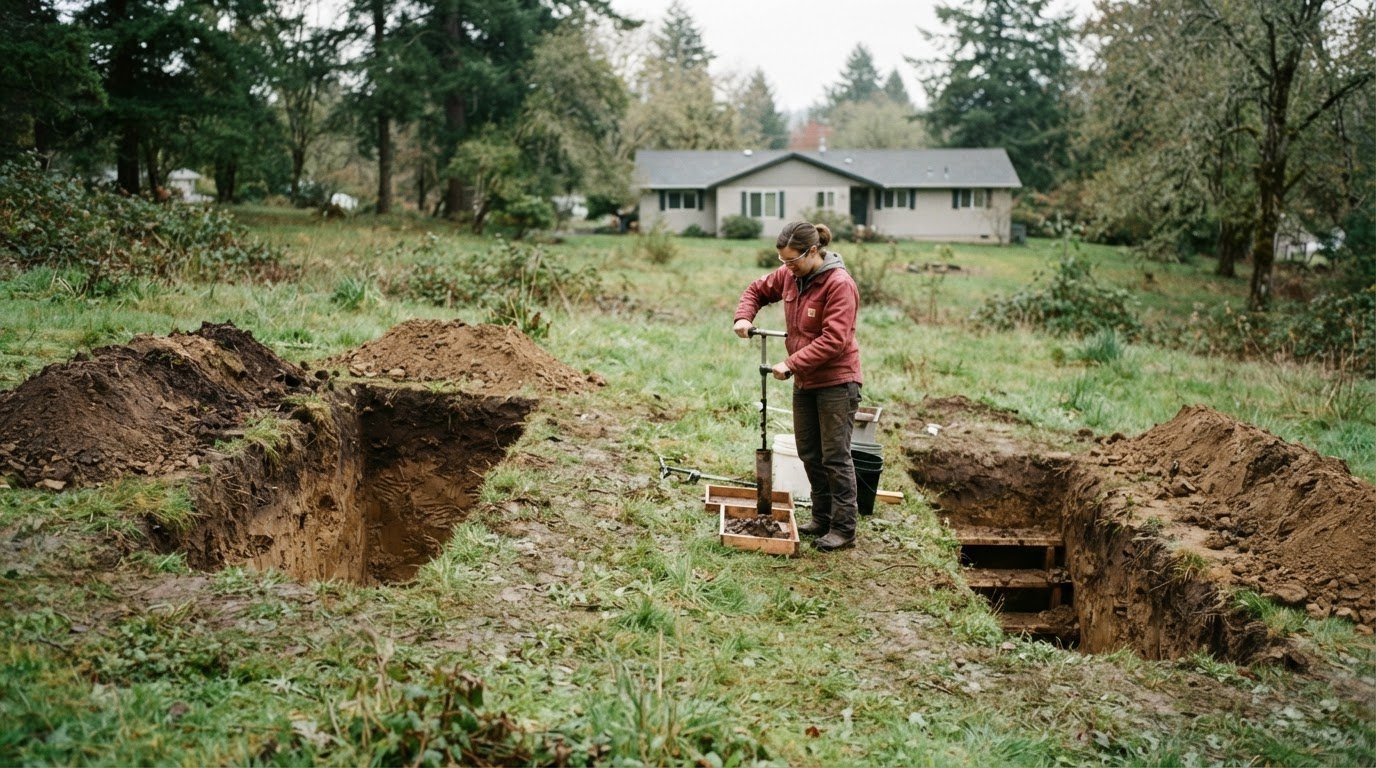
A camera inspection can add useful evidence to a home purchase assessment in Canby. It can show visible conditions inside accessible pipes and help describe the septic system’s location, size, and apparent quality. Treat the footage as one part of the picture, not a full assessment of every component. A clear pipe view does not establish the condition of buried areas the camera cannot reach.
Start by relating the camera findings to the property’s system layout. The recording can help identify which line was inspected and where a visible concern appears. That context is useful if a buyer needs to determine whether a blockage is near the home or farther along the route toward the tank. Ask for findings that distinguish what the camera shows from conclusions about areas outside its view.
The distribution box also deserves attention in a broader assessment. It directs wastewater through the system’s trenches, so a malfunction can overload parts of the drain field, contribute to clogs, and lead to poor drainage. A camera may identify a concern in an accessible line, but it cannot establish by itself whether the distribution box is working properly. Findings should clarify which components were viewed and which were assessed by other means.
Use the results to frame practical purchase decisions. A visible obstruction, drainage concern, or unclear system layout can point to follow-up questions about condition and maintenance. Compare the recorded observations with the broader septic inspection findings, rather than treating a single image as a pass-or-fail verdict. For Canby buyers, a septic inspection can put camera observations in context with the rest of the system. That distinction helps buyers understand what the footage supports and what remains outside its scope.
Cable handling through tight pipe bends
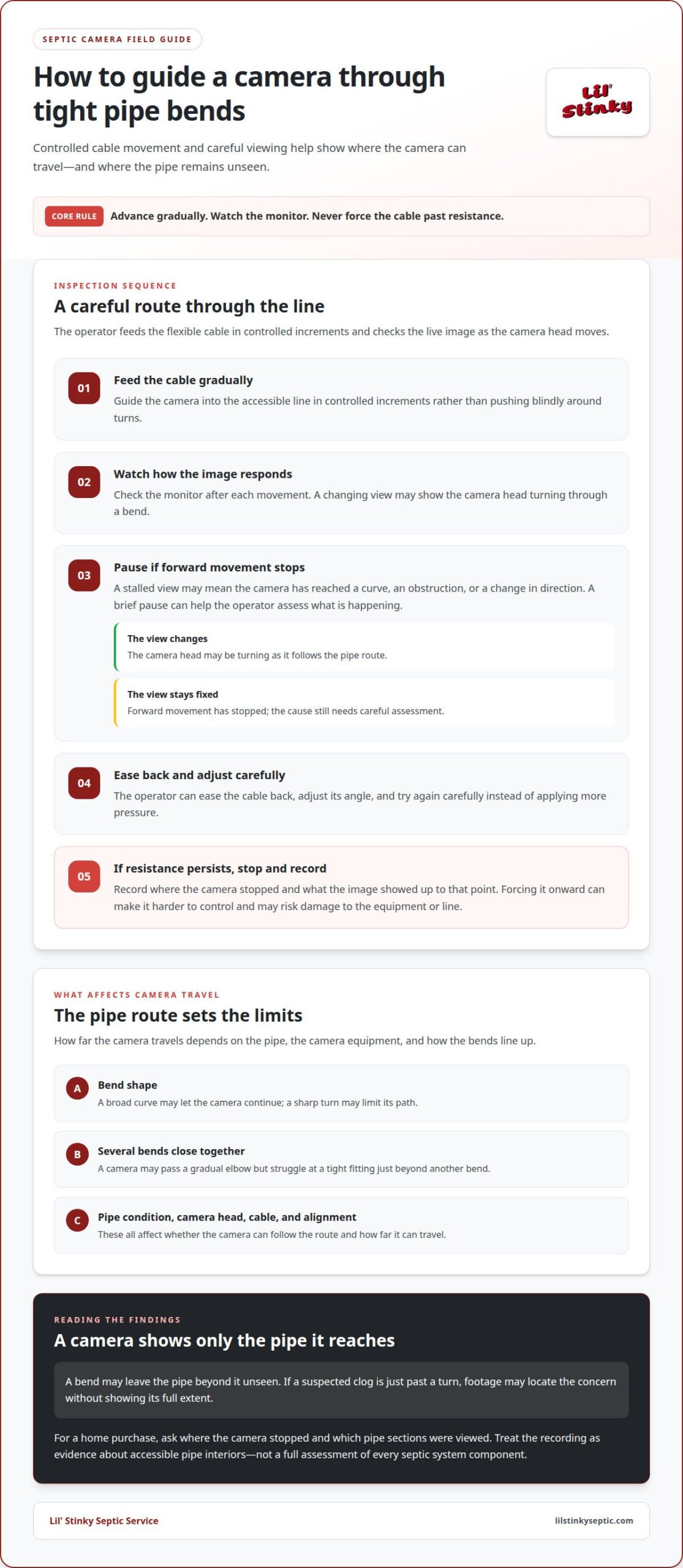
A flexible camera cable must follow the pipe’s route without being forced around every turn. At a tight bend, the operator advances gradually and watches the monitor to see how the camera head moves. If the image stops progressing, the camera may have reached a curve, obstruction, or change in direction. Applying more pressure can make the camera harder to control and may risk damaging the equipment or line.
Pipe geometry affects how far a camera can travel. A broad curve may let the camera head continue, while a sharp turn or several bends close together can limit its path. For example, the camera may pass through a gradual elbow but struggle at a tight fitting just beyond another bend. How far it travels depends on the pipe’s condition, the camera head and cable, and the alignment of the turns.
During an inspection, the operator feeds the cable in controlled increments and checks the live image after each movement. Pausing briefly can help distinguish a bend from a blockage: the view may change as the camera head turns, or stay fixed when forward movement stops. The operator can ease back, adjust the cable angle, and try again carefully instead of pushing blindly. If resistance persists, recording where the camera stopped is more useful than forcing it onward.
A septic tank inspection camera shows only the pipe section it reaches, so a bend may leave the pipe beyond it unseen. The recording should describe where the camera stopped and what the image showed up to that point. If a suspected clog is just beyond a turn, the footage may locate it without showing its full extent. This distinction helps keep the findings precise.
For home buyers, ask how the inspection addressed restricted access and which pipe sections were visible. A clear record separates observed conditions from areas the camera could not reach. This makes it easier to interpret the inspection alongside other findings, especially when a tight bend limits the view toward the tank or distribution components.
Benefits of septic camera inspections
A camera adds visual evidence to a septic assessment, rather than relying only on symptoms such as slow drains. For a Canby home, footage may show a blockage or visible pipe damage along the route inspected. This can help distinguish a concern in an accessible line from an issue that needs assessment elsewhere in the system. The main benefit is a clearer starting point for decisions.
Recorded observations can make follow-up more focused. If the image shows an obstruction at a particular point, the inspector can explain where it appeared and what the camera showed around it. The limit of the view matters too: if it ends at a tight bend, buyers should know that. This helps separate visible findings from assumptions about areas beyond the camera’s reach.
Clear findings support a more useful discussion about next steps. For example, a visible blockage may call for attention to the affected line, while poor drainage may warrant considering other system components. A septic camera inspection does not establish the condition of every buried part, so combine its findings with a broader septic assessment. This avoids treating one image as a complete pass-or-fail result.
For a prospective buyer, footage can help frame questions about the system layout and apparent condition. A recording that identifies the inspected line and where the camera stopped is more useful than a general statement that the pipes look clear. If a concern involves the distribution box or drain field, the camera view alone cannot confirm its condition. The broader assessment needs to address those components.
Use the inspection to make decisions based on what was observed, what remains out of view, and which finding needs attention first. If you’re assessing a home in Canby, arrange a septic inspection to put camera observations in context with the system as a whole. That gives you a practical basis for discussing maintenance or further evaluation before purchase.
Lil’ Stinky Septic Service: Septic Tank Pumping
Lil’ Stinky Septic Service can help when camera findings raise questions about a system’s condition. A septic inspection puts visible pipe observations in context, while septic tank pumping addresses a tank that needs service. These are different tasks: camera footage shows accessible pipe interiors, and pumping removes accumulated tank contents.
For a home purchase, use the inspection findings to clarify whether a concern relates to the pipes, tank, or another system component. If the assessment indicates that the system needs replacement, septic installation may also be relevant. Choose the service that fits the issue identified, rather than treating every camera finding as a reason to pump the tank.
Contact Lil’ Stinky Septic Service to discuss your septic system concerns and next steps.
Turn inspection findings into a confident next step
Before deciding on a Canby property, use the inspection record to guide a clear conversation about the home’s septic system. A septic tank inspection camera provides visual evidence from the pipe sections it reaches, while a purchase decision should account for the full assessment and any issues it identifies. Keep the findings with your other property documents so you can refer to specific observations as you plan.
If those findings point to more work, match the next step to the need: a septic inspection for broader system information, pumping when the tank needs service, or installation when replacement is called for. Lil’ Stinky Septic Service can help with these septic needs. For a straightforward conversation about what comes next, contact Lil’ Stinky Septic Service. A clear plan can help you move forward with greater confidence in your home purchase.
Frequently Asked Questions
Can the camera find something I dropped down the drain?
A camera can show an object if it reaches the pipe section where the object rests and the image makes it visible. For example, a small item may appear on the monitor in an accessible line. The camera is an inspection tool, not a retrieval device. Footage can help locate the object and show whether it appears to obstruct flow, but it cannot establish conditions beyond the camera’s view.
How Far Can a Sewer Camera Go?
Reach depends on the camera cable and the pipe route, so there’s no single distance for every inspection. One listed sewer camera has a 165-foot cable, but that specification doesn’t mean every line can be inspected for that distance. Bends, access points, and obstructions can limit travel. The useful question is which sections the camera actually reached and where its view stopped.
How long does an inspection take?
Inspection time varies with access and the route being examined. A straightforward line with an accessible entry point takes less setup than a route with several turns or an obstruction that needs careful assessment. The operator also needs time to identify the inspected section and document the findings clearly. For a home purchase, allow time to discuss what the recording covers and what it leaves unresolved.
What Problems Can a Camera Inspection Uncover?
A camera may reveal a visible blockage, obstruction, or damage inside the pipe section it reaches. It can also show where flow appears restricted, which may help explain slow drainage. For example, an object caught in a line may be visible before the route reaches the tank. Footage does not assess every buried component, so consider it alongside findings about the rest of the septic system.
What is a septic tank inspection camera and how does it work?
A septic tank inspection camera is a camera attached to a flexible cable that sends images from inside accessible plumbing lines to a monitor. The operator guides it through an entry point and watches the live view while advancing the cable. The screen shows visible conditions along the route. The camera inspects pipe interiors; it does not provide a complete view of the tank or every part of the system.
What types of cameras are used to inspect septic tanks and sewer lines?
Portable sewer and drain cameras use a flexible cable and camera head, while mini drain and sewer cameras are designed for narrower lines. Equipment varies in cable length, camera-head size, and features such as recording or locating tools. The right type depends on the pipe and the available access. A camera’s specifications describe its capabilities, but bends and obstacles still affect how far it can travel.