Poor soil drainage is one of the most frustrating obstacles a homeowner or builder can face, and it affects far more than just a muddy yard. When water sits in the ground instead of moving through it, it can compromise foundations, kill landscaping, and — critically — make standard septic systems fail or become impossible to install.
The good news is that poor drainage, even in clay-heavy or high water table conditions, is a solvable problem when you understand what’s causing it and which systems are built to work within those limitations. We’ll walk through the most common drainage problems, how to troubleshoot them, and why some properties need more than conventional fixes.
We’ll also cover ATT systems — Advanced Treatment Technology — which have become a practical solution for properties where the soil simply won’t support a traditional septic setup. Whether you’re dealing with a failed perc test, a small lot, or soil that holds water like a sponge, understanding your options is the first step toward a real fix.
Troubleshooting Poor Soil Drainage
Poor drainage can prevent a septic system from functioning, cause standing water in your yard, and make a property unbuildable without intervention. Identifying the source of the problem early and applying the right fix saves time, money, and frustration.
Recognizing Signs of Improper Drainage
Some drainage problems are obvious. Others take time to notice.
Common warning signs include:
- Standing water or soggy ground that persists 24–48 hours after rain
- Grass that stays wet or develops patches of moss and algae
- Sewage odors near a drain field or yard surface
- Slow-draining fixtures inside the home
- Soil that feels spongy underfoot during dry periods
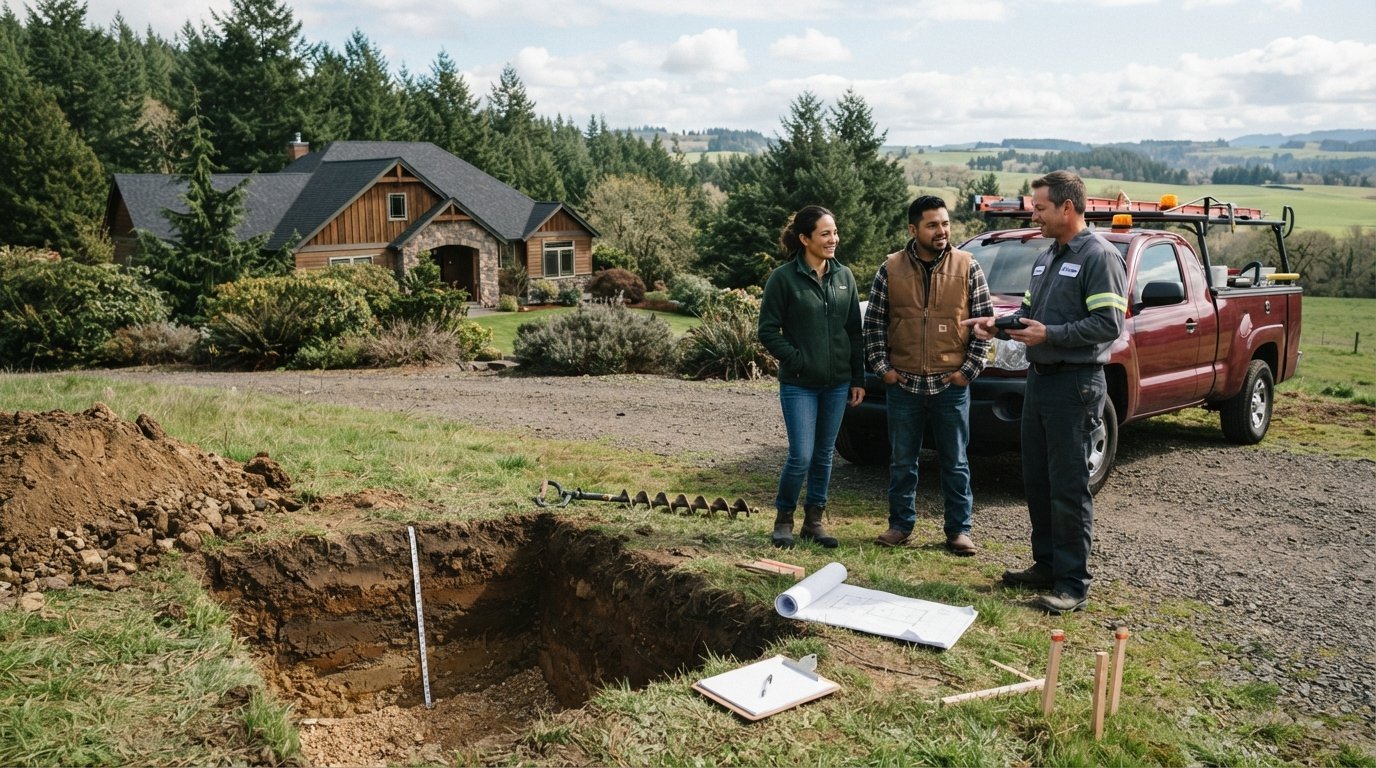
A failed percolation test is one of the clearest indicators. If water dropped into a test hole doesn’t absorb within a regulated time frame, the soil lacks the drainage capacity required for a conventional septic system.
Key Causes of Drainage Challenges
The cause determines the solution, so accurate diagnosis matters.
| Cause | What It Means |
| Clay-heavy soil | Water moves slowly or not at all through tight clay particles |
| High water table | Groundwater sits too close to the surface, blocking absorption |
| Compacted soil | Heavy equipment or foot traffic reduces pore space in the soil |
| Hardpan layers | Dense subsurface layers block downward water movement |
| Poor site grading | Water flows toward the home or drain field instead of away |
Clay soil is the most common culprit we encounter. It holds moisture tightly and drains too slowly to meet septic or landscaping needs.
Practical Solutions for Improving Drainage
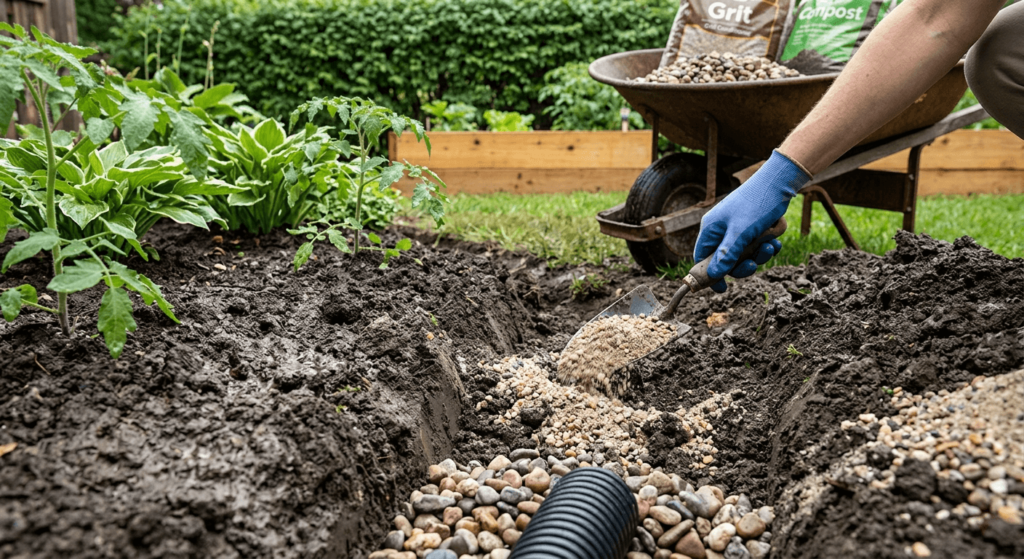
The right solution depends on the severity and cause.
For mild to moderate drainage issues:
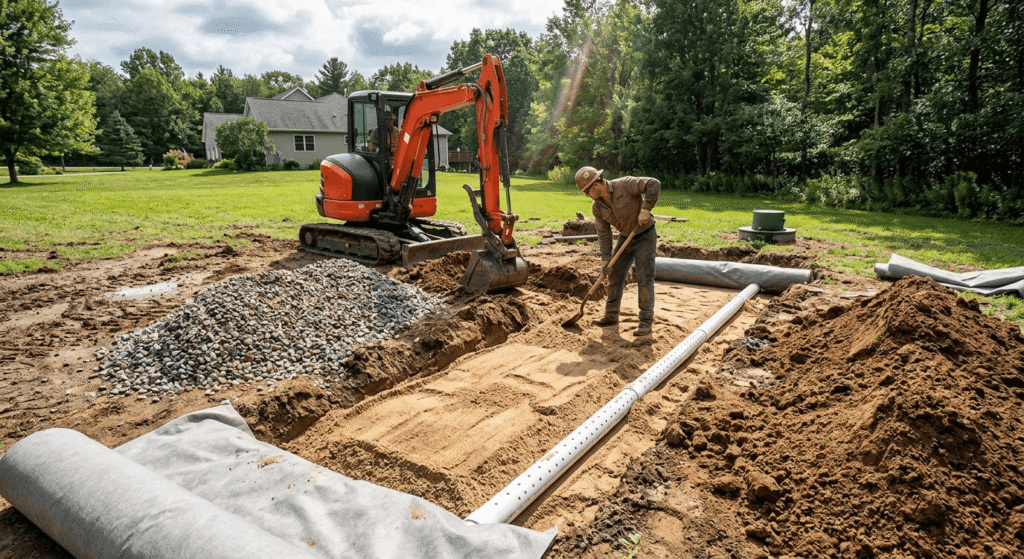
- French drains redirect surface and subsurface water away from problem areas
- Soil amendment with sand or organic matter can improve absorption in non-septic landscaping situations
- Regrading the yard corrects slope problems and redirects water flow
- Catch basins collect and redirect surface runoff
For septic-related drainage failures, surface-level fixes rarely solve the underlying problem. A site with clay soil or a high water table will still fail a perc test regardless of how the yard is graded.
When Soil Problems Require Professional Help
Not every drainage problem can be solved with a shovel and some gravel. We recommend consulting a licensed site evaluator or septic engineer when:
- A perc test has failed once or repeatedly
- Standing water appears within 18 inches of the proposed drain field depth
- The lot is under one acre with restricted soil conditions
- The property has an existing system showing signs of failure
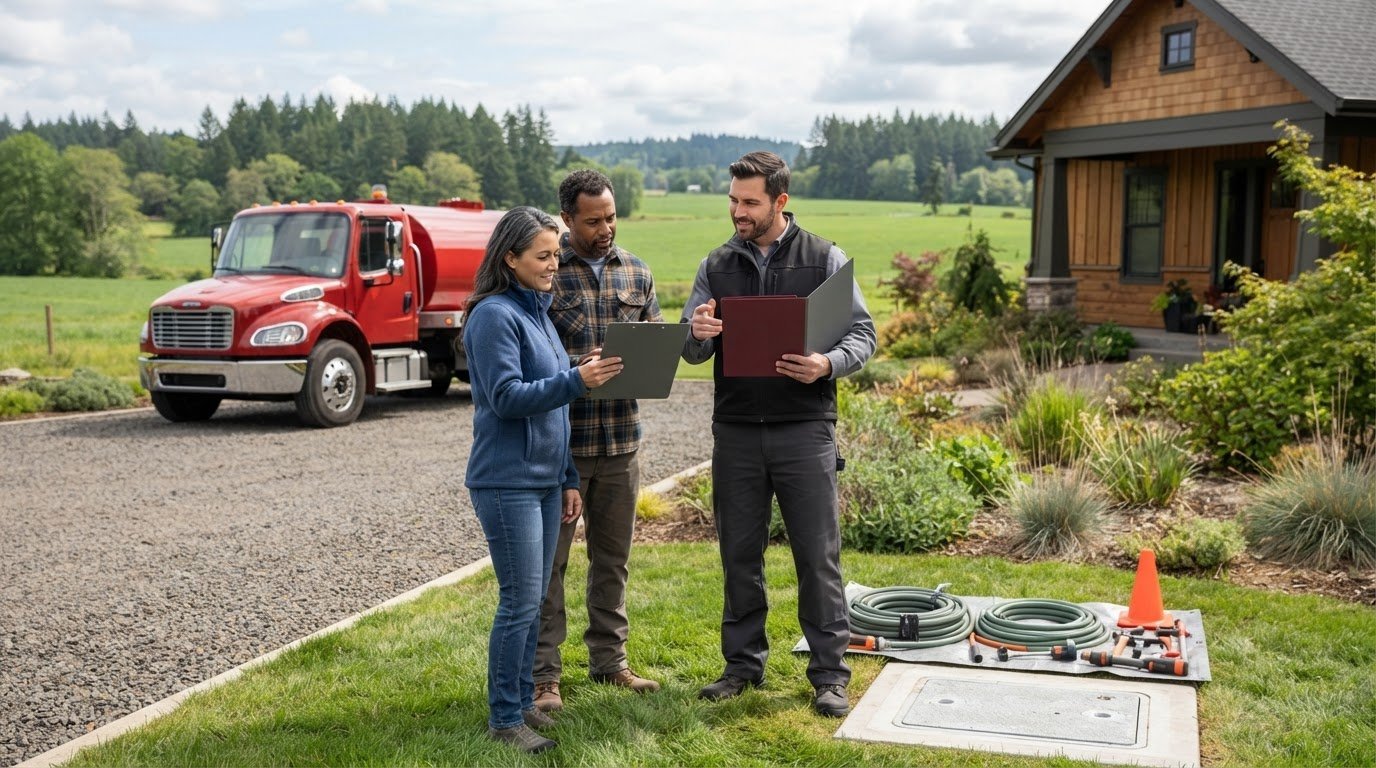
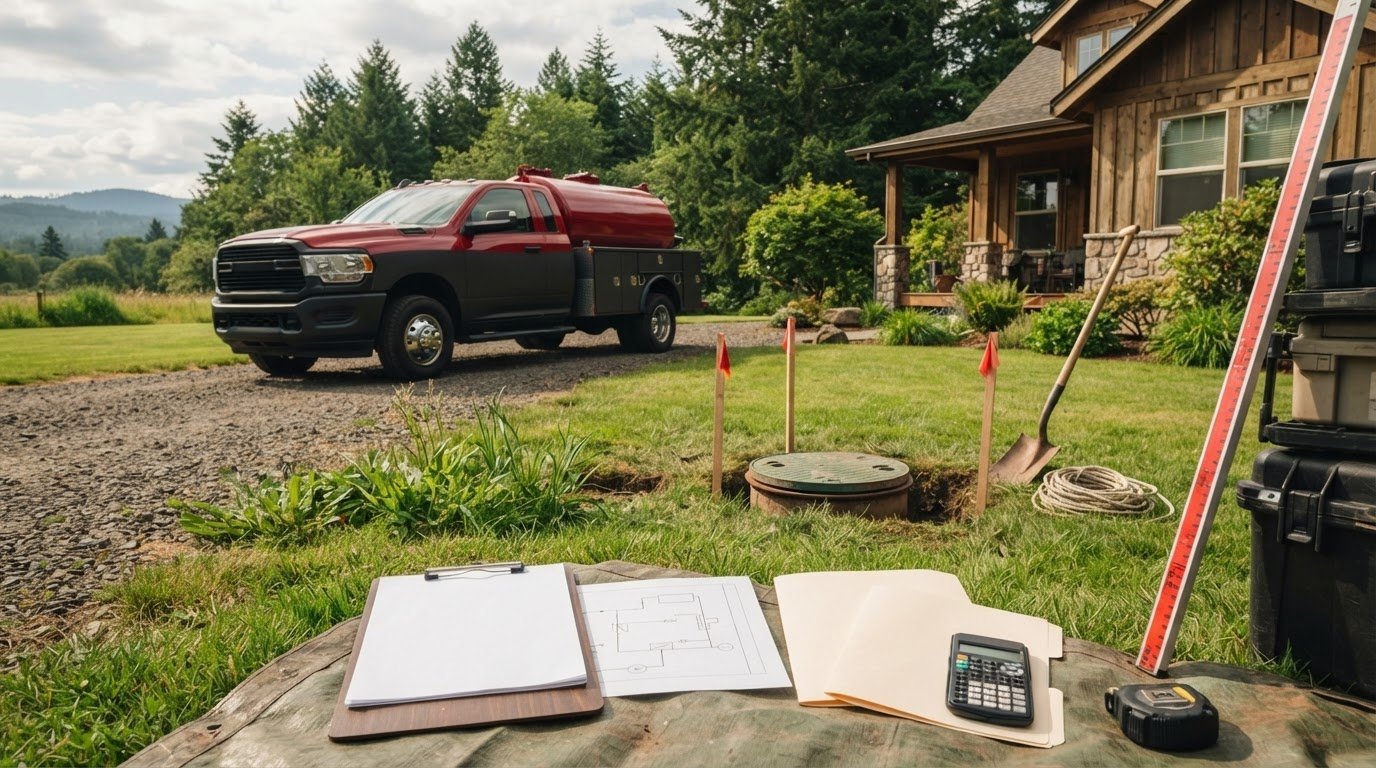
A professional can conduct a full soil profile analysis and recommend solutions that meet local health department standards. Skipping this step risks installing a system that fails inspection or damages groundwater.
How ATT Systems Solve Drainage and Septic Problems
When soil won’t drain, conventional septic systems stop being a viable option. ATT systems are specifically engineered to treat and disperse wastewater in conditions where standard systems fail, including clay-heavy soil, high water tables, and sites that have failed a perc test.
Understanding Advanced Treatment Technology Systems
ATT systems, or Advanced Treatment Technology systems, are wastewater treatment systems that process effluent to a significantly higher standard than conventional septic tanks before it ever reaches the soil.
A standard septic system discharges partially treated wastewater into a drain field, relying on the soil to filter out remaining contaminants. ATT systems handle the heavy lifting before dispersal. They use multi-stage treatment processes — including aerobic digestion, filtration, and in some cases UV disinfection — to produce effluent that is cleaner and safer for the surrounding environment.
Because the output is more thoroughly treated, ATT systems can legally and safely operate on lots where conventional systems cannot
Why ATT Systems Succeed Where Conventional Septics Fail
Conventional septic systems depend entirely on soil permeability. When soil drains too slowly — as is common with clay, compacted fill, or high water table conditions — untreated effluent backs up, pools, or contaminates groundwater.
ATT systems remove that dependency. By treating wastewater to a near-potable standard before it reaches the drain field, they reduce the volume and contamination load that the soil must handle. This means:
- Less strain on the drain field — treated effluent spreads more evenly and absorbs more reliably
- Smaller dispersal area required — useful on lots where space is limited
- Regulatory compliance — many jurisdictions require ATT systems when perc tests fail or soil conditions are poor
The soil no longer needs to compensate for poor treatment. The system already did that work.
ATT System Benefits for Poorly Draining Soil
| Benefit | Why It Matters for Poor Drainage |
| High-quality effluent output | Reduces clogging in slow-draining soils |
| Smaller drain field footprint | Works on smaller or more restrictive lots |
| Reduced groundwater contamination risk | Critical near wells or wetlands |
| Compatible with drip irrigation dispersal | Bypasses soil absorption limitations entirely |
| Meets strict health code requirements | Allows building where conventional permits are denied |
Drip irrigation dispersal is worth highlighting. Some ATT systems disperse treated effluent through a subsurface drip network, which distributes the water slowly and evenly across a wider area. This method works even in soils with very low permeability.
Real-World Example: Overcoming a Failed Perc Test with ATT
A homeowner purchases a rural lot with one acre of land. The perc test comes back with a rate of 90 minutes per inch — far too slow for a conventional drain field, which typically requires 60 minutes per inch or faster.
The building permit is denied. Without a septic solution, the lot is unbuildable.
An ATT system with drip dispersal is installed instead. Because the system produces Class I or Class II effluent — depending on the specific technology used — the state health department approves an alternative dispersal permit. Construction proceeds.
This is not an unusual outcome. Many properties that fail standard perc requirements are approved for development once an ATT system is specified. The key is working with a licensed designer who can match the right ATT technology to your soil conditions and local regulations.
Frequently Asked Questions
Poor yard drainage, slow-draining soils, failed perc tests, and overloaded drainfields are among the most common and frustrating property challenges homeowners face. Understanding what causes these problems — and what solutions actually exist — makes it easier to take the right corrective steps.
What are the most common causes of poor yard drainage around a home, and how can you tell which one you have?
The most frequent causes include heavy clay soil, compacted ground from foot traffic or construction equipment, low-lying yard grades that collect water, and blocked or undersized storm drains. Each one behaves differently, so we can usually narrow down the cause through observation.
Clay soil tends to stay wet for days after rain and feels sticky or slick underfoot. Compacted soil often shows bare patches where grass struggles to grow. If water pools in the same low spot every time it rains, a grading issue is likely the culprit. A clogged drain will typically cause localized flooding near a specific outlet or downspout.
We can do a basic field test by digging a 12-inch hole, filling it with water, and timing how long it takes to drain. If it takes more than four hours to drain completely, soil permeability is a confirmed issue.
How can you distinguish between temporary waterlogging after heavy rain and a long-term drainage problem that needs correction?
Temporary waterlogging clears within 24 to 48 hours after a heavy storm, leaves no lingering odor, and doesn’t repeat on a predictable basis. Long-term drainage problems tend to show up after moderate rain, take three or more days to fully drain, and often leave behind dead grass patches, moss growth, or soil erosion patterns.
We also look for secondary indicators like efflorescence on basement walls, foundation dampness, or recurring mold near ground-level windows. These signs suggest that water is consistently saturating the soil rather than passing through it.
If the same area stays wet through multiple dry periods between rain events, that rules out a temporary situation and confirms a structural drainage issue worth correcting.
Which practical steps can improve drainage in heavy clay soils without creating runoff issues for neighboring properties?
We generally recommend starting with French drains, which are gravel-filled trenches containing a perforated pipe that redirects subsurface water to a controlled outlet. The outlet point matters — it should discharge to a dry well, a swale, or a storm drain, not toward a neighbor’s yard.
Adding organic matter like compost to clay soil improves its structure over time and increases its ability to absorb water. This is a slower fix, typically showing improvement after two to three growing seasons, but it doesn’t create new runoff.
Raised garden beds and bioswales are two more practical options. Bioswales are shallow, vegetated channels that slow and filter water while directing it away from problem areas. Both approaches work with the existing landscape rather than fighting it.
We always recommend checking local municipal codes before redirecting drainage. Many jurisdictions prohibit channeling additional runoff onto adjacent properties or into storm drains without a permit.
When does a drainage problem indicate a failing or overloaded septic drainfield, and what warning signs should you watch for?
A saturated drainfield produces very specific warning signs that differ from general yard drainage issues. The most telling signs include sewage odors in the yard, wet or spongy ground directly above the drainfield area, and sewage backups inside the home.
Slow-draining toilets and sinks that worsen over time — especially when combined with wet spots in the yard — suggest the drainfield is no longer absorbing effluent at the rate it’s being produced. This is different from a clogged pipe and usually indicates soil biomat buildup or hydraulic overload.
We also watch for unusually lush, green grass growing over the drainfield. It sounds positive, but it typically means untreated effluent is surfacing and fertilizing the grass rather than being properly processed underground.
If any of these signs appear together, we recommend contacting a licensed septic professional promptly. Continuing to use a failing system risks groundwater contamination and can worsen the soil conditions around the drainfield permanently.
What does it mean to fail a percolation test, and what options are typically available for building or repairing a system afterward?
A percolation test measures how quickly water moves through soil at a specific depth. Failing the test means the soil absorbs water too slowly — typically less than one inch per hour — to support a conventional septic drainfield. This result doesn’t mean the land is unbuildable; it means a standard system won’t work there.
The most common options after a failed perc test include:
- Mound systems, which elevate the drainfield above the natural soil surface using imported fill material
- Drip irrigation systems, which distribute effluent slowly through pressurized tubing at shallow depths
- Advanced Treatment Technology (ATT) systems, which pre-treat wastewater to a higher standard before dispersing it, reducing the demand placed on poorly draining soil
- Holding tanks, which are a last resort and require regular pump-outs since they store waste rather than treat it
We recommend discussing all options with a certified septic designer and your local health department. Site-specific factors like lot size, setback requirements, and proximity to water sources all affect which alternatives are actually permitted.
How do Advanced Treatment Technology (ATT) systems handle challenging site conditions like high water tables, tight lots, or slow-draining soils compared with conventional septic systems?
Conventional septic systems rely entirely on the native soil to treat and absorb wastewater. When that soil is clay-heavy, saturated, or within a few feet of the water table, a conventional system simply doesn’t have enough treatment capacity to function safely. ATT systems solve this by treating wastewater before it reaches the soil.
An ATT system uses mechanical and biological treatment processes — such as aerobic digestion, textile filters, or UV disinfection — to remove pathogens and reduce nutrient levels in the effluent before dispersal. The treated output is significantly cleaner than what a conventional system produces, which means it places far less stress on whatever soil or dispersal area is available.