What if a single piece of paper could stop your home sale in its tracks just days before closing? It’s a scenario that keeps many sellers awake at night when they realize they need a septic inspection for home sale Oregon compliance. You’ve found a buyer and packed your boxes, only to find that the lender requires a professional sign-off on your drainfield. Selling a property is stressful enough without the mystery of what’s happening underground.
We know you want a smooth transaction without surprise repair bills or missed deadlines. This guide provides everything you need to know about DEQ requirements, including the latest standards for 2026. You’ll learn exactly what inspectors look for during an Existing System Evaluation, how to navigate the new fee structures in Multnomah County, and the steps to ensure your system is ready for a professional inspection. We’re here to help you clear this hurdle so you can hand over the keys with total confidence and peace of mind.
Key Takeaways
- Understand why a standard pumping receipt isn’t enough and how the DEQ Existing System Evaluation Report (ESER) protects your property transfer.
- Learn the specific requirements for a septic inspection for home sale Oregon lenders and buyers demand to ensure a smooth closing.
- Discover how uncovering your tank lids and installing risers can save you money and speed up the inspection process.
- Identify the difference between minor repairs and system failures to prepare for potential inspection outcomes without the stress.
- Get 24/7 emergency support and expert guidance from a specialist who has served the Portland area for over 25 years.
Why Oregon Law Requires a Septic Inspection for Home Sales
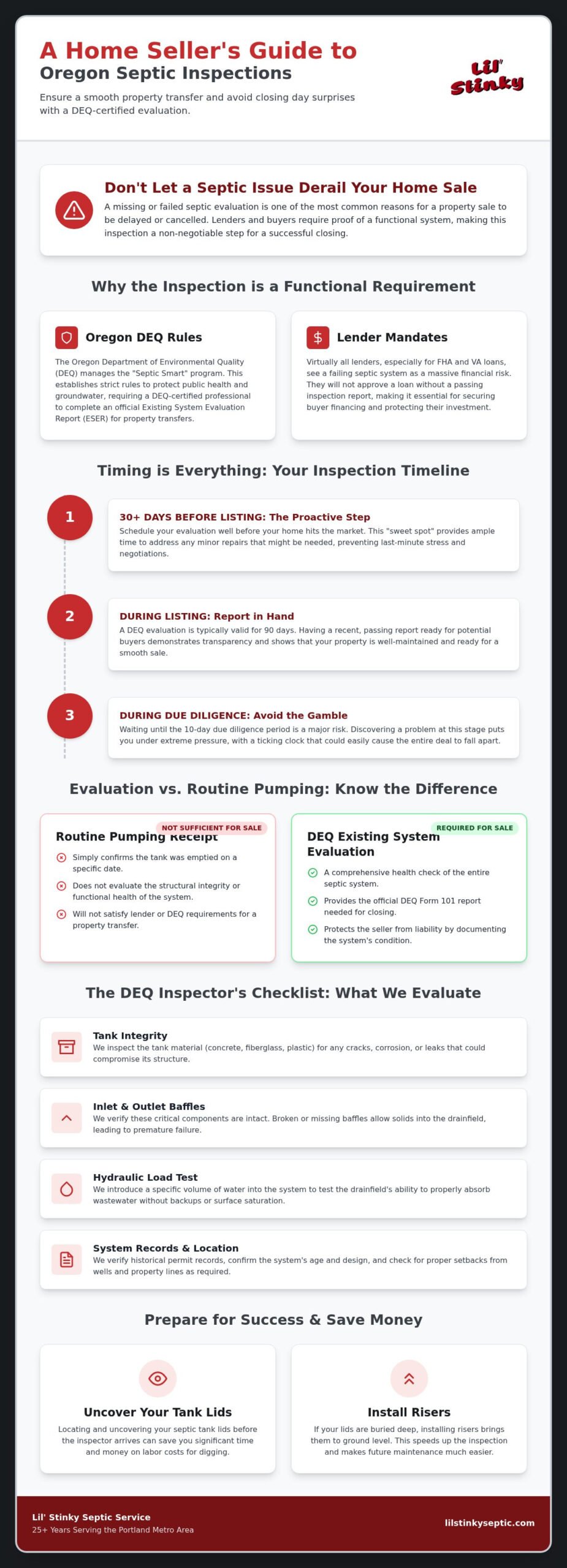
While Oregon doesn’t have a single statewide law mandating a septic inspection for home sale Oregon transactions, the regulatory environment makes it a functional requirement for almost every property transfer. The Oregon Department of Environmental Quality (DEQ) manages the “Septic Smart” program, which establishes the strict rules for how onsite systems must be evaluated. This program ensures that wastewater is treated safely to protect our local groundwater and public health. Because Oregon has high environmental standards, a DIY inspection is impossible. You must hire a DEQ-certified inspector to complete the official Existing System Evaluation Report Form.
A certified inspection serves as a vital layer of protection for the seller. If a system fails shortly after the new owners move in, having a documented “pass” from a certified professional is your best defense against future liability claims. It proves you disclosed the system’s condition in good faith. Understanding how a septic system works is helpful, but the DEQ wants technical proof that your specific tank and drainfield are functioning as designed before the title changes hands.
The Legal Requirement vs. Lender Mandates
Even if your specific county doesn’t require a report, your buyer’s bank almost certainly will. Lenders want to protect their investment. They see a failing septic system as a massive financial risk that could lead to foreclosure if the buyer can’t afford the repairs. FHA and VA loans are particularly rigorous in the Portland metro area. These government-backed loans often require the inspector to verify that the system is not only working but also meets specific setback requirements from wells and property lines. If the inspection report shows any signs of stress, the appraiser may flag the property. This can stall your funding until repairs are made or a holdback agreement is reached.
Timing Your Inspection for a Smooth Closing
Timing is everything in a real estate transaction. We recommend scheduling your evaluation about 30 days before you list the home. This “sweet spot” gives you enough time to handle minor repairs, like replacing a broken baffle or installing a missing lid, before buyers start touring the property. In Oregon, a DEQ Existing System Evaluation is generally considered valid for 90 days. Waiting until you are already in the 10-day due diligence period is a gamble. After 25 years of local service, we’ve seen too many sales fall apart because of a late inspection. If the inspector finds a problem, you’ll be scrambling to find a contractor while your closing clock is ticking. Being proactive shows buyers you’ve maintained the home well and helps prevent last-minute stress.
DEQ Existing System Evaluation vs. Routine Maintenance
Many homeowners believe a simple pumping receipt is enough to close a real estate deal. It isn’t. While regular maintenance is vital for the life of your system, a property transfer requires a specific document called an Existing System Evaluation Report (ESER). This is a comprehensive health check that goes far beyond just emptying the tank. Following Oregon DEQ recommendations, this report proves to the buyer and the lender that the entire system is functioning correctly, not just that it was recently cleaned.
When you schedule a septic inspection for home sale Oregon requirements, you’re asking for a structural and functional audit. A routine pump-out only tells you the tank was full. An evaluation tells you if the tank is leaking, if the baffles are missing, or if the drainfield is on the verge of failure. At Lil’ Stinky Septic Service, we often combine these services to save you money. We pump the tank so we can actually see the interior walls and floor, providing a complete picture that satisfies both state forms and picky buyers.
What a Certified Inspector Looks For
A certified inspector doesn’t just glance at the surface. We verify the tank material, whether it’s concrete, plastic, or fiberglass, and check for cracks or signs of corrosion. We also examine the inlet and outlet baffles. These components are critical because they prevent solids from entering your drainfield and causing a backup. Finally, we perform a hydraulic load test. We introduce a specific volume of water into the system to see how the drainfield handles the flow. If the water backs up or the ground becomes saturated, it’s a sign of trouble that needs immediate attention before the sale can proceed.
Documentation and DEQ Form 101
The state of Oregon uses specific forms for these evaluations to ensure consistency across all counties. We walk you through every line of the report, ensuring all data matches the current DEQ standards for 2026. This process includes finding historical permit records to verify the system’s age and design capacity. We also create a clear site map for the property. This map is a valuable tool for the new homeowner, showing them exactly where the lids and drainfield lines are located. It prevents them from accidentally building a deck or parking a heavy vehicle over the system in the future. Having this paperwork ready and accurate can prevent major delays during the escrow process. If you’re feeling overwhelmed by the technical requirements, our team at Lil’ Stinky Septic Service can help you schedule a certified evaluation that covers all the regulatory bases at once.
The Inspection Process: From Tank to Drainfield
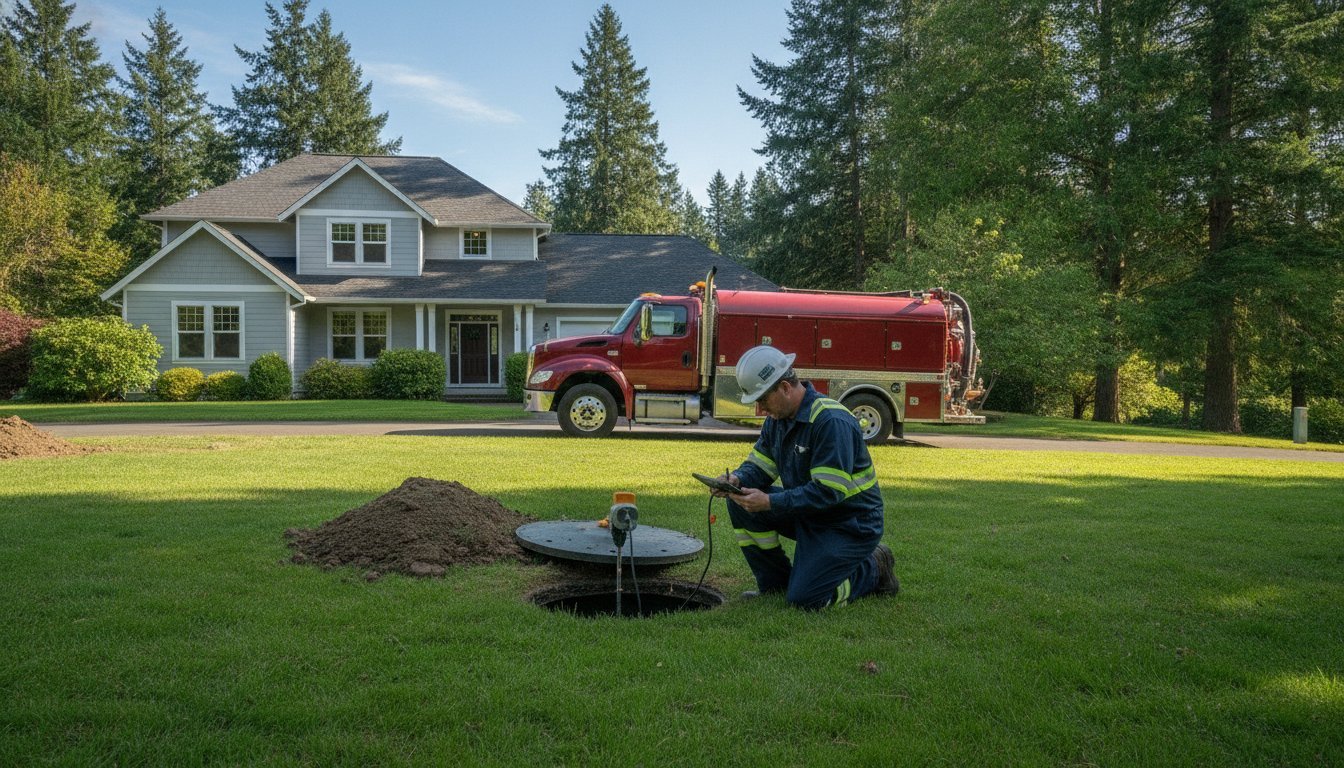
A thorough septic inspection for home sale Oregon requirements starts with finding the tank. If your lids are buried, we use electronic line locating to pinpoint the exact spot. This prevents us from turning your yard into a series of test holes. We highly recommend installing risers if you don’t have them yet. Risers bring the tank lids to the surface, making future access easy and saving you the cost of digging every time you need service. Once we access the lids, the real work begins.
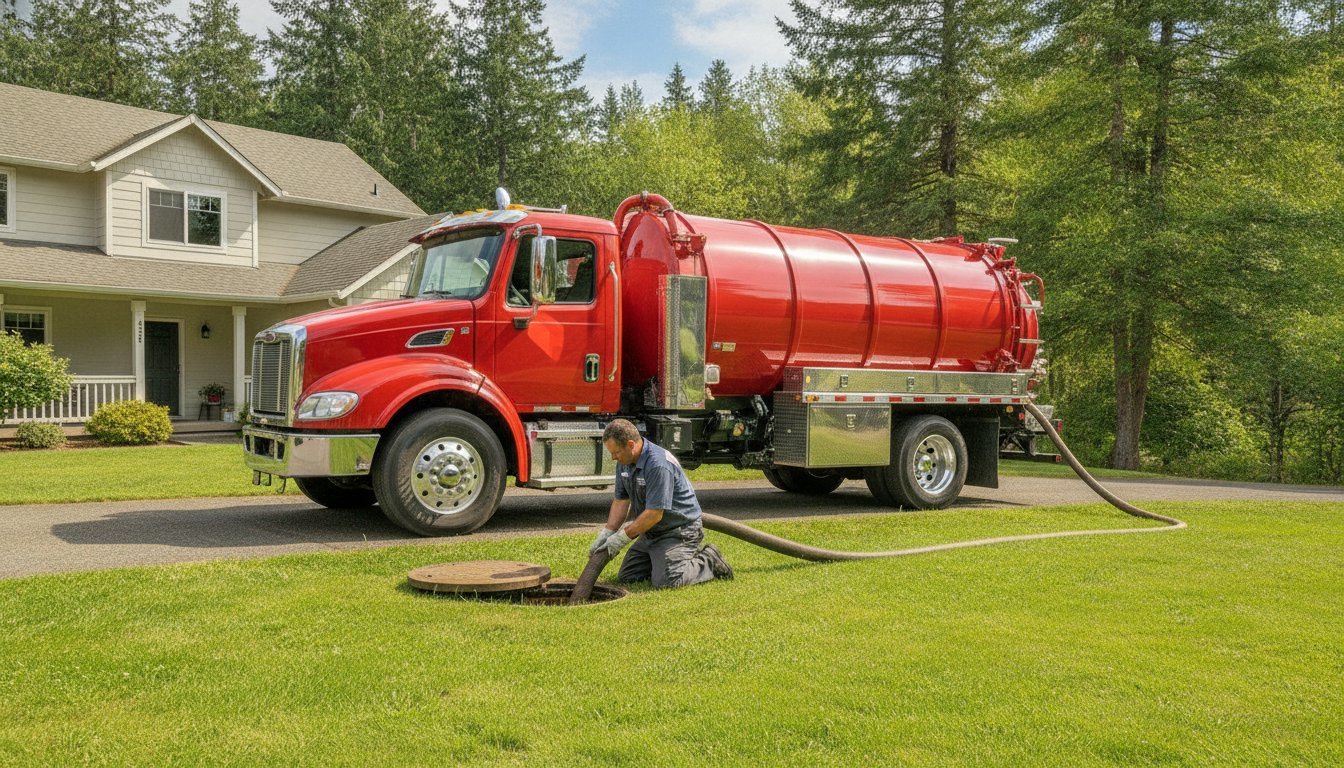
We must pump the tank to perform a valid structural evaluation. It’s impossible to see cracks, leaking seams, or the condition of the tank floor when it’s full of wastewater. This step is a core part of long-term septic system maintenance and is required for a “pass” on your DEQ report. While the tank is emptying, we watch for “backflow” from the drainfield, which is an immediate red flag for a failing system.
Advanced Diagnostic Tools
Modern technology has changed how we verify system health. We use pipe camera inspections to look inside the main line running from your house to the tank. This identifies hidden root intrusions or crushed pipes that a standard visual check would miss. We also locate and test the distribution box, or D-box. This component ensures that effluent is spread evenly across all your drainfield lines. If one line is doing all the work while others stay dry, your system will fail prematurely. Our electronic tools find these buried components quickly, keeping your inspection moving without unnecessary delays.
Local Soil and Climate Factors in Oregon
Our local environment plays a massive role in how your system performs. In Clackamas and Washington counties, we often deal with heavy clay soils. These soils don’t drain as quickly as sandy loam, making the drainfield’s job much harder during a typical Portland winter. We look for “stress signs” like ponding water, lush green grass over the lines, or sewage odors in the yard. When heavy rains saturate the ground, the drainfield may lose its ability to absorb water, leading to a “seasonal failure” report even if the system is otherwise intact. Understanding these local conditions is why we’ve spent 25 years learning the specific quirks of Oregon soil.
What Happens if the Septic System Fails Inspection?
Finding out your system didn’t pass a septic inspection for home sale Oregon evaluation is stressful. It feels like the deal is dead. However, most failures are fixable. A “Reparable Failure” often involves replacing a broken baffle or a cracked tank lid. These are quick, relatively inexpensive fixes that satisfy DEQ requirements. On the other hand, a “System Replacement” is more serious. This is usually triggered by a collapsed drainfield or a tank that has reached the end of its structural life. In these cases, you’ll need a new design and a fresh permit.
We specialize in providing rapid repair estimates. We understand that real estate deadlines don’t wait. If we find a problem during our inspection, we don’t just leave you with a failing report. We provide a clear path forward with a concrete estimate to keep your transaction moving. Navigating the DEQ permit process for emergency repairs is something we do every day. We’ll help you handle the paperwork to ensure the work is legal and certified.
Negotiating Repairs and Escrow Holdbacks
Negotiations are a standard part of the process. Sometimes a seller pays for the repair to keep the price high, or the buyer takes a credit to handle it after closing. An escrow holdback is a common tool here. It allows the sale to close on time by setting aside 1.5 to 2 times the estimated repair cost in a special account. To make this work, you need a firm bid from a licensed septic contractor. Lenders and title companies won’t accept a “guesstimate” when thousands of dollars are on the line.
ATT Systems and Modern Solutions
If your soil is too heavy or the lot is too small for a standard system, an Alternative Treatment Technology (ATT) system might be the answer. These modern systems treat wastewater to a much higher level before it ever reaches the ground. While they have higher maintenance requirements and initial costs, they can save a property that would otherwise be undevelopable. We install and maintain these systems throughout the Portland area, ensuring even the most challenging sites can pass a modern inspection. If you’ve received a failing report and need an honest second opinion or a repair bid, contact our team today for a fast response.
Choosing Lil’ Stinky Septic Service for Your Real Estate Septic Needs
Lil’ Stinky Septic Service isn’t just another contractor; we’re a fixture in the local community. For over 25 years, we’ve helped homeowners in Canby, Portland, and the surrounding counties navigate the complexities of onsite wastewater. When you’re looking for a septic inspection for home sale Oregon requirements, you need a partner who understands the local landscape. Our DEQ-certified reports are the gold standard for local Realtors and lenders because they know our work is thorough and honest. We even offer a Lil’ Stinky Septic Service best-price guarantee on our real estate inspections and pumping services to keep your closing costs manageable.
Real estate deals move fast, and sometimes issues aren’t discovered until the final walkthrough. We provide 24/7 emergency response to handle those last-minute septic surprises. Whether it’s a sudden backup or a lender demanding a structural check right before signing, our team is ready to respond. We take pride in being the trusted local specialist who shows up on time and gets the job done right the first time. You won’t find corporate ambiguity here; just clear answers and reliable service from a team that values your peace of mind and property safety.
The Local Advantage in Clackamas County
Our long history in the region gives you a significant leg up. We maintain professional relationships with local DEQ agents, which often helps streamline the paperwork process for your evaluation report. We also have deep knowledge of the specific septic layouts common in older Portland neighborhoods and the newer developments in Canby. This expertise allows us to find components faster and identify potential issues before they become deal-breakers. We believe in straight talk, so we’ll walk you through your report in plain English, ensuring you understand the condition of your system without the technical headache.
Ready to Sell? Book Your Inspection Today
Scheduling your evaluation is easy. You can use our online booking tool or reach out to our 24/7 dispatch team for immediate assistance. To help the process go smoothly, please ensure we have clear access to the tank area. If you have any historical permits or maintenance records, having those ready for our inspector can save time and ensure the most accurate reporting. We’re here to make this part of your home sale as stress-free as possible. Schedule your certified septic inspection for your home sale today and let our 25 years of experience work for you.
Secure Your Home Sale with Expert Septic Evaluation
Closing a real estate deal in Oregon requires attention to detail, especially when it comes to onsite wastewater. You’ve learned that a standard pumping receipt won’t satisfy lenders; you need a comprehensive DEQ Existing System Evaluation to move forward. By identifying potential issues early and ensuring your documentation is in order, you protect your financial interests and provide the transparency buyers expect. A professional septic inspection for home sale Oregon compliance is the final hurdle between you and a successful property transfer.
Don’t let a buried tank lid or a technicality stall your progress. With over 25 years of local experience and DEQ-certified inspectors on staff, we have the expertise to get your report filed correctly and quickly. We take pride in our CCB Licensed #189693 status and our commitment to helping our neighbors succeed in the local market. Schedule your DEQ-certified real estate inspection today to keep your closing on track. You’ve done the hard work of finding a buyer; now let us handle the technical details so you can focus on your next chapter.
Frequently Asked Questions
Is a septic inspection required by law when selling a home in Oregon?
Oregon does not have a statewide mandate that requires a septic inspection for home sale Oregon transactions. However, the Oregon DEQ and most mortgage lenders require a certified evaluation to protect the environment and the buyer’s investment. Many counties have specific regulations that make this a functional requirement for almost every property transfer. It’s best to treat the inspection as a mandatory part of your closing checklist.
Who pays for the septic inspection in a real estate transaction, the buyer or the seller?
Payment for the evaluation is entirely negotiable between the buyer and the seller. In many cases, the seller pays for the inspection and pumping to provide a clean report and attract more buyers. In other scenarios, the buyer pays for it as part of their professional home inspection during the due diligence period. Check your specific real estate contract to see which party is responsible for the cost.
How much does a DEQ-certified septic inspection cost in the Portland area?
Costs for a professional septic evaluation vary based on the size of the tank and the complexity of the drainfield. Factors like the depth of the lids and whether the tank needs immediate pumping also influence the final price. We offer a best-price guarantee for our real estate services to help keep your transaction costs predictable. Contact us for a specific quote based on your property’s needs.
How long does a septic inspection take to complete?
A standard inspection usually takes between two and four hours to complete. This timeframe includes locating the tank, uncovering the lids, pumping the wastewater, and performing a hydraulic load test on the drainfield. If your system components are already marked or have risers installed, the process moves much faster. We aim for efficiency to respect your busy closing schedule and minimize disruption to your day.
What is the difference between a septic inspection and a septic pump-out?
A pump-out is a maintenance service that removes solids from the tank. An inspection is a comprehensive structural and functional health check required for a septic inspection for home sale Oregon report. During an inspection, we examine the tank walls for cracks, check the baffles, and verify that the drainfield is absorbing water correctly. A pumping receipt alone won’t satisfy DEQ or lender requirements for a property sale.
Can I sell a house in Oregon with a failing septic system?
You can sell a property with a failing system, but you must disclose the condition to the buyer. Most traditional lenders won’t fund a loan for a home with a failed septic system unless repairs are completed or funds are held in escrow. This often leads to price negotiations or the seller completing repairs before the final title transfer. We can provide rapid repair estimates to help keep these negotiations moving.
How long is a DEQ septic inspection report valid for a property sale?
In Oregon, an Existing System Evaluation Report is typically considered valid for 90 days from the date of the inspection. If your home stays on the market longer than three months, you may need to have a technician return for a re-evaluation. Scheduling your inspection about 30 days before listing your home is usually the safest strategy for most sellers to ensure the report stays current through the closing date.
What happens if the septic tank is buried deep and has no risers?
If your lids are buried, we use electronic locating equipment to find them without digging up your entire yard. We will need to dig a small access hole to reach the lids for pumping and internal inspection. We strongly suggest installing risers during this visit. Risers bring the lids to the surface, which simplifies future maintenance and saves you money on every future service call by eliminating digging fees.