A slow drain is rarely just a minor annoyance. It is your septic system’s “check engine light” signaling that a much larger disaster could be brewing just beneath your lawn. If you’ve noticed water pooling in the shower or heard an ominous gurgle from the toilet, you’re likely feeling that familiar spike of anxiety. It’s natural to fear the worst, picturing raw sewage backups and the massive repair bills that follow. Identifying if you have a slow drains septic system problem is the first step toward protecting your home and your wallet.
You might think a quick pump out or a bottle of store-bought chemicals will solve everything, but these “quick fixes” often mask deeper mechanical or biological issues. We know how frustrating it is to feel stuck between a simple pipe clog and a total system failure. This guide will help you distinguish between the two while debunking five common myths that cost homeowners thousands in unnecessary expenses. Learn how to accurately diagnose the issue, avoid the trap of “miracle” additives, and get your household drainage flowing smoothly again.
Key Takeaways
- Use the “Rule of One” to quickly determine if your issue is a simple pipe clog or a more serious slow drains septic system problem.
- Stop using caustic chemical cleaners that kill the essential bacteria your system needs to break down waste properly.
- Understand why pumping your tank is only a temporary fix if the real issue lies in a saturated or failing drainfield.
- Save money by checking your main house trap and effluent filter for easy-to-fix obstructions before you call for service.
- Learn why local expertise and DEQ compliance are vital for restoring your system’s flow without unnecessary digging.
Slow Drains vs. Septic Failure: Identifying the Root Cause
Is your kitchen sink taking forever to empty, or is the whole house struggling? Knowing the difference determines whether you need a plunger or a professional team. We use two simple diagnostic tools: the “Rule of One” and the “Rule of All.” If only one fixture is sluggish, you’ve likely got a local plumbing clog. Hair in the shower drain or grease in the kitchen pipe are common culprits. However, if every drain in the home is slow, you’re facing a slow drains septic system problem located in the main line or the tank itself.
The Anatomy of a Septic Backup
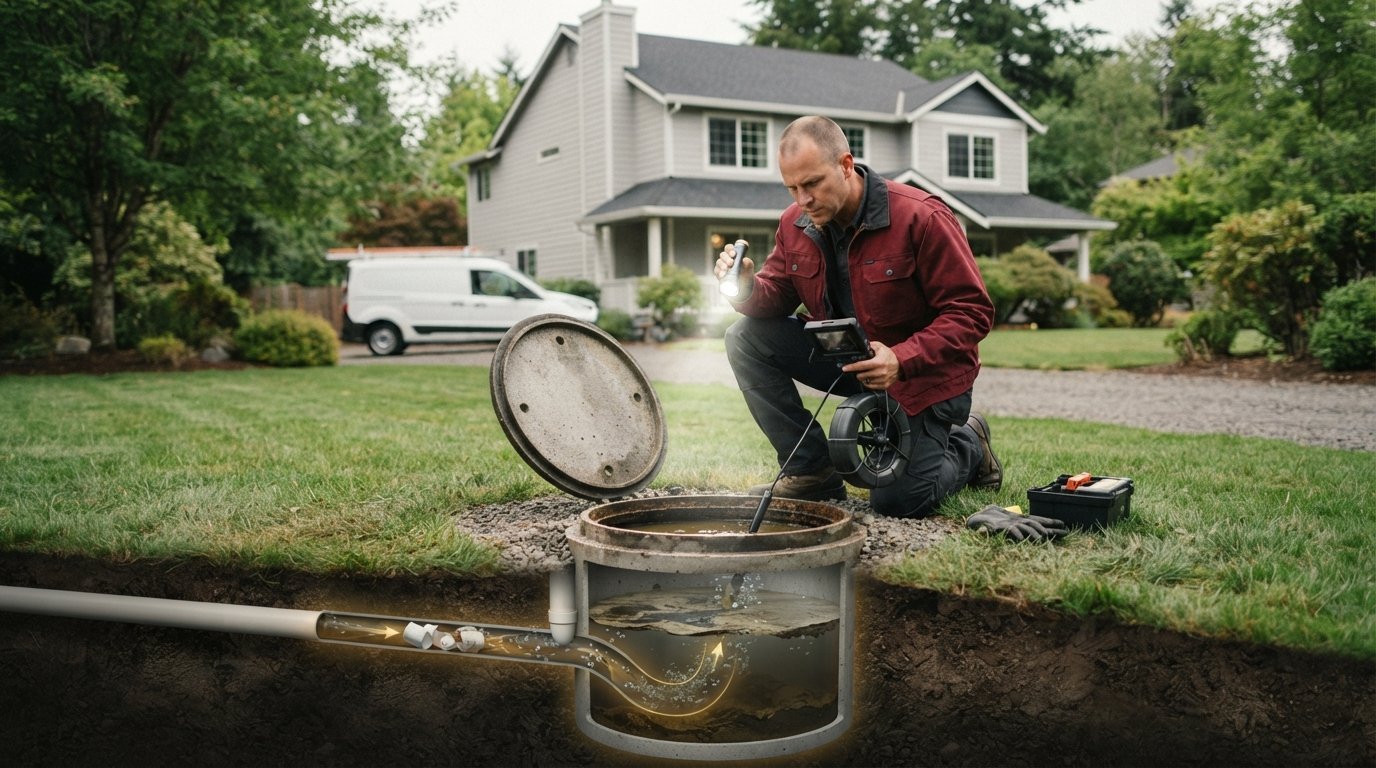
To understand why backups happen, it helps to know how septic systems work in a residential setting. Waste travels through your home’s plumbing into a main sewer line, eventually reaching the septic tank. Inside, solids settle while liquid effluent exits toward the drainfield. Clogs often form at “bottlenecks,” such as the inlet pipe where waste enters the tank or the effluent filter designed to catch small particles. Professional septic drain cleaning Clackamas County experts provide is the first line of defense to clear these transitions before they cause a total shutdown.
Keep an ear out for gurgling sounds coming from your pipes when you flush. This noise often indicates trapped air caused by a blockage. You should also watch for foul odors or unusually lush, green patches of grass over your tank or drainfield. These are classic signs that your system is struggling to process waste properly. In modern systems, a clogged effluent filter is a frequent culprit that mimics a full system failure but is actually a simple maintenance task.
When Slow Drains Become an Emergency
Not all backups are created equal. “Grey water” from sinks and showers is frustrating, but “black water” from toilets contains pathogens that pose serious health risks. If sewage begins backing up into your lowest drains, stop using all water immediately. Continuing to flush or run the dishwasher will only force more waste into your home. Don’t wait to address these signs. Delaying can lead to expensive property damage and soil contamination. A quick response prevents a simple blockage from turning into a full-scale environmental hazard on your property.
The Chemical Myth: Why ‘Quick Fix’ Cleaners Destroy Septic Bacteria
Many homeowners reach for a bottle of liquid drain cleaner the moment they notice a sink backing up. It feels like an easy win. In reality, pouring caustic chemicals into your pipes is one of the fastest ways to turn a minor plumbing issue into a major slow drains septic system problem. These products are designed to dissolve hair and grease using extreme heat and aggressive chemical reactions. While they might clear a local clog, they don’t stop once they reach your septic tank.
How Bacteria Keeps Your System Flowing
Your septic tank is a living ecosystem. It relies on billions of beneficial bacteria to digest solids and liquefy waste. When you introduce harsh chemicals, you effectively “sterilize” the tank. This leads to a condition called sludge bulking, where solids fail to break down and instead stay suspended in the water. This “dead” tank cannot process waste, leading to rapid sludge buildup and frequent backups. For a septic system to function for 20+ years, it must maintain a delicate bacterial balance where the rate of waste decomposition matches the rate of household water usage.
Without these microbes, your system is prone to septic system malfunctions that can cost thousands to rectify. Instead of reaching for the bottle, consider natural enzymes or mechanical methods like snaking. These options clear the path without nuking the biology your system depends on. Mechanical cleaning is always the safer bet for preserving your tank’s health.
The Hidden Danger of ‘Septic-Safe’ Labels
Don’t let marketing fool you. Many products labeled “septic-safe” can still cause harm if used in large quantities. Oregon homeowners often struggle with high water tables or heavy clay soils, making system health even more critical. Common household items like bleach, antibacterial soaps, and heavy-duty floor cleaners are silent killers for your tank’s microbiome. Relying on chemicals to solve a slow drains septic system problem only delays the inevitable while damaging your tank’s health.
The long-term cost of using these “quick fixes” far outweighs the price of professional care. Over time, chemical damage forces you into more frequent pumping and can even lead to premature drainfield failure. If your drains are sluggish, a professional drain cleaning service is a much safer investment for your home’s infrastructure. We can clear the obstruction without introducing toxins into your soil or killing the bacteria that keep your system alive.
Pumping Myths: Why a Clean Tank Won’t Fix a Failing Drainfield
Many homeowners assume that if water is backing up, the tank must be full and just needs a pump out. This is perhaps the most expensive myth in the industry. If your drainfield is saturated or has reached the end of its lifespan, pumping the tank provides only a few days of relief. Once the tank reaches its normal operating level again, the slow drains septic system problem will return because the effluent has nowhere to go. You’ve essentially paid for a temporary bandage rather than a real solution.
Local conditions play a massive role in how your system drains. In places like Canby, heavy seasonal rainfall can completely saturate the soil around your drainfield. When the ground is already holding all the water it can, it cannot accept the liquid leaving your tank. This creates hydraulic overload. In these cases, your system isn’t “broken” in the traditional sense; it’s simply overwhelmed by the volume of water from both the sky and your faucets. Pumping a tank during a flood won’t help if the soil is already a sponge.
Signs Your Drainfield is the Problem
Check your yard before you pick up the phone. Do you see a patch of grass that looks like a lush golf course green while the rest of your lawn is dormant? That’s a classic sign of a struggling drainfield. You might also find spongy soil or actual puddles forming near the tank area. While regular septic tank pumping Portland OR homeowners rely on is essential for removing sludge, it won’t fix a field that’s already underwater. If you ignore these surface signs, you risk a total backup into your home’s lowest drains.
The Biomat Factor: The Silent Clog
Biomat is a slimy layer of anaerobic bacteria that naturally forms where the drainfield meets the soil. It acts as a filter, but over time, it can grow too thick and seal off the ground entirely. This is the “silent clog” that no plunger can reach. Following proper septic system maintenance is the only way to manage its growth. Once the biomat seals the soil, pumping the tank is like emptying a bucket under a leaky roof. The tank will inevitably refill in 48 to 72 hours, and you’ll be right back where you started. Excessive water use, like running four loads of laundry in one morning, only accelerates this failure by pushing solids into the field.

Troubleshooting Guide: What to Check Before You Call a Pro
Before you panic about a total system failure, there are a few simple checks you can perform at home. Start your investigation at the main house trap. Sometimes, a localized obstruction like a clump of wipes or built-up grease can mimic a slow drains septic system problem. If you have a modern system, you should also inspect the effluent filter located at the tank’s outlet. This filter is designed to protect your drainfield by stopping solids, but it will slow your drains to a crawl if it isn’t cleaned regularly.
Listen closely to your plumbing. A gurgle that only happens after a long shower suggests a system struggling with volume, whereas a constant gurgle might indicate a venting issue or a more persistent slow drains septic system problem. Think back on your recent household activity. If you just hosted a large family gathering or finished ten loads of laundry in a single afternoon, you might be experiencing hydraulic overload. This surge in volume can cause a temporary backup that clears once the system has time to process the excess liquid.
Using Technology to Find the Problem
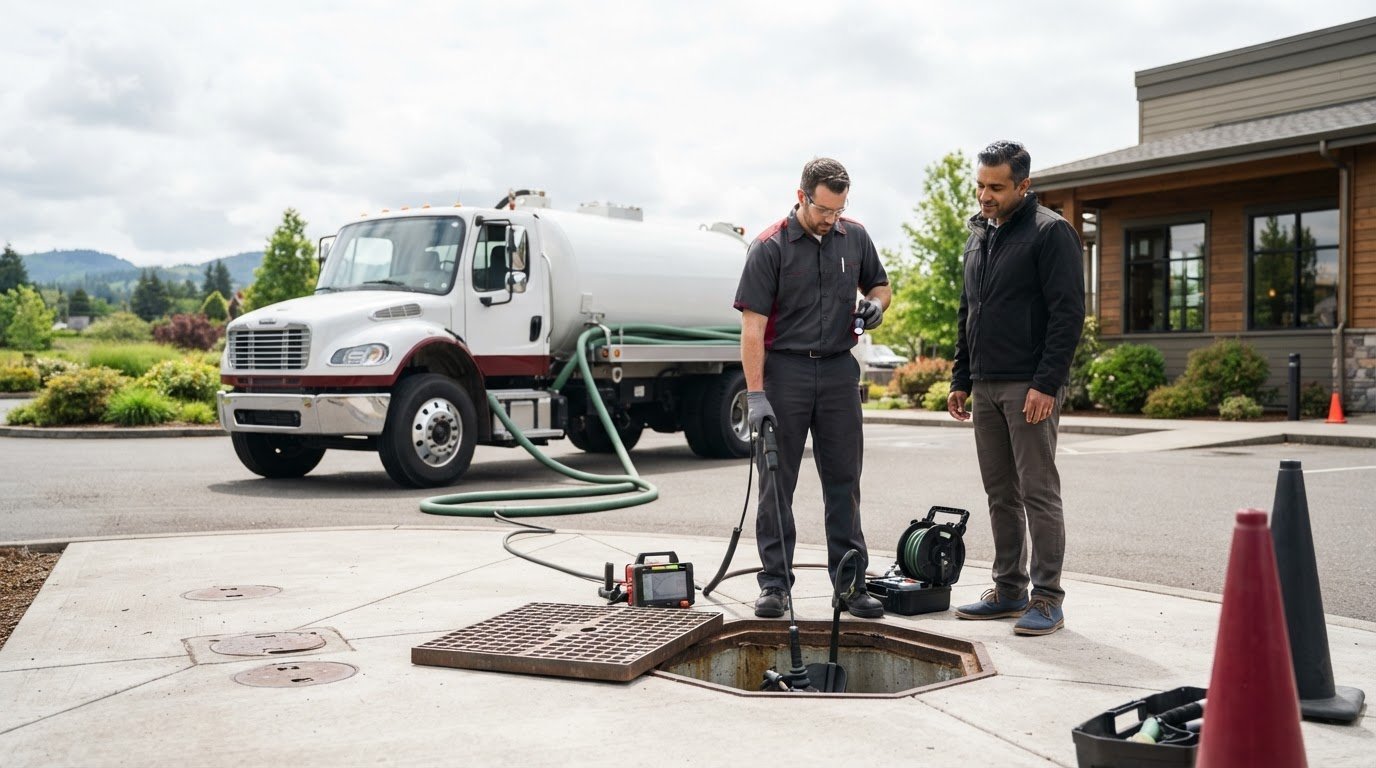
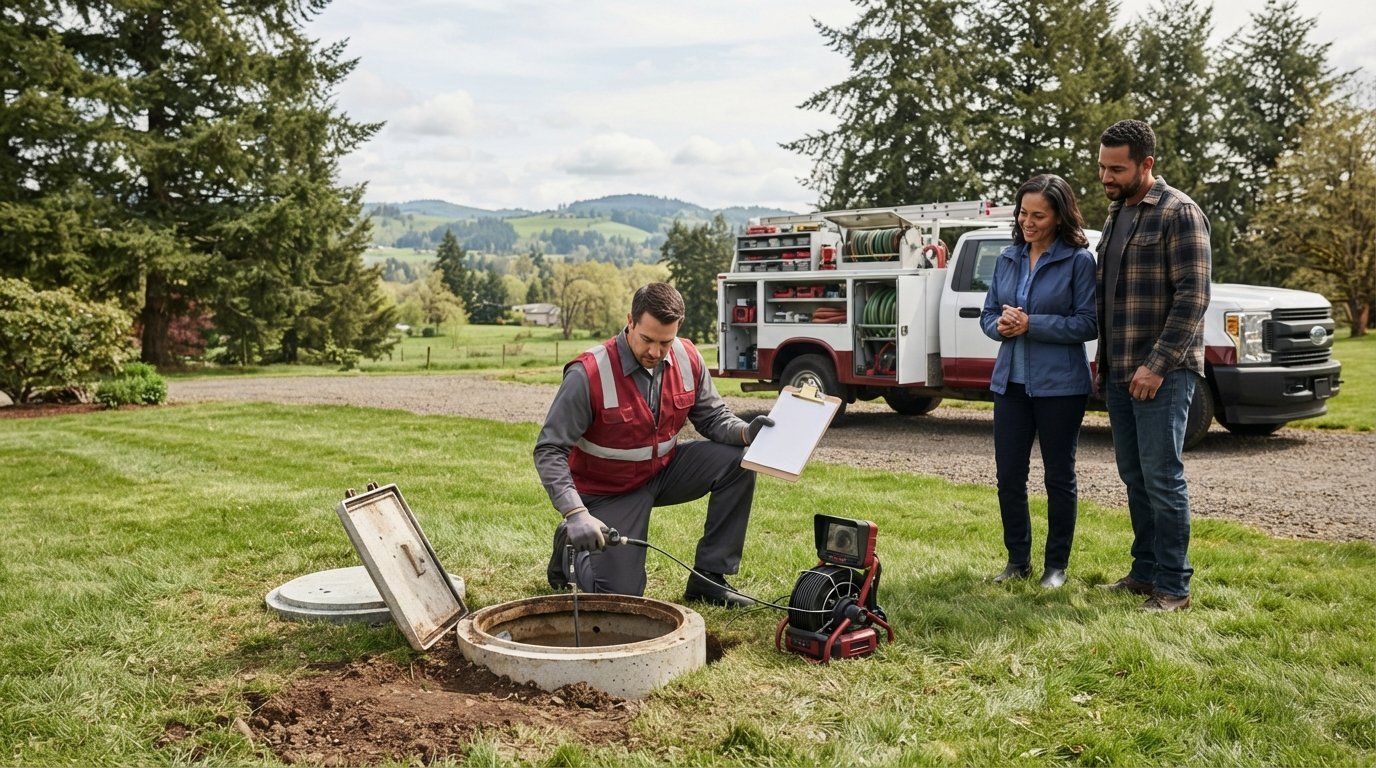
When simple checks don’t reveal the answer, it is time to look deeper without picking up a shovel. A pipe camera inspection Portland homeowners can access allows us to see exactly what is happening inside your lines. We can identify root intrusions, collapsed pipes, or hard grease clogs that a plunger will never move. High-definition video technology eliminates the guesswork and unnecessary digging that often inflates septic repair costs.
When to Call for a Drain Backup Service
Sometimes a standard plumbing snake isn’t enough to restore flow. While a snake can punch a hole through a clog, a professional drain backup service Portland OR often utilizes high-pressure water jetting to scrub the pipe walls clean. This is particularly important for older pipes where scale buildup has narrowed the passage over decades. If you see sewage coming up through the floor drains or multiple fixtures backing up simultaneously, you are facing a main line emergency that requires immediate professional attention.
Don’t let a mystery clog disrupt your home’s peace and safety. If your DIY checks don’t solve the issue, contact Lil’ Stinky Septic Service for a professional diagnosis and a clear path to restored drainage.
Professional Septic Recovery: Restoring Your System’s Flow
When your home is struggling with a slow drains septic system problem, you need more than a generic plumbing fix. You need a partner who understands the specific environmental challenges of the Pacific Northwest. At Lil’ Stinky Septic Service, we’ve spent over 25 years navigating the unique soil conditions and regulatory requirements of Clackamas and Multnomah counties. Our local expertise ensures that your recovery plan isn’t just a temporary fix but a long-term solution that keeps your property safe and compliant with Oregon Department of Environmental Quality (DEQ) standards.
Waiting to address drainage issues is a gamble that rarely pays off. What starts as a sluggish kitchen sink can quickly escalate into a total system failure. Regular maintenance, including timely pumping and professional inspections, acts as an insurance policy for your home. It prevents a manageable slow drains septic system problem from turning into a catastrophic $20,000 replacement. We focus on transparent communication and “straight talk” to help you understand exactly what your system needs to stay healthy.
The Value of a DEQ-Certified Inspection
A professional diagnosis is the only way to move past the myths we’ve discussed. A certified septic inspection Oregon homeowners trust provides a comprehensive look at your system’s structural and functional health. Our DEQ-certified inspectors check the tank’s integrity, the condition of the baffles, and the efficiency of the drainfield. This level of detail is essential during a home sale to protect your property value and ensure a smooth transaction.
We believe that high-quality service should be accessible. That’s why we pair our licensed expertise with a best-price guarantee. You don’t have to choose between affordability and professional certification. An inspection reveals the truth about your system, allowing you to make informed decisions about repairs before they become emergencies. It is the most reliable way to avoid the anxiety of high repair costs down the road.
Next Steps: Restoring Peace of Mind
When you call us for a service visit, we move quickly to identify the root cause of your backup. We walk you through every step of the process, from camera inspections to precision drain cleaning. If you’re facing a midnight sewage backup, our 24/7 emergency response team is ready to restore your home’s safety. We take pride in doing things correctly the first time, giving you the security of a job well done. Our goal is to alleviate the stress of home maintenance through speed and technical mastery.
Don’t let a slow drain become a household disaster. Whether you need a routine pump-out or a complex system recovery, we’re here to help. Contact Lil’ Stinky Septic Service today to schedule your inspection and get your system flowing properly again.
Take Action to Restore Your System’s Flow
You’ve now got the tools to tell the difference between a simple hair clog and a serious septic failure. Remember to use the “Rule of One” to isolate the issue and keep those caustic chemical cleaners away from your tank’s beneficial bacteria. Pumping is a vital part of maintenance, but it won’t fix a saturated drainfield or a thick layer of biomat on its own. Understanding these distinctions is the best way to protect your home’s infrastructure.
Don’t let a slow drains septic system problem keep you guessing about the safety of your property. Whether you’re dealing with a midnight backup or just want to ensure your system is DEQ-compliant, we’ve got you covered. With 25+ years of local experience and DEQ-certified inspectors on staff, we provide the straight talk you need to avoid unnecessary costs and property damage. We take pride in solving the toughest drainage issues for our neighbors.
Schedule your septic inspection or drain cleaning with Lil’ Stinky today! Our 24/7 emergency support ensures that help is always just a phone call away. You deserve a home that flows smoothly; let’s get your system back in peak condition.
Frequently Asked Questions
Can a full septic tank cause slow drains?
Yes, but “full” needs a bit of context. A septic tank is designed to be full of liquid at all times. Slow drainage happens when the sludge level becomes too high or the outlet pipe is blocked. This creates a bottleneck that prevents new wastewater from entering the tank. If the solids are over capacity, it can definitely lead to a slow drains septic system problem that requires immediate pumping.
Is it safe to use Drano in a septic system?
No, you should never use Drano or other caustic chemical cleaners in a septic system. These products use harsh chemical reactions to generate heat and dissolve clogs, but they also kill the beneficial bacteria in your tank. Without these microbes, your system cannot break down solids properly. This leads to faster sludge buildup and potential long-term damage to your drainfield. Use mechanical snakes or natural enzymes instead.
Why are my drains slow even after pumping the septic tank?
If pumping didn’t help, the issue is likely downstream in the drainfield or the pipe leading to it. Pumping only empties the tank; it doesn’t clear a saturated drainfield or a blocked effluent filter. If the soil around your field is clogged with biomat or waterlogged from rain, the tank will refill within days and the drains will remain sluggish. This indicates a soil-based failure rather than a capacity issue.
How do I know if my septic drainfield is failing?
Look for specific environmental signs in your yard. Lush, dark green grass over the drainfield or soggy, foul-smelling soil are major red flags. You might also see standing water during dry periods. Inside the house, multiple slow drains and frequent backups are common symptoms. These signs suggest the soil can no longer absorb effluent, which is a serious slow drains septic system problem that requires a professional DEQ-certified inspection.
What does it mean when my septic system makes a gurgling sound?
Gurgling sounds usually indicate trapped air or a partial blockage in your plumbing or main sewer line. When water can’t flow freely, air bubbles are forced back up through the traps in your sinks or toilets. This is often an early warning sign of a developing clog or a full tank. If the gurgling persists across multiple fixtures, it’s time to check your effluent filter or call for a camera inspection.
Can heavy rain cause my septic drains to slow down?
Yes, heavy rain can saturate the soil in your drainfield, leading to hydraulic overload. When the ground is soaked, it can’t absorb the liquid waste exiting your tank. This causes wastewater to back up into the pipes, resulting in sluggish drainage throughout the house. In the Portland area, our heavy seasonal rains often cause temporary drainage issues even in systems that are otherwise functioning perfectly well and maintained correctly.
How often should I have my septic lines cleaned to prevent slow drains?
You should have your main lines professionally inspected or cleaned every 3 to 5 years, usually at the same time as your scheduled pumping. High-pressure water jetting is an effective way to remove scale and grease buildup before they cause a total blockage. Regular cleaning keeps the path to your tank clear and reduces the risk of emergency backups. It’s a proactive step that saves you from expensive repairs later.
Will a clogged vent pipe cause slow drains in a septic system?
Yes, a clogged vent pipe can absolutely cause drainage issues. Your plumbing needs air to move water effectively; think of it like putting your finger over the top of a straw. If the vent on your roof is blocked by debris or a bird’s nest, it creates a vacuum that slows down water flow and causes gurgling. While it feels like a septic problem, it’s actually a ventilation issue that prevents the system from breathing.