You’ve finally found the right buyer, the boxes are half-packed, and the finish line is in sight, then a septic inspection report comes back with a “fail.” It’s a gut-punch that leaves many sellers feeling stuck between expensive repairs and a deal that’s about to fall through. Understanding the septic system repair requirements for home sale Oregon transactions is the only way to protect your equity and keep the sale moving. We know the anxiety that comes with DEQ paperwork and the fear that unexpected costs will eat your profit when you’re already juggling the stress of moving.
It’s completely normal to feel overwhelmed by technical jargon and shifting regulations, but a failed inspection doesn’t have to be a deal-breaker. We’re here to give you the straight talk on what the state actually requires so you can get back on track. This guide provides a clear roadmap of the repair process, helping you distinguish between minor component fixes and major DEQ-mandated overhauls. We’ll cover everything from mandatory lender repairs to finding a licensed contractor who understands local compliance, ensuring your sale closes on time and without any expensive surprises.
Key Takeaways
- Understand why a standard pumping receipt isn’t enough and how an official Existing System Evaluation Report (ESER) protects your transaction.
- Identify the specific septic system repair requirements for home sale Oregon lenders and state agencies demand before they’ll sign off on your closing.
- Learn the step-by-step process for obtaining DEQ “Repair of Alteration” permits so you don’t get stuck in bureaucratic red tape.
- Discover how to weigh the costs of component repairs against a full system replacement, including how modern ATT systems can boost your property value.
- Get “straight talk” advice on navigating inspections from a local specialist with 25 years of experience in the Portland area.
The Role of Septic Inspections in Oregon Real Estate
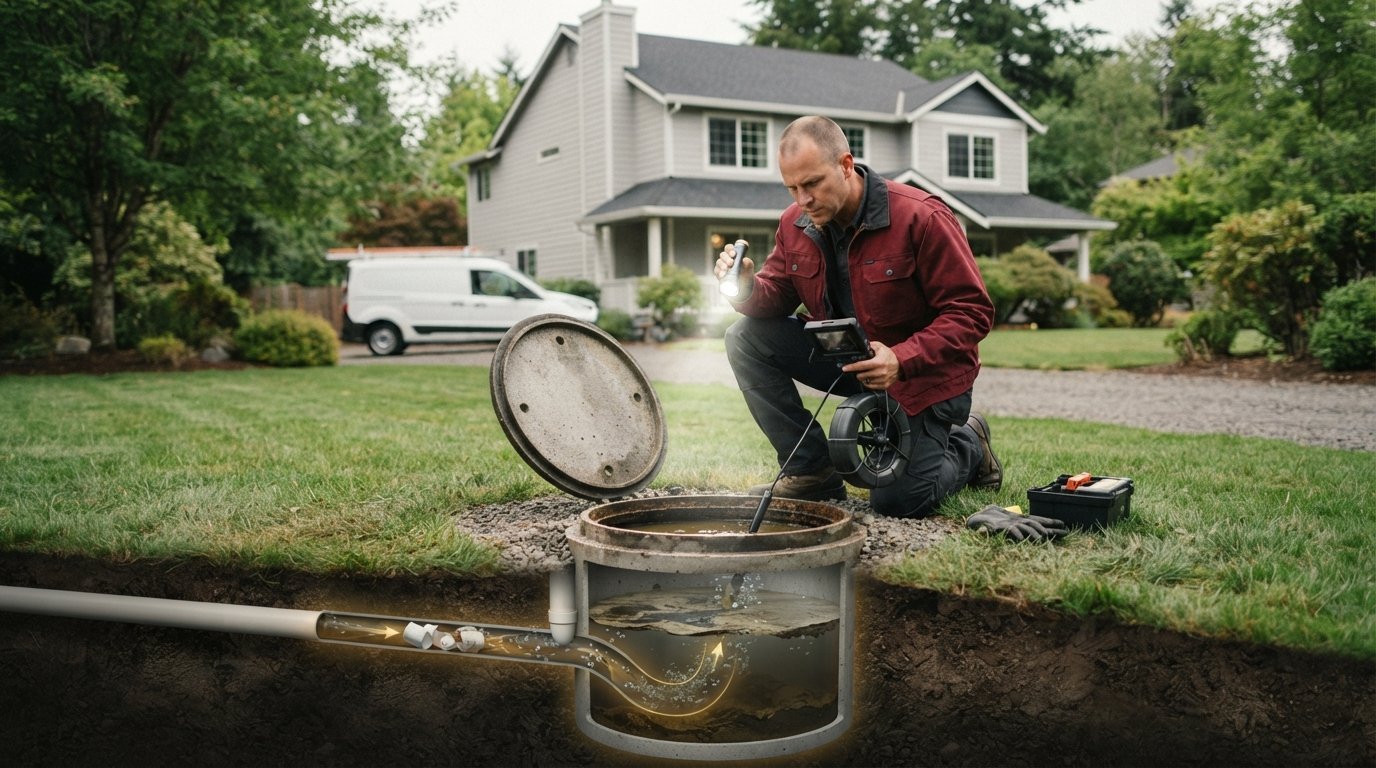
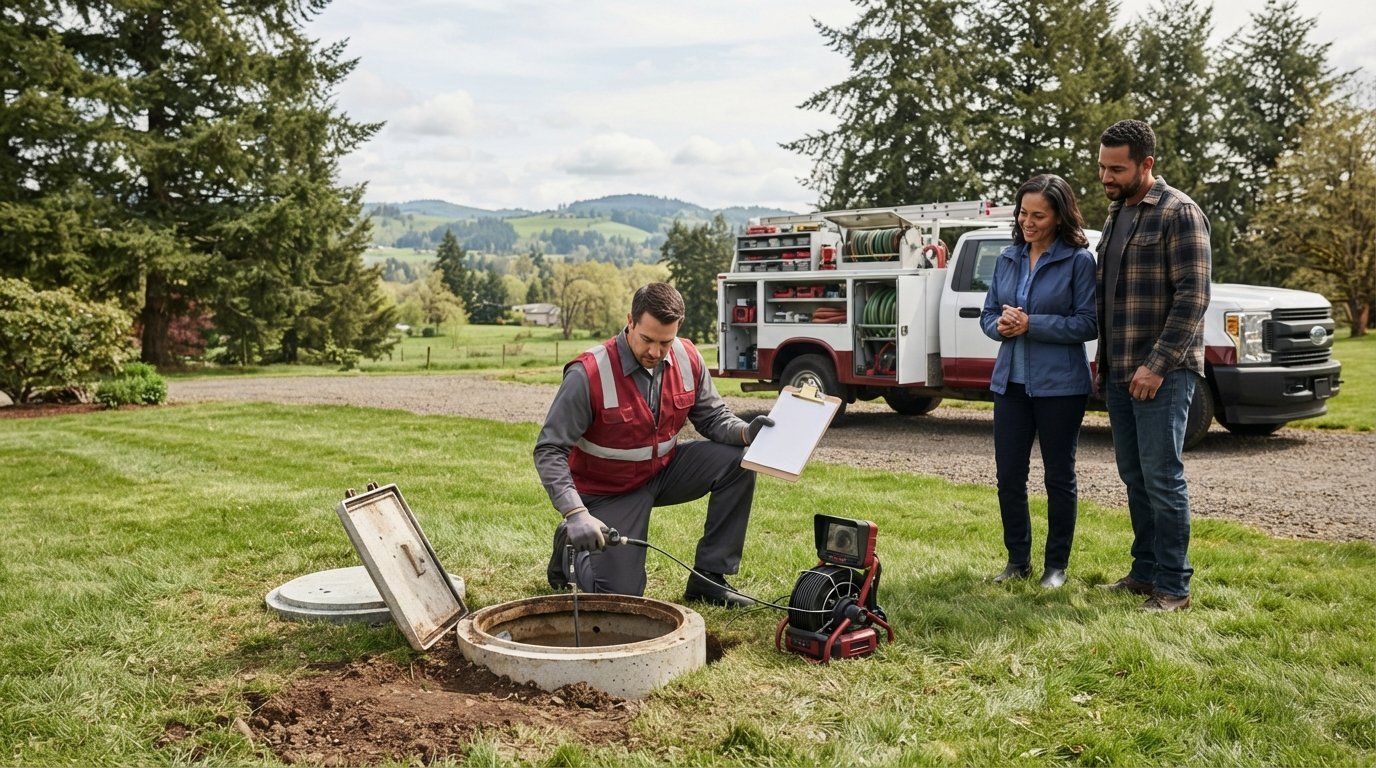
In Oregon, a septic system isn’t just a utility; it’s a critical part of your property’s legal and financial profile. When you list your home, the buyer’s lender will almost certainly require an Existing System Evaluation Report (ESER). This document goes far beyond a simple pumping receipt. While a receipt proves you maintained the tank, an ESER is a comprehensive health check performed by a DEQ-certified professional. It verifies that the tank, baffles, and drainfield are functioning according to state standards. Understanding How Septic Systems Work helps you realize that a failure in any one component can trigger strict septic system repair requirements for home sale Oregon transactions.
Lenders use these reports to protect their investment and ensure the property meets basic health standards. If an inspector finds a cracked tank, a missing baffle, or a saturated drainfield, the lender will likely deny the buyer’s financing until the issues are resolved. This is where most deal-killing surprises happen. The Existing System Evaluation Report (ESER) serves as the gold standard for documenting septic health in Oregon home sales. By providing this report upfront, you show lenders and buyers that you’ve been transparent about the property’s condition.
When is a Septic Inspection Mandatory?
Technically, Oregon doesn’t have a statewide law requiring an inspection for every single property transfer. However, the reality on the ground is different. Most modern real estate contracts include a septic contingency. If you’re selling in Clackamas or Multnomah County, buyers and their agents rarely skip this step. Lenders for FHA, VA, and conventional loans almost always demand a certified report before they’ll fund the deal. If you’re on the other side of the transaction, you should check out our guide on Buying a Home with a Septic System in Oregon to see what buyers are looking for.
The Timeframe: Don’t Wait Until Escrow
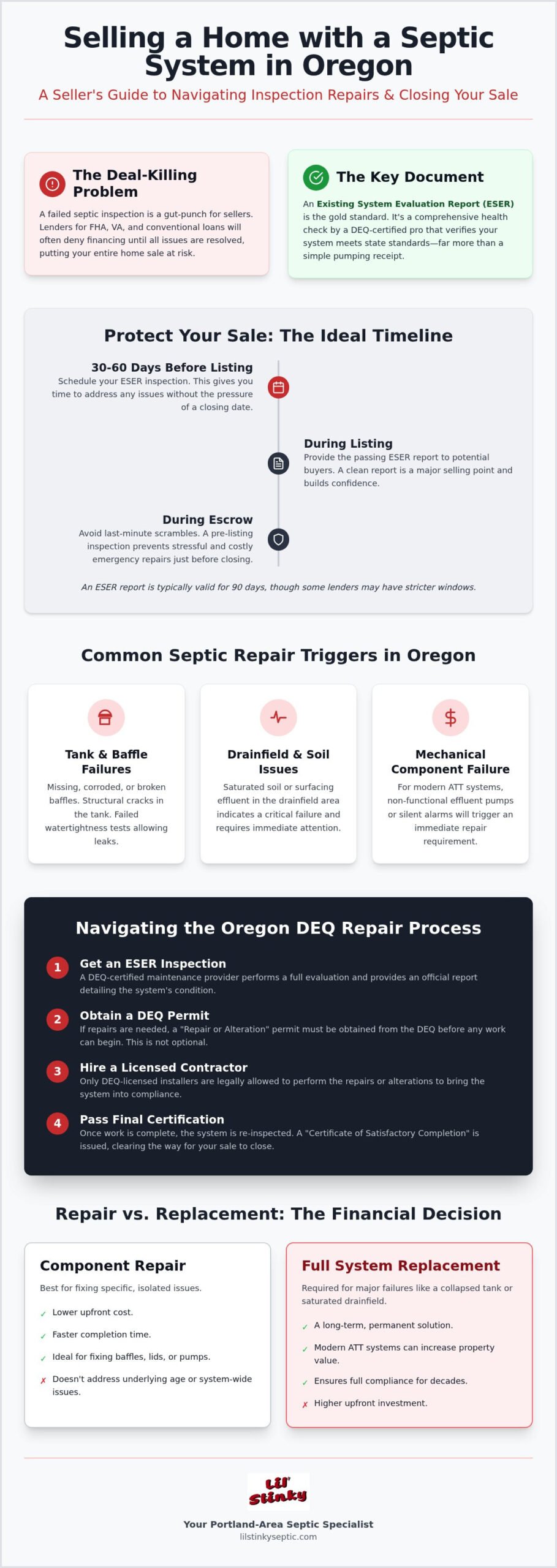
Timing is everything when you’re trying to close. We recommend scheduling your inspection 30 to 60 days before you even put the sign in the yard. In Oregon, a certified inspection report is typically valid for 90 days, though some lenders may have stricter windows. Waiting until you’re in escrow is a gamble. If a problem is discovered just one week before your closing date, you’ll be scrambling for permits and contractors. Emergency repairs are stressful and can lead to rushed decisions that cost you more in the long run. Get the “straight talk” on your system’s condition early so you can handle any necessary fixes on your own schedule.
Identifying Common Septic Repair Requirements in Oregon
When an inspector uncovers a problem, it’s usually not a total system failure. Most issues fall into specific categories that the state has clear rules for fixing. One of the most common septic system repair requirements for home sale Oregon inspectors cite is a failed baffle, which is fortunately one of the most fixable issues you can encounter. Beyond baffles, structural failures often involve the tank itself. If you have an older concrete tank, roots might have caused cracks, or the lid might no longer be watertight. This is critical in sensitive areas where the Oregon DEQ septic system guidance mandates strict protection of groundwater and local watersheds.
Mechanical components also play a huge role in modern compliance. If your home uses an Alternative Treatment Technology (ATT) system, failing effluent pumps or silent alarms will trigger a repair requirement immediately. Lenders won’t overlook these because they’re vital for the system’s daily operation. Addressing these mechanical or structural flaws early prevents a “fail” from stalling your closing date. If you’re worried about your system’s health, it’s best to schedule a professional evaluation before listing your home.
Tank and Baffle Repairs
Inlet and outlet baffles are small components with a big job; they keep floating solids inside the tank and out of your drainfield. If these are missing or corroded, they must be replaced to prevent total system failure. In some Oregon watersheds, you may even be required to perform a watertightness test to ensure no raw sewage is leaking into the surrounding soil. While small cracks can sometimes be patched with specialized sealants, a tank that has lost its structural integrity or has a crumbling bottom must be replaced entirely to meet DEQ standards.
Drainfield and Soil Compliance
In the Willamette Valley, our heavy clay soils and high water tables create unique challenges for home sellers. In counties like Clackamas or Marion, a drainfield that worked fine for years might suddenly struggle during a wet winter. If you see “ponding” or patches of overly green grass in the yard, it’s a sign of biomat buildup or soil saturation. When the soil can no longer absorb effluent, traditional repairs might not be enough. In these cases, an ATT system is often the only path forward. These systems provide a higher level of treatment in a smaller footprint, which can save a sale when space or soil conditions are limited.
Navigating the Oregon DEQ Septic Repair Process
Once an inspection identifies a failure, the clock starts ticking on your real estate transaction. You can’t simply hire a handyman to patch a tank and call it a day. To satisfy the septic system repair requirements for home sale Oregon lenders demand, you must follow a specific regulatory sequence. This ensures the fix is permanent and documented with the state. The process begins by hiring a certified inspector to file an official report. From there, you’ll move through the permitting and installation phases before receiving the final sign-off that allows your escrow to close.
Follow these four essential steps to maintain compliance:
- Step 1: Documentation. Your DEQ-certified inspector must document the specific failure in a formal report. This is the foundation for your permit application.
- Step 2: Permitting. You must obtain a “Repair of Alteration” permit from your local county agent or the DEQ. This permit outlines exactly what work is authorized.
- Step 3: Installation. Contract a licensed installer to execute the repair according to state standards. Professionals like Lil’ Stinky handle the technical heavy lifting here.
- Step 4: Completion. Pass the final “as-built” inspection. This is where the county verifies the work matches the permit and issues the final paperwork.
Understanding the Repair Permit
Oregon distinguishes between “minor” and “major” repairs, and knowing the difference is vital for your timeline. A minor repair usually covers components like tank baffles, lids, or effluent filters. A major repair involves the drainfield or a full tank replacement. While the homeowner is legally responsible for the system, your contractor typically handles the actual permit filing. In Clackamas and Washington counties, minor permit approvals usually take one to two weeks, while major alterations can take longer if a site evaluation is required. Getting your Certified Septic Inspection Oregon report finished early helps you avoid permit delays during the final days of escrow.
The Final Inspection and Closing
The most important document for your escrow officer is the “Certificate of Satisfactory Completion.” This is your proof that the state has inspected the work and found it meets all septic system repair requirements for home sale Oregon standards. Lenders won’t release funds without it. If you’re selling during a typical Oregon winter, weather can sometimes prevent immediate landscape restoration or seeding. In these cases, we can often work with the DEQ for a “conditional” approval. This allows the sale to close while providing a window for the final site work once the ground dries out. It’s a practical solution that keeps your move on schedule despite our local climate.
Repair vs. Replacement: Making the Financial Decision
Deciding whether to patch a component or replace your entire system is a high-stakes choice during a property transfer. While a minor fix might save you money today, it could leave the buyer worried about the system’s remaining lifespan. Installing a new Alternative Treatment Technology (ATT) system often increases home value and provides a fresh warranty that puts buyers at ease. It’s often the most reliable way to satisfy septic system repair requirements for home sale Oregon lenders demand, especially when the existing setup is decades old. We provide the straight talk you need to weigh these costs against your potential closing credits.
Negotiating who pays for these fixes is a standard part of the Oregon real estate process. You don’t always have to foot the entire bill yourself. If your closing date is fast approaching and the repairs aren’t finished, you might consider an escrow holdback. This involves placing a portion of your sale proceeds into a dedicated account to guarantee the work will be completed after the buyer moves in. It’s a practical tool that keeps your timeline intact while ensuring the system eventually meets all state standards.
When is a Full System Replacement Required?
In some cases, the Oregon DEQ will classify a system as “unrepairable” based on soil conditions or previous failures. If your lot is small or has strict setback requirements from wells and property lines, you might not have the space for a traditional drainfield repair. Heavy clay soils, common in the Willamette Valley, often mandate an upgrade to more advanced treatment options. Understanding the Septic System Installation Cost in Oregon helps you enter negotiations with a realistic view of your equity. We can help you determine if your specific lot size allows for a standard fix or if a full replacement is your only legal path.
Escrow and Financing Hurdles
Lenders for FHA and VA loans have much stricter septic system repair requirements for home sale Oregon transactions than conventional banks. They rarely accept “as-is” systems with even minor defects. Most Oregon brokers use the Septic Addendum found in the Oregon Real Estate Forms (OREF) to clearly define which party is responsible for inspections and subsequent repairs. Having a professional, written estimate from a licensed contractor is the best way to settle these price negotiations without the deal falling apart. If you need a detailed estimate to keep your escrow on track, request a professional repair evaluation today.
Closing the Deal with Lil’ Stinky Septic Service
Selling a home involves a delicate balance of timelines and expectations. We’ve spent over 25 years navigating the specific septic system repair requirements for home sale Oregon regulations that often trip up even the most prepared sellers. Our “straight talk” approach means you get a clear picture of your system’s condition without any corporate ambiguity. We don’t just find problems; we provide the certified solutions that keep your property compliant and your equity protected. You’ll know exactly what the DEQ requires for a successful transfer so you can negotiate with total confidence.
Efficiency is our priority when your closing date is on the line. We maintain strong working relationships with local realtors and escrow officers, ensuring that our reports and permits move through the system without friction. If an inspection reveals a surprise just days before you’re set to sign, our 24/7 emergency response team is ready to jump into action. We understand the urgency of the industry and take pride in being the dependable ally that keeps your move on track. Our CCB #189693 and DEQ certifications are your guarantee that the work is done correctly the first time.
Expert Reports for Oregon Lenders
Banks won’t take a seller’s word for it when it comes to wastewater safety. They need the definitive “proof of health” found in our certified reports to approve buyer financing. We handle the thorough documentation of every repair and system design, providing the technical evidence that septic system repair requirements for home sale Oregon lenders demand. This meticulous approach protects your transaction from last-minute funding denials. When buyers see a report from a “Trusted Local Specialist,” they feel a sense of security that the home’s most expensive utility is in perfect working order.
Get Your Home Sale Ready Today
Identify potential hurdles before they become deal-breakers by scheduling a pre-listing septic health check. We’re based in Canby and serve the entire Portland area, including Clackamas, Washington, and Multnomah counties. Our goal is to make the technical side of your home sale as simple and transparent as possible. Whether you need a minor baffle fix or a complex ATT system installation, we have the experience to handle it. Schedule your DEQ-certified septic inspection with Lil’ Stinky and ensure your home sale closes on time and without surprises.
Secure Your Closing with a Certified Inspection
You’ve worked hard to get your home ready for the market, and your septic system shouldn’t be the thing that stops the sale. By understanding the septic system repair requirements for home sale Oregon transactions, you can address issues like failed baffles or soil saturation before they become escrow-killing emergencies. Remember that a certified ESER is your best defense against lender denials and buyer cold feet. We’ve spent over 25 years helping Portland area homeowners navigate these regulations with straight talk and expert repairs. As a fully licensed team with CCB #189693 and a DEQ-certified inspector on staff, we know exactly what it takes to get your system passed and your deal closed. Don’t let a failed inspection catch you off guard at the last minute.
Contact Lil’ Stinky Septic for a Certified Home Sale Inspection today to get your property sale-ready. Your peace of mind and a smooth closing are just a phone call away.
Frequently Asked Questions
Does Oregon law require a septic tank to be pumped before a home sale?
Oregon law doesn’t strictly mandate pumping before a sale, but it’s a standard part of the inspection process. Most inspectors can’t verify the tank’s structural integrity or baffle condition without pumping it first. Lenders almost always require a pumping receipt alongside the inspection report. In Canby and the greater Portland area, it’s best to handle this early to avoid delays in your closing timeline and ensure a thorough evaluation.
Can I sell my Oregon home if the septic system fails inspection?
You can sell a home with a failing system, but it usually prevents the buyer from getting traditional financing. Most FHA or VA loans require a passing report before funding. To keep the deal alive, you can often negotiate a price credit or set up an escrow holdback. This allows the sale to proceed while ensuring the septic system repair requirements for home sale Oregon lenders demand are met after closing.
How long does it take to get a septic repair permit in Oregon?
Permit timelines vary by county, but minor repair permits in Clackamas or Washington County typically take one to two weeks. Major repairs involving drainfields require a site evaluation, which can push the wait time to several weeks or more depending on the local backlog. Working with an experienced contractor who knows the county agents can help move the paperwork through the system more efficiently during a tight escrow period.
What is the DEQ Existing System Evaluation Report (ESER)?
The Existing System Evaluation Report (ESER) is the official DEQ form used to document the condition of an onsite wastewater system. It’s much more than a simple checklist; it requires a certified inspector to verify the tank’s location, size, and functionality. This report serves as the legal “proof of health” for your system. Lenders and title companies rely on the ESER to confirm the property meets state environmental standards before finalizing the sale.
Who is responsible for septic repairs during a home sale: buyer or seller?
Responsibility for repairs is entirely negotiable between the buyer and seller, though the seller typically takes the lead. Most real estate contracts use a septic addendum to specify who pays for the inspection and any necessary fixes. Because a failed system can stop a buyer’s loan, many sellers choose to handle repairs upfront. This ensures the septic system repair requirements for home sale Oregon lenders expect are satisfied before the closing date arrives.
Will a cracked septic tank lid cause a failed inspection in Oregon?
A cracked septic tank lid will absolutely cause a failed inspection because it poses a significant safety risk and allows surface water to enter the system. Oregon DEQ standards require all tank components to be watertight and structurally sound. Replacing a lid is usually considered a minor repair, but it must be addressed before an inspector can issue a passing report. We often see this issue in older properties around the Canby area.
Can I perform septic repairs myself if I am the homeowner?
Homeowners in Oregon generally cannot perform septic repairs themselves if the work requires a DEQ permit. State law requires that a licensed onsite wastewater installer handle the physical repair and the associated paperwork. This ensures the work meets environmental codes and protects the groundwater. Hiring a professional also provides the “as-built” drawings and completion certificates that lenders require to finalize the home sale and release the funds to the seller.
How long is a certified septic inspection valid for a real estate transaction?
A certified septic inspection in Oregon is typically valid for 90 days from the date of the evaluation. However, some specific lenders or loan programs may require a more recent report if the closing process is unusually long. If you’re selling a home in the Portland area, we recommend scheduling your inspection about 30 to 45 days before listing. This gives you enough time to handle repairs without letting the report expire.