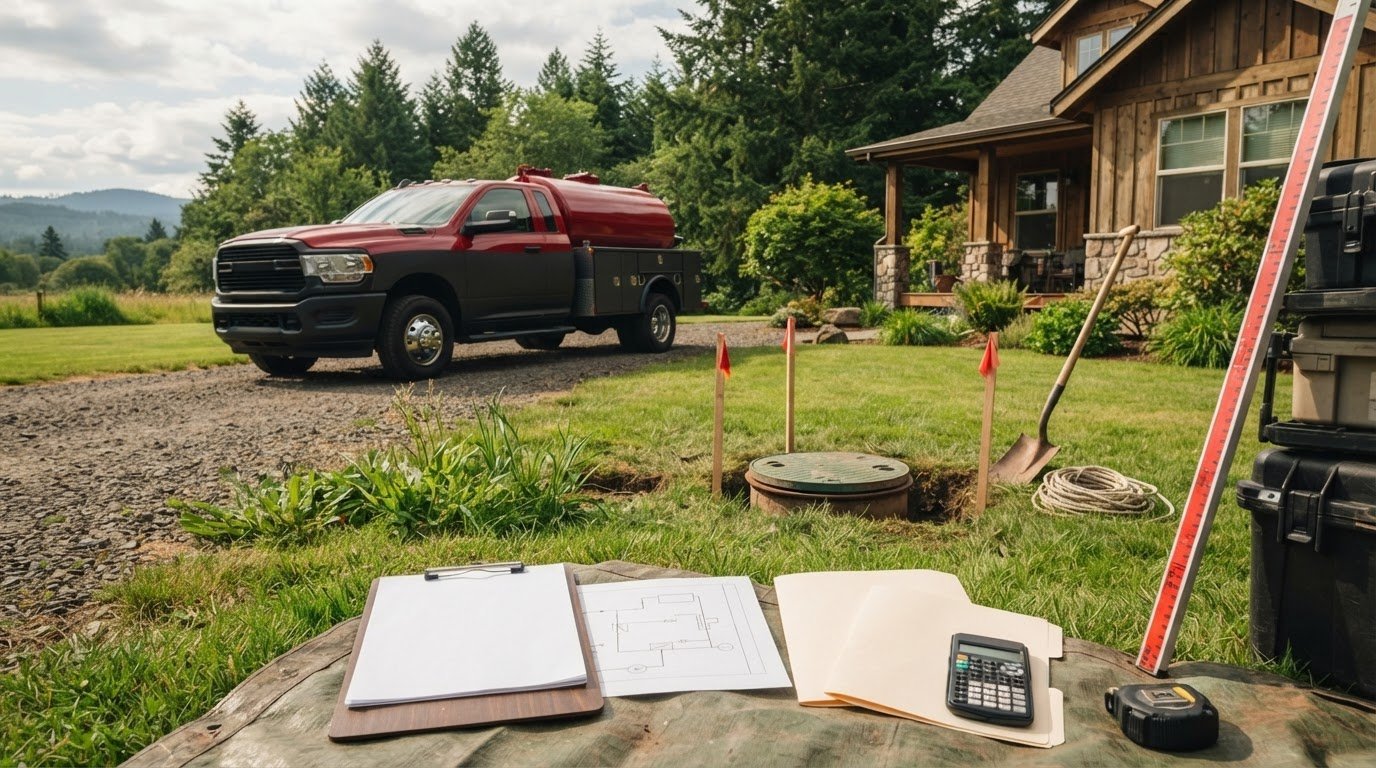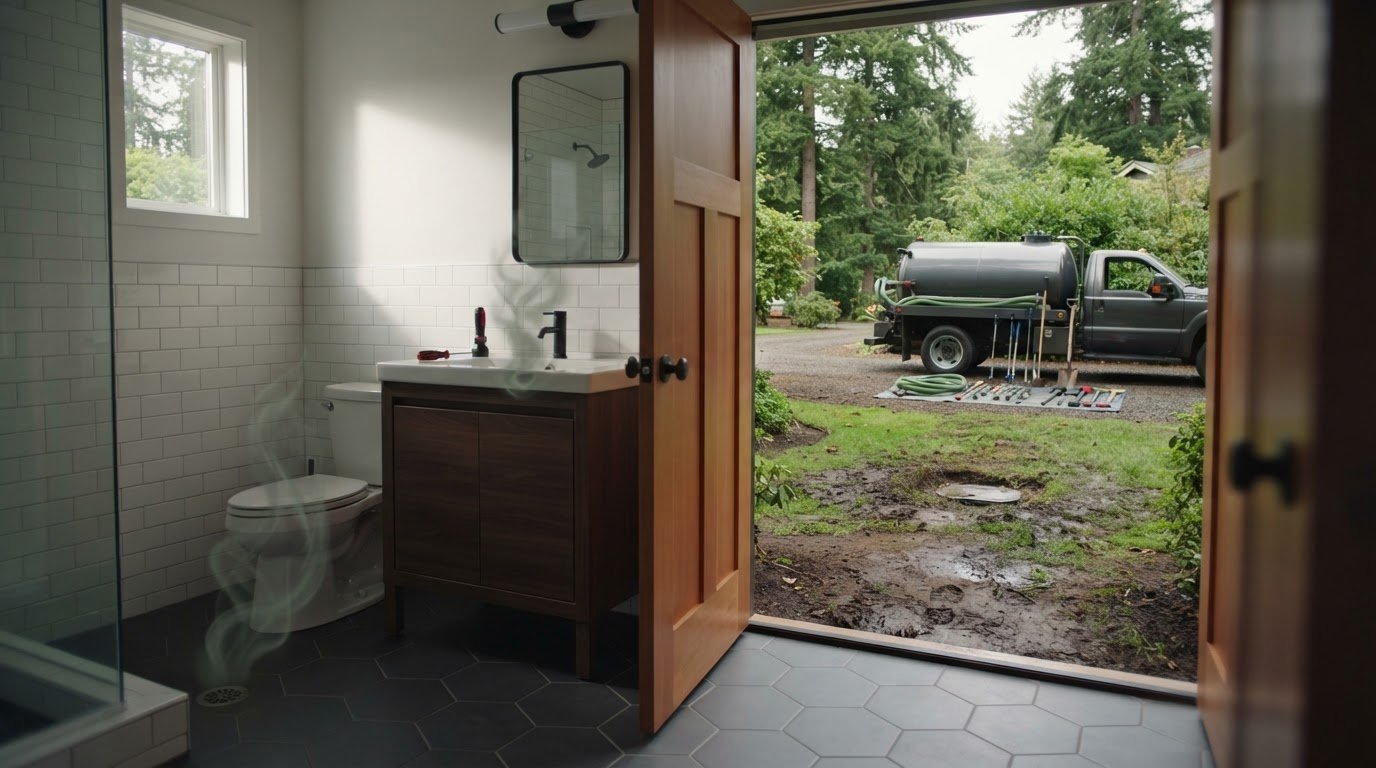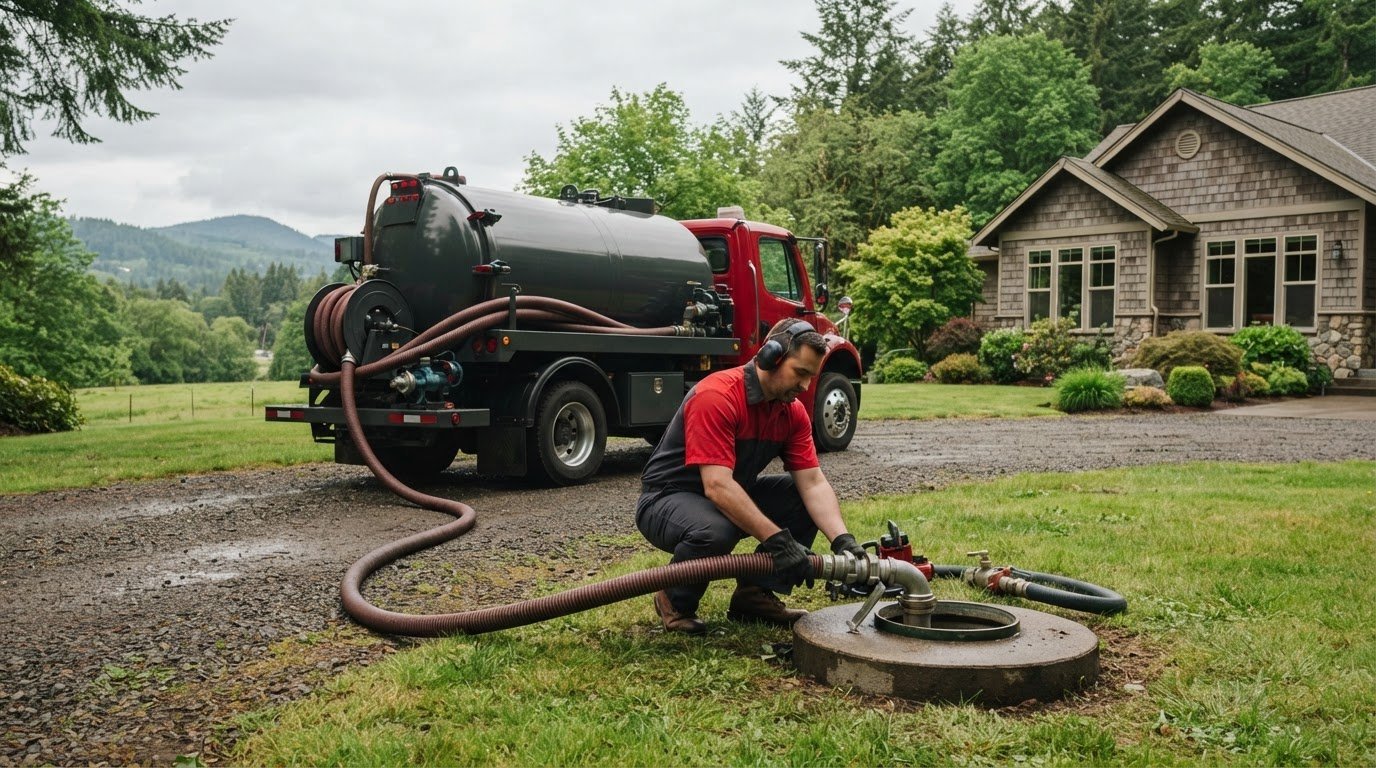
Could a septic drain field problem be fixed without replacing the whole field? It depends on what failed, not just what you see at the surface. A wet yard or slow drain can point to different issues, and alternatives to septic drain field replacement may be possible when an inspection finds a repairable cause, such as a damaged pipe or distribution component.
It’s understandable to worry that replacement is the only option, especially when the cause isn’t clear. Choosing a solution before diagnosing the system can lead to unnecessary work or leave the underlying problem unresolved.
This guide explains what an inspection should establish, which repairs may be considered, and when an Alternative Treatment Technology (ATT) system could suit a site where a conventional approach isn’t feasible. Soil, groundwater, existing components, and Oregon approval requirements all affect eligibility. Lil’ Stinky Septic Service provides septic evaluation, design, and installation in Canby and the greater Portland area. Start with evidence from your property, then match the next step to what the site and system need.
Key Takeaways
- Learn how inspection findings can distinguish a localized pipe or distribution issue from a drain field that needs broader work.
- See why claims about drain field restoration need careful evaluation before you rely on them as a replacement alternative.
- Compare localized repairs, conventional replacement, and ATT systems by their likely uses, limits, and approval needs.
- Use a practical checklist to gather system records, maintenance history, repair details, and information about site changes.
- Explore how alternatives to septic drain field replacement may fit a Canby property when a site-specific evaluation supports the approach.
Alternatives to Septic Drain Field Replacement: Start With the Diagnosis
Before deciding on alternatives to septic drain field replacement, find out which part of the system is causing the trouble. A septic system moves wastewater from household plumbing into a tank, through an outlet and distribution components, and then into the soil for treatment. A problem at any point can disrupt performance, so a visible symptom doesn’t prove the drain field itself has failed.
A localized repair fixes a diagnosed problem in one component; a full drain field replacement removes and rebuilds the field when the existing one can no longer function as designed. Alternatives may include repairing a damaged pipe or addressing another confirmed fault, or designing a different system. Suitability depends on the system’s condition, soil, site constraints, and required approvals.
Tank, plumbing, distribution, and soil absorption problems need different evaluations. A tank or outlet issue can interfere with wastewater leaving the tank. A damaged pipe or distribution component can affect how effluent reaches the field. If the soil absorption area is the problem, fixing an upstream component alone may not resolve it. A proper inspection helps identify which part needs attention before a remedy is chosen.
What can look like a failed drain field?
A tank, outlet, pipe, or distribution issue can affect the whole system and make the field appear responsible. Surface conditions alone can’t identify the failed component or show whether a localized repair is feasible. An inspection should assess system components and site conditions together. For background on the soil treatment area and how it functions, see this overview of the septic drain field.
Why pumping is not a universal drain field fix
Pumping removes accumulated solids from the septic tank as part of tank maintenance. It can address a tank that needs service, but it doesn’t restore soil that can no longer accept and treat effluent. A full tank and a field that isn’t accepting wastewater are different findings. Don’t assume one explains the other.
Additives also shouldn’t take the place of identifying the cause. They can’t repair a broken component or establish whether the soil absorption area is functioning. Start with an inspection and the tank’s maintenance history, then base the next step on what the system and site show.
Which Septic Drain Field Repairs May Avoid Full Replacement in Oregon?
Some alternatives to septic drain field replacement address a specific fault rather than rebuilding the entire field. The right option depends on whether the problem is limited to a component or involves the soil absorption area itself. The U.S. Environmental Protection Agency’s EPA guide to septic systems offers useful background, while a property-specific inspection connects a possible repair to the cause.
When a localized component repair may be enough
A documented break in a pipe or a fault in a distribution component may support a localized repair if the rest of the system and field are functioning as designed. The inspection should identify what was found and explain how it relates to system performance. Repairing a damaged component may correct that fault, but it won’t automatically restore the field’s capacity to absorb effluent.
Tank maintenance is a separate consideration. Pumping can remove accumulated solids from the tank when needed, but it isn’t a drain field repair. If the soil is damaged or site conditions prevent effective absorption, maintenance or a small component repair may not solve the underlying issue.
Be cautious with field restoration claims
Don’t treat products or treatments described as restoring a drain field as proven fixes based on the claim alone. Find out what diagnosed condition the proposed work addresses, what evidence supports the approach for this site, and how results will be assessed. No treatment should be assumed to reverse soil damage or make a failing field suitable without a site-specific evaluation.
When another system design may be considered
If a conventional system isn’t feasible under the property’s conditions, a redesigned system may be considered. An Alternative Treatment Technology (ATT) system is a designed treatment approach, not a simple replacement part or a guaranteed way to avoid field work. Soil, groundwater, usable space, existing components, and applicable approvals help determine which designs may be appropriate. Oregon DEQ and local-authority review may apply, so establish the requirements for the specific project before work proceeds.
Redesign has limits. If the soil absorption area cannot perform its role, or the site cannot support a suitable approved design, a localized repair may not be a responsible solution. Compare the diagnosis, proposed work, and approval path before choosing. Lil’ Stinky’s septic system evaluation and design work connects inspection findings to installation options.
Repair, ATT System, or Replacement? Compare the Septic Options
Diagnosis and site conditions determine which septic option is suitable, not the desire to choose the least extensive intervention. A targeted repair may address a documented component fault, while a field-wide problem or restrictive site may call for a broader design. Use the comparison below to understand what each path involves, then rely on property-specific findings to guide the decision.
| Option | Likely use case | Evaluation needed | Limitations and approval considerations |
|---|---|---|---|
| Localized repair | A confirmed fault is confined to a pipe or distribution component. | Inspect the affected component and assess whether the rest of the system is functioning as intended. | Repairing one part may not resolve a field-wide or soil absorption problem. Applicable local review or approvals may be required. |
| Conventional replacement | The existing field cannot perform as designed, and site conditions support a conventional replacement design. | Evaluate the existing system, soil, available area, and site constraints. | Replacement work requires project-specific design and applicable approvals. A replacement may not fit every property. |
| ATT system | A designed alternative is being considered for a property where site conditions make a conventional approach unsuitable or insufficient. | Assess treatment and dispersal needs alongside soil, groundwater, space, and system history. | An ATT is not an automatic shortcut around field work. Design, installation, and approvals depend on the property and applicable requirements. |
Compare the diagnosed failure with the work proposed
Match the scope of each option to the documented problem. If an inspection identifies a specific distribution fault, a localized repair may address that component. If findings point to broader field or soil limitations, a small repair may leave the core issue unresolved. System history, including previous repairs and maintenance, can also help determine whether a limited fix is reasonable or a new design should be considered.
Don’t assume the smaller job is automatically feasible or the better long-term choice. A sound comparison explains what each approach would address, what it would leave unchanged, and which site conditions affect the outcome. Avoid relying on general savings or performance promises without evidence specific to the property.
How an ATT differs from a conventional approach
An Alternative Treatment Technology system uses a designed treatment process to treat wastewater before dispersal. It differs from a conventional system in how wastewater is treated, but it still must be matched to the site and approved where required. The U.S. Environmental Protection Agency’s overview of Types of Septic Systems describes conventional and alternative system categories. Lil’ Stinky’s septic system design and installation work connects evaluation findings to a site-specific plan.

How Oregon Homeowners Can Evaluate Drain Field Replacement Alternatives
To assess alternatives to septic drain field replacement, build a clear record of the system and property before comparing remedies. You don’t need every original document to begin. Gather what’s available, then use a professional evaluation to connect the findings to a practical next step.
What to gather before a septic evaluation
Collect any septic system plans, inspection reports, permits, or records showing where components are located. Add the tank pumping history and notes about previous repairs. Record known property changes, such as grading, drainage adjustments, new structures, or changes in household use. These details can help explain what has changed since the system was installed or last assessed.
Beyond underground components, surface vegetation and turf health can also influence yard moisture and soil stability around absorption areas. For homeowners seeking professional turf management and weed control in Middle Tennessee, Performance Lawns provides specialized lawn treatment programs.
A step-by-step evaluation
- Assemble available records. Bring system documents, maintenance history, prior repair details, and notes about property changes. Don’t delay an evaluation because some records are missing.
- Describe the concern and timeline. Note when the issue began and whether it followed a repair, construction, drainage change, or change in household use. Keep the details factual.
- Arrange a septic inspection. The assessment should consider relevant system components and site conditions, rather than assume the drain field is at fault based on surface conditions alone.
- Review the findings. Get a clear explanation of which component appears affected, the likely cause, and how the evidence supports that conclusion. The proposed work should address the diagnosed issue.
- Get written next steps. Request a description of the recommended repair or design, its limits, any follow-up needs, and the approvals that may apply before work proceeds.
What a useful assessment should establish
A useful assessment connects observed conditions to a defined scope of work. It should distinguish a localized component repair from work involving the field or a redesigned system, and explain what remains uncertain. If the proposed remedy depends on soil or site conditions, those factors should be part of the explanation.
Oregon DEQ and the applicable local authority determine which reviews, permits, or approvals apply to a particular project. Requirements can depend on the work and location, so include the current process in project planning. Also clarify any required maintenance or follow-up for the proposed system.
For a property-specific evaluation and clear next steps, Lil’ Stinky Septic Service provides septic inspections. Inspection findings can guide system design and installation decisions when repair alone isn’t the right fit.
Drain Field Alternatives in Canby: Get a Site-Specific Plan
A drain field concern doesn’t call for the same solution on every property. In Canby and the greater Portland area, soil, groundwater, available space, existing system components, and site history all shape what may be practical. Lil’ Stinky Septic Service evaluates septic system design and installation needs for residential and commercial properties, connecting inspection findings to a plan suited to the site.
How a local design and installation team helps
Assessment, design, and installation planning work best as connected steps. Findings about the existing tank, pipes, distribution components, and site conditions help establish whether a targeted repair, a redesigned system, or replacement should be considered. The proposed scope should reflect the diagnosed condition and the property’s limits, not assume one approach fits all.
An Alternative Treatment Technology (ATT) system may be a design path when evaluation shows it is appropriate for the site. It isn’t a universal shortcut around drain field replacement. ATT design and installation must account for property conditions and applicable Oregon and local approval requirements. Lil’ Stinky provides septic system design and installation, including ATT systems, and brings more than 25 years of experience. The company is licensed, CCB #189693.
What to expect after the evaluation
A useful evaluation should lead to a clear explanation of what was found and how it informs the next step. Depending on the diagnosis and property constraints, that may mean repairing a specific component, designing a different system, or replacing the field. If an ATT is being considered, the design should be based on the site rather than presented as an automatic fix.
Before work moves forward, review the proposed scope and the approvals that apply to the project. Oregon DEQ and local-authority requirements can affect the available path, so planning should account for the relevant review process. A clear recommendation helps you understand what the work addresses, what it does not, and what follow-up the system may require.
Choosing among alternatives to septic drain field replacement starts with evidence from your property. Lil’ Stinky Septic Service helps Canby-area homeowners and businesses connect system findings to design and installation options. Discuss your septic system options and take the next step with a site-specific plan.
Choose the Next Step With Confidence
A drain field concern doesn’t automatically call for full replacement. A careful diagnosis can show whether a localized component repair is reasonable, whether a new system design should be considered, or whether replacement is needed. Alternatives to septic drain field replacement depend on the system’s condition, property constraints, and applicable Oregon and local approvals. Base the decision on site-specific findings rather than assumptions.
Gather the system records you have, including maintenance history and prior repairs, and get a clear explanation of the findings and recommended scope. Lil’ Stinky Septic Service brings more than 25 years of experience to septic system design and installation, including ATT systems. The company is licensed, CCB #189693, and serves Canby and the greater Portland area.
Get a practical plan grounded in your property’s needs. Discuss your septic system options with Lil’ Stinky and take the next step with greater confidence.
Frequently Asked Questions
Can a septic drain field be repaired instead of replaced?
Yes. A drain field problem may be repairable if an inspection identifies a localized fault, such as a damaged pipe or distribution component, and the rest of the system can function as designed. A repair won’t necessarily restore a field affected by soil or site problems. Alternatives to septic drain field replacement depend on the confirmed cause, system condition, property constraints, and any required approvals.
Does pumping a septic tank fix a failing drain field?
No. Pumping maintains the septic tank by removing accumulated solids, but it doesn’t repair a drain field that can’t accept effluent. A full tank and a soil absorption problem are different conditions. Pumping may be appropriate if the tank needs service, but don’t assume it resolves a field issue. An inspection can help identify whether the concern involves the tank, plumbing, distribution components, or field.
Can an ATT septic system be an alternative to drain field replacement?
An Alternative Treatment Technology (ATT) system may be considered when a site-specific evaluation shows that a different treatment design could suit the property. It isn’t a simple repair product or a guaranteed way to avoid field work. Soil, groundwater, usable space, system history, and applicable approvals shape the design. ATT systems also require ongoing maintenance arrangements in Oregon, so include long-term care in the decision.
How do I know whether my drain field needs full replacement?
You can’t determine that from surface conditions alone. A septic inspection should identify which components are affected, assess the likely cause, and consider whether the soil absorption area is functioning. Findings may support a localized repair, a redesigned system, or replacement. Get a clear explanation connecting the evidence to the proposed scope. For Canby properties, site conditions and applicable local review also matter.
Do I need approval to repair or replace a septic drain field in Oregon?
Approval requirements can depend on the work, property, and local jurisdiction, so include current guidance from Oregon DEQ and the applicable county or local authority in planning before work begins. Don’t assume a repair and a replacement follow the same process. A project evaluation should identify which reviews or approvals may apply to the proposed scope and location, including whether local requirements affect the available system design.
Are septic additives an alternative to drain field replacement?
No. Additives aren’t a substitute for diagnosing a failing drain field. They can’t establish whether the problem lies in a tank, pipe, distribution component, or soil absorption area, and they shouldn’t be relied on to repair damaged components or restore soil function. Start with an inspection and review the system’s maintenance and repair history. Choose a remedy based on the findings, not an additive’s general claims.
What should I do first if I am told my drain field needs replacement?
Ask for an inspection and a written explanation of the findings before deciding on the scope of work. Gather any available system plans, pumping history, prior repair records, and notes about property changes. Find out which components are affected, why replacement is recommended, and whether a repair or redesigned system was considered. In Canby, factor in site conditions and applicable Oregon and local approvals.