What if a dry-looking yard is hiding a septic problem underground? The DIY septic inspection vs professional choice can be confusing: you can spot warning signs around your Oregon home, but a clear lawn doesn’t prove the tank or drainfield is working properly. Opening a tank yourself isn’t a safe way to find out.
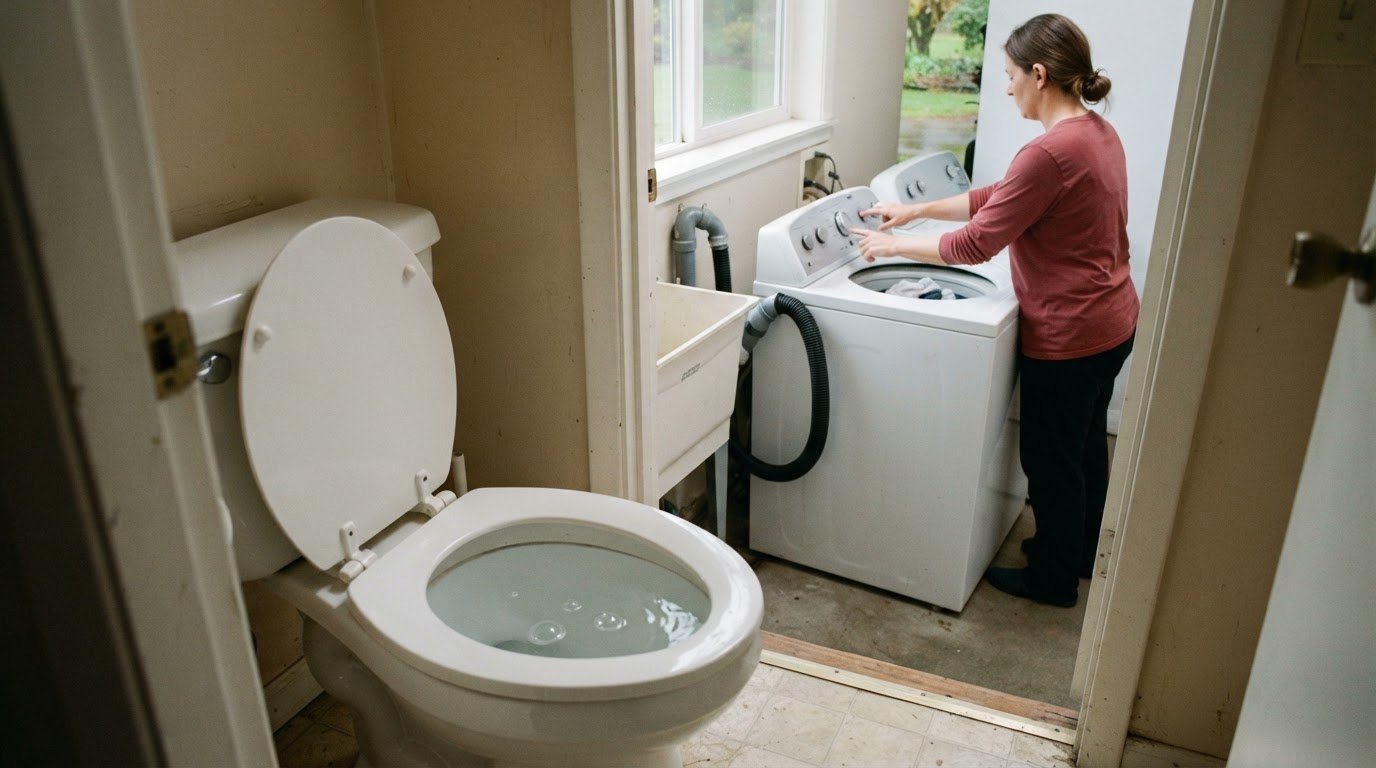
It’s reasonable to want a quick check before scheduling service. Look for changes you can see, such as slow drains, sewage odors, or pooling water near the drainfield. These clues can help you describe a concern, but they can’t reveal the condition of buried components or replace a documented inspection when one is needed.
This guide explains what you can safely observe, what a professional can assess, and when to arrange an inspection in Oregon. It also covers why transaction-related inspections and written reports differ from routine homeowner checks. Lil’ Stinky Septic Service, based in Canby, provides DEQ-certified inspections and written reports for real-estate transactions across the greater Portland area, backed by more than 25 years of experience.
Key Takeaways
- DIY septic inspection vs professional assessment comes down to visibility: homeowners can note surface changes, but visual checks can’t establish how buried components are functioning.
- Keep checks safe by observing drains and yard conditions without opening, entering, or disturbing septic components.
- Record new odors, slow drains, pooling water, and other changes so you can share a clear history if you arrange an inspection.
- A professional inspection can assess system condition beyond what’s visible and provide written reporting for real-estate transactions when needed.
- If symptoms persist or a property transaction is underway, review applicable Oregon DEQ and county guidance and consider a professional inspection.
DIY Septic Inspection vs. Professional Inspection: What Is the Difference?
A homeowner check can show that something has changed, but it can’t establish whether the whole septic system is functioning properly. That’s the key difference in the DIY septic inspection vs professional question: a homeowner can make safe, surface-level observations, while a professional can assess system components and document findings.
What can a homeowner reasonably observe?
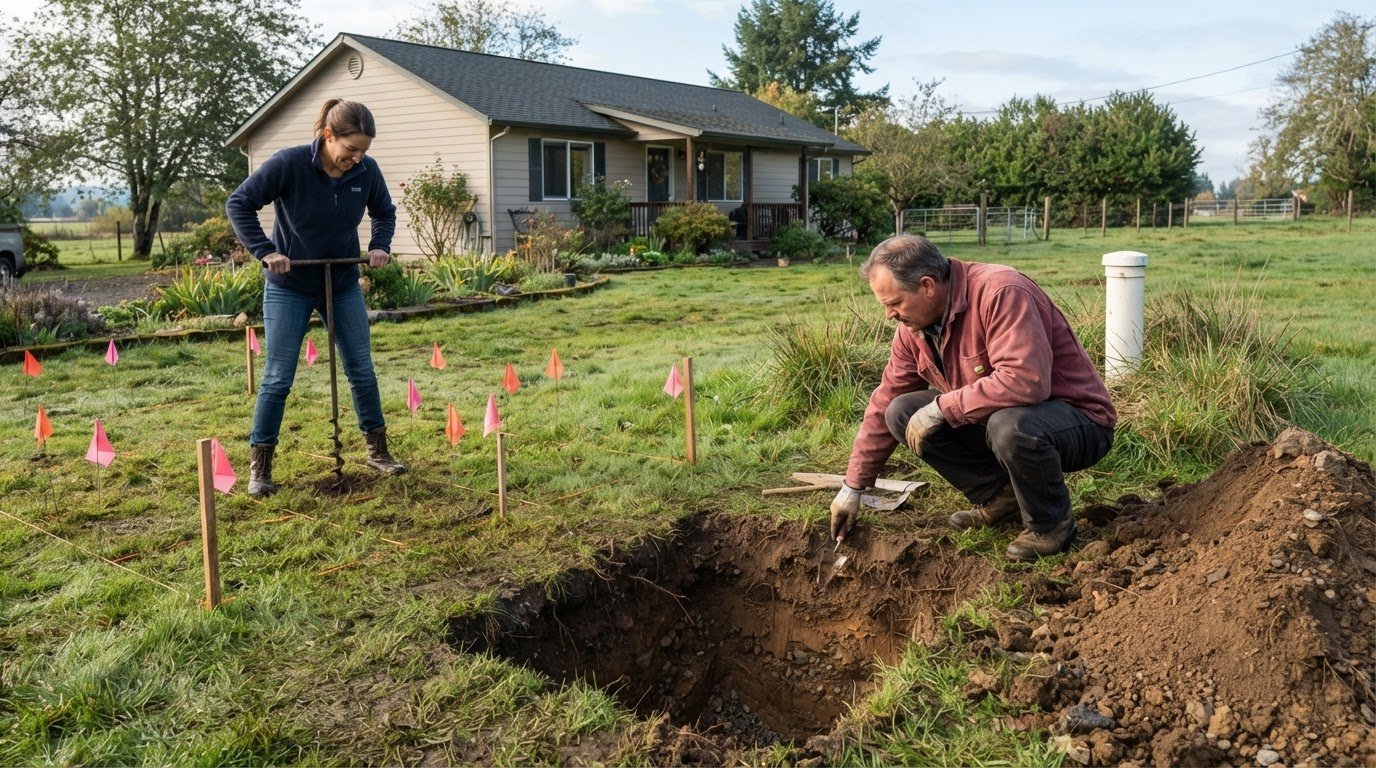
Walk the property and note changes without digging, lifting covers, or disturbing equipment. Inside, pay attention to how sinks, toilets, and showers drain. Outside, look for unusual wet or especially green areas near the system, standing water, odors, or visible damage. These clues may signal a concern, but they don’t identify its cause.
- Note where and when you see a yard change or smell an odor.
- Record which fixtures drain slowly and whether the issue persists.
- Gather available system records, such as a property plan or maintenance history.
A DIY septic check can document visible changes, but it cannot confirm the condition or performance of buried system components. Treat your notes as observations, not a diagnosis. For background on how a septic tank works, it helps to know that wastewater moves through connected parts, some of which aren’t visible from the surface.
What makes a professional septic inspection different?
A professional can assess the system more broadly and interpret observations in context. Depending on the property and inspection scope, components such as the tank, distribution box, and drainfield may be evaluated. Each has a different role, and a problem in one area may not be obvious from a household fixture or a walk around the yard.
Normal drains are reassuring, but they don’t prove every part of the system is sound. A system may appear usable while an underground component needs attention. Likewise, a tidy, dry yard can’t reveal the condition of a tank or distribution box. A visual check offers clues, not a complete picture.
Professional findings can also be documented. A conversation may help explain an observation, while a written report gives you a record when documentation is needed, such as for a real-estate transaction. Inspection scope and reporting needs can vary, so confirm that the inspection addresses the information required for your situation.
| Homeowner check | Professional inspection |
|---|---|
| Observes visible yard and plumbing changes | Assesses system components within the inspection scope |
| Records symptoms and locations | Interprets findings using professional experience |
| Cannot confirm underground condition | Can provide written findings when needed |
Use your observations to describe what has changed, then arrange a professional assessment when you need answers about system condition or formal documentation. Your notes provide useful context, but they aren’t a substitute for an inspection.
What DIY Septic Checks Can You Safely Do at Home?
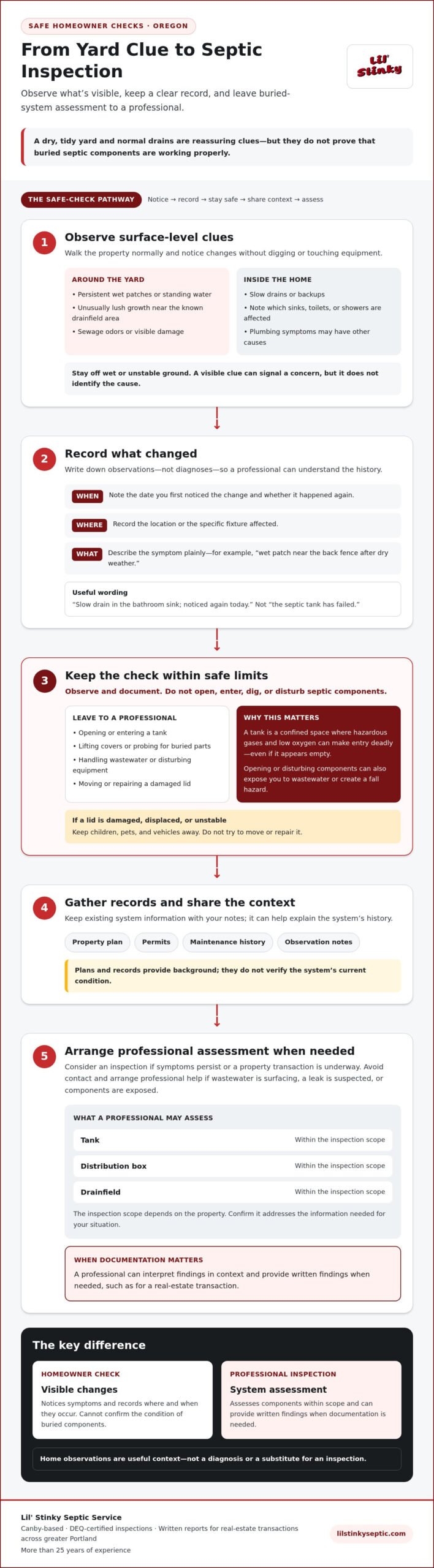
A safe home check stays on the surface. You can observe household plumbing and the yard, review records you already have, and write down changes. You don’t need to locate buried parts or touch septic equipment to gather useful information. In the DIY septic inspection vs professional comparison, the homeowner’s role is to notice and report, not to test or diagnose.
A low-risk visual check around the property
Take a normal walk around the property without stepping onto wet or unstable ground. Look for changes near the known drainfield area, such as persistent wet patches, unusually lush growth, or odors. Inside, note recurring slow drains or backups, but don’t assume the septic system is responsible. Plumbing issues can have other causes—professional drainage specialists such as CQR Plumbing often highlight that localized pipe clogs or fixture blockages are frequently responsible rather than the tank itself.
- Write down the date, location, and what you observed. Use descriptions such as “wet patch near the back fence after dry weather,” rather than “drainfield failure.”
- Track whether a plumbing symptom affects one fixture or several, and whether it happens again.
- Review available property plans, permits, or maintenance records. These may help a professional understand the system’s history, but they don’t verify its current condition.
- Keep notes and records together so you can share them if you arrange an inspection.
For broader maintenance guidance, the EPA homeowner’s guide to septic systems explains practical steps for caring for a septic system. Treat a visual clue as a reason to pay attention, not proof of a specific fault.
What homeowners should leave to a professional
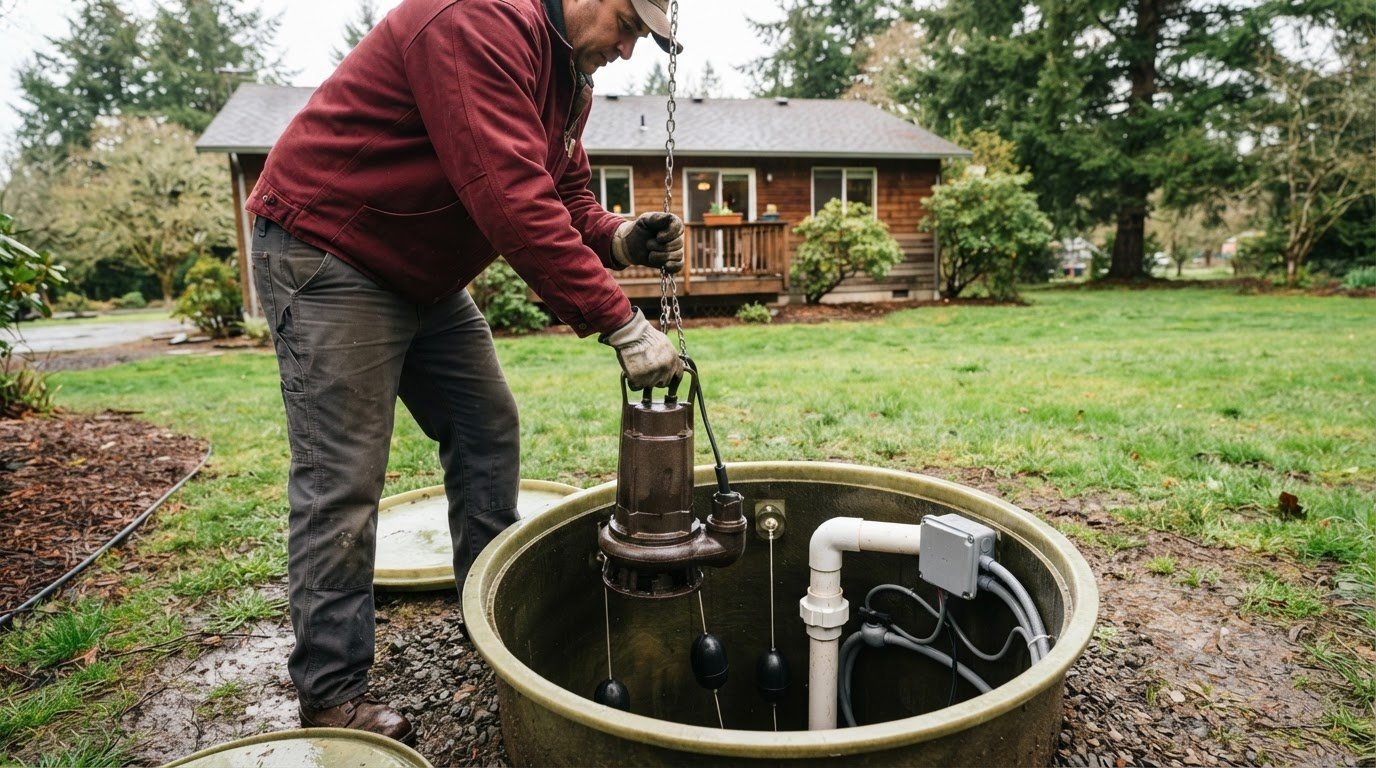
Don’t open a tank, enter it, probe the ground to find buried components, or handle wastewater. A septic tank is a confined space where hazardous gases and low oxygen can make entry deadly, even if the tank appears empty. Opening or disturbing components can also expose you to wastewater or create a fall hazard.
Take damaged, displaced, or unstable lids seriously. Keep children, pets, and vehicles away from the area, and don’t try to move or repair the lid yourself. If you see exposed components, suspect a leak, or notice wastewater surfacing, avoid contact and arrange professional help. Identifying the cause takes an assessment beyond safe homeowner observation.
A clear record can make the next step more useful. Include what changed, when you first noticed it, whether it recurred, and any relevant system documents. This gives the professional concrete context without turning a symptom into a diagnosis. If your observations raise questions a visual check can’t answer, arrange a septic inspection.
Professional Septic Inspection vs. DIY: What Can Each One Reveal?
Your notes can describe what’s happening above ground. They can’t show whether wastewater is moving and dispersing properly through buried parts of the system. A professional inspection can provide a broader assessment of relevant components within its scope. That’s the practical difference in the DIY septic inspection vs professional comparison: observations offer clues, while professional findings help answer questions about system condition.
Which septic components are difficult to assess yourself?
A tank’s location on a property plan doesn’t reveal its current condition. Baffles, which help direct wastewater inside the tank, and a distribution box, which directs flow toward the drainfield, are also difficult to assess from the surface. A drainfield’s performance can’t be established by how the grass looks. Underground issues may exist without obvious surface symptoms, so don’t dig, probe, or open components to investigate.
A professional may evaluate the tank, distribution box, and drainfield, depending on the inspection scope. Don’t assume a particular test or measurement is included in every inspection. Use the comparison below to understand what each type of check can reasonably tell you.
| Task or component | DIY visibility | Professional role |
|---|---|---|
| Yard and surface conditions | You can note wet areas, odors, or visible changes. | Can consider those observations alongside the broader system assessment. |
| Tank and baffles | Buried or enclosed parts aren’t reliably assessed from the surface. | May assess relevant tank components within the inspection scope. |
| Distribution box | Its condition and flow distribution aren’t confirmed by looking at the yard. | May evaluate it as part of the system, depending on inspection scope. |
| Drainfield | Grass and soil appearance alone can’t confirm performance. | Can assess the drainfield as part of a broader inspection. |
Normally functioning drains don’t establish that every underground component is working as intended. A visible symptom doesn’t identify the problem part on its own, either. A professional assessment adds context, and the findings should be understood in relation to what the inspection included.
When are findings and a written report important?
For a general maintenance question, you may mainly want to understand what a symptom could mean and what to do next. A property transaction or another formal request can call for documented findings. Buyers, sellers, lenders, or agencies may need a written report, depending on the circumstances and applicable requirements.
Don’t treat an informal conversation or your own notes as a substitute for requested documentation. Lil’ Stinky Septic Service provides DEQ-certified inspections and written reports for real-estate transactions. For more context on certified evaluations, read this Oregon septic inspection guide. A report identifies what was assessed and what findings were recorded, helping distinguish documented results from surface impressions.
When Should Oregon Homeowners Stop DIY Checks and Call a Professional?
Use a simple decision point: if you see a recurring symptom, a safety concern, or need documented findings, move from observation to professional assessment. One clue doesn’t identify the cause, but it can tell you to stop guessing. In the DIY septic inspection vs professional decision, stop investigating as soon as it involves wastewater, damaged components, or anything buried or enclosed.
Warning signs that need professional assessment
Pay attention to persistent odors, wet areas near the system, recurring backups, or damaged access points. These signs can have different causes, so don’t conclude from one symptom that the tank or drainfield has failed. Note what you observed and when, then share that information rather than testing or repairing a component yourself.
- Recurring plumbing problems: Arrange an assessment if slow drains or backups return or affect multiple fixtures. For active backups, use safe precautions and review this septic drain cleaning guide for Clackamas County.
- Wet ground or persistent odor: Keep people and pets away from suspect areas and avoid contact with wastewater.
- Damaged or unstable access points: Keep people and vehicles clear. Don’t lift, move, or try to secure a damaged lid yourself.
- Possible hidden problem: If answering the question would require digging, opening a tank, or handling a system component, leave that work to a professional.
Call a professional when symptoms persist, components appear damaged, wastewater may be exposed, or you need an inspection report.
Oregon requirements and real-estate situations
A homeowner’s visual check is useful for tracking changes, but it isn’t a certified inspection or a transaction report. If you’re buying or selling a property, or a lender or agency requests documentation, identify the findings and records needed before relying on informal observations. Requirements can depend on the situation and location.
Don’t assume one statewide rule covers every property sale or that county procedures are identical. Review current Oregon DEQ guidance and applicable county information for your situation. The Oregon septic inspection guide explains certified inspection and compliance considerations. When a decision depends on a current requirement, confirm it with the relevant authority.
Keep property records and dated notes together. They can provide useful context, but they don’t replace a professional assessment or required documentation. If you need answers about system condition or written findings, arrange a professional septic inspection rather than extending a DIY check beyond what you can safely observe.
Arrange a Professional Septic Inspection in the Canby and Portland Area
A visual check can raise a question without answering it. A professional septic inspection is a practical next step when you need a better-informed assessment of system condition or when a property transaction calls for written findings. It doesn’t mean the system has failed. It helps replace guesswork with an assessment of the septic system.
Lil’ Stinky Septic Service is based in Canby and serves the greater Portland area, including Clackamas, Multnomah, Washington, Marion, and Yamhill counties. The locally owned company has more than 25 years of experience and provides DEQ-certified septic inspections, including written reports for real-estate transactions. Lil’ Stinky Septic Service is a licensed contractor, CCB #189693.
What to have ready before arranging an inspection
A few records and clear notes can provide useful context. Gather what you already have, but don’t delay arranging an assessment because a document is missing. Describe the concern you want addressed and any documentation needs, especially if the inspection relates to a property transaction.
- Available septic system plans, permits, or property records.
- Prior inspection reports and known service or maintenance dates.
- A short description of what you’ve noticed, including when it began and whether it recurs.
- Property details that may help identify the system, such as a site plan or known tank location.
- Any request for written findings from a buyer, seller, lender, or other party.
Keep observations factual. For example, note that a symptom started after heavy household use rather than deciding what caused it. If the concern involves a specific area of the property, describe its location as clearly as you can. These details help frame the inspection without implying a particular scope, method, or result.
Get a local professional assessment
In the DIY septic inspection vs professional decision, a professional assessment is the sensible next step when surface observations leave questions unanswered. An inspection can provide a more informed view than a yard walk alone, while the components assessed depend on its scope. If you need documentation for a real-estate transaction, mention that when arranging the inspection.
Approach the inspection as information gathering, not a verdict that something is wrong. Bring your records, share what you’ve noticed, and let a professional assess the system. Lil’ Stinky Septic Service serves homeowners from its Canby base throughout the greater Portland area and the listed counties.
Schedule a professional septic inspection with Lil’ Stinky Septic Service to take a clear, informed next step.
Turn Uncertainty Into a Clear Next Step
You don’t have to solve a septic concern on your own. A symptom is a reason to pay attention, not proof that the system has failed. Keep a record if you’re monitoring a change, and seek a professional assessment when you need answers that a surface check can’t provide.
The right choice in the DIY septic inspection vs professional question depends on what you need to know. If you need an informed assessment or written findings, choose a professional rather than investigating hidden components yourself. An inspection can provide useful information for planning what comes next.
Arrange a professional septic inspection with Lil’ Stinky Septic Service and take a confident next step for your home.
Frequently Asked Questions
Can a septic inspection be done without pumping the tank?
Yes, a septic inspection can sometimes be done without pumping. Inspection and pumping are separate services, and an inspection doesn’t automatically mean pumping is needed. In the DIY septic inspection vs professional decision, describe whether you’re seeking routine system information or findings for a specific purpose, such as a property transaction. A professional can assess the system and explain the findings. The appropriate scope depends on the system and reason for the visit.
How do I find septic system records for my Oregon property?
Start with paperwork kept with the property, such as a site plan, permit, or prior service record. If you recently bought the home, ask the previous owner where available records were stored. You can also contact the relevant county office to ask what property records it holds and how to access them. Older systems may have incomplete documentation, so a missing record doesn’t necessarily mean there is no system history.
Should I prepare anything before a professional septic inspection?
Yes. Gather prior inspection reports, available property plans, known service dates, and a brief timeline of symptoms. If there’s a particular concern, note which fixtures or areas are involved and whether it happens repeatedly. Keep access points clear only if you can do so safely. Don’t open lids or move heavy covers. These details provide useful context, but they don’t replace the professional’s assessment.
Can heavy rain affect what I see during a septic inspection?
Yes. Heavy rain can change ground conditions and make it harder to tell whether a wet patch is unusual or related to the septic system. A soggy area after a storm alone doesn’t prove system failure. Note when the rain occurred, where water appeared, and whether the area stayed wet afterward. Share those observations with the inspector, who can consider them alongside the system and other evidence.
Is a septic inspection the same as a home inspection?
No. A general home inspection and a septic-system assessment have different scopes. A home inspector may notice a visible concern, but that doesn’t necessarily establish the condition of buried system components or provide a transaction-ready septic report. If you’re buying or selling a property, identify what documentation the parties to the transaction need and whether a separate septic assessment is expected. Don’t assume one report satisfies every request.
What should I do if I find a damaged septic tank lid?
Keep people, pets, and vehicles away, and don’t lift, repair, or cover the lid yourself. A damaged or unstable access point can create a fall hazard and may expose people to dangerous conditions. Contact a qualified septic professional to assess it, and keep others clear until it’s addressed. If someone is in immediate danger, call emergency services. Don’t approach the lid to take measurements or inspect underneath it.