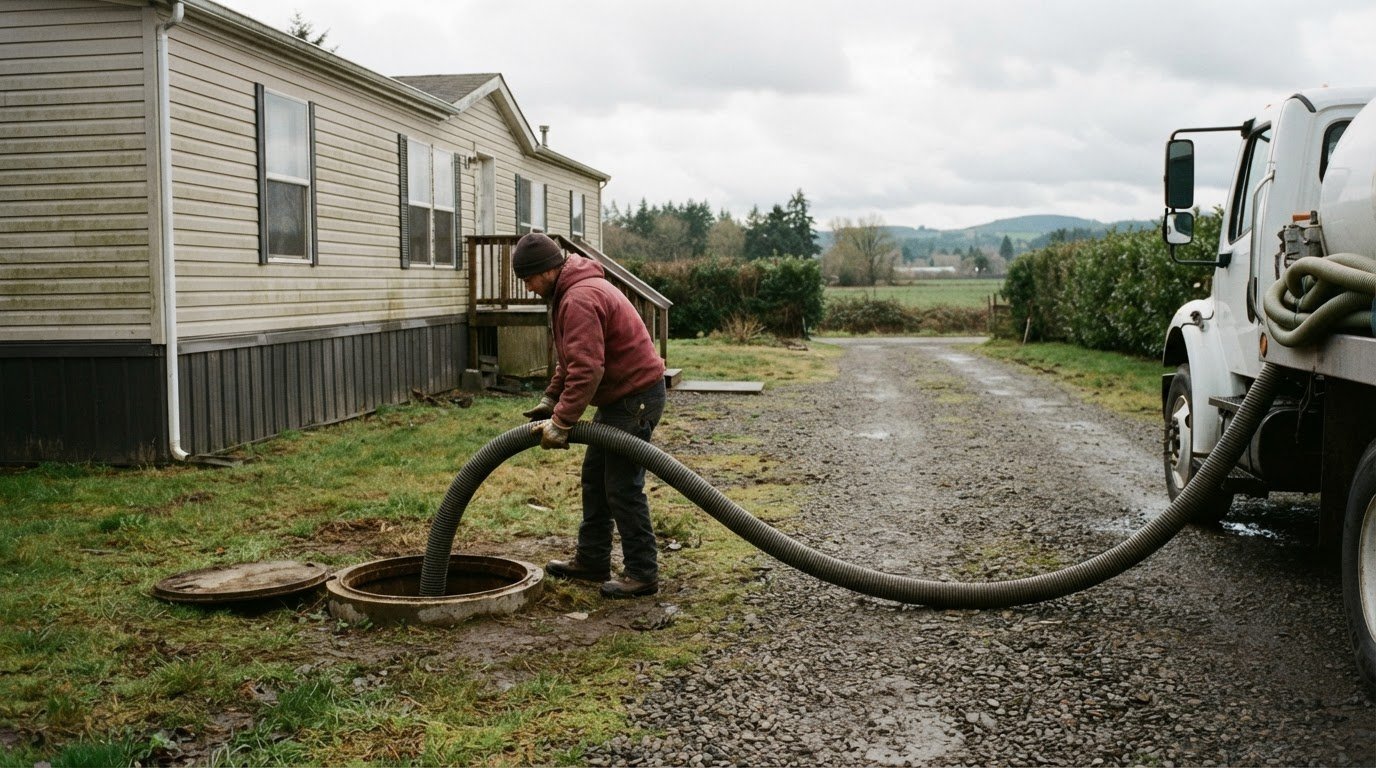
For manufactured homes in Canby, septic service starts with a schedule based on the system and household. The U.S. Environmental Protection Agency recommends pumping a septic tank every 3 to 5 years, depending on tank size, household size, and water use. For septic service for manufactured homes in Canby, pumping costs depend on the work involved, including tank access and whether inspection or repairs are also needed.
Before booking septic service for manufactured homes in Canby, it helps to understand what the job involves and what can affect an estimate. This guide explains how to prepare for routine pumping, when an inspection or repair may be appropriate, and what details to share about your property and system.
Key Takeaways
- Plan pumping around your tank size, household size, and water use; the U.S. Environmental Protection Agency gives a general interval of every 3 to 5 years.
- Learn when an inspection can help locate system components, review maintenance history, or assess whether the system suits planned home changes.
- Recognize how system condition and site needs can shape decisions about repairs, installation, or replacement.
- Understand what to share with a septic professional so they can assess the work involved and explain the next step for your Canby home.
Septic system inspections
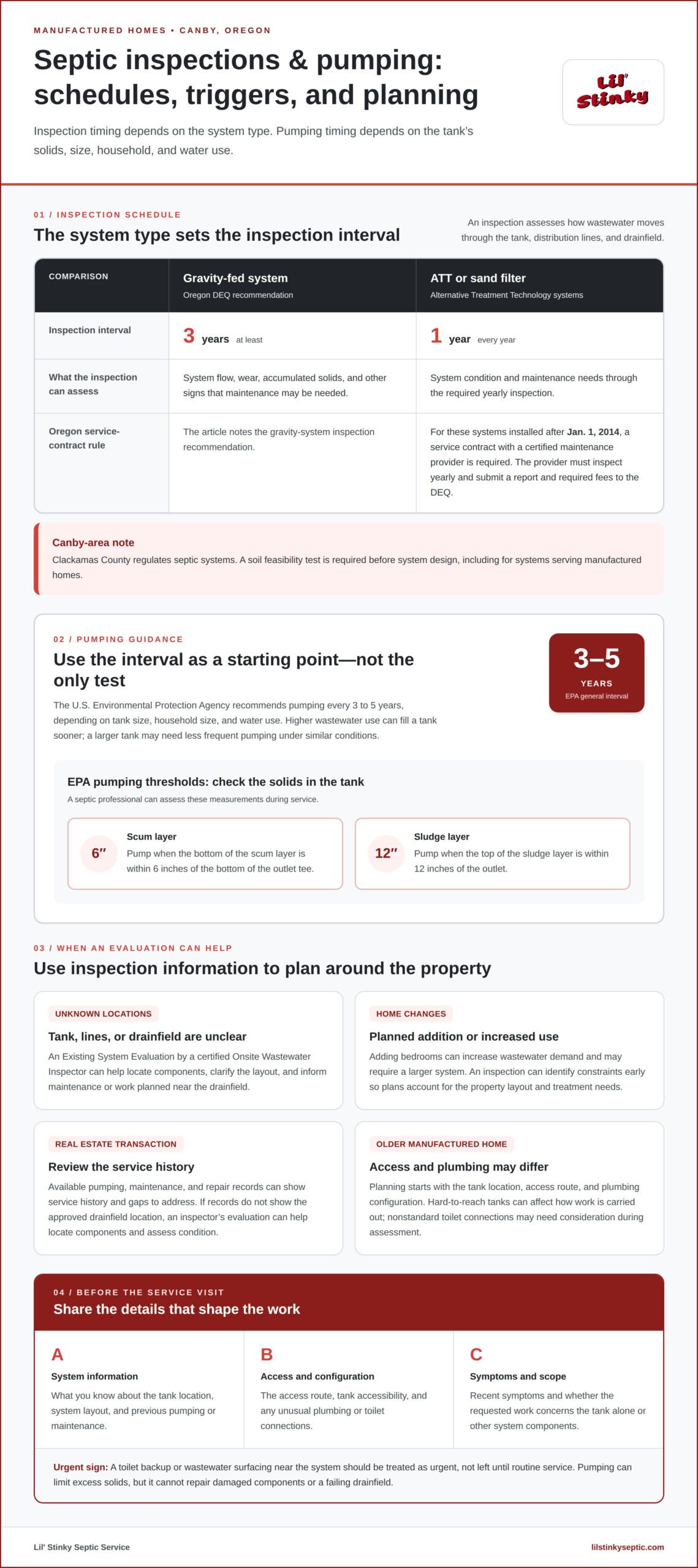
An inspection assesses how wastewater moves through the tank, distribution lines, and drainfield. For a gravity-fed septic system, the Oregon Department of Environmental Quality recommends an inspection at least every three years. An inspection can identify wear, accumulated solids, or other signs that maintenance may be needed before a problem disrupts the household.
Alternative Treatment Technology (ATT) systems and sand filter systems follow a different schedule. They should be inspected every year. In Oregon, systems of these types installed after Jan. 1, 2014, must have a service contract with a certified maintenance provider. That provider must inspect covered systems once every year and submit a report and required fees to the DEQ.
In Clackamas County, septic systems are regulated by the county, and a soil feasibility test is required before system design. These requirements apply to systems serving manufactured homes as well. The home type does not replace the county’s review of the septic system.
If a Canby property’s tank, lines, or drainfield locations are unknown, an Existing System Evaluation can help establish where the components are. A certified Onsite Wastewater Inspector conducts the evaluation. The findings can clarify the system layout and inform decisions about maintenance or planned work near the drainfield.
For a real estate transaction, review any available maintenance, pumping, and repair records. They can show the system’s service history and identify gaps to address before purchase. If the records don’t show the approved drainfield location, an inspector’s evaluation can help locate the components and assess their condition.
Before adding onto a home or making another change, assess whether the existing septic system can support the planned use. Adding bedrooms, for example, can increase wastewater demand and may require a larger system. An inspection can identify constraints early, helping ensure design and installation plans account for the property’s layout and treatment needs.
Septic pumping frequency
The U.S. Environmental Protection Agency recommends pumping a septic tank every 3 to 5 years, depending on tank size, household size, and water usage. That interval is a starting point, not a substitute for checking the tank’s solids. Higher wastewater use can fill a tank sooner, while a larger tank may need less frequent pumping under similar conditions.
The U.S. Environmental Protection Agency identifies two pumping thresholds: the tank needs pumping when the bottom of the scum layer is within 6 inches of the bottom of the outlet tee, or when the top of the sludge layer is within 12 inches. These measurements show how close floating grease and settled solids are to the outlet. A septic professional can assess them during service and pump when needed.
Older manufactured homes can be serviced even when their plumbing or tank access differs from newer layouts. Planning starts with assessing the access route, tank location, and plumbing configuration. A hard-to-reach tank may affect how the work is carried out, while nonstandard toilet connections may need consideration during a system assessment.
Commercial properties may have different wastewater demands from households, and grease traps may be part of their wastewater setup. Pumping requirements depend on the system and the material collected. Septic tank pumping removes tank contents, while grease trap service addresses a separate component, so clarify the scope of work before it begins.
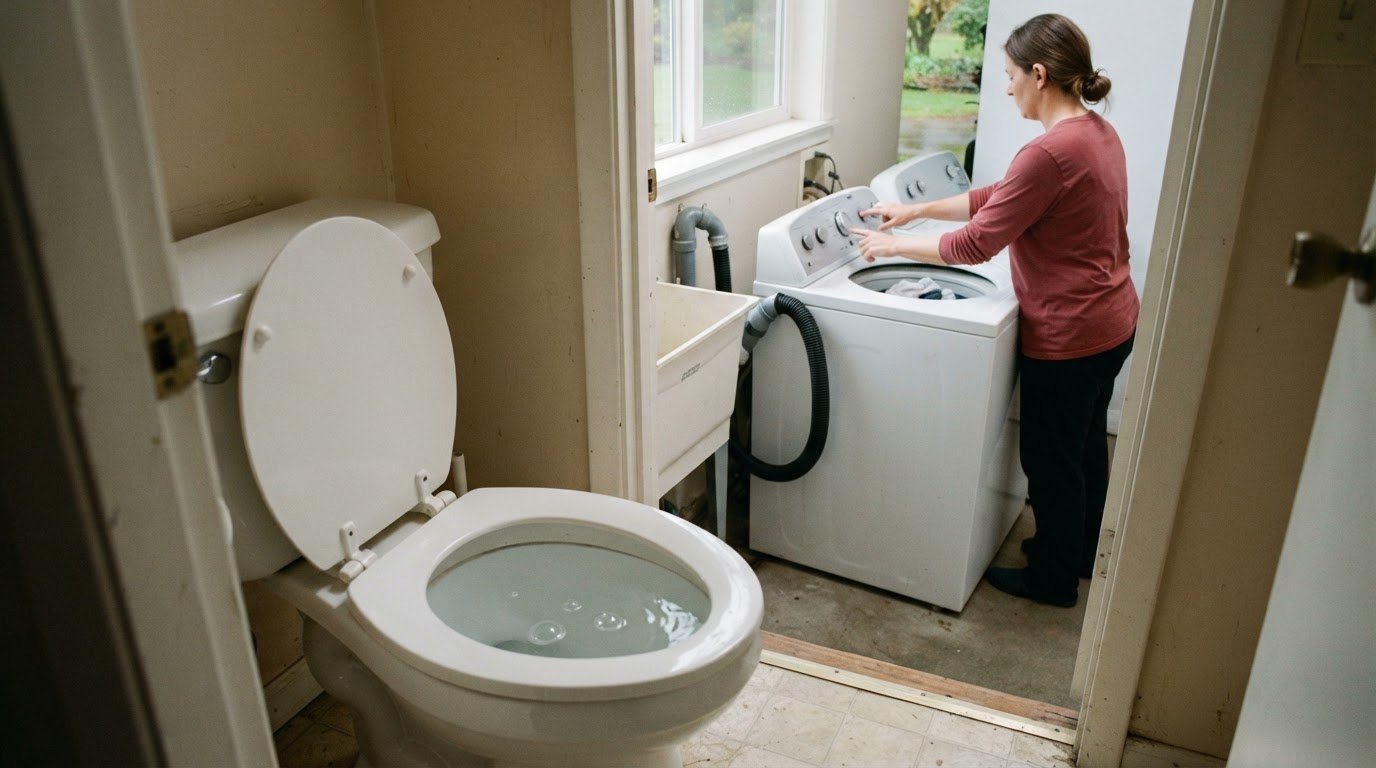
Septic pumping includes removing wastewater and handling it as part of the service. Ask what the visit covers, including whether it addresses the tank alone or other system components. If a toilet backs up or wastewater surfaces near the system, treat it as urgent rather than waiting for routine service. Pumping can help limit excess solids, but it cannot repair damaged components or a failing drainfield.
For a planned tank visit, arrange professional septic tank pumping and share what you know about tank location, access, and recent symptoms.
Septic installation, repair, and replacement
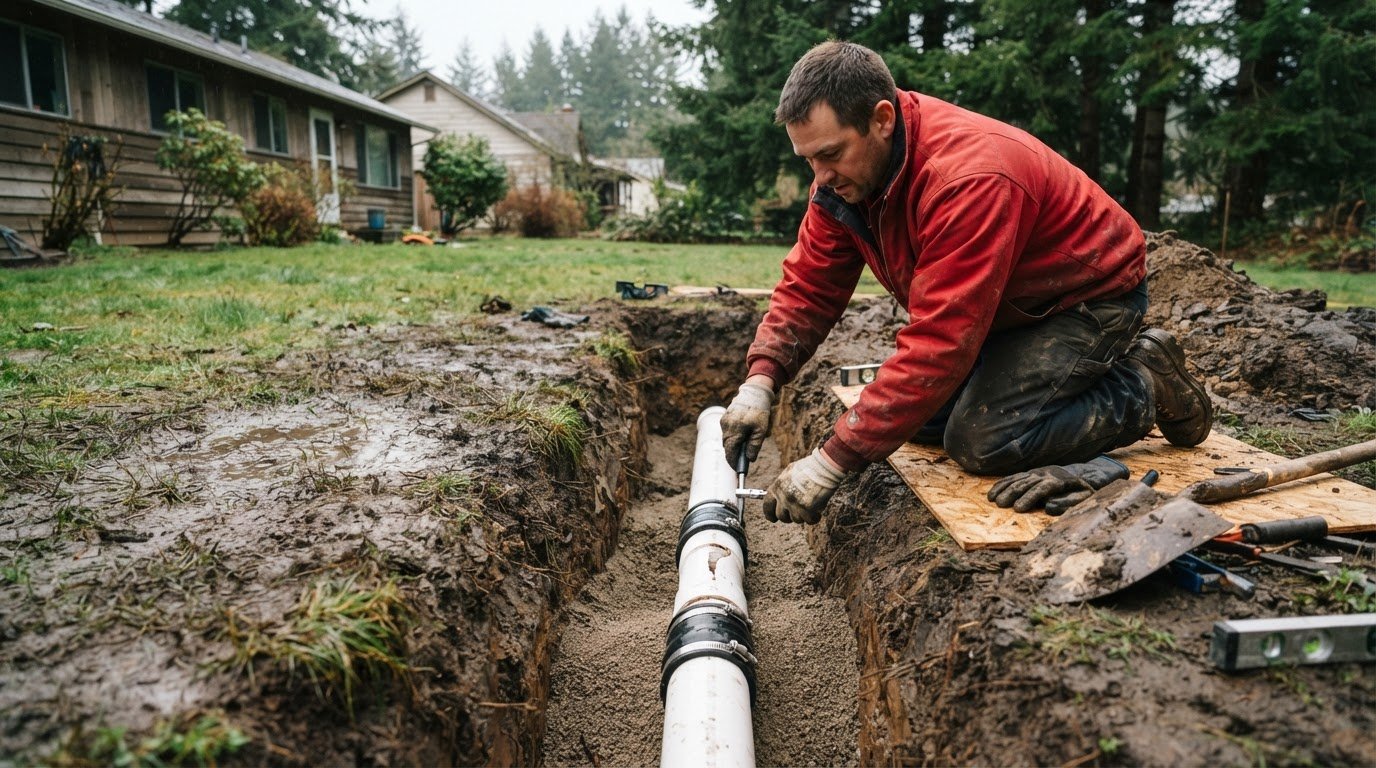
A conventional septic system has a septic tank and a drainfield. In Canby, the county regulates septic systems, and a soil feasibility test must happen before system design. Tank size depends primarily on the household’s number of bedrooms. For a manufactured home, installation planning also accounts for the site layout and how wastewater will reach the system.
A new septic system project typically involves evaluating the site, completing a soil test, designing the system, and installing its components. A new tank installation takes about a week from groundbreaking to initial operation, not including the additional time needed for plans and permits. That timeline covers installation work, not the entire project preparation process.
Repair or replacement depends on which component is failing. The tank holds solids and wastewater, while the drainfield receives treated effluent. An assessment can determine whether the problem involves the tank, drainfield, connecting lines, or another component. Replacing a system may require new design work based on soil conditions and site constraints, rather than simply swapping the tank.
Drainfield installation and repair require careful attention to location and soil conditions. The drainfield treats wastewater as it moves through the soil, so damage or unsuitable conditions can affect system performance and groundwater protection. Pumping removes accumulated solids but won’t fix a failed drainfield. A technician can assess the system and identify which component needs attention.
A septic pump may move wastewater when gravity flow isn’t sufficient. Installing or repairing one can involve assessing the pump and connected components. The work depends on the system design and the problem being reported.
Installation and replacement costs depend on site conditions, design, system components, and the scope of work. Lil’ Stinky Septic Service provides free estimates, with pricing discussed after a quote request. A clear estimate should distinguish pumping from repairs, drainfield work, or full replacement, since each addresses a different need.
Septic service providers serving Canby
For Canby homeowners, choose a septic professional whose work fits the system’s actual needs. Providers offering septic service for manufactured homes in Canby may handle routine pumping, inspections, or installation, but these are different jobs. Describe the symptoms and system history clearly. For example, a sewage backup calls for a different assessment than a planned maintenance visit.
When requesting septic service for a manufactured home in Canby, start with the property location and the concern. Share whether the home is occupied, the known tank or drainfield locations, and any available service records. Mention access details, such as a blocked route or buried tank cover. These specifics help the service team understand the site and plan the visit.
Ask for a clear explanation of the proposed work. A thorough service description distinguishes pumping from an inspection or installation, and explains what the visit will assess. For septic service for manufactured homes in Canby, that distinction helps you understand whether the planned work addresses the immediate symptom or a broader system concern.
Regular maintenance can identify accumulated solids or developing problems before they lead to costly repairs. Pumping alone, however, won’t resolve damage to a drainfield or another component. A useful assessment links the reported symptom to the part of the system that needs attention, rather than treating every problem as a pumping issue.
For an urgent backup or wastewater surfacing near the system, describe what you’re seeing and where when requesting help. For routine work, share the last known service date and any recent change in household water use. These details give the service team helpful context for discussing the next step.
Gather the property address, system records, access notes, and a short description of the problem. To discuss a septic concern in Canby, request septic service and explain what the home’s system needs.
If wastewater is backing up or surfacing near the system, contact a septic service and describe the location and symptoms. Share the property address, access details, and any available system records so the team can understand the concern and discuss what to do next.
Lil’ Stinky Septic Service
Lil’ Stinky Septic helps manufactured-home owners in Canby determine what their system needs, whether that’s pumping, an inspection, installation, or support for an ATT system. If you’re unsure whether a symptom calls for routine maintenance or a closer assessment, share what you’ve noticed and any service records you have. That context helps clarify the concern and the appropriate next step.
Whether you’re buying a home, planning a change, or addressing a system problem, explain the property’s location, known tank access, and the issue you’re seeing. Contact Lil’ Stinky Septic to discuss septic service for your manufactured home in Canby.
Take the Next Step for Your Home
Make your next septic decision with your home’s long-term needs in mind. A clear service plan can turn uncertainty into a practical next step, whether you’re addressing a current concern or planning ahead. Choose septic service for manufactured homes in Canby that fits the system and the work it needs.
Lil’ Stinky Septic provides septic tank pumping, septic inspections, septic installation, and ATT systems. These services can support routine maintenance, assess system condition, or move a planned project forward. Share your concern and property details to start a straightforward conversation about the work ahead.
Contact Lil’ Stinky Septic Service to discuss your manufactured home’s septic needs and take the next step with confidence.
Frequently Asked Questions
How Much Does Septic Pumping Cost?
Septic pumping costs depend on the tank, access, and work required. Lil’ Stinky Septic provides a free estimate, with pricing discussed after a quote request. Tank location, access conditions, and any additional system work can affect the scope. Share the property location and known access challenges to get started.
Need Septic Service?
For a backup, unusual odor, or other septic concern at a Canby home, describe what’s happening when you contact Lil’ Stinky Septic. Include whether wastewater is backing up inside, surfacing outdoors, or affecting multiple fixtures. These details can help distinguish a possible tank issue from a line or other system concern and guide the next service step.
What are signs my tank is full?
Slow drains, sewage odors, and wastewater backups can signal a septic problem, but they don’t identify the cause on their own. A toilet backing up while other drains work normally, for example, may indicate a different concern from backups throughout the home. Note where symptoms occur and whether they persist, then share those observations when planning service.
Which septic service companies serve manufactured homes in Canby, Oregon?
Lil’ Stinky Septic serves residential and commercial customers in Canby, Oregon. For a manufactured home, describe the system concern, property location, tank access, and known maintenance history. This helps identify the relevant service, such as pumping, inspection, or installation, instead of assuming every property needs the same work.
What septic services are available for manufactured homes in Canby?
Septic services include tank pumping, inspections, installation, and ATT systems. The right service depends on the issue: accumulated material may call for pumping, uncertainty about system condition may warrant an inspection, and a new system requires installation planning. Share the home’s concern and system details so the work can match the property’s needs.
How much does septic tank pumping cost in Canby, Oregon?
There’s no single pumping price for every Canby property. The cost depends on the tank, access conditions, and any additional work included. Lil’ Stinky Septic provides free estimates, with pricing discussed after a quote request. Include the property location, known tank access, and reason for service when requesting an estimate.