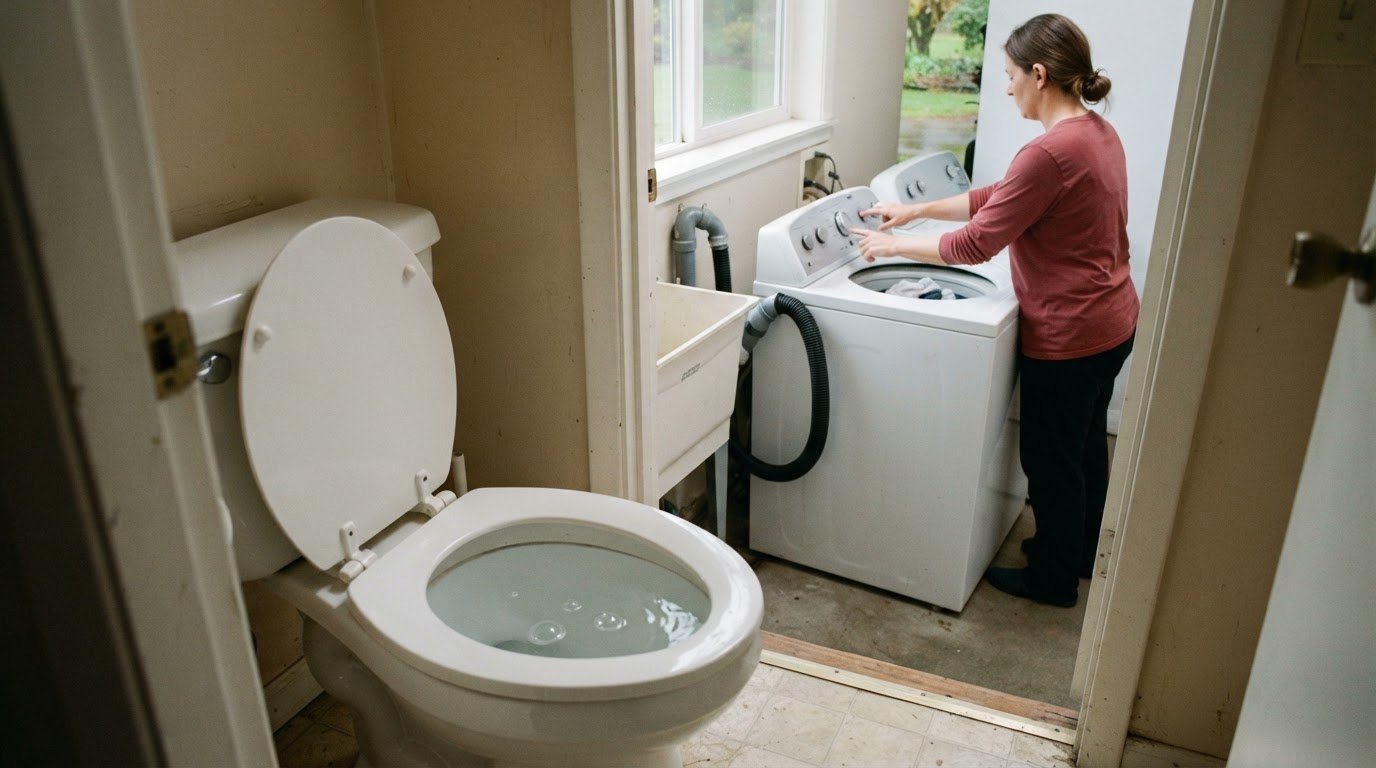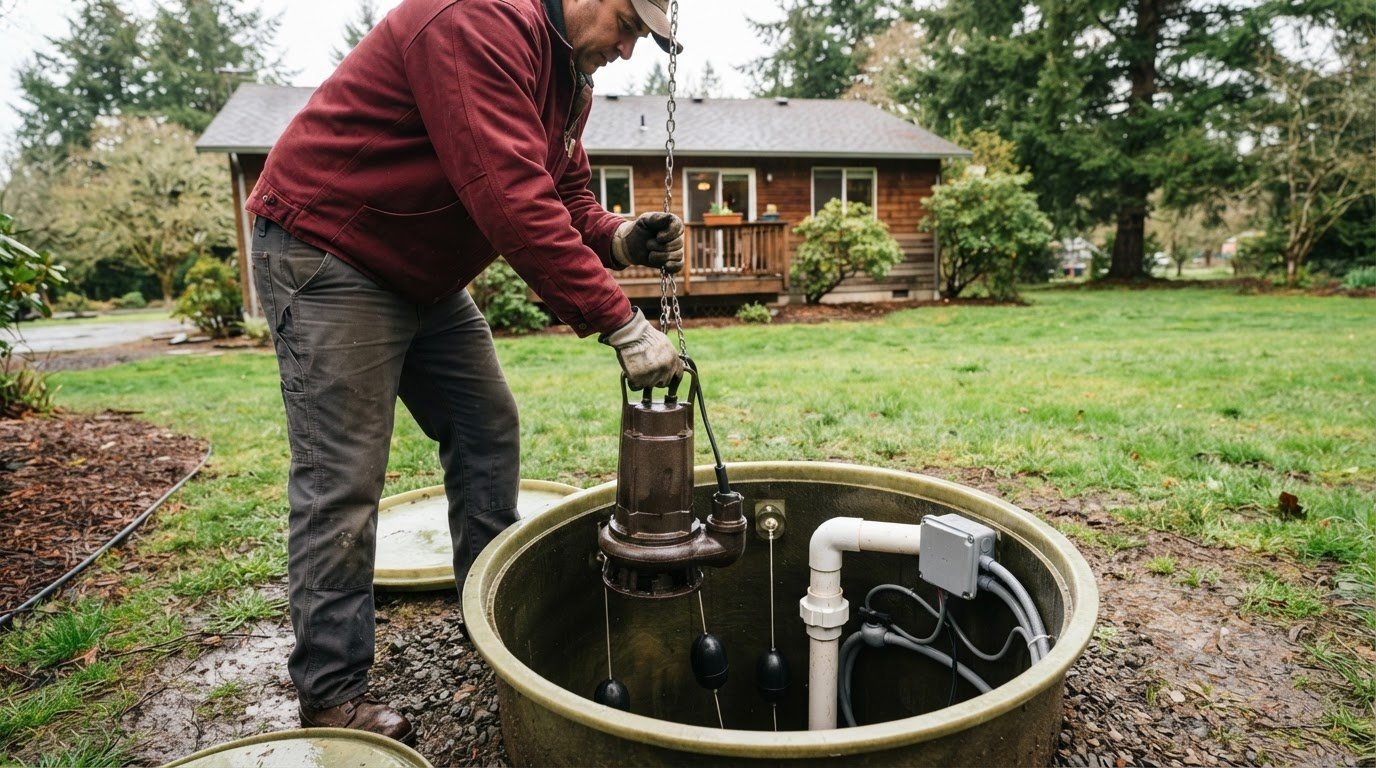
Slow drains, pooling water in the yard, and unpleasant odors indoors or outdoors can all signal septic trouble. For septic repair in Marion County, recognizing these signs early can help you decide when to arrange an inspection and when the problem may need urgent attention.
Slow drains or sewage odors are unsettling, especially when the cause isn’t clear. This guide explains what common symptoms may mean, when emergency service may be needed, and what to expect if a septic line needs repair or replacement.
You’ll also learn how a professional assesses the system and how tank pumping, inspections, and line work may fit into the next steps. That way, you can describe the problem clearly and make a more informed decision about getting it addressed.
Key Takeaways
- Recognize changes around your home that may signal a septic problem, and understand why they deserve attention.
- Learn what can make a septic issue urgent and what details help a professional assess the situation.
- See how septic line repair differs from replacement and what a professional evaluates before recommending work.
- Understand how inspections, pumping, and installation can support the next step toward resolving septic trouble.
Do you offer emergency septic service?
Yes, emergency septic response is available 24/7 for urgent system problems. A wastewater backup inside the home, sewage surfacing outside, or several drains failing together needs prompt professional attention. These symptoms can point to a blockage, an overfull tank, or a problem elsewhere in the system. Describe what you’re seeing, when it began, and which fixtures are affected. Those details help direct the initial response.
If there’s a backup, limit water use while waiting for an assessment. Avoid flushing toilets or running sinks, showers, dishwashers, and laundry machines, since added wastewater can worsen an overflow. Keep people and pets away from sewage or wastewater on the ground. A professional can inspect the system, identify whether the tank or another component is involved, and explain the recommended next step. The estimate should reflect the diagnosed problem and necessary work, rather than assume every backup needs the same repair.
Emergency pumping may help when a full tank contributes to a backup, but pumping alone won’t fix a damaged line or another system failure. A technician assesses the tank and symptoms before recommending pumping. Share the tank’s known service history and any recent changes, such as unusually slow drains or odors. This context can help distinguish a tank that needs attention from a line or drain-field concern.
Repair may suit a specific, fixable fault; replacement may be needed if the failure affects more of the system. The cost depends on the problem, scope, components, access, and site conditions. Ask for the findings, recommended work, and whether the proposal covers repair or replacement. This makes the difference between the options clear without assuming one is right for every property.
Delaying attention can prolong a backup or wastewater pooling, increasing disruption and exposing more of the property to sewage. While arranging service, reduce water use, stay clear of affected areas, and note which fixtures are backing up. A single slow sink, for example, differs from toilets and several drains failing together. Report that distinction promptly so the assessment can focus on the system’s actual symptoms.
Septic system repair and replacement pros serving Marion
Canby service areas and surrounding communities require attention to local guidelines before considering specific repairs or installation requirements. Regulations and service zones are specific to each local jurisdiction.
Canby Service Area
This article focuses on the Canby area and nearby communities served by Lil’ Stinky Septic Service. Surrounding properties in the local service area include nearby towns and neighborhoods where professional technicians travel for service calls. The property's exact address helps determine whether service reaches the site.
Septic work may involve diagnosing a system problem, repairing a line, pumping a tank, inspecting components, or replacing a failed system. The right scope depends on the symptoms and inspection findings. A localized line issue, for example, differs from a system-wide failure. Describe the property's location and the problem clearly when arranging professional help.
Permits and Inspections
In the local service area, permit and inspection requirements depend on the work and the applicable municipal or county process. A limited repair and a system replacement may have different requirements, so do not assume the same approvals apply to both.
Before work begins, make sure the proposed scope is clear and determine which local requirements apply to the project. Inspections may be part of work that changes or replaces system components. The jurisdiction's requirements, repair location, and extent of the work are key details to resolve.
Homeowners insurance coverage for septic repairs depends on the policy, cause of damage, and any applicable exclusions. Review the policy language for septic systems and the specific event involved; a sudden incident and ongoing wear may be treated differently.
Financial assistance or repair grants may depend on current programs, household eligibility, and the type of septic work. In the local service area, confirm whether a program is active and covers the proposed repair before relying on assistance to plan the work.
To assess a repair proposal, focus on the diagnosed cause, the affected components, and whether the recommendation is repair or replacement. A clear written scope helps you understand what the work addresses. For a property in the Canby area, septic inspection options can help clarify system condition and next steps.
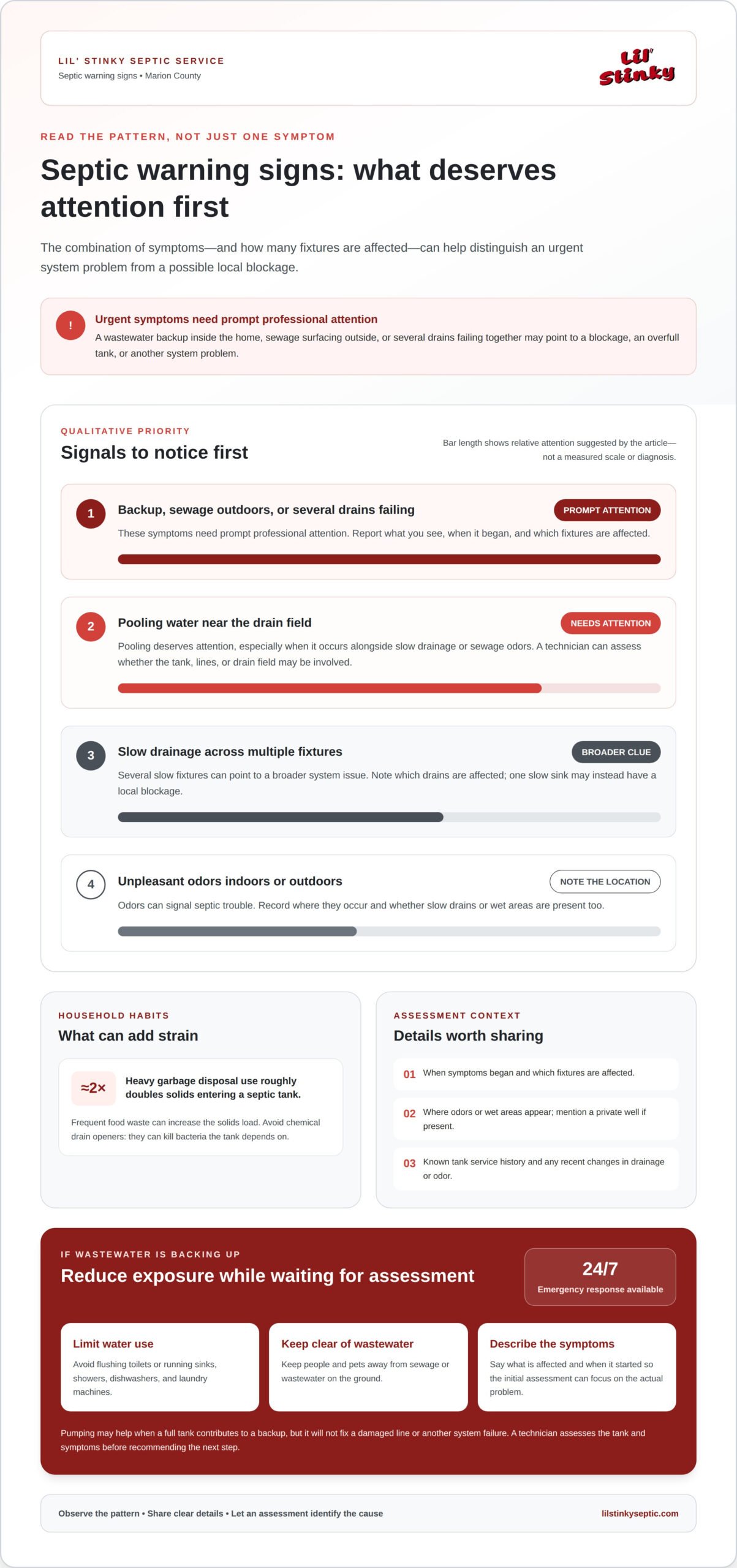
Warning signs of septic system problems
Slow drains, pooling water in the yard, and unpleasant odors indoors or outdoors can signal septic trouble. One slow sink may have a local blockage, while several slow fixtures can point to a broader system issue. Note which drains are affected and where odors or wet areas appear. Those details help a professional assess the problem.
Pooling water near the drain field deserves attention, especially when it occurs alongside slow drainage or sewage odors. A septic tank separates solids from wastewater, which then flows to the drain field for filtration and dispersal into the soil. If the tank isn’t pumped, solids can eventually carry into and clog the drain field. A technician can assess whether symptoms relate to the tank, lines, or drain field.
Household habits can add strain. Heavy garbage disposal use roughly doubles the solids entering a septic tank, so frequent food waste can increase the solids load. Occasional disposal of flat soda has less effect than high-volume dumping by restaurants or convenience stores. Avoid chemical drain openers, which can kill bacteria a septic tank depends on. If a fixture slows, report the symptom rather than relying on chemicals that may affect the tank.
A private well on the property is useful context for a septic assessment. Because a septic system disperses wastewater into the soil, its location, condition, and the surrounding property layout matter. Tell the professional that a private well is present and identify visible system components. This information helps frame the inspection without assuming a problem exists.
Look for patterns instead of treating every symptom as an isolated clog. Several slow drains combined with an outdoor wet patch, for example, provide more context than one slow bathroom sink. Record when the change began and whether odors or pooling appeared at the same time. Share those observations during a professional inspection to help narrow down the cause and determine whether repair is needed.
Septic line repair and replacement
For septic repair in Marion County, a professional first determines whether the fault is limited to a line or involves other system components. The technician reviews the symptoms, system history, and affected fixtures, then inspects the relevant areas. This helps distinguish a localized line issue from a broader system problem before recommending repair or replacement.
Recurring backups, slow drains, or wet ground can guide the assessment. A professional considers where symptoms occur and whether multiple fixtures are affected. The line’s condition and its connection to the rest of the septic system also matter. A clear diagnosis helps avoid treating a symptom while overlooking its cause.
If the issue is confined to a repairable section, targeted work may resolve it. A damaged line that cannot be reliably repaired may need replacement instead. For septic repair in Marion County, the recommendation depends on the damage’s extent and location, the line’s condition, and how it connects with the system. Those findings shape the work plan.
Before work starts, the professional explains the diagnosis, proposed scope, and recommended approach. The estimate should identify the work involved and relevant factors, such as access to the line and affected components. For replacement, the plan should also explain how the new line connects to the system. A clear scope helps homeowners understand what the work addresses.
After completing the work, the professional evaluates the affected area and system operation. The checks depend on the repair and components involved. Share when symptoms began, which fixtures are affected, and any previous findings. That context can help focus the assessment. To discuss a suspected line problem, request septic line service.
Lil’ Stinky Septic Service
Lil’ Stinky Septic helps Marion County property owners understand septic concerns and choose a practical next step. If warning signs appear or a line problem needs assessment, an inspection can clarify the system’s condition and whether pumping or a broader solution is appropriate. Septic installation and ATT systems are also available when a system needs more than routine service.
Share the symptoms you’ve noticed, where they occur, and any previous system findings. Clear details help guide the evaluation and discussion of possible next steps without assuming every issue requires replacement.
For help assessing a septic concern, contact Lil’ Stinky Septic Service.
Choose a clear next step for your septic system
A septic concern is easier to address when the next decision is based on the system’s condition, not guesswork. If symptoms return or you’re unsure whether a line or another component is involved, a professional assessment can clarify the issue and the work to consider. That gives you a more informed starting point for septic repair in Marion County.
Lil’ Stinky Septic offers septic inspections, tank pumping, and installation for different system needs. An inspection can identify what needs attention; the appropriate next step depends on the findings and the system’s condition. Share the symptoms and any previous system information when you reach out.
Contact Lil’ Stinky Septic Service to discuss your septic concern and take the next step with a clearer picture of your options.
Frequently Asked Questions
Are there signs of septic tank issues that homeowners should watch for?
Yes. A pattern of changes is more informative than one isolated symptom. Note whether several fixtures act differently at the same time, or whether odors and yard conditions change together. Keep track of when symptoms began and whether they recur after normal household use. Sharing that timeline helps a professional assess the system’s condition.
How do I find licensed septic system repair contractors in Marion County?
For Marion County, Oregon, look for a contractor licensed to perform septic work in Oregon. Lil’ Stinky Septic Service is fully licensed under License #189693 and is based in Canby. When discussing a repair, describe the property location and symptoms, then ask for a written scope that explains the diagnosis and proposed work.
What are common signs that a septic system needs repair?
Repeated trouble after routine use can indicate more than a one-time fixture blockage. If the same bathroom backs up again after it has been cleared, or several fixtures begin draining poorly together, the underlying system may need assessment. Note where symptoms occur and whether they return. A professional can use those details to guide an inspection.
How much does septic tank or drain field repair cost in Marion County?
Repair costs depend on the diagnosed fault, affected components, site access, and whether the work involves a tank, line, or drain field. Lil’ Stinky Septic provides free estimates and explains pricing for the proposed work. Ask for a clear scope so you understand which repair tasks the estimate covers before deciding how to proceed.
How quickly can local septic contractors respond to an emergency or sewage backup?
Response timing depends on the location and the emergency details. Lil’ Stinky Septic Service provides 24/7 emergency response, but no fixed arrival time is stated. Describe whether sewage is backing up indoors, which fixtures are affected, and whether wastewater is surfacing outdoors. While arranging help, limit water use and keep people and pets away from affected areas.