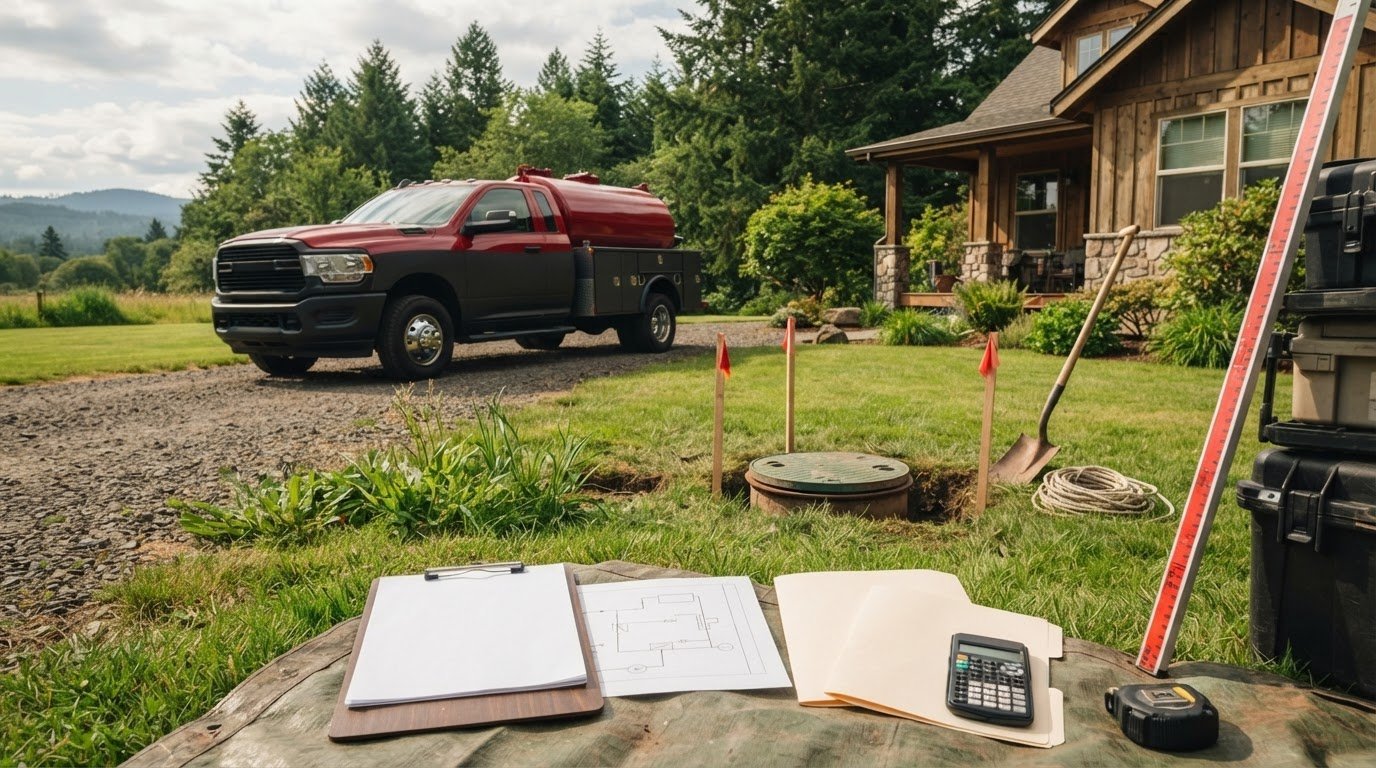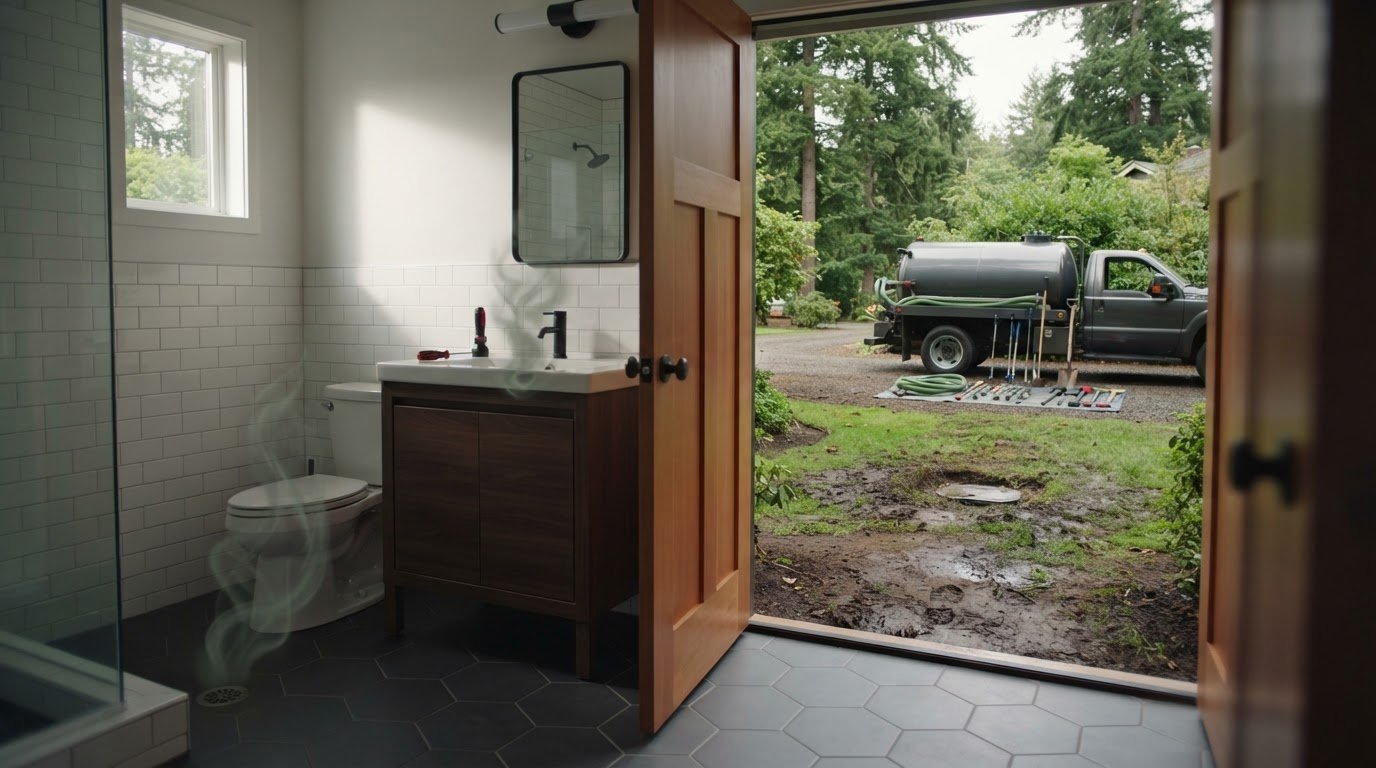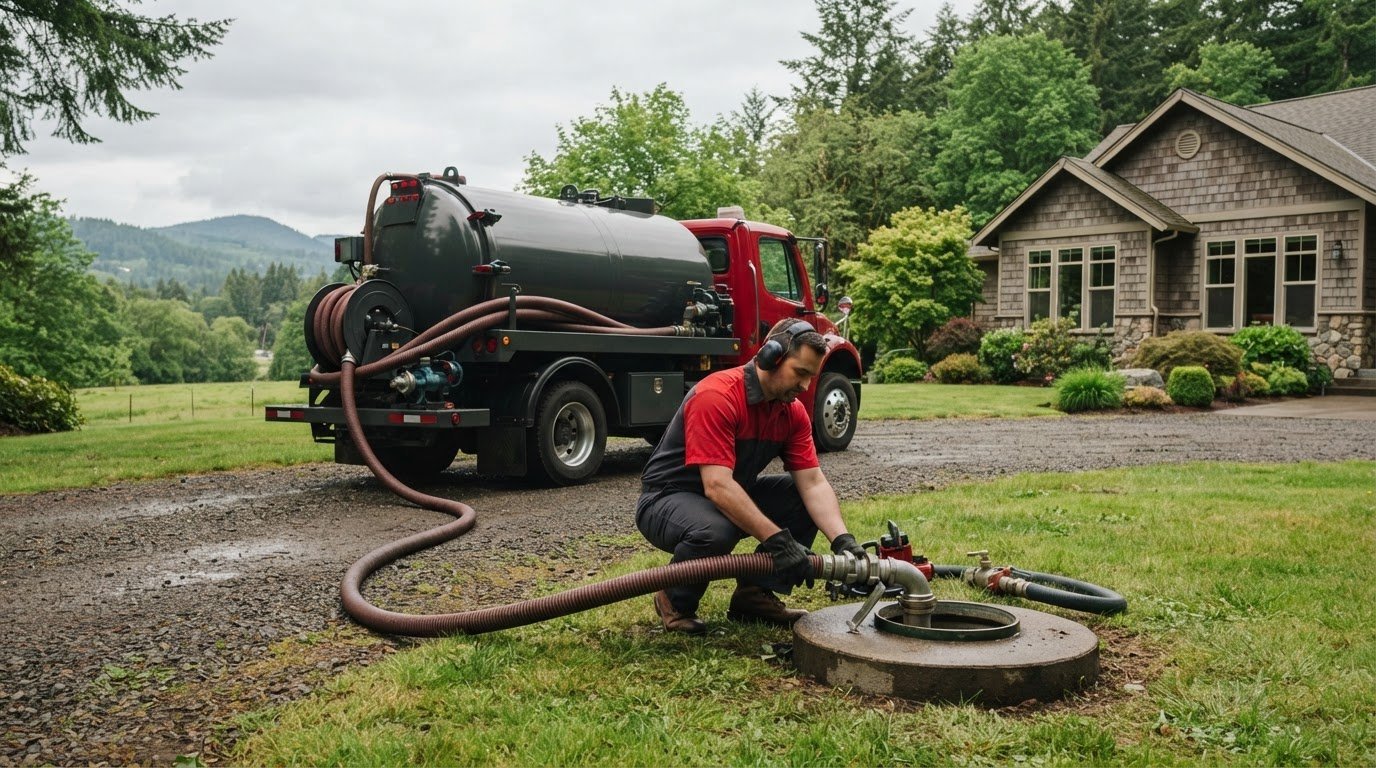
Could the drain field be the problem, or is another septic issue causing the warning signs? Slow drains, soggy ground, and sewage odors can point to trouble, but symptoms alone won’t confirm the cause. The drain field repair cost Canby homeowners may face depends on a proper diagnosis and the work it supports, not a generic quote.
It’s understandable to worry that an estimate could climb once excavation begins, especially when quotes describe different work or leave out key details. Before approving a repair, ask what the assessment found, which tasks are included, and what conditions could change the estimate.
This guide explains what can shape a site-specific estimate, how the suspected cause and extent of damage affect the proposed work, and what to request when comparing quotes. You’ll also find questions to ask about next steps and local requirements. Lil’ Stinky Septic Service is based in Canby and offers septic inspections and other septic services. An inspection can help clarify a system’s condition and inform what to consider next.
Key Takeaways
- Drain field warning signs can have more than one cause, so confirm the likely problem before deciding what work is needed.
- The drain field repair cost Canby homeowners are quoted depends on site findings and the proposed scope, not a one-size-fits-all price.
- Compare written estimates by checking what’s included, excluded, and anticipated for excavation, materials, and property restoration.
- Before authorizing work, ask what findings support the recommendation and which credentials or requirements you should verify.
- Lil’ Stinky Septic Service is based in Canby and offers septic inspections, which can help clarify a system’s condition and possible next steps.
What Does Drain Field Repair in Canby Actually Involve?
A septic drain field receives treated effluent from the septic tank and disperses it into suitable soil for further treatment. Diagnosis means investigating why the system isn’t working as expected; repair means carrying out work on a confirmed problem. A symptom may warrant an assessment, but it doesn’t prove the drain field has failed or show what repair is needed.
Drain fields have buried components that distribute wastewater through the soil. The septic drain fields overview explains their basic function and common construction. For your property, the actual design and condition matter more than a general description. A site-specific assessment is needed to understand them.
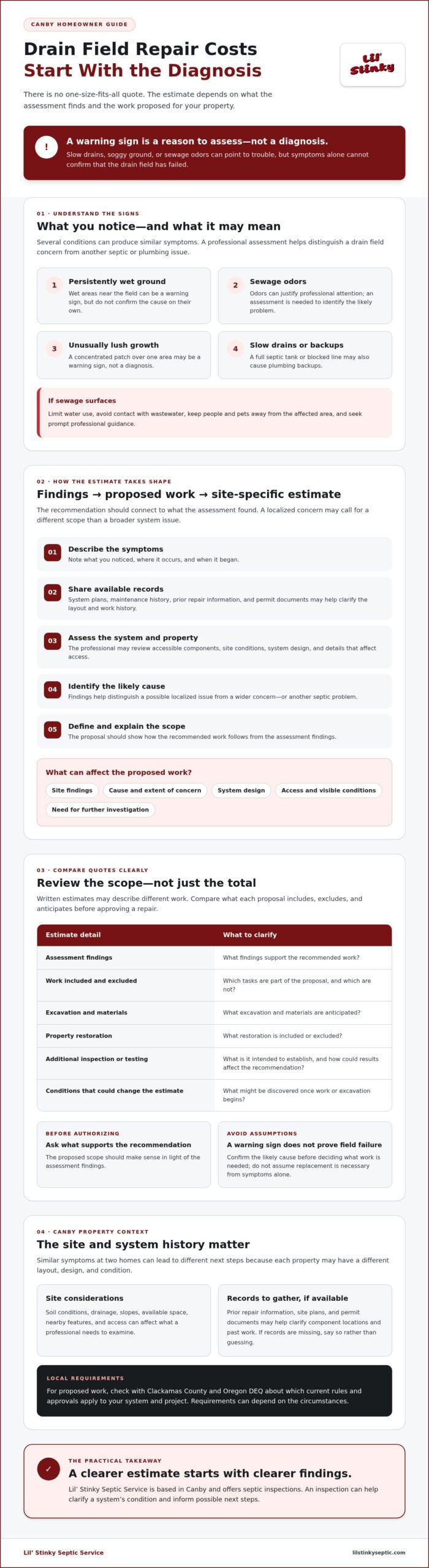
Which signs can justify a professional assessment?
Persistently wet ground near the field, sewage odors, or unusually lush growth over one area can be warning signs. Each can also have other explanations, so don’t treat any one sign as a diagnosis. Plumbing backups, for example, may stem from a full septic tank or a blocked line rather than a failed drain field.
If sewage surfaces, limit water use and seek prompt professional guidance. Avoid contact with the wastewater, and keep people and pets away from the affected area while you arrange help.
Why the location and system history matter in Canby
A drain field’s performance depends partly on how its design fits the property. Soil conditions, drainage, slopes, available space, and nearby features can affect what a professional needs to examine. Two Canby homes with similar symptoms may have different system layouts and need different next steps.
Before an assessment, gather any system records you have, such as prior repair information, site plans, and permit documents. These may help clarify where components are and what work has been done. If records are missing, say so rather than guessing at the field’s location or design.
For proposed work, check with Clackamas County and Oregon DEQ about which current rules and approvals apply to your system and project. Requirements can depend on the circumstances, so confirm them directly instead of assuming every repair follows the same process. A careful assessment gives you a sounder basis for understanding the drain field repair cost Canby estimate and reviewing the proposed work.
How Does Drain Field Diagnosis Shape a Canby Repair Estimate?
A repair recommendation should follow a site-specific diagnosis. Symptoms alone can’t show whether the drain field, another septic component, or more than one issue is involved. That distinction matters: a localized problem may need a different scope of work than a broader system concern. The estimate should explain the findings behind the proposed plan.
A clear assessment generally follows a practical sequence:
- Describe the symptoms: Note what you’ve noticed, where it occurs, and when it began.
- Review records: Share system plans, maintenance history, and documents about prior work, if available.
- Inspect: The professional may review accessible components and conditions around the system.
- Identify the likely cause: Findings help distinguish a possible localized issue from a broader concern.
- Define the scope: The proposal should connect the recommended work to what the assessment found.
This process gives you a more useful basis for evaluating the drain field repair cost Canby estimate than a generic price-per-job claim. Access, visible conditions, system design, and the need for further investigation can all affect the work plan. If an estimate includes additional inspection or testing, ask what it is intended to establish and how the results could affect the recommendation.
What may a contractor check during the assessment?
Expect the discussion to start with your symptom history and any records you can provide. A professional may consider accessible system components, the site layout and condition, and details that could affect access. The exact inspection steps depend on what’s visible and known. Ask what each proposed check is meant to confirm and whether its results could change the recommendation. For general prevention guidance, the U.S. Environmental Protection Agency’s advice on septic system care and maintenance includes ways to protect the drain field.
How findings may change the recommended scope
Evidence of a limited issue may support a focused recommendation, while signs of a wider field or system problem may call for further investigation or a different scope. Neither conclusion should be assumed in advance. Ask the contractor to explain what was observed, what remains uncertain, and how the proposed work follows from those findings. Replacement shouldn’t be treated as inevitable without site-specific evidence to support it.
If you’re looking for a local starting point, Lil’ Stinky Septic Service offers septic inspection services. Ask whether its inspection scope fits your concern and what next steps it can clarify.
What Drives Drain Field Repair Cost in Canby, and Is Replacement Always Necessary?
A drain field concern doesn’t automatically mean the whole field needs replacement. The right recommendation depends on what an assessment confirms, how much of the system is affected, and what work the property requires. A useful drain field repair cost Canby estimate should explain its scope and assumptions, not just provide a headline total.
Use this comparison table to see what may shape a proposal. These are possible variables, not a prediction of what your property will need.
| Estimate factor | What to clarify |
|---|---|
| Diagnosis and further investigation | What findings are confirmed, and what additional inspection or testing is proposed? |
| Work scope and affected components | Does the proposal address a localized issue, a broader field concern, or another system component? |
| Site access and constraints | Could the location of the affected area, property layout, or access limitations change the work plan? |
| Excavation and soil conditions | What digging is anticipated, and could conditions discovered during excavation affect the scope? |
| Materials and restoration | Which materials, labor, and surface repairs are included, and what restoration is excluded? |
| Contingencies | Which items are confirmed work, and which depend on what further investigation reveals? |
Which estimate details can change the total?
Access can affect how a crew reaches the components and carries out the planned work. Site constraints, soil conditions, and the location of buried parts may also matter. Ask the contractor to separate work that can be defined now from contingencies that depend on excavation or further investigation.
Get the details in writing. Confirm whether labor, materials, excavation, cleanup, and restoration are included, and ask for a clear list of exclusions. Without those details, two proposals may look comparable while covering different work.
How to compare repair and replacement recommendations
A professional may recommend a focused repair, more investigation before choosing a fix, or replacement if the findings support it. Ask what evidence supports each option and what remains uncertain. If replacement is proposed, ask whether a smaller intervention could be appropriate and what findings would rule it out. The explanation should relate to your system, not rely on a general claim about what usually works.
Ask what could happen if you delay the recommended work and how that assessment relates to the observed conditions. Don’t assume repair is automatically less costly or replacement more durable; those conclusions need a documented, site-specific basis. Compare the reasoning and included scope, not just the proposal totals.
How Can Canby Homeowners Review a Drain Field Estimate?
A clear written estimate helps you understand what the contractor found, what work is proposed, and what could change before you approve it. To assess the drain field repair cost Canby homeowners are quoted, compare proposals with equivalent scopes rather than just headline totals. A lower figure may exclude work another proposal includes.
Questions to ask before approving the work
Use this checklist to pin down the details:
- Findings: What inspection results support the recommended work? What remains uncertain?
- Scope: Which components and tasks are included, and what is specifically excluded?
- Changes: If excavation reveals an unexpected condition, will work pause until you review and approve a written change?
- Restoration: What cleanup and property restoration are included, and what will be left for you to arrange?
- Schedule and payment: What timing is proposed, and what payment terms or milestones apply?
- Permits and coordination: If an approval or agency contact is needed, who is responsible for handling it on this project?
Ask for answers in writing. This makes it easier to compare scope, exclusions, restoration, schedule, and payment terms across proposals.
If the assessment points to a possible blocked line rather than a drain field problem, review this septic drain cleaning guide for Clackamas County for related context. It doesn’t replace a site assessment, but it can help explain why identifying the source matters.
Which local records and requirements should you check?
Gather any septic permits, as-built drawings, inspection records, and prior service or repair documents you have. They can help the contractor understand the system layout and history. Before work begins, check current Oregon DEQ and Clackamas County information for requirements that apply to your project. Ask the contractor who will verify approvals and manage any required coordination; don’t assume that responsibility is included.
If replacement or a new system becomes part of the proposal, ask for the reasons and supporting site findings. For additional planning context, see this Oregon septic system installation cost guide. Confirm that any planning information matches the work proposed for your property.
For help understanding septic inspection options, contact Lil’ Stinky Septic Service about septic inspections. The Canby-based business offers septic inspections; confirm whether its service fits your specific concern.
Who Should Canby Homeowners Contact About a Drain Field Problem?
Choose a septic professional who can explain the findings in plain language, connect the proposed work to the documented cause, and provide a written scope. Relevant septic experience matters, but so does transparency. Before authorizing work, understand what the contractor will assess, which services they provide, and what credentials apply to the proposed work.
What to verify before hiring a septic contractor
Credential requirements can depend on the work involved. Ask what licenses or qualifications apply, then verify them through the relevant official source, such as the Oregon Construction Contractors Board or Oregon DEQ, as appropriate. Don’t rely on a license number or verbal assurance alone; check current status and confirm the credential covers the proposed work.
Ask the contractor to describe experience with systems like yours and provide written findings, scope, exclusions, and a clear point of contact. Confirm who will handle any required approvals, whether that responsibility is included, and how unexpected findings or proposed changes will be explained. The recommendation should address the cause supported by the assessment, not just the visible symptom.
A practical next step for Canby homeowners
Before making a call, gather the property address, a timeline of symptoms, available system records, and any previous inspection findings. Note what has changed and where you’ve seen it. These details can help a septic professional understand your concern and explain whether an assessment or another service may be relevant.
Lil’ Stinky Septic Service is based in Canby and reports more than 25 years of experience. Its confirmed services include septic inspections, system design, septic installation, ATT systems, septic tank pumping, and drain cleaning. Drain field repair is not among the confirmed offerings, so ask directly whether the company can assess your situation and discuss next steps.
For an initial conversation about assessment options, contact Lil’ Stinky Septic Service. Have your records and questions ready, and confirm the scope of any proposed service before authorizing work.
Make Your Next Septic Decision With Confidence
A dependable drain field repair cost Canby estimate starts with evidence about your system, not assumptions based on symptoms alone. Ask what the assessment found, which work is included, what remains uncertain, and whether repair or replacement is supported by site-specific findings. Compare proposals by scope and exclusions, then verify project requirements with the appropriate local or state agency.
Lil’ Stinky Septic Service is based in Canby and serves the greater Portland area. The company reports more than 25 years of experience and offers septic inspections, system design, installation, and drain cleaning. Drain field repair is not among the confirmed offerings, so ask whether the team can assess your situation and explain relevant next steps.
Have your property details, symptom timeline, and available system records ready. Contact Lil’ Stinky Septic Service to discuss assessment options and find out whether its confirmed services fit your needs. A clear diagnosis and written scope can help you understand your options before deciding how to proceed.
Frequently Asked Questions
How much does drain field repair cost in Canby?
There isn’t one reliable price for drain field repair in Canby without knowing the system’s condition and the work required. The estimate may change based on the assessment findings, access to the affected area, and whether excavation, materials, or property restoration are included. Ask for a written, site-specific proposal that separates confirmed work from possible extra work. Compare estimates by scope and exclusions, not just headline totals.
What affects a septic drain field repair estimate?
A septic drain field estimate can reflect diagnosis, the location and extent of the suspected problem, site access, soil conditions, excavation needs, materials, and restoration. Further inspection or testing may also affect the proposed scope. Ask what findings support the work, which tasks are included, and what could change after investigation. These details help you compare proposals fairly, even when contractors recommend different approaches.
Can a septic drain field be repaired instead of replaced?
Yes, a repair may be appropriate if the assessment identifies a localized issue that can be addressed without replacing the field. Other findings may point to broader system problems or support replacement, but neither outcome should be assumed from symptoms alone. Ask what evidence supports the recommendation, whether a smaller intervention is suitable, and what findings would rule it out. A written explanation makes it easier to understand the options for your Canby property.
How do I know whether my drain field is failing?
Persistently wet ground, sewage odors, or unusually lush growth over the field can be warning signs, but they don’t confirm drain field failure. Slow drains or plumbing backups can also stem from other septic issues, such as a full tank or blocked line. Note where symptoms occur and when they began, then arrange a professional assessment. A diagnosis should consider the system and property, not just one visible sign.
Do I need a permit for drain field repair in Canby, Oregon?
Whether a permit or other approval applies depends on the proposed work and your system. Don’t assume every repair follows the same process. Before work begins, check current information with Clackamas County and Oregon DEQ, and ask the contractor who will confirm applicable requirements and handle any required agency coordination. Get that responsibility in writing so you know what has been checked before authorizing work on your Canby property.
What should a drain field repair estimate include?
A useful estimate should describe the assessment findings, proposed work, affected components, labor and materials, and any excavation or restoration included. It should also identify exclusions, schedule expectations, payment terms, and contingencies if further investigation reveals unexpected conditions. Ask how changes will be documented and approved before additional work proceeds. When comparing proposals, check that each covers a similar scope; a lower total may leave out important work.
What should I do if sewage is pooling over my drain field?
Limit water use, keep people and pets away from the affected area, and seek prompt professional guidance. Avoid touching or walking through sewage, and don’t try to dig into the field or cover the pooling with soil. Note where and when it appeared, and share that information when you call. Sewage at the surface needs timely attention, but an assessment is still needed to identify the cause.