About one in five U.S. homes-roughly 21 million households-rely on a septic system instead of a municipal sewer connection. These setups are most common on rural properties and in suburbs where homes were built before 1990, well ahead of large-scale sewer expansion. If your home is one of them, understanding the basics of pumping a septic system is one of the most practical things you can do as a homeowner.
When we talk about getting a septic tank pumped, we mean removing the layers of sludge and scum that gradually accumulate inside the tank so the system can keep treating wastewater safely. Neglect this step, and the tank can overflow, back up sewage into your house, and contaminate nearby wells and groundwater. An ignored septic system will eventually fail. The EPA recommends that septic tanks should be pumped every 3-5 years for typical households. The rest of this article covers how the process works, when to schedule it, what it costs, and how to keep your system healthy between pumpings.

How a Septic System Works (and What Gets Pumped Out)
A conventional septic system is a combination of three parts: the septic tank (a buried, watertight container), the drainfield or leach field (a soil absorption area), and the pipes connecting everything. In some setups, a distribution box sits between the tank and the drainfield to route effluent evenly into drainfield trenches.
Inside a working septic tank, household wastewater separates into three layers:
- Scum layer – fats, oils, grease, and lightweight solid material that float to the top.
- Effluent – the relatively clear liquid in the middle.
- Sludge layer – heavy solids that sink to the bottom of the tank.
The tank is designed to hold back solids while the clearer effluent flows out through a t shaped outlet that prevents sludge from leaving the tank. Bacteria inside the tank break down some organic solids, but many materials are indigestible and keep accumulating. A septic tank includes this biological process as a first treatment step, but it cannot eliminate everything.
Pumping removes the built-up sludge and scum, leaving only a thin layer to help reestablish bacteria. Only the tank is pumped-not the drainfield. Worth noting: sump pumps in basements handle groundwater or stormwater and are separate devices, but all wastewater from your fixtures still ends up in the septic tank to treat household waste.
Why Septic Tanks Need Regular Pumping
Bacteria in your septic system are effective at digesting organic matter, but they typically break down only a portion of what enters the tank. Over time, the sludge layer grows upward and the scum layer thickens downward. Once the tank fills past a critical point-EPA guidelines suggest action if scum is within six inches of the outlet baffle-solids begin escaping into the drain field.
When that happens, solid material clogs soil pores and the gravel in drainfield trenches. The soil loses its ability to filter wastewater, and the consequences hit fast:
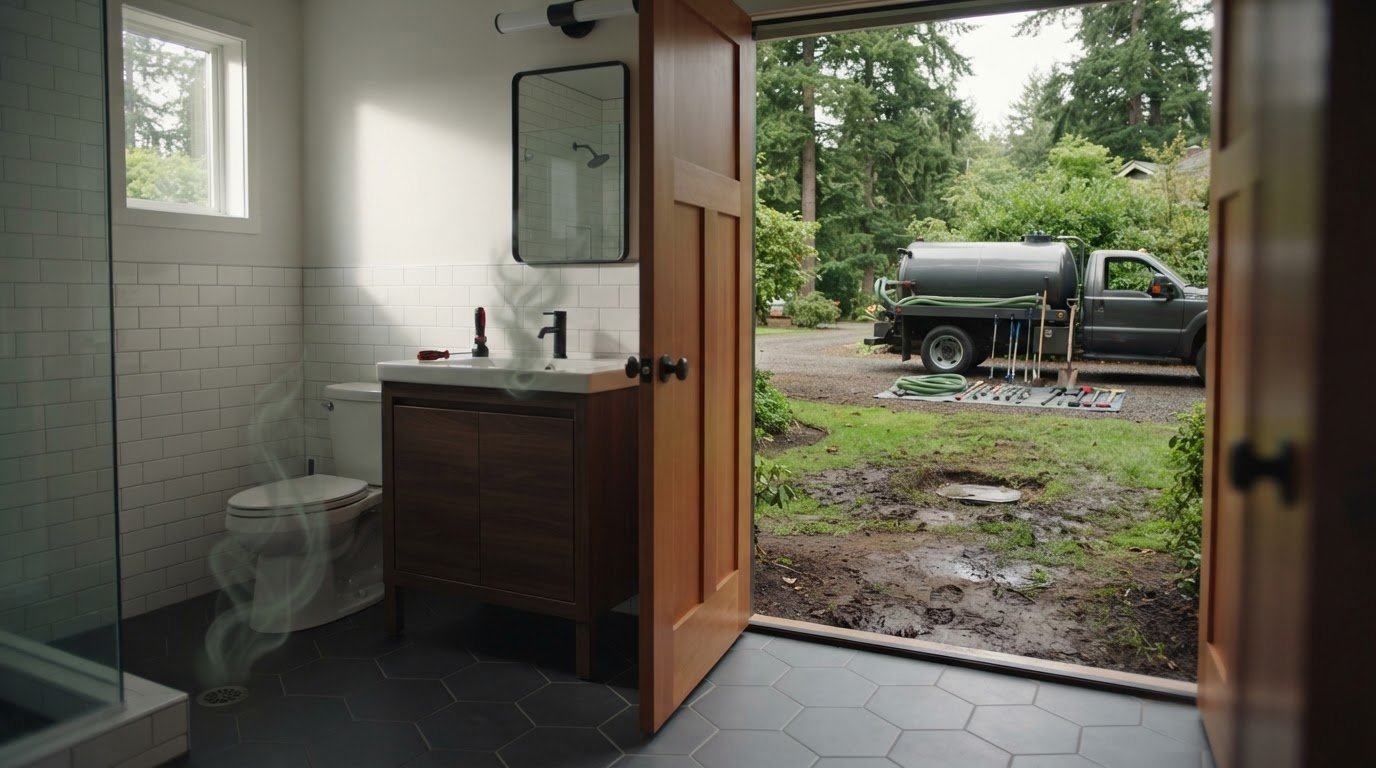
- Sewage backing up into toilets, tubs, and plumbing fixtures
- Soggy, foul-smelling patches in the yard
- Permanent drainfield damage that can cost $5,000 to $15,000 or more to repair
Neglecting pumping can lead to drainfield failure, and failing septic systems can spread diseases like dysentery through contaminated water. Septic pumping prevents soil contamination and protects your property from costly backups. Overflows can cost thousands to repair or replace, while regular pumping keeps the entire system operating for 25 to 30 years or more. Septic tanks can overflow if not pumped regularly, so this prevents sludge and scum from reaching levels that cause irreversible damage. It also potentially result in groundwater contamination if left unchecked.
How Often Should You Pump Your Septic Tank?
Septic tanks should be pumped every 3-5 years on average, but the real answer depends on your wastewater, septic tank size, and how many people live in the home. Pumping frequency depends on household size and tank size. Here is a rule-of-thumb guide:
Household Size | 750-Gallon Tank | 1,000-Gallon Tank | 1,500-Gallon Tank |
|---|---|---|---|
1–2 people | Every 4–5 years | Every 5–6 years | Every 7–8 years |
3–4 people | Every 2–3 years | Every 3–4 years | Every 4–5 years |
5–6 people | Every 1–2 years | Every 2 years | Every 3 years |
You should inspect your septic system every three years, and regular inspections are recommended every two years to catch developing issues. MassDEP recommends pumping every 3 years for homes without a garbage disposal. Homes with garbage disposals should pump their tanks yearly, because ground-up food waste adds significantly to the sludge layer and drives more frequent pumping.
Liquid depth measurements during inspections help determine exactly how often to pump your specific tank. If you host frequent guests, run heavy laundry loads, or use high-flow fixtures, expect a shorter pumping schedule-sometimes every 1 to 2 years.
Alternative systems with pumps, alarms, electrical float switches, and other mechanical components or mechanized parts should be inspected annually. Most systems benefit from following the installer’s recommendations closely, and pumped every interval they specify. For advanced setups, an annual service contract often makes the most financial sense.
Signs Your Septic Tank Needs to Be Pumped
Catching warning signs early can save you from a full system failure. Here is what to watch for.
Inside the home:
- Slow drains in multiple fixtures (sinks, showers, tubs)
- Gurgling noises from the toilet or drain lines
- Sewage odors indoors
- Back ups at the lowest drain in the house-usually a basement or ground-floor fixture
In the yard:
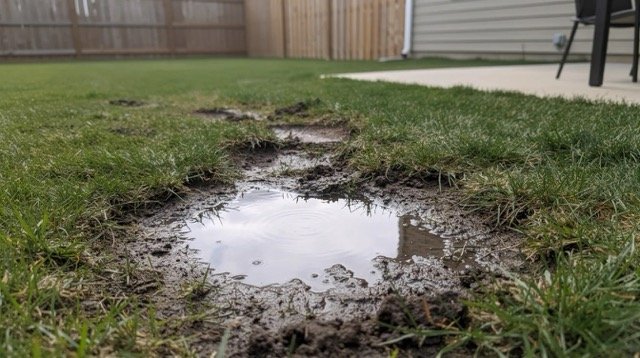
- Standing water or soggy soil over the drainfield, especially during dry weather
- One strip of unusually lush, green grass where the leach field runs
- Strong sewage smells outdoors
Tank-specific clues:
- The tank hasn’t been pumped in five or more years
- Access lids are buried and have never been opened
- Inspection reveals scum or sludge near the outlet baffle
Inspect septic tanks every two years to prevent issues from becoming emergencies. And a critical safety note: never enter a septic tank or lean deeply into open lids. Toxic gases like methane and hydrogen sulfide accumulate inside. Visual inspection from the surface only-leave the rest to professionals.
Preparing for Your Septic Tank to Be Pumped
A little preparation saves time and reduces the cost when the septic tank is pumped.
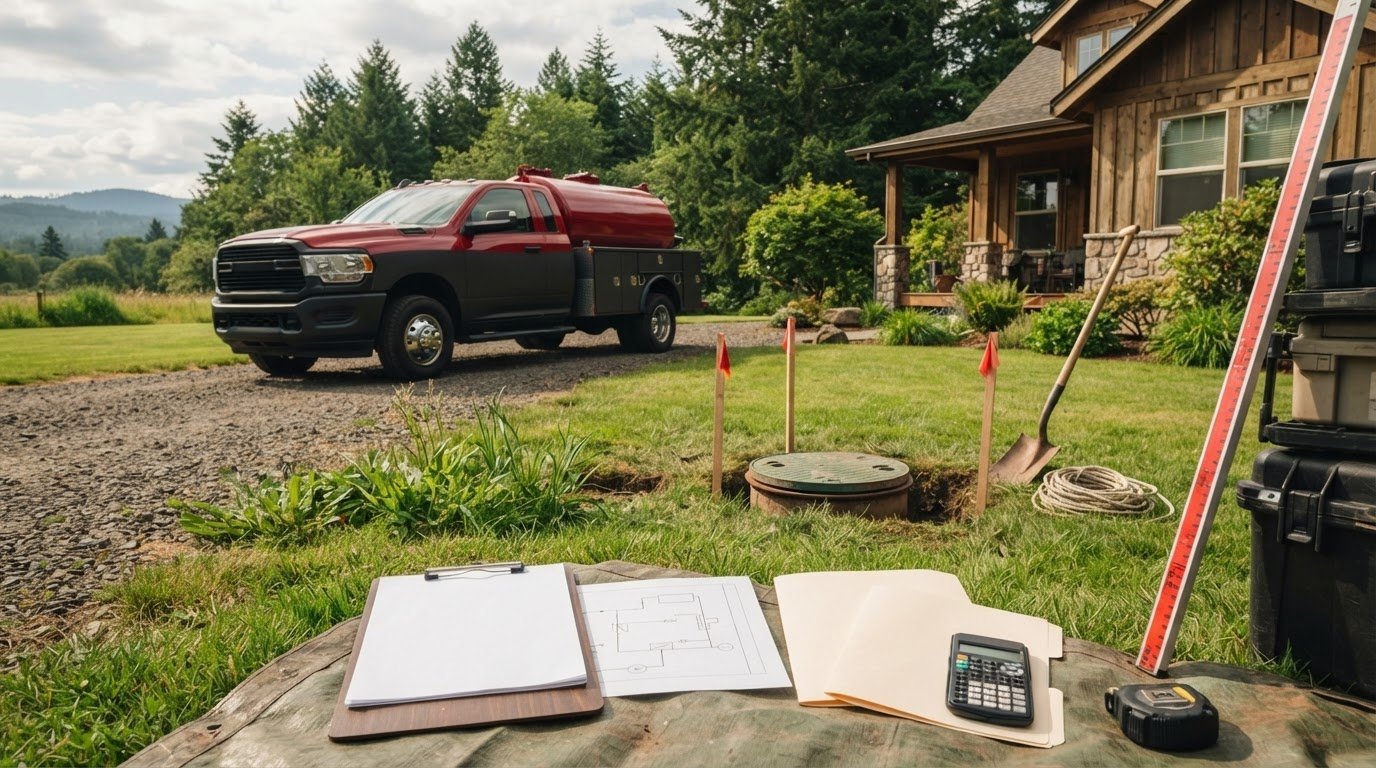
Start by locating your tank. Check local health department records, property “as-built” diagrams, or have a professional probe the yard. Once you find the access lids, mark them with stakes or flags for future visits.
Clear vegetation, mulch, and debris from around the lids and make sure at least a small truck can get reasonably close. If lids are buried deep, consider installing risers-they cost roughly $150 to $400 and pay for themselves after a couple of pumpings by eliminating digging fees.
Before the pumper arrives, gather any past service records: dates, gallons removed, sludge depth readings, condition notes. Ask the technician to record the tank size, condition of baffles, and current sludge depth so you can plan ahead.
What Happens During a Professional Septic Tank Pumping?
Knowing the process removes the mystery from pumping day.
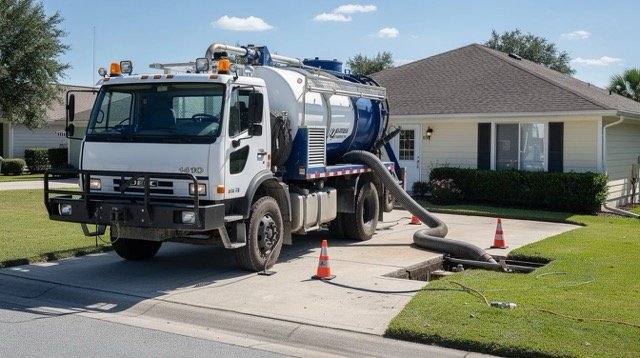
A licensed septic technician will uncover and open the large manhole-style lids over each compartment of the tank-not just the small cleanout pipes. Using a vacuum truck, they insert a large hose and remove sludge, scum, and effluent until the tank contents are mostly cleared. Pumping removes heavy solids and floating scum from the tank, but the technician won’t scrape it completely dry; a thin residual layer helps restart the bacterial colony.
During pumping, contractors may inspect the tank for issues: cracks in walls, corrosion, root intrusion, and missing or damaged inlet and outlet baffles. This inspection is a valuable part of the service.
The removed waste is hauled to a permitted septage treatment or disposal facility. Homeowners should receive a written receipt noting the date, gallons removed, tank condition, and any repair recommendations. Keep this document-it is part of your maintenance history.
Choosing a Licensed Septic Pumping Company
Only properly licensed and insured professionals should work on your septic system. Licensing requirements vary by state and county, so verify credentials through your local health department. Confirm the company has permits to properly dispose of pumped waste at an approved facility.
Ask specific questions before hiring:
- Will both compartments of the tank be pumped?
- How do you inspect baffles and filters?
- What does the base price include (locating, digging, filter cleaning)?
- Do you offer a service contract for recurring maintenance?
Get quotes from at least two or three local companies. Compare not just price, but service details, response time, and customer reviews. Building a long-term relationship with one trusted company means consistent records, possible discounts, and someone who understands your system’s history.
Properly Disposing of Waste: Protecting Your Septic System Between Pumpings
Good daily habits slow down how quickly the tank fills with solids and how often the tank needs to be pumped. Do not flush anything besides human waste and toilet paper-that is the complete list. Everything else belongs in a trash can.
Never put these into a septic system:
- Wipes (even ones labeled “flushable”)
- Feminine hygiene products
- Paper towels
- Dental floss, cat litter, condoms, diapers
- Food waste or coffee grounds
Grease, fats, and oils poured down kitchen sinks congeal and form a thick scum layer, increasing pumping frequency and risking clogs. Scrape plates into the trash instead.
Harsh chemicals, bleach-heavy cleaners, and large doses of disinfectants kill the bacteria that break down household waste inside the tank. Minimize their use. Similarly, septic tank additives marketed as miracle treatments are generally unnecessary and, in some cases, can disrupt the natural bacterial balance. Most health departments advise against relying on them.
Water Use, Sump Pumps, and Their Impact on Septic Tanks
Every gallon of water your household sends down the drain passes through the septic tank. High water use directly affects your pumping schedule and how stressed the drainfield becomes. Using less water is one of the simplest ways to extend the life of your system.
Practical steps to reduce hydraulic overloading:
- Install water-efficient toilets and showerheads
- Spread laundry loads across the week instead of running them all in one day
- Fix leaking toilets and dripping faucets promptly-small leaks add up to hundreds of gallons per month
Sump pumps and roof drains should never discharge into the septic tank or onto the drainfield. Clean stormwater floods the system, pushing solids out of the tank and saturating the soil before it can process effluent. Route sump pumps and foundation drains to daylight or a storm drain instead.
Avoid planting trees over your drainfield to prevent damage from root intrusion, which can crack pipes and clog drainfield trenches.
Monitor your household water bill or meter readings. Unexpected spikes may signal a running toilet or hidden leak that is quietly overloading the septic system.
Costs, Records, and Long-Term Septic System Care
As of 2026, typical costs to pump a standard 1,000-gallon residential septic tank range from $600 to $800, while larger tanks (1,500 to 2,000 gallons) can reach $900 or more depending on access difficulty and location. Buried lids, emergency calls, and remote properties push prices higher.
Keep a dedicated septic system folder-physical or digital-with pumping receipts, inspection notes, and repair invoices. Good records help you:
- Fine-tune your pumping schedule based on actual sludge accumulation trends
- Budget for future service and potential repairs
- Provide proof of regular maintenance when selling the home
After each service, schedule the next pumping date immediately. Set a calendar reminder or use a maintenance app so the appointment doesn’t slip. Routine maintenance and regular maintenance are the difference between a system that lasts decades and one that fails prematurely. Routine pumping maximizes the longevity of the entire system.
The bottom line: understand how your septic system works, maintain a consistent pumping schedule, properly dispose of waste, and work with licensed professionals. A few hundred dollars spent on regular pumping is always cheaper than a five-figure drainfield replacement-and it protects both your home and the environment.