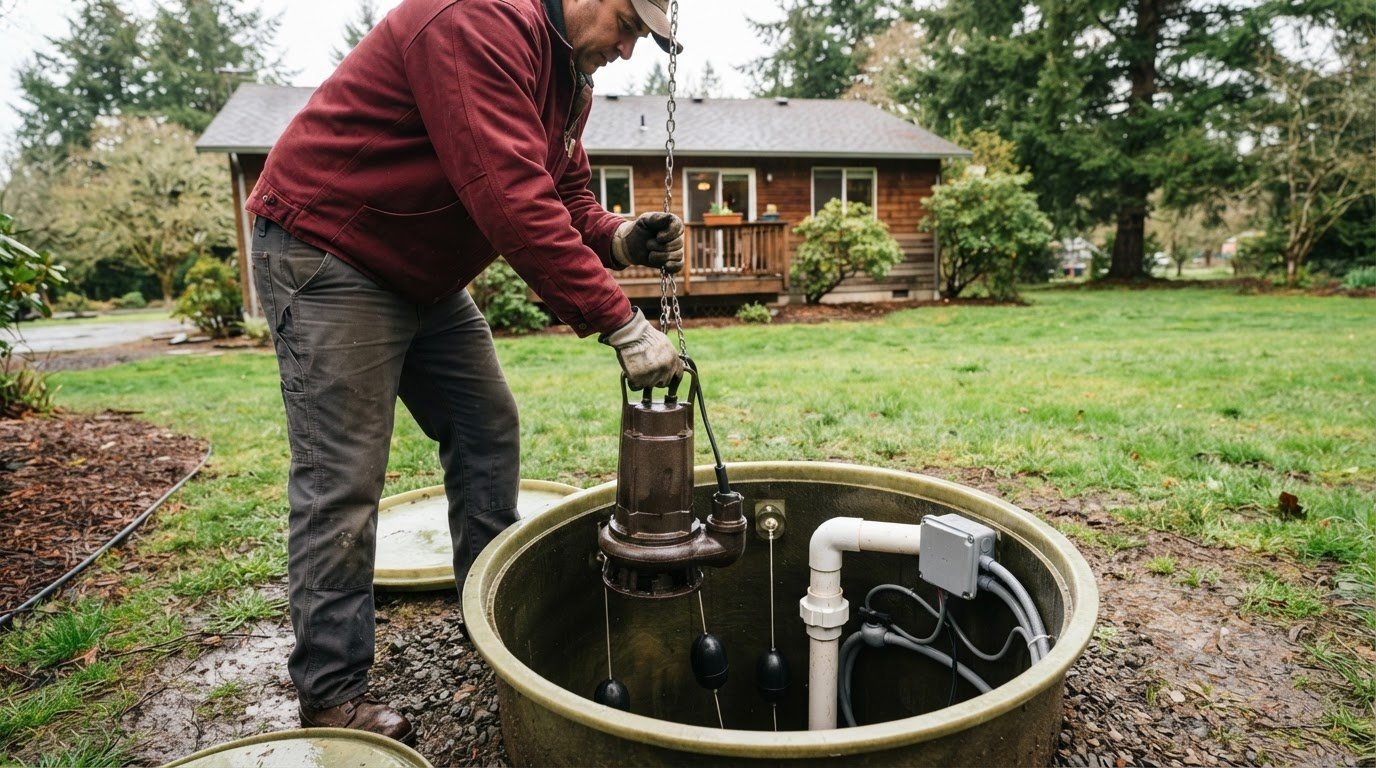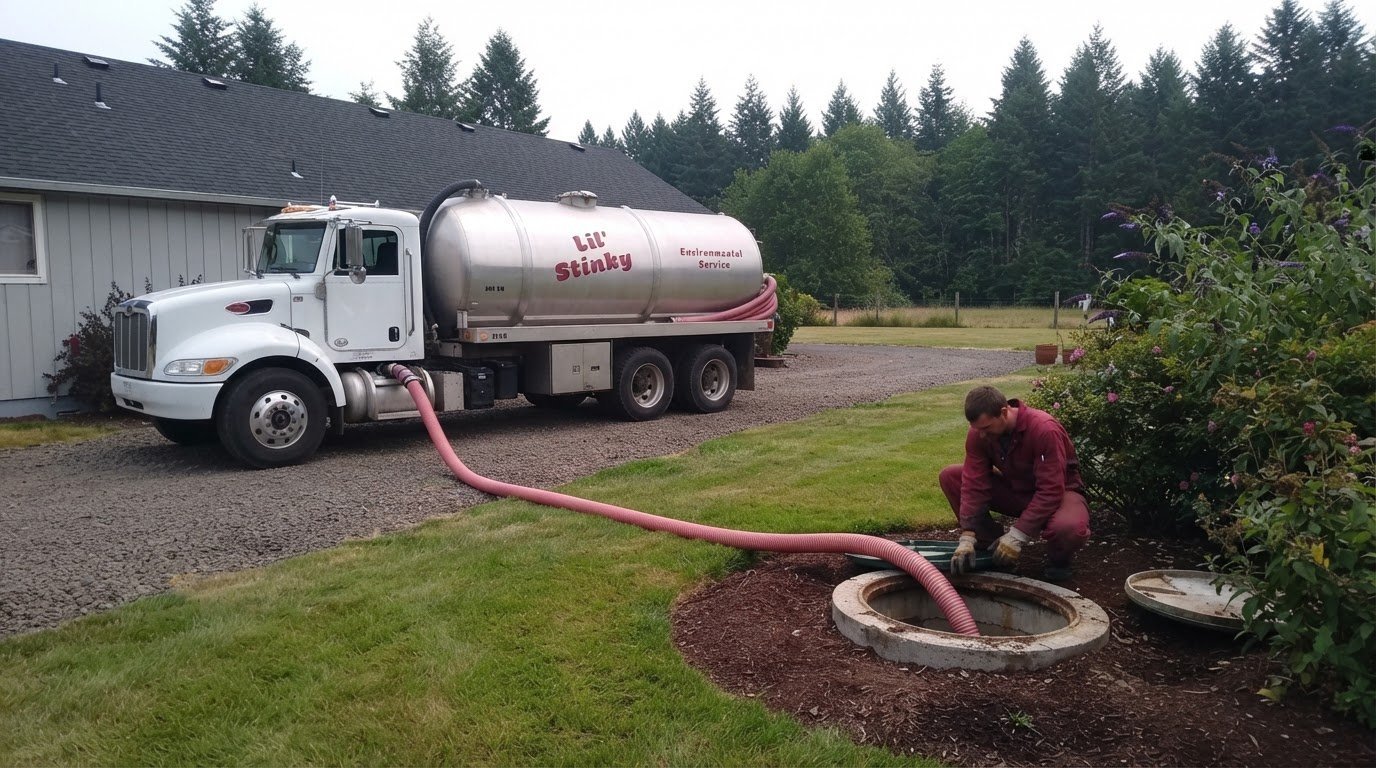
A backup near the house doesn’t automatically mean the drainfield is clogged. A septic line camera inspection in Canby checks the pipe between your house and septic tank for blockages, roots, cracks, and other visible trouble spots. It does not inspect the drainfield itself.
It’s understandable to want clear information before deciding what to do next. A camera shows the accessible line’s interior, helping identify whether the problem may be in that pipe or whether the system needs further evaluation. This guide explains what an inspection can and cannot reveal, how access affects the process, and what to expect from the findings. Understanding these limits helps distinguish a pipe problem from a possible drainfield issue.
Key Takeaways
- Learn which visible pipe conditions a camera inspection can help identify, and how access to the line shapes the inspection.
- Understand why a clear view of the pipe doesn’t provide a full assessment of the drain field or every part of a septic system.
- See what inspection findings can communicate and how follow-up helps clarify practical next steps.
- Know when a septic inspection or pumping may help address concerns beyond a blockage in the connecting line.
Camera inspection between the house and septic tank
A septic line camera inspection in Canby follows the pipe from the house toward the septic tank. A technician guides a camera through an accessible cleanout or opening and views the pipe’s interior as it advances. The footage may reveal standing water, debris, roots, cracks, crushed sections, or a low spot where wastewater collects. Here, Canby refers to Canby, Oregon.
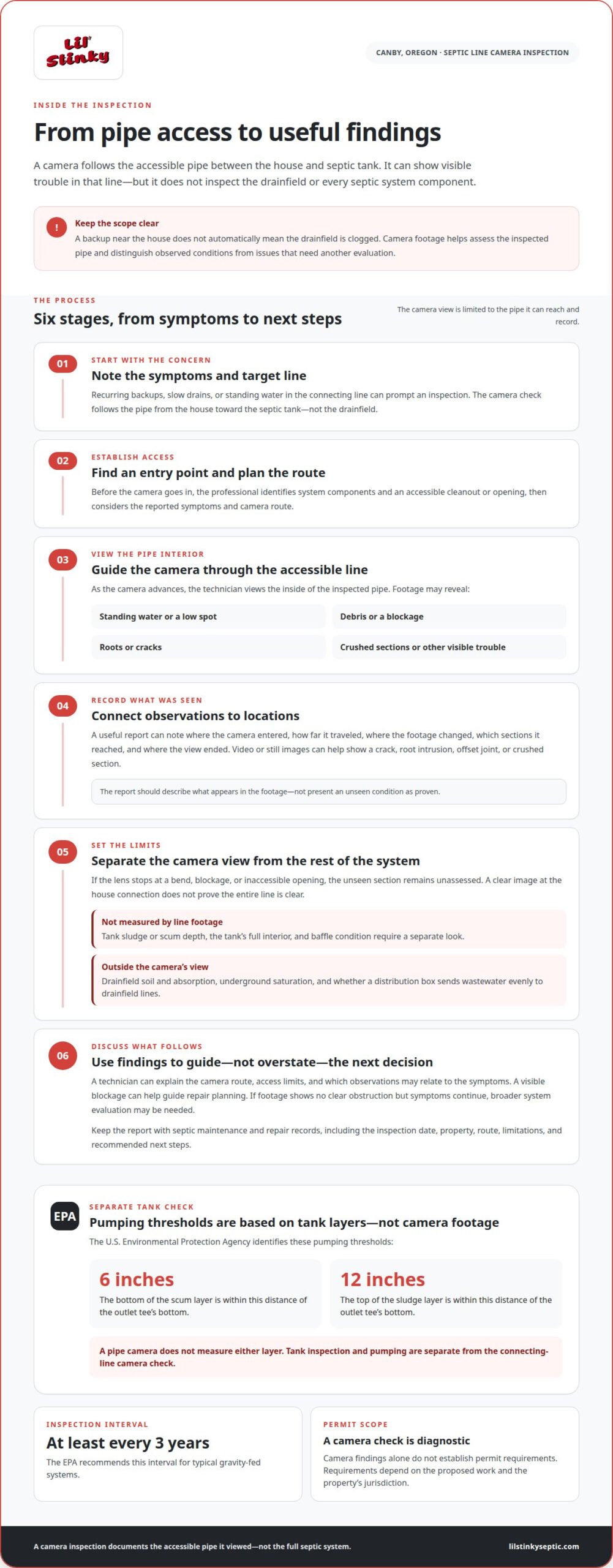
For recurring backups or slow drains, the camera can help locate a blockage before repair decisions are made. It shows the inspected pipe, not every part of the septic system. A camera in the connecting line doesn’t measure tank sludge or scum. According to the U.S. Environmental Protection Agency, pumping is needed when the scum layer’s bottom is within 6 inches of the outlet tee’s bottom, or the sludge layer’s top is within 12 inches of it.
A septic tank inspection and a distribution box inspection are separate checks. The camera may show the line approaching the tank, but it does not automatically assess the tank contents, outlet condition, or distribution box performance. Understanding the system layout means locating the tank, distribution box, and drainfield. This distinction matters when the pipe appears clear but symptoms continue.
For septic permits and county requirements in Canby, Oregon, a camera check is diagnostic, not permit approval. Requirements depend on the proposed work and the property’s jurisdiction, so camera findings alone do not establish whether a repair or alteration needs a permit.
Arrange a camera inspection when backups recur, drains slow, or standing water appears in the connecting line. Before inspection, the professional identifies system components and an accessible line entry, then considers the reported symptoms and camera route. Typical gravity-fed systems should be inspected at least every 3 years, according to the U.S. Environmental Protection Agency.
For septic line camera inspection services near Canby, a professional septic inspection can help assess the system beyond the visible pipe. Oregon licensing depends on the work being performed; a camera view alone doesn’t establish an inspector’s credentials. Ask for the inspection findings and their limits, especially if the concern involves the tank or distribution box.
Camera inspection exclusions
A camera shows the pipe’s interior along its route, not the entire septic system. If the lens stops at a bend, blockage, or inaccessible opening, the unseen section remains unassessed. A clear image at the house connection does not prove the line remains clear all the way to the septic tank. Findings should describe only what the camera actually viewed.
A camera also does not inspect drainfield soil or confirm how well the field absorbs effluent. It cannot show whether the ground is saturated beneath the surface or explain irregular vegetation by itself. If wastewater backs up after a toilet flush, that symptom does not identify the drainfield as the cause. The obstruction could be elsewhere in the system.
Tank conditions require a separate look. Line footage doesn’t measure sludge or scum depth, show the tank’s full interior, or establish whether its baffles are intact. The U.S. Environmental Protection Agency identifies pumping thresholds by layer position: scum within 6 inches of the outlet tee’s bottom, or sludge within 12 inches. Those measurements aren’t provided by a pipe camera.
Likewise, a view of the connecting pipe does not establish whether a distribution box sends wastewater evenly to each drainfield line. Assessing that requires checking the box and related components. Camera footage also does not determine permit requirements for repair work in Canby, Oregon. Local requirements depend on the work and applicable jurisdiction, not simply on a camera finding.
Use the footage as one diagnostic tool, then match any next check to the evidence. For example, a clear line with persistent backups calls for broader system evaluation rather than assuming the pipe is sound everywhere. A septic system inspection can address components beyond the camera’s view. Clear limits make the report useful: it separates observed pipe conditions from issues requiring another inspection.
Inspection report and follow-up calls
A useful camera report connects each observation to a location. It can note where the camera entered, how far it traveled, and where the footage changed. For example, the report may identify standing water before the tank or debris near a pipe joint. These details help distinguish a visible condition from a suspected cause. The report should also state which sections the camera reached and where its view ended.
Video or still images add context to written notes. A technician can point out a crack, root intrusion, offset joint, or crushed section on screen. The explanation should describe what appears in the image, not present an unseen condition as proven. If the lens could not pass a blockage, that limitation matters because it identifies the part of the line outside the recorded view.
During a follow-up call, the technician can explain the findings in sequence. First, they describe the camera route and any access limits. Then they clarify which observations may relate to the reported symptoms. A visible obstruction, for instance, differs from a line that appears open where inspected. The explanation should distinguish those findings and clarify what each supports.
Keep the report with your septic maintenance and repair records. If a buyer later reviews the property’s history, dated findings can show what was observed and what followed. A practical record includes the inspection date, property, camera route, recorded limitations, and recommended next steps. During the call, ask for an explanation of unfamiliar terms such as “pipe belly” or “infiltration.” This helps make the report useful for a specific decision, rather than leaving technical notes unexplained.
Sewer camera inspection capabilities
A camera can show visible conditions inside an accessible septic line, such as roots entering a joint, a crack, a crushed section, or debris narrowing the passage. It may also show standing water where wastewater should move onward. These images help pinpoint what is visible along the camera’s route, rather than relying on symptoms alone.
What problems can a camera find in septic lines? It can identify clogs, roots, cracks, crushed pipe sections, and low spots where water collects. Depending on access and visibility, the view may also reveal pipe material, slope changes, overflow, and debris buildup.
These details can help explain recurring symptoms. For example, a camera may show a pipe belly holding wastewater, with a separate blockage farther along the route. A visible change in slope or pipe material can also help describe the line’s condition. The images support a focused discussion about what the camera reached and observed.
At the tank connection, the view may provide information about the inlet area and an air gap. It cannot show every tank surface or measure sludge and scum. Likewise, footage inside the connecting pipe does not reveal how the drainfield soil absorbs effluent. Treat each observation as evidence about the component actually seen.
Access and visibility shape the results. A camera may stop at an obstruction or fail to show details through standing water or debris. The technician can explain where the view ended and distinguish clear footage from obscured sections. Knowing that boundary helps prevent a visible pipe condition from being mistaken for a full septic system diagnosis.
For recurring backups or unexplained slow drainage, camera findings can guide the next inspection step. A professional can relate the footage to the symptoms and identify whether another component needs attention. Arrange a septic inspection to assess concerns that extend beyond the camera’s view.
Lil’ Stinky Septic Service: Septic Inspections
Lil’ Stinky Septic Service provides septic inspections to clarify what camera footage shows and what it leaves unanswered. Consider a septic inspection when backups continue despite a clear view of the accessible line, or when concerns involve the tank or other system components. Findings can help determine whether septic tank pumping, installation work, or attention to an ATT system is relevant. The next step should match the observed condition, not an assumption based on one camera view.
Bring the inspection report and describe the symptoms, such as recurring backups or slow drains. That context helps connect visible findings with the system’s broader condition. For a professional assessment of your septic system, contact Lil’ Stinky Septic Service.
Turn the Inspection Into a Clear Next Step
Use the findings to make a measured decision about your property instead of treating every backup as the same problem. A septic line camera inspection in Canby can focus attention on the condition observed, while your next choice should reflect your household’s needs and the system’s broader situation. If you’re planning maintenance or a property project, raise septic concerns early. This helps you avoid acting on guesswork and plan for the work involved.
When you’re ready to discuss what comes next, connect the inspection concern with the service you need. Contact Lil’ Stinky Septic Service to talk through your septic system needs. A clear conversation is a practical first step toward deciding how to care for your property, and you can move forward with a plan that fits the situation.
Frequently Asked Questions
How Do You Tell If Your Drain Field Is Clogged?
Persistent wet ground or pooling over the drainfield can signal a problem, especially alongside slow drains or wastewater backups. Irregular vegetation in that area may also warrant attention. These signs do not pinpoint the cause by themselves: a blockage elsewhere can produce similar symptoms. A professional can assess the symptoms alongside the system layout to determine whether the drainfield needs further evaluation.
What Does a Camera Inspection Include?
During a camera inspection, a technician guides a camera through the accessible pipe, recording its interior. The view can document roots, debris, cracks, or changes in pipe alignment. The technician can explain where the camera traveled and where its view ended. For example, a recording that stops at an obstruction describes the visible section, not the unseen pipe beyond it.
What Is Included in a Septic Line Camera Inspection?
The inspection focuses on the line the camera can enter and travel through. Findings may describe pipe material, slope changes, buildup, and visible damage, helping connect a symptom to a particular section. What the inspection covers depends on the access point and camera route. It does not automatically assess separate components such as the distribution box or drainfield.
How Does a Septic Line Camera Inspection Work?
A professional first identifies an appropriate access point and considers the reported symptoms. Then the technician guides the camera through the pipe, viewing the live image and recording notable conditions. The camera’s position helps locate observations along the route. Afterward, the technician reviews the findings and explains which parts were visible, giving you a clearer basis for deciding whether further evaluation may help.
What Are the Risks and Limitations of Septic Line Camera Inspections?
A camera provides a limited view, and an obstruction, standing water, or debris can prevent a clear picture. If the camera cannot pass a blockage, it will not show what lies beyond it. Clear footage from one section also does not rule out issues in another component. Treat the recording as evidence about the inspected route, then match any further assessment to the remaining symptoms.
how to prepare for a septic camera inspection
Before the inspection, note recurring backups or slow drains and help identify the septic system components and an accessible line entry. The professional will consider the symptoms and camera route.