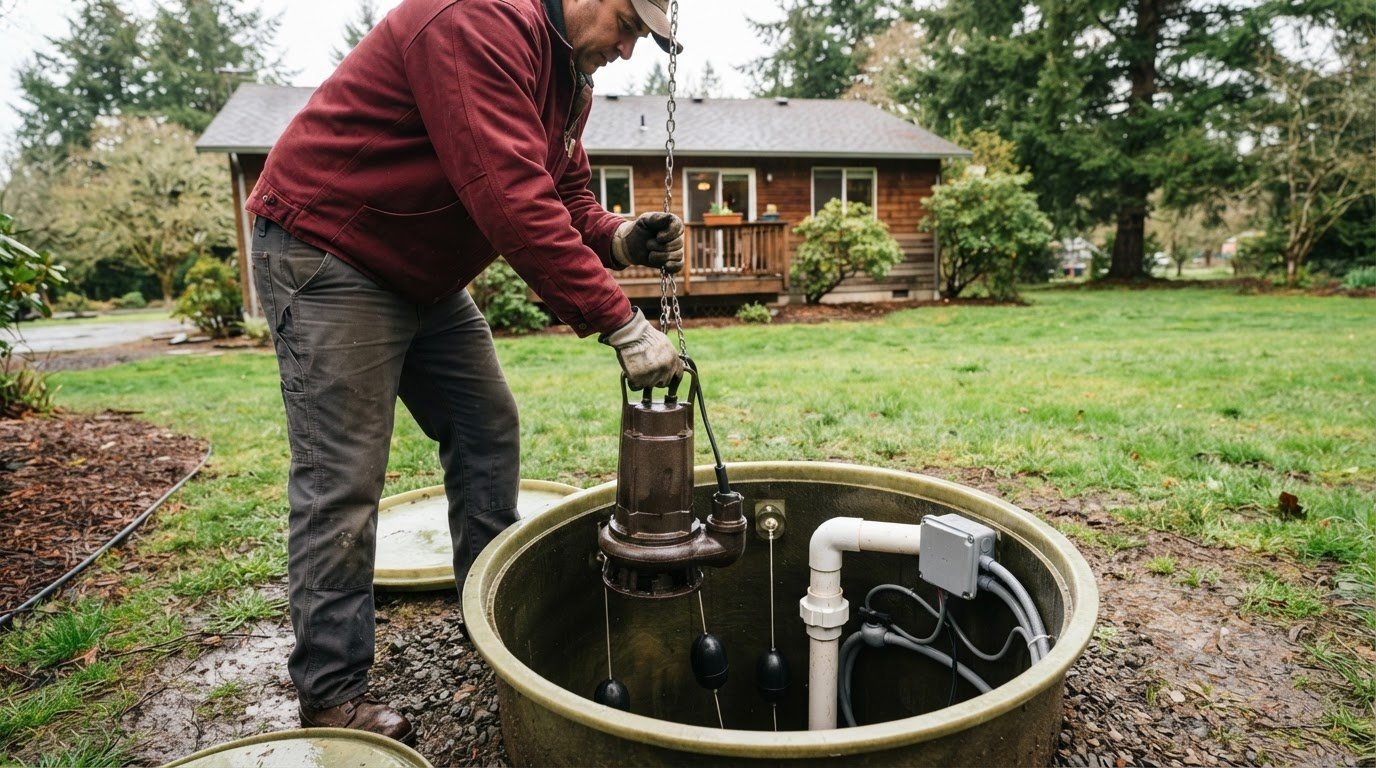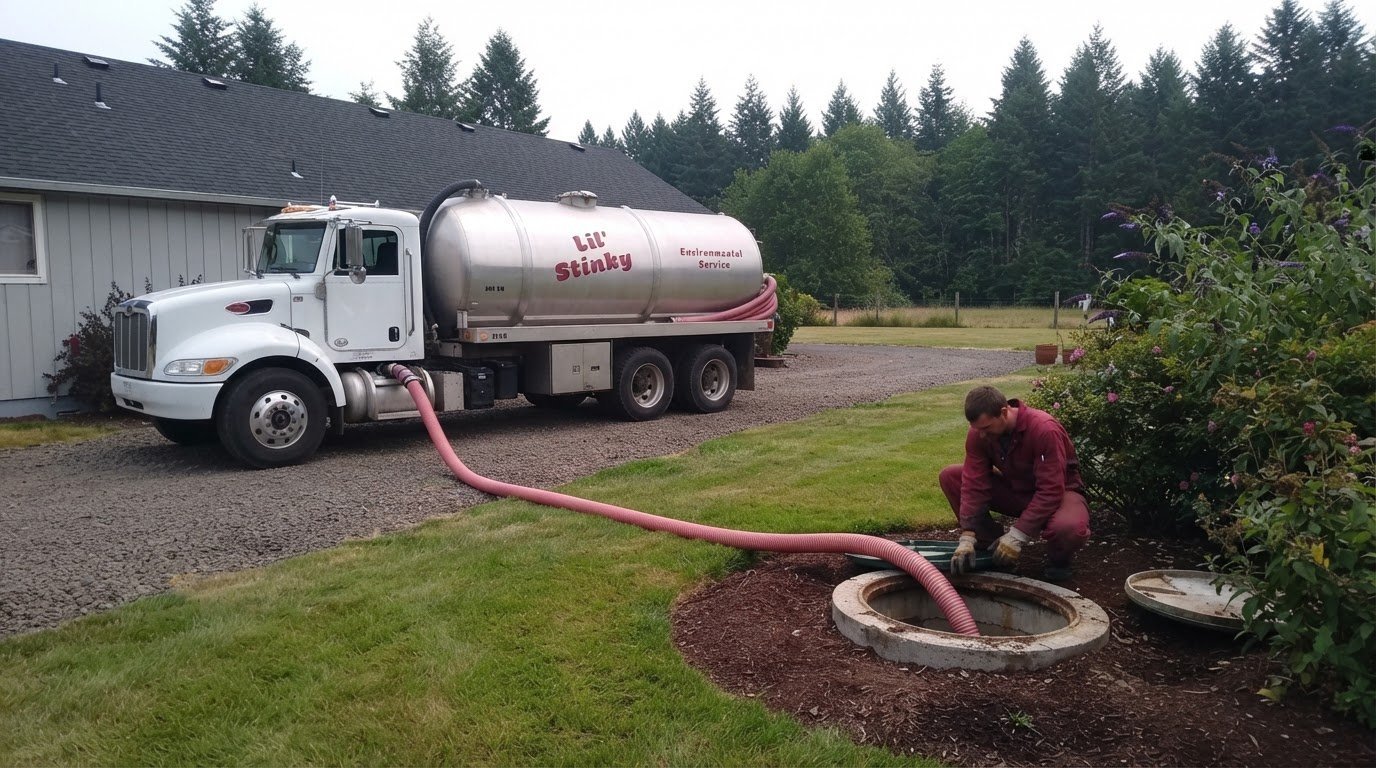
A damaged septic tank lid isn’t automatically covered by homeowners insurance. For septic tank lid replacement in Canby, coverage depends on what caused the damage and the terms of your policy, so don’t assume the repair is covered. A cracked, loose, or missing lid also needs prompt attention because it can leave the tank opening unsafe.
It’s understandable to want clear answers about coverage and cost before work begins. This guide explains what can affect replacement costs, what to look for in your insurance policy, and how local code may apply. You’ll also learn why the lid must fit the tank opening and why DIY work can create safety and installation risks. The goal is to help you understand your options and next steps without guessing at a price or assuming every situation is the same.
Key Takeaways
- Insurance coverage depends on what damaged the lid and the terms of your policy, so identify the cause before assuming the repair is covered.
- Replacement costs can change with the lid material, access, and whether excavation or a riser is needed.
- Check how local code applies to the replacement, including whether the access cover needs added safety features.
- A damaged lid can pose safety and fit risks; understand why professional inspection or septic tank pumping may be the safer next step.
Replacing damaged septic tank lids
A septic tank lid closes the access opening, while a riser brings that opening closer to the surface. Match the replacement to the opening and the system’s access setup.
Signs of Damaged or Missing Lids
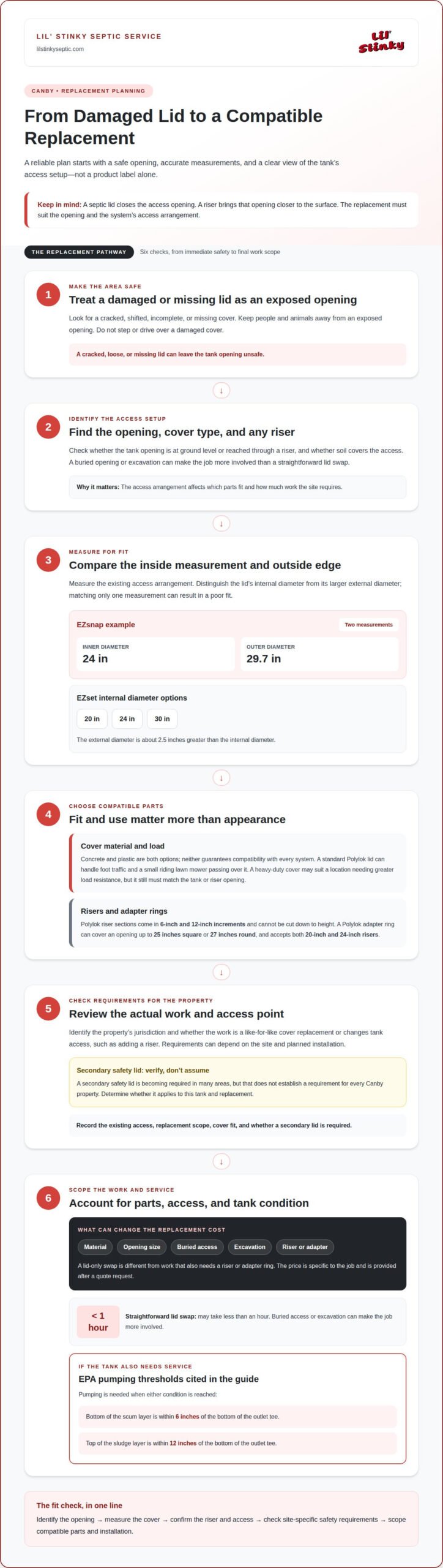
Look for a cracked, shifted, or incomplete cover, or an opening where the lid is missing. Keep people and animals away from an exposed opening, and don’t step or drive over a damaged cover. Replacement starts by identifying the opening and checking which lid fits; a mismatched cover can leave the access point unsecured. EZsnap lids are one example: they have a 24-inch inner diameter and a 29.7-inch outer diameter.
Standard and Heavy-Duty Cover Options
Choose a cover based on its fit and the use above the tank, not just its appearance. A standard Polylok lid can handle foot traffic and a small riding lawn mower passing over it, but that example doesn’t establish the capacity of every standard lid. A heavy-duty cover may suit locations needing greater load resistance, but it still must match the tank or riser opening. Septic risers and secure lids can also provide access without digging.
Concrete and Plastic Lid Materials
Concrete and plastic are different replacement options, and the right fit matters more than choosing by material alone. Neither material guarantees compatibility with every septic system. Identify the opening and existing cover before selecting a replacement. For example, EZsnap dimensions distinguish the inner opening from the lid’s larger outer diameter, so matching only one measurement can result in a poor fit.
Canby Replacement Services and Timing
In Canby, replacement work begins with identifying the tank opening, cover type, and whether a riser is present. A straightforward lid swap may take less than an hour; buried access or excavation can make the job more involved. A septic professional can assess the fit and access conditions. If the tank also needs service, the U.S. Environmental Protection Agency says pumping is needed when the bottom of the scum layer is within 6 inches of the bottom of the outlet tee, or the top of the sludge layer is within 12 inches of the bottom of the outlet tee.
Product pricing
The price of septic tank lid replacement depends on the specific job and is provided after a quote request. Material, opening size, buried access, excavation, and whether risers are needed can all affect the work. Replacing a lid alone differs from a project that also needs a riser or adapter ring. An inspection can help identify the tank setup and compatible parts before replacement begins.
Start by matching the cover to the opening, not by comparing product labels alone. EZset lids come in internal diameters of 20, 24, and 30 inches. Their external diameter is about 2.5 inches greater than the internal diameter. That difference matters when checking whether a lid will sit over the opening correctly. Measure the existing access arrangement and distinguish the lid’s inside measurement from its outside edge.
Risers add another pricing variable because height and compatibility affect the parts required. Polylok riser sections come in 6-inch and 12-inch increments and cannot be cut down to height. A Polylok adapter ring can cover an opening up to 25 inches square or 27 inches round, and it accepts both 20-inch and 24-inch risers. These dimensions help explain why one replacement plan may require extra components while another needs only a compatible cover.
For a clear estimate, the useful sequence is to identify the cover type, measure the opening, note whether soil covers the access, and determine whether a riser or adapter is involved. Don’t treat a lid’s listed dimensions as the full project cost; they describe the part, not site access or installation work. If the tank’s condition also needs assessment, septic inspections can help establish what the system needs before parts are selected.
Checking local code
For septic tank lid replacement in Canby, first identify the property’s jurisdiction and the exact work planned. Replacing a cover may have different requirements from changing tank access or installing a riser. Don’t assume one general rule applies to every site. The cover type, opening, and installation details are practical starting points for determining which requirements apply.
A secondary safety lid is becoming a required component in many areas, but that trend doesn’t establish a requirement for every Canby property. Determine whether a secondary lid applies to the specific tank and replacement. Also consider how the lid is secured and whether the installed cover fits the existing access point.
Before installation, the work assessment should record these details:
- Existing access: Identify whether the tank opening is at ground level or reached through a riser.
- Replacement scope: Distinguish a like-for-like cover replacement from work that changes the access arrangement.
- Cover fit: Match the lid to the opening and frame, rather than relying only on a product label.
- Safety components: Determine whether a secondary lid is required for this property and installation.
These checks help prevent treating a product dimension as proof of code compliance. A correctly sized cover may still raise questions about secure installation or required safety components. Adding a riser also changes the access setup and should be included in the scope reviewed for the property. Ground-level and buried access can require different installation details.
Keep the code check tied to the actual site and proposed work. In Canby, the key question is which requirements apply to this tank, not whether a feature is common elsewhere. Documenting the opening, cover, riser, and safety-lid decision gives the installation a clear basis.
DIY lid replacement risks
A lid swap can look simple, but the right replacement depends on the tank opening and access setup. A poorly seated cover may leave the opening unsecured or block future maintenance access. The work also changes if soil covers the tank or a riser needs attention. Identify the full access arrangement before treating the job as a simple part replacement.
DIY work can go wrong when you choose a replacement by appearance instead of fit. A tank lid, riser lid, and adapter serve different openings; the wrong component can leave gaps or create an unstable cover. For example, an EZsnap lid’s inner and outer diameters differ, so one measurement alone doesn’t establish its full fit. A correctly matched part matters more than a familiar brand name.
Digging raises another concern: a septic system includes more than the tank opening. The drainfield is part of the system, and driving on or paving over an Oregon septic system’s drainfield can ruin it. Keep heavy equipment and vehicles off the drainfield during access work. If the lid is buried, take care with its location and excavation approach to avoid disturbing nearby system components.
Before proceeding, consider whether you can identify the tank opening, distinguish the lid from the riser cover, and install the replacement securely. Stop if the access point is unclear, the cover won’t seat securely, or digging near the system is required. An improvised fit can make future access and maintenance harder instead of solving the original problem.
For a professional assessment of the tank access and replacement needs, request a septic system assessment. A clear assessment can determine whether the job is limited to the lid or involves additional access work.
Lil’ Stinky Septic Service: Septic Tank Pumping
Lil’ Stinky Septic Service can help when a damaged or missing lid raises questions about the tank’s condition or maintenance needs. Septic inspections assess the system and access points, while septic tank pumping addresses accumulated solids when pumping is needed. These services can clarify whether the concern is limited to access or involves broader system maintenance.
Consider an inspection if the tank opening, riser, or surrounding system needs assessment. Pumping may be appropriate when the tank needs routine service, but it doesn’t replace fitting or securing a lid. Keeping those needs distinct helps you choose the right next step for your property.
For help deciding which septic service fits your situation, contact Lil’ Stinky Septic Service.
Choose a Clear Next Step for Your Septic System
A damaged lid needs attention at the access point, but it can also prompt a broader look at the system. For septic tank lid replacement in Canby, clarify whether the concern is limited to the cover or also involves maintenance, system condition, or installation needs. That distinction helps you move forward without treating every lid problem as a full-system issue.
Lil’ Stinky Septic Service provides septic inspections, septic tank pumping, and septic installation. An inspection can help assess system condition, while pumping addresses maintenance needs and installation covers broader system work. The right service depends on your property’s needs, not simply on the presence of a damaged lid.
Keep the opening secure and avoid attempting work that could affect the tank or surrounding system. For help with the next step, contact Lil’ Stinky Septic Service. A straightforward conversation can help you plan the right path for your property.
Frequently Asked Questions
Does Homeowners Insurance Cover The Replacement?
Coverage depends on your policy and the cause of the damage. Review the policy’s wording on septic systems, property damage, and maintenance, then document what happened and when. A lid damaged during a covered event may be treated differently from one that deteriorates over time. Keep photos and repair records together to support a clear discussion with your insurer about the claim.
How Do I Determine the Lid Type?
Identify whether you have a tank lid, a riser cover, or a cover set into a frame. Look for a manufacturer name or model marking on the visible surface, and note the shape and material. A photo of the access point can help distinguish components before selecting parts. Don’t order by appearance alone, because similar-looking covers may fit different openings.
How Do I Fix It?
Keep people and pets away from a cracked or missing cover, and don’t enter or lean into the tank. A safe repair starts with identifying the access component and choosing a cover that seats securely. If the opening is exposed, buried, or difficult to identify, don’t improvise with boards or an ill-fitting lid. An inspection can help clarify whether the issue extends beyond the cover.
How Much Does Septic Tank Lid Replacement Cost?
The price depends on the specific job and is provided after a quote request. Key cost factors include the cover type, fit, access conditions, and whether excavation or additional components are needed. A lid-only job differs from work involving a buried opening or riser changes. Share clear details about the access point and visible damage so the scope can be assessed accurately.
SHOULD I USE THE STANDARD OR THE HEAVY DUTY LID?
Choose a cover based on its intended load and the area above the tank. A standard cover may suit a protected access point with foot traffic, while a location exposed to vehicle weight needs careful assessment of the cover’s load rating. Don’t assume “heavy duty” guarantees a proper fit. The replacement must also match the opening and installed access components.
What Lid Am I Looking At – And How Do I Fix It?
First distinguish the main tank cover from a smaller riser cover or a framed access cover. Note the visible shape, material, markings, and whether the cover sits at ground level or on a raised access. For septic tank lid replacement in Canby, these details help identify the part and scope. Keep clear of an unsafe opening, and arrange an assessment if you’re unsure which component it is.