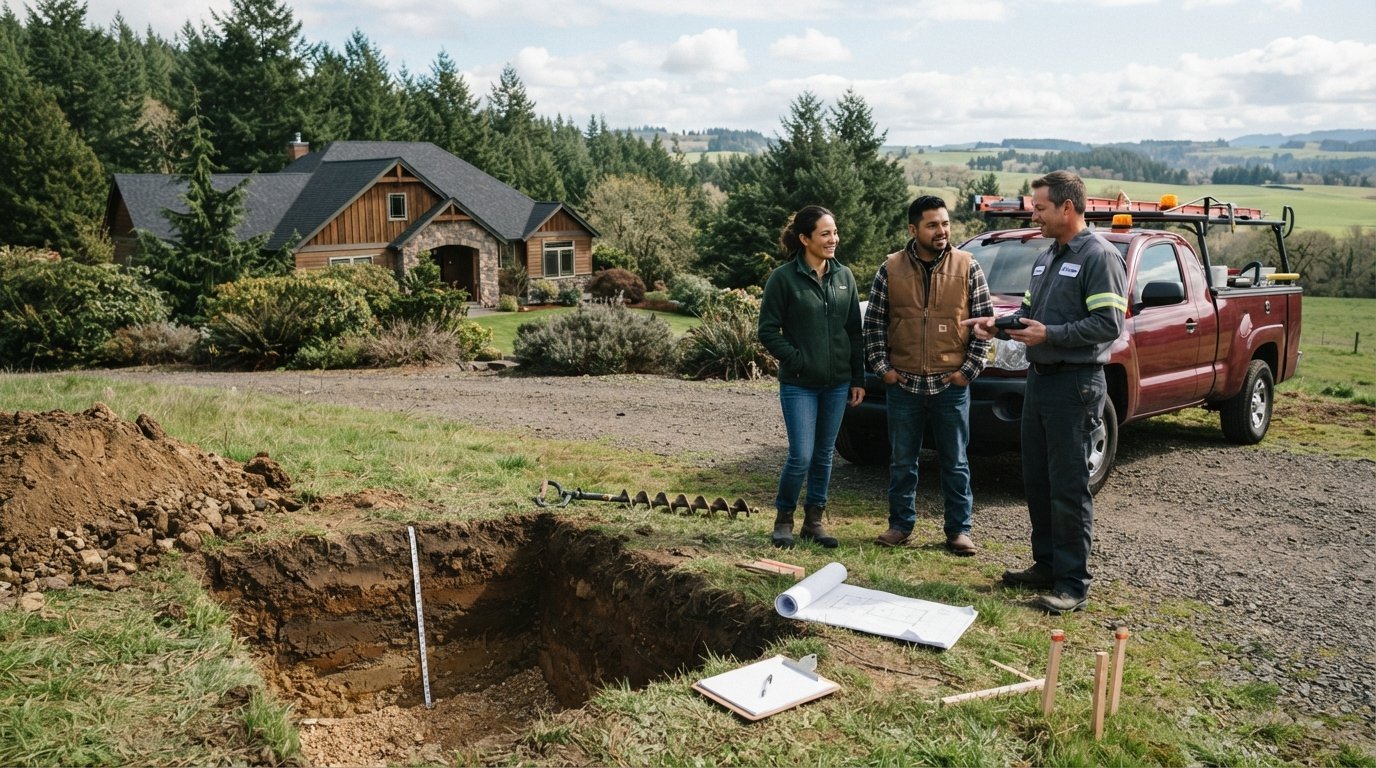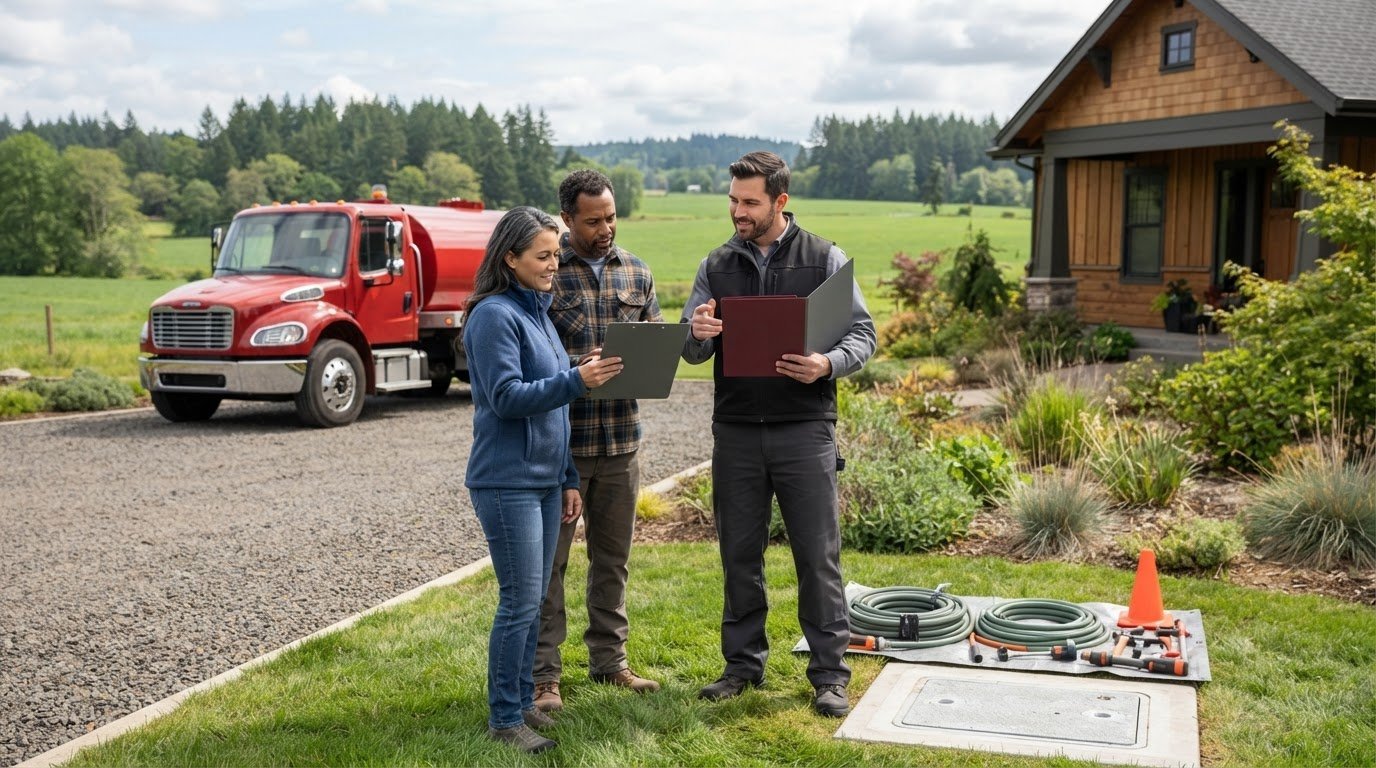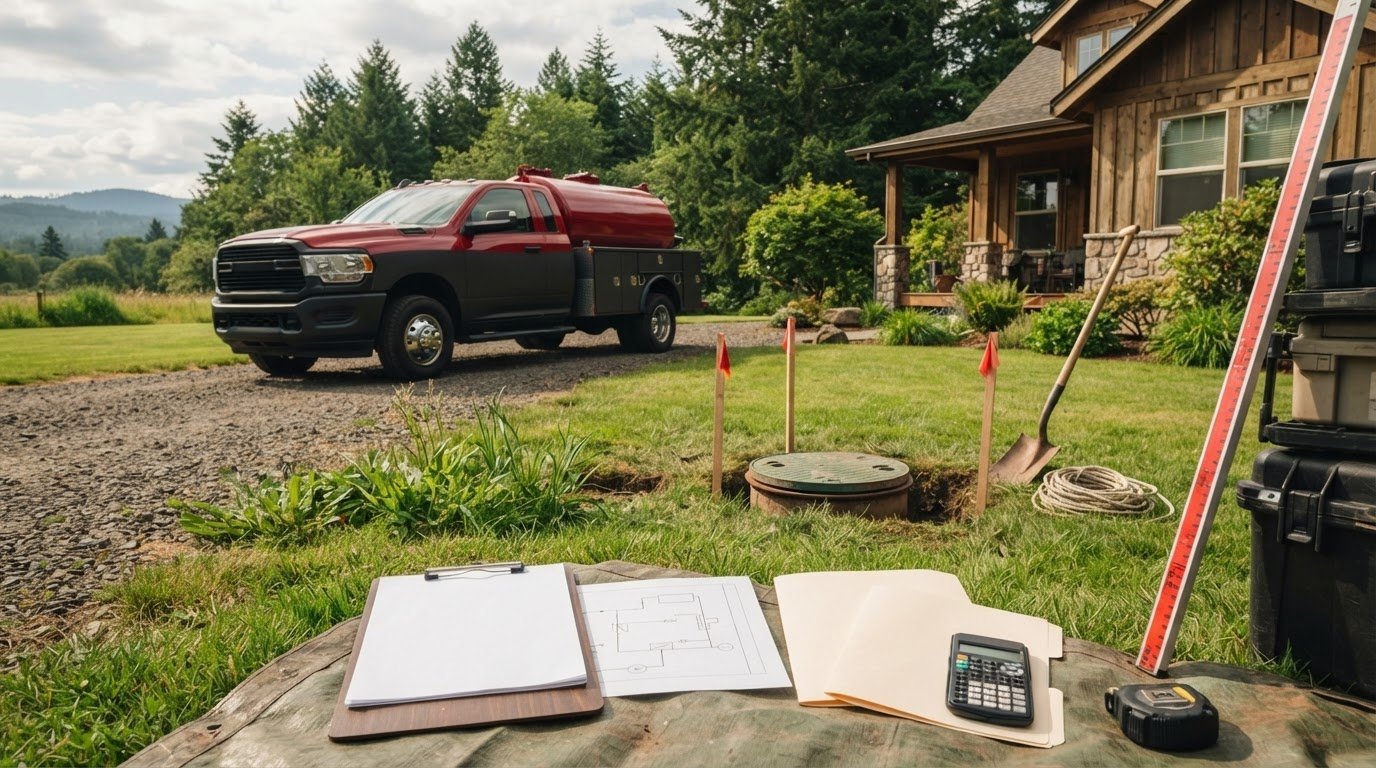
Last week, a homeowner in Clackamas County watched the clock with white knuckles, wondering if their septic inspector would finish before the buyer’s due diligence period expired. When a home sale is on the line, every minute feels like an hour. You shouldn’t have to guess how long does septic inspection take or worry that a surprise DEQ requirement will stall your closing. It is completely normal to feel anxious about the process, especially with the 2026 fee increases and the new digital mandates from the Oregon Department of Environmental Quality.
We understand that you need clear answers and a certified report that passes lender scrutiny without the headache. This guide breaks down exactly what to expect during the process so you can budget your time with confidence. We will walk through a typical hour by hour timeline for a full real estate inspection, explain the local factors in the Portland area that can cause delays, and show you how to prepare your yard to speed up the technician’s work. By the end of this article, you will know how to navigate the 2026 regulations and get your system cleared for sale without the stress.
Key Takeaways
- Expect a standard residential inspection to last between 1.5 and 3 hours, depending on the complexity and age of your system.
- Discover exactly how long does septic inspection take when you account for specific Oregon DEQ reporting requirements and lender-mandated tests for home sales.
- Identify the critical variables, like tank lid accessibility and system type, that can either speed up the process or cause significant on-site delays.
- Get a clear breakdown of the inspection phases, from the initial record review to the final diagnostic assessment of the tank and drainfield.
- Learn simple preparation steps, such as marking lids and clearing debris, to ensure your inspector can work efficiently and deliver a certified report on schedule.
The Short Answer: How Long Does a Typical Septic Inspection Take?
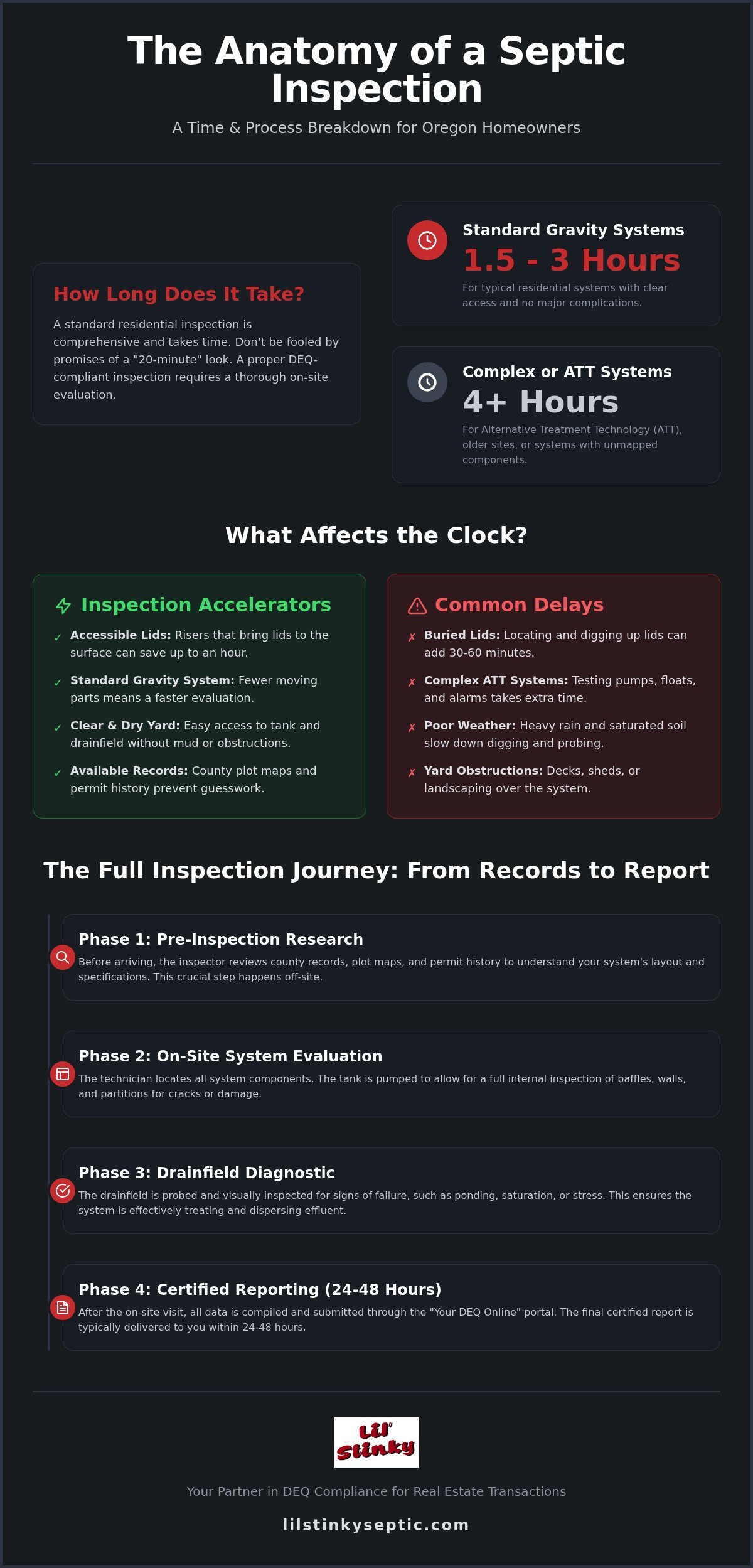
Most standard residential inspections in Oregon take between 1.5 and 3 hours on-site. If you have a straightforward gravity system and easy access to your tank lids, we can often finish closer to the 90-minute mark. However, if your property has a complex Alternative Treatment Technology (ATT) system or is an older site with unmapped components, expect the process to stretch to 4 hours or more. It’s helpful to remember that how long does septic inspection take depends largely on the depth of the diagnostic required for your specific situation.
A basic visual check might only take 45 to 60 minutes, but these brief visits rarely satisfy lender requirements or the Oregon DEQ. They don’t provide a complete picture of how a septic system works under daily pressure. For a real estate transaction, you need a full evaluation that looks at the health of the tank, the effluent levels, and the integrity of the drainfield. This level of detail takes time, but it’s the only way to ensure you aren’t inheriting a five-figure repair bill.
Defining the ‘Site Visit’ vs. the ‘Full Process’
Don’t confuse the time the truck is in your driveway with the total time required for a certified report. When homeowners ask us how long does septic inspection take, we always explain the difference between the physical visit and the administrative follow-up. Before we even arrive in Canby, we spend time digging through county records to find your original plot maps and permit history. This pre-inspection research ensures we aren’t guessing where your tank is buried.
Once the physical work is done, we have to compile the data and file the necessary paperwork through the “Your DEQ Online” portal. While we are usually finished with the site visit in a few hours, the total turnaround for your final, written report is typically 24 to 48 hours. We know real estate deadlines are tight, so we prioritize getting that paperwork into your inbox as quickly as possible.
Why ‘Quick’ Inspections Can Be a Red Flag
If an inspector promises to be in and out in 20 minutes, be careful. A “drive-by” inspection often skips the most critical step: pumping the tank to inspect the internal structure. You can’t see a cracked baffle or a failing partition wall if the tank is full of liquid. To better understand this process, you can explore Septic System Pumping and its importance in identifying system flaws. An Oregon DEQ compliance report requires a level of detail that a quick walk-through just can’t provide. A thorough inspection is one that includes tank baffles and drainfield stress tests. Cutting corners might save an hour today, but it could cost you a home sale tomorrow when the buyer’s lender rejects an incomplete report.
Key Variables That Can Speed Up or Slow Down Your Inspection
When homeowners ask how long does septic inspection take, the answer usually depends on one word: access. If your tank lids are buried under six inches of sod or hidden beneath a decorative rose bush, the clock starts ticking before we even open the system. Locating and digging up lids can add 30 to 60 minutes to the site visit. This is why many Oregonians choose to install risers. These plastic or concrete extensions bring the lid to the surface, allowing for 15-minute access regardless of the season. If you aren’t sure where your tank is located, Lil’ Stinky Septic Service provides professional lid locating and digging services to take the manual labor off your plate.
System Complexity and ATT Technology
The type of technology in your backyard also dictates the schedule. A standard gravity system is relatively fast to evaluate because it has fewer moving parts. However, Alternative Treatment Technology (ATT) systems require a much more thorough diagnostic. We have to test pumps, floats, alarms, and control panels to ensure everything meets current environmental standards. If your property uses a sand filter or a peat moss system, plan for an extra 30 to 60 minutes on-site. These advanced components protect our local groundwater but require a methodical, step-by-step review to pass a DEQ audit.
The Impact of Oregon Weather and Soil
In the Canby and Portland area, our local climate plays a massive role in the inspection timeline. Heavy winter rains saturate the soil, which makes it harder to probe for components and much slower to dig without creating a muddy mess. Saturated ground can also disguise certain issues or make it harder to visually inspect the drainfield for signs of failure, such as ponding or “squishy” spots. Following the OSU Extension septic maintenance guide helps you keep your system in good shape so that even in the wettest Oregon months, your inspection moves forward without a hitch.
The age of your home is another critical factor. Older properties often lack accurate permit maps. If a home was built before modern record-keeping, we might find that the tank is in a completely different spot than the owner expected. Searching for “lost” components in an unmapped yard is the fastest way to turn a two-hour job into a half-day project. If you want to avoid these surprises during a home sale, you might consider signing up for a protection plan to ensure your system is mapped and maintained year-round.
The Step-by-Step Inspection Timeline: What Happens During Those Hours?
To understand exactly how long does septic inspection take, you have to look at the process as a four-phase diagnostic. We don’t just show up and glance at your yard. Each step is designed to meet Oregon DEQ standards and provide the “straight talk” you need before a property transfer. While every site in Canby is unique, most inspections follow a methodical sequence that accounts for the 1.5 to 3 hours we spend on your property.
Phase 1 & 2: Locating and Opening the Tank
The first 20 to 30 minutes involve a record review and component location. We use electronic locators to find the tank quickly, which is much more efficient than the old-school method of wandering the yard with probing rods. Once we find the system, we spend 15 to 45 minutes uncovering and opening the lids. We don’t just check one side; we open both the inlet and outlet sides to get a complete view of the internal health. During this stage, we also scan the surface for red flags like septic odors or unusually lush, green grass over the drainfield, which often indicates a leak.
These initial phases are critical for establishing a baseline. If your lids are already exposed via risers, we can cut this time in half. If we have to hunt for a buried tank on an older Clackamas County property, this is where the schedule can slip. We prioritize accuracy here because missing a component now leads to an incomplete report later.
Phase 3 & 4: Diagnostics and Pumping
Phase 3 is the “Flow Test” or “Stress Test,” which typically lasts 30 to 60 minutes. We run water in the house to see how the system handles a sudden load. This simulates a house full of guests or a heavy laundry day. It tells us if the pipes are clear and if the drainfield is actually absorbing liquid at the proper rate. Without this test, an inspection is just a guess. We want to make sure the system won’t back up the day after the new owners move in.
Finally, we spend 30 to 45 minutes pumping the tank. This is the only way to perform a true structural integrity check. Once the liquid is gone, we can see if there are cracks in the concrete, leaks in the sealed joints, or damage to the baffles. Our guide on septic tank pumping in Portland OR explains why this step is the backbone of a reliable maintenance routine. By the time we pack up the hoses, we have a complete data set to file your DEQ report, ensuring your real estate transaction stays on track.
Oregon DEQ Compliance and Real Estate Deadlines
In Oregon, a septic inspection is often the final hurdle before a property officially changes hands. Real estate transactions in our state typically require a specific document known as the DEQ “Existing System Evaluation Report.” This isn’t a simple “pass or fail” note. When you are planning your closing calendar, understanding how long does septic inspection take involves looking at both the site visit and the administrative filing. We strongly suggest scheduling your inspection at least 10 days before your closing date. This buffer accounts for the time needed to cross-reference county records and navigate the 2026 filing requirements. If you are managing a septic inspection real estate Portland transaction specifically, our 2026 buyer and seller guide walks you through every step of the local process to keep your closing on track.
Understanding the DEQ Form 12
The DEQ Form 12 is the mandatory report that provides “straight talk” about a system’s health to buyers, sellers, and lenders. During the inspection, we must collect specific data points, including the tank’s material, its capacity, and the exact condition of the inlet and outlet baffles. Because this report requires us to verify that the system matches the original permit on file with the county, it takes significantly longer to complete than a routine maintenance check. We have to be meticulous; an error on this form can stall a home sale for weeks. If you want to understand exactly what must appear on your paperwork to satisfy your bank, our guide to the septic inspection report for lender Oregon requirements in 2026 provides a complete checklist of lender-required details. Read our FAQ on septic inspections for home sales in Oregon for more timeline tips and updates on the 2026 regulations.
Lender and Appraisal Timelines
Lender requirements in Clackamas and Multnomah counties can add unexpected layers to your timeline. If your buyer is using a VA or FHA loan, the appraiser might require additional water stress tests or precise measurements to confirm the distance between the drainfield and the property’s well. These federal programs have strict safety standards that can add an extra hour to our time on-site. Lender-ready reports require specific certifications that Lil’ Stinky maintains to ensure your paperwork moves through the underwriting process without rejection.
As of July 2026, all Oregon inspectors must navigate the updated “Your DEQ Online” portal and manage the recent 33% increase in state filing fees. While the digital system is designed for speed, it still requires a human touch to ensure every detail is accurate before submission. If you find yourself in a bind with a looming deadline, our 24/7 responsiveness can be a lifesaver for urgent real estate deals. We prioritize these “emergency” inspections because we know how much is at stake when a deal is on the line.
Don’t let a paperwork delay ruin your home sale. Schedule your DEQ-certified inspection with Lil’ Stinky Septic Service today to ensure your report is filed correctly and on time.
How to Prepare Your Property for a Faster Inspection
While the technical details of the system dictate much of the timeline, your preparation as a homeowner is the biggest variable you can control. If you want to minimize how long does septic inspection take, you should treat the appointment like a home showing. Clear, unobstructed access allows our technicians to move through the diagnostic phases without delay. When we have to spend the first hour of a visit hacking through overgrown blackberries or hunting for a buried lid, it pushes back the entire schedule and delays your final report.
Start by locating and marking your septic tank lids before the inspector arrives. If you don’t have risers installed, place a simple garden flag or a stake over the lids. You should also clear away any lawn ornaments, heavy debris, or brush from the tank and the drainfield area. We need space to work with hoses and tools, and a clean site ensures we can perform a thorough visual assessment of the ground surface without missing signs of saturation or failure.
The ‘Proactive’ Homeowner Checklist
Preparation isn’t just about the yard; it’s about the paperwork and house access too. Homeowners often ask us how long does septic inspection take when they are in a rush to close, and we always tell them that having documentation ready is the fastest way to speed up the process. To ensure a smooth visit, follow these steps:
- Gather Maintenance Records: Have your recent pumping receipts and “as-built” drawings ready. If you don’t have an “as-built” map, you can often find one at the county environmental health office.
- Secure the Site: Keep your pets in the house and ensure all gates are unlocked. We need to move freely between the truck, the tank, and the drainfield.
- Manage Water Usage: Avoid doing several loads of laundry or running the dishwasher for 24 hours before the inspection. A system that has been heavily taxed right before we arrive can skew the results of our flow test.
- Provide House Access: Ensure the inspector can enter the home to run faucets. We must verify that the indoor plumbing is discharging correctly into the system to complete the DEQ evaluation.
The Lil’ Stinky Advantage in Canby
Working with a local specialist makes a difference in your timeline. Because we have 25 years of local experience in the Canby and Portland area, our internal database often contains records for your specific property that the county might have lost. This local knowledge helps us find your components faster and provides the “straight talk” you need to understand exactly what your system requires to pass DEQ standards. We take pride in being a dependable ally for homeowners, offering a best-price guarantee on certified septic inspections. When you prepare your property and partner with an experienced team, you can get your certified report in hand without the stress of unexpected delays.
Get Your Oregon Septic Report Filed with Confidence
Knowing exactly how long does septic inspection take helps you plan your home sale or maintenance schedule without the last-minute panic. Most site visits wrap up within three hours, provided your tank lids are accessible and your records are ready. By choosing a team that understands the 2026 DEQ requirements and the specific needs of Clackamas County lenders, you ensure your paperwork is done correctly the first time. You don’t have to worry about missing a deadline when you have a local expert handling the diagnostics and the digital filing process.
Don’t let a buried lid or an outdated map stall your closing. Lil’ Stinky Septic Service brings 25 years of local expertise and DEQ-certified inspectors to every job. We offer a best-price guarantee to help you navigate these regulatory changes without breaking your budget. We are here to be your dependable ally, providing the straight talk you need for total peace of mind. Schedule your certified DEQ septic inspection with Lil’ Stinky today! You can move forward with your property goals knowing your system is in expert hands.
Frequently Asked Questions
Can a septic inspection be done in the rain?
Yes, we perform inspections in typical Oregon rain without any issues. Our technicians are equipped for the local climate, and wet soil can actually make it easier to probe for buried components. However, extreme flooding that completely submerges the drainfield might require a reschedule. We must ensure we get an accurate reading of the system’s absorption rate, which is difficult if the ground is already totally underwater.
Does the homeowner need to be present for the inspection?
You don’t have to be on-site, but we need a way to access the home. We must run faucets and flush toilets to perform the mandatory flow test. If you can’t be there, you can provide a gate code or a key. We will handle the rest of the diagnostic work and call you with a verbal summary once the site visit is complete.
What happens if the septic inspection takes longer than 3 hours?
If the visit exceeds the typical window, it is usually because we encountered buried lids or a highly complex system. When homeowners ask how long does septic inspection take, we explain that older properties without accurate maps often require extra time for locating components. We will always communicate any delays immediately so you can adjust your schedule and keep your real estate deal moving forward.
Is a septic inspection required to sell a house in Oregon?
Oregon does not have a statewide mandate for inspections at the time of sale, but most lenders and buyers require one. To satisfy these parties, we provide the DEQ “Existing System Evaluation Report.” This document is the industry standard for real estate transactions in Clackamas and Multnomah counties. It ensures the system meets current environmental safety guidelines before the title officially transfers to the new owner.
How much does a DEQ-certified inspection cost in Clackamas County?
Fees for a certified inspection vary based on the complexity of your system and current state filing requirements. As of July 2026, the DEQ increased filing fees by 33 percent, which impacts the total investment for a property transfer report. We offer a best-price guarantee to ensure you get a thorough, lender-ready septic inspection report that meets Oregon’s 2026 requirements without overpaying for essential compliance paperwork. Call us for a specific quote based on your system type.
Can I use my toilets during the inspection?
We ask that you limit water usage while our technician is on-site. We need to control the amount of liquid entering the tank to perform an accurate stress test on your drainfield. Using the toilet once or twice is usually fine, but you should avoid taking showers, running the dishwasher, or doing laundry until we give you the all-clear signal. This ensures our data reflects the system’s true capacity.
How long is a septic inspection report valid for a home sale?
Most lenders and real estate professionals consider a septic report valid for 90 days. While the physical condition of the tank might not change quickly, the evaluation is a snapshot of the system’s performance at a specific time. If your closing process is delayed significantly, the buyer’s bank might request a fresh look to ensure no new issues have developed since the initial site visit was performed.
Will the inspector dig up my entire yard?
No, we only dig small, targeted holes to access the tank lids. If your system has risers installed at the surface, we won’t need to dig at all. Our goal is to be as surgical as possible to protect your landscaping. We use electronic locators to find the exact spot before we ever pick up a shovel, which keeps the impact on your lawn to a minimum.