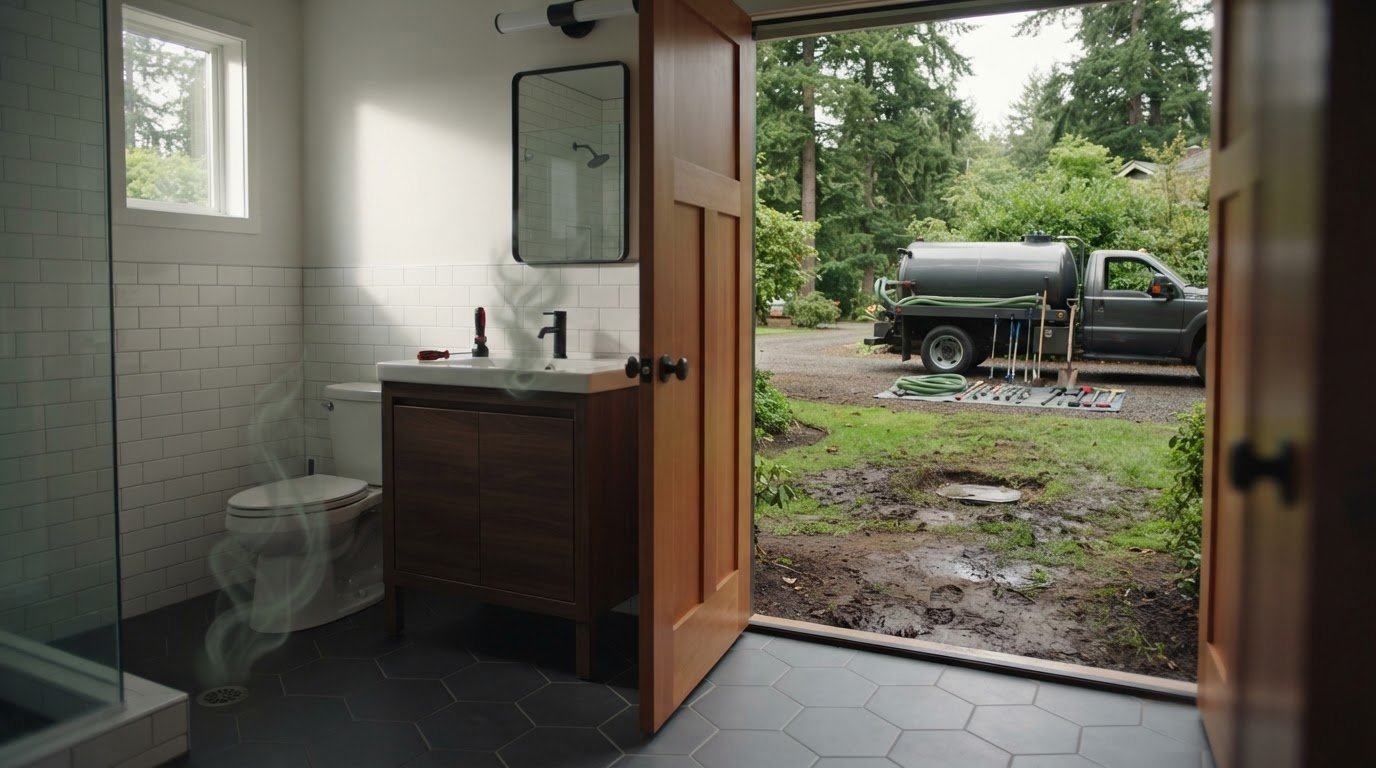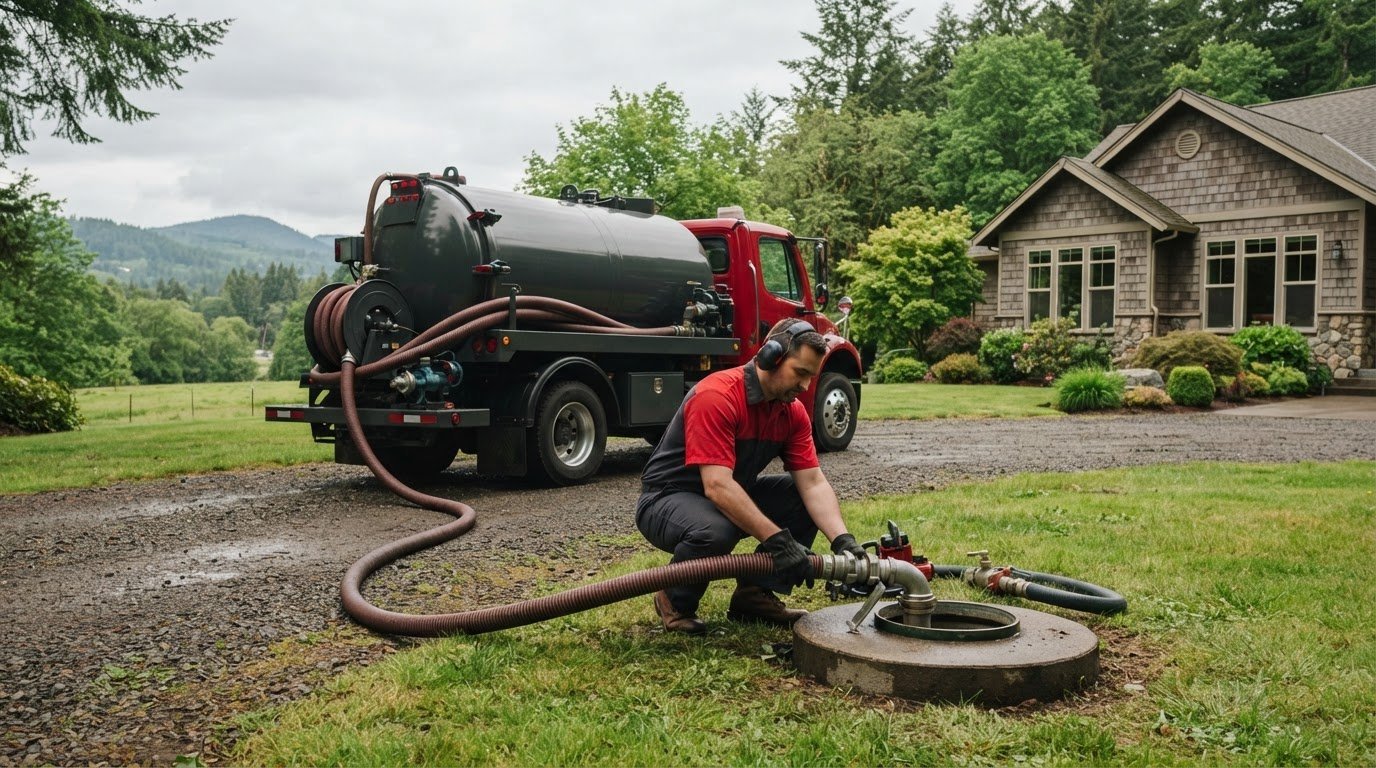
Imagine you’re finishing a late-night load of laundry when you hear a strange gurgle from the bathroom, followed by the unmistakable smell of sewage drifting into the hallway. It’s a moment every homeowner in Oregon dreads. Dealing with plumbing issues is stressful enough, but when you’re on a septic system, a slow drain feels like a ticking time bomb for your property and your wallet. You deserve drains that flow freely without the constant anxiety of a messy backup or a total system failure.
We know that the confusion between a simple pipe clog and a failing septic tank can be overwhelming. This guide explains everything you need to know about septic drain cleaning Clackamas County homeowners should prioritize to keep their systems healthy. You’ll learn how to spot early warning signs, resolve stubborn blockages using professional methods, and prevent future issues that lead to high repair costs. We’ll walk you through the specific steps to maintain your lines and protect your drainfield, giving you the peace of mind that comes with a well-maintained home.
Key Takeaways
- Learn to identify early warning signs like gurgling pipes to determine if you have a simple localized clog or a serious system-wide septic backup.
- Understand why professional septic drain cleaning Clackamas County services use hydro-jetting to clear sludge and grease without damaging your delicate pipes.
- Protect your tank’s biological “engine” by avoiding caustic chemical cleaners that kill the beneficial bacteria necessary for waste breakdown.
- Get a step-by-step emergency plan to handle unexpected backups, including how to stop water usage and check for surface flooding immediately.
- Find out how to qualify for local 2026 rebates from Clackamas River Water Providers to help offset the costs of routine pumping and inspections.
Identifying the Source: Is it a Simple Clog or a Septic Issue?
When water starts pooling in your tub, your first instinct is probably to grab a plunger. But before you start pumping, you need to know if you’re dealing with a hairball in the trap or a full-scale system failure. Identifying the source early saves you from the mess of raw sewage and the cost of unnecessary repairs. Professional septic drain cleaning Clackamas County homeowners rely on often starts with this simple diagnostic step to prevent a minor inconvenience from turning into a total property disaster.
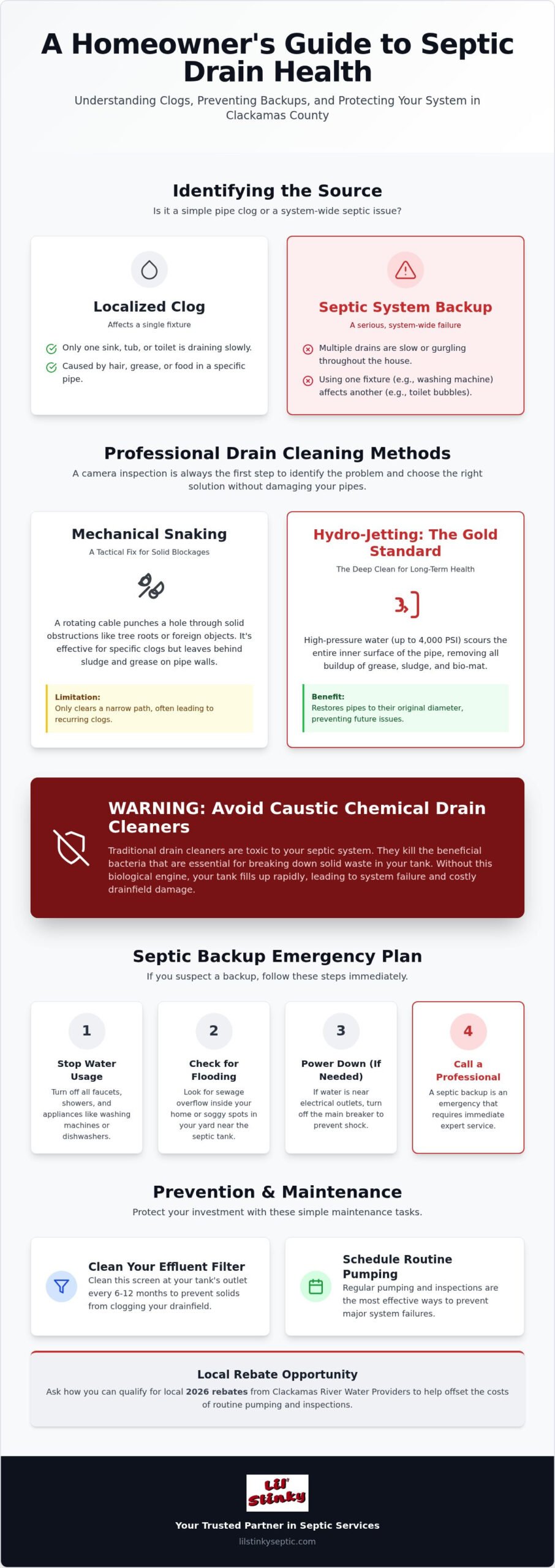
One of the most reliable early warning signs is the “Gurgling Pipe” phenomenon. If you hear a glug-glug sound from your toilet when the shower is running, your system is struggling to vent air because of a blockage. In Clackamas County, our heavy winter rains and saturated soil create unique “Septic Stressors” that you won’t find in drier climates. When the ground is soaked, the drainfield can’t accept water as quickly, causing pressure to build up in your lines and forcing air back through your fixtures. A mainline backup is the critical failure point where the single pipe connecting your house to the tank becomes fully obstructed, preventing any waste from leaving the building.
Localized Clogs vs. Mainline Backups
Testing for an isolated clog is straightforward. Run water in every sink and flush every toilet in the house. If only the kitchen sink is slow, you likely have a localized grease buildup or a food obstruction in that specific pipe. However, if the guest bathroom toilet bubbles when the washing machine drains, the problem is deeper in your plumbing. Multi-drain backups are always a septic emergency because they indicate that waste has nowhere to go but back into your home. This usually requires professional intervention to clear the main line before your floors are ruined by an overflow. If you’re unsure whether your situation calls for a drain backup service Portland OR specialists recommend, understanding how to quickly diagnose the scope of the problem can save you significant time and money.
The Role of the Effluent Filter
Your effluent filter acts as a final security guard for your drainfield. It’s a screen located at the outlet of your tank that catches small solids before they can clog the soil. Understanding how septic systems function helps clarify why this small part is so vital for the longevity of your property. If your drains are slow throughout the entire house but your yard isn’t soggy, your filter might just be dirty rather than your pipes being blocked. We recommend cleaning this filter every six to twelve months to ensure proper flow and prevent total system backups. It’s a simple maintenance task that prevents a very expensive headache later on.
Professional Septic Drain Cleaning Methods: Hydro-Jetting vs. Snaking
Once you’ve identified that your backup isn’t just a simple sink clog, you need to choose the right tool for the job. Using the wrong method can damage your plumbing or leave you with another backup in just a few weeks. For effective septic drain cleaning Clackamas County technicians rely on two primary methods: mechanical snaking and hydro-jetting. Each has a specific purpose depending on what is actually blocking your pipes.
Before any cleaning begins, a video camera inspection is a non-negotiable first step. We don’t want to guess what’s happening inside your lines. In older parts of Canby and Oregon City, many homes still have fragile or aging pipes that require a gentle touch. A pipe camera inspection Portland residents and Clackamas County homeowners rely on allows us to see if we’re fighting a solid object, invasive tree roots, or years of accumulated sludge. This visual data ensures we use a method that clears the blockage without causing a pipe collapse.
Mechanical Snaking: When to Use It
Mechanical snaking is a tactical fix designed for solid obstructions. It uses a flexible, rotating steel cable with a cutting head to punch through specific blockages. This is the ideal tool for retrieving a foreign object or chewing through invasive roots that have found a tiny crack in your line. However, snaking has significant limitations in a septic environment. It only clears a path through the center of the obstruction. It doesn’t actually clean the pipe walls. If your pipes are filled with soft sludge or grease, a snake might just pass through the mess, leaving most of it behind to cause another clog later.
Hydro-Jetting: The Deep Clean Standard
Hydro-jetting is the gold standard for maintaining long-term septic health. This process uses high-pressure water, often reaching up to 4,000 PSI, to scour the entire circumference of the pipe. While a snake pokes a hole, a hydro-jetter restores the pipe to its original diameter. It’s particularly effective at removing “bio-mat” and thick grease that snakes simply can’t touch. This method is far safer and more effective than the dangers of chemical drain cleaners, which can corrode your plumbing and destroy the beneficial bacteria in your tank. By thoroughly cleaning the walls of the pipe, you ensure that waste flows smoothly and your system stays reliable for years.
If you’re noticing slow drains throughout your home, it’s time to get a professional look at your lines. You can learn more about our specialized drain cleaning options to find the right fit for your property.
Why Traditional Drain Cleaners Are Dangerous for Your Septic System
Your septic tank isn’t just a concrete box in the yard; it’s a living biological engine. It relies on a delicate balance of anaerobic bacteria to break down waste and keep the system flowing smoothly. When you reach for a bottle of store-bought “drain opener” to handle a slow sink, you’re essentially pouring poison into that ecosystem. For effective septic drain cleaning Clackamas County residents can trust, mechanical methods or natural treatments are always safer than chemical shortcuts.
Most common grocery store cleaners contain caustic substances like sodium hydroxide or sulfuric acid. While these chemicals are designed to dissolve hair and grease, they don’t stop there. They kill the “good” bacteria that digest solids in your tank. The dangers of chemical drain openers go beyond just killing bacteria; they can also corrode your tank’s baffles and the very pipes they are supposed to clear. If you have a minor clog in a single sink, try these septic-safe alternatives first:
- Baking Soda and Vinegar: Pour a half-cup of baking soda followed by a half-cup of white vinegar down the drain. Let it sit for 30 minutes before flushing with hot water.
- Manual Removal: Use a simple plastic zip-tie drain tool to pull out hair clogs from bathroom sinks and tubs.
- Enzyme Treatments: Use a natural enzyme-based cleaner that boosts bacterial growth instead of killing it.
The Chemical Chain Reaction
When the bacteria in your tank die off, solids stop breaking down properly. Instead of settling at the bottom as sludge, these undigested particles stay suspended in the liquid and travel out to your drainfield. This leads to soil clogging and eventual system failure. A single bottle of harsh cleaner can disrupt your tank’s biological balance for months. This turns a cheap “liquid fix” into a massive repair bill when your drainfield stops absorbing water.
Septic-Safe Clog Prevention
Prevention is always cheaper than a cure. Using high-quality, quick-dissolving toilet paper ensures that your pipes stay clear without the need for harsh intervention. We also recommend shifting away from chemical cleaners entirely to protect your property. Following regular septic maintenance plans keeps your system in peak condition. This proactive approach ensures your lines stay clear and your “good” bacteria stay healthy, eliminating the need for dangerous chemicals in your home.
How to Handle a Septic Drain Emergency: A Step-by-Step Response Plan
A sewage backup is more than a messy inconvenience; it’s a health hazard that requires immediate action. When water starts rising in your tubs or toilets, panic often sets in. Having a clear, professional response plan helps you minimize property damage and keep your family safe. For homeowners needing septic drain cleaning Clackamas County specialists can provide, following these steps ensures the problem doesn’t get worse while you wait for help to arrive.
Step 1: Immediately stop all water usage. This is the most critical rule. If your main line is blocked or your tank is overfilled, every gallon you send down a drain has nowhere to go but back into your home. Turn off the washing machine, stop the dishwasher, and tell everyone in the house to avoid flushing toilets or taking showers.
Step 2: Locate your septic tank lids. If you know where your tank is buried, check the area for surface flooding or unusually soggy soil. If you see standing water over the tank, your system is likely experiencing a total failure rather than a simple pipe clog. Keep children and pets away from these areas to avoid exposure to raw sewage.
Step 3: Avoid “DIY” fixes. It’s tempting to shove a garden hose down a cleanout pipe to try and “blast” the clog. Don’t do it. Adding more water to a pressurized, blocked system can cause a violent blowback of sewage into your face or home. It can also lead to pipe bursts that are far more expensive to fix than a standard cleaning. If you’re facing a crisis in the middle of the night, knowing how to reach an emergency septic service Portland Oregon residents can count on around the clock is far safer than attempting any DIY intervention.
Step 4: Call a licensed specialist. Professional diagnostic tools are the only way to safely resolve a mainline emergency. A licensed technician has the protective gear and high-pressure equipment needed to clear the lines without risking your health or your plumbing.
Immediate Containment Strategies
If you have an outdoor cleanout pipe, you can carefully unscrew the cap to relieve pressure on your indoor plumbing. This might cause sewage to spill out into the yard, but it’s better to have a mess outside than inside your bathroom. Never enter a septic tank or a deep hole near the system. Septic tanks produce toxic gases like methane and hydrogen sulfide that can be fatal in seconds. Focus on protecting your family from greywater exposure inside the home by blocking off affected rooms and using bleach-based cleaners on any hard surfaces that were touched by backup water.
What to Tell Your Technician
When you call for help, having specific information ready will speed up the diagnosis. Tell the technician when the tank was last pumped and if you’ve recently flushed anything unusual, like “flushable” wipes or heavy grease. Identify which drains in the house are backing up first, as this helps us locate the blockage quickly. We provide a 24/7 emergency septic service for Clackamas County residents to ensure you’re never left dealing with a backup alone. If you’re facing a plumbing crisis right now, contact Lil’ Stinky Septic Service for immediate professional assistance.
Maintaining Your Lines: Prevention Tips and Local Rebate Opportunities
Preventing a septic disaster is always more affordable than fixing one after the fact. The “Golden Rule” for every homeowner in our area is to schedule a professional pump-out every three to five years. This interval ensures that the sludge layer in your tank doesn’t grow deep enough to reach the outlet pipe. If you wait until you smell sewage or see slow drains, you’ve likely already caused stress to your system. Proactive septic drain cleaning Clackamas County residents prioritize keeps the entire system flowing and protects the sensitive Clackamas River watershed from contamination.
We know that home maintenance costs can feel overwhelming, but there are local resources designed to help. A certified septic inspection is the most effective way to identify small issues before they turn into a total system failure. These inspections check for structural integrity, baffle condition, and proper drainage, ensuring your property remains safe and compliant with Oregon DEQ standards. Pairing your inspections with a structured septic maintenance plan Portland OR homeowners rely on is the most reliable way to stay ahead of costly repairs and keep up with the latest Oregon DEQ compliance requirements.
Leveraging Clackamas County Rebates
For 2026, the Clackamas River Water Providers have set aside funds to encourage proper system care. Eligible homeowners in the Clackamas River watershed can apply for a $200 rebate for septic tank pumping. This program also offers a $500 rebate for a professional septic system evaluation or inspection. These funds are available on a first-come, first-served basis, so it’s wise to schedule your service early in the year. To claim your rebate, you’ll need to provide a receipt from a licensed provider like us. This financial assistance makes it easier to stay on top of the maintenance that protects our local drinking water and your property value.
Long-Term Prevention Checklist
Keeping your drains clear requires a mix of professional service and smart daily habits. Follow this checklist to extend the life of your system:
- Install an effluent filter: This simple screen catches small solids before they can clog your drainfield soil.
- Manage your landscaping: Never plant trees or large shrubs over your drain lines, as roots are a leading cause of pipe damage.
- Watch your weight: Avoid driving vehicles or placing heavy structures like sheds over any part of the septic system.
- Schedule routine checks: Regular septic system inspections catch baffle leaks or filter clogs before they cause a backup. Pairing these inspections with a pipe camera inspection Portland area specialists recommend gives you a complete picture of your system’s condition from tank to drainfield.
Lil’ Stinky Septic Service has been the trusted local specialist in Canby for over 25 years. We understand the specific soil conditions and regulations unique to Clackamas County. With our Best-Price Guarantee and full licensing (CCB #189693), we provide the “straight talk” and reliable service you need to keep your home running smoothly. We take pride in our craft and are always here as a dependable ally for your property’s safety.
Protect Your Property and Peace of Mind
Keeping your household plumbing running smoothly doesn’t have to be a source of constant anxiety. By learning to spot the difference between an isolated sink clog and a system-wide emergency, you can take the right steps before raw sewage enters your home. Remember that professional methods like hydro-jetting are far safer for your pipes than corrosive chemicals that destroy your tank’s natural bacteria. Staying proactive with routine pumping and taking advantage of local 2026 rebates ensures your system remains reliable and compliant for years to come.
When you need expert septic drain cleaning Clackamas County families have trusted for over 25 years, we’re ready to help. As a fully licensed and insured team (CCB #189693), we offer a Best-Price Guarantee and 24/7 emergency response to handle any backup at any hour. Don’t wait for a slow drain to become a total system failure. Get Fast, 24/7 Septic Drain Cleaning in Clackamas County – Call Lil’ Stinky Now! We take pride in doing things correctly the first time so you can get back to your life without the stress of septic trouble.
Frequently Asked Questions
Can I use a regular plumber for septic drain cleaning in Clackamas County?
You can use a regular plumber for indoor clogs, but you should hire a septic specialist for any issues involving the main line or tank. Septic systems are delicate biological environments that require specific knowledge of tank baffles and effluent filters. A regular plumber might use high-pressure tools or chemicals that disrupt your tank’s bacteria. Licensed septic technicians carry specific certifications for this work, ensuring your property stays compliant with local environmental regulations.
How much does professional septic drain cleaning cost in Oregon?
The cost of professional service depends on the cleaning method and the severity of the obstruction. While basic snaking is often more affordable for simple clogs, advanced hydro-jetting represents a higher investment because it provides a more thorough clean. You should always request a clear estimate before work begins. Look for a local specialist who offers a best-price guarantee to ensure you receive high-quality workmanship without unnecessary markups on standard maintenance.
Is hydro-jetting safe for older septic pipes?
Hydro-jetting is safe for older pipes as long as a technician performs a video camera inspection beforehand. This visual check allows the specialist to assess the pipe’s structural integrity and adjust the water pressure accordingly. In many cases, high-pressure water is actually safer than mechanical snaking for brittle pipes because it doesn’t involve heavy metal cables that can catch on cracks or cause further fractures in the line.
What are the signs that my septic drainfield is failing vs. just a clogged line?
A clogged line typically causes localized backups or gurgling in your fixtures, while a failing drainfield shows symptoms in your yard. Look for standing water, spongy grass, or lush green patches over your septic area, even during dry weather. If your sinks remain slow immediately after a professional pumping, the issue is likely a saturated drainfield rather than a simple obstruction in the pipe. A professional inspection can confirm the exact cause.
Are there any rebates available for septic maintenance in Clackamas County?
Clackamas County residents in the Clackamas River watershed can access significant financial assistance in 2026. The Clackamas River Water Providers currently offer a $200 rebate for septic tank pumping and a $500 rebate for professional system evaluations. There is also a cost-share program that may cover 50% of necessary repairs up to $1,000. These funds are distributed on a first-come, first-served basis, so keep your receipts and apply quickly to secure your reimbursement.
Can tree roots cause septic drain clogs, and how are they removed?
Tree roots are a frequent culprit for blockages because they are naturally drawn to the nutrient-rich water in your septic lines. Professionals typically remove these obstructions using a mechanical snake with a specialized cutting blade to slice through the root mass. After the roots are cleared, we often recommend hydro-jetting to wash away the remaining fragments. This process restores full flow and helps prevent the roots from quickly growing back into the pipe.
How often should I have my septic lines professionally cleaned?
Most experts recommend having your lines inspected or cleaned every three to five years. This timeline usually matches your recommended pumping schedule, making it easy to remember. Regular septic drain cleaning Clackamas County homeowners invest in prevents the long-term buildup of grease and sludge that eventually chokes your drainfield. Staying on a consistent schedule is the most effective way to avoid the high costs and stress of a sudden sewage backup. A proactive septic maintenance plan Portland OR property owners use can help you stay organized, budget predictably, and ensure full compliance with Oregon DEQ regulations year after year.
What should I do if sewage is backing up into my bathtub right now?
If sewage is backing up into your bathtub, you must stop all water usage immediately. Do not flush toilets, run the dishwasher, or use the washing machine, as this will force more waste into your home. Avoid using chemical drain openers or garden hoses to clear the clog, as these can cause dangerous blowbacks. Contact a licensed drain backup service Portland OR homeowners and Clackamas County residents trust to diagnose the pressure issue and safely clear the blockage.