Imagine hosting a neighborhood barbecue only to have your guests catch a foul whiff drifting from the grass. It’s an immediate source of embarrassment and a major cause for concern. You might worry that your system is failing or that a backup into your home is next. If you’re currently dealing with a septic smell in yard what to do is the first question you need answered. That odor is essentially your system’s “check engine” light. It’s a signal that something is wrong, but catching it now can save you from a massive repair bill later.
We know the stress of wondering if you’re facing a simple fix or a total drainfield replacement. This guide identifies the common causes of outdoor odors and provides the exact steps to clear the air. You’ll learn how to troubleshoot the problem and understand when an emergency call is truly necessary. We’ve updated this advice for 2026 to include the latest Oregon DEQ standards and local permitting realities. We’ll walk through the process of stopping the smell immediately and keeping your system running smoothly for years to come.
Key Takeaways
- Identify the specific location and timing of the odor to distinguish between a simple vent issue and a serious drainfield failure.
- Discover why a septic smell in yard what to do often points to cracked lids or loose risers rather than just a full tank.
- Learn the exact visual signs of a system emergency, such as pooling water or spongy grass, so you know when to call for a professional inspection.
- Implement immediate water-reduction strategies to relieve pressure on your system while you wait for a professional evaluation.
- Understand how a proactive maintenance plan prevents gas buildup and helps you avoid the high costs of a total system replacement.
Why Your Yard Smells Like Sewage: Understanding Septic Gases
When you notice a foul odor outside, your first thought is usually about the cost of repairs. Understanding what a septic tank is and how it processes waste helps demystify that stench. Inside the tank, bacteria break down solids, creating a byproduct known as septic gas. This gas is a potent cocktail of hydrogen sulfide, methane, and carbon dioxide. In a healthy system, these gases are contained or vented safely away. If you’re wondering about a septic smell in yard what to do, start by recognizing that these gases have found an unintended escape route.
The distinct “rotten egg” smell comes from hydrogen sulfide. While it’s common in small amounts, persistent odors near your home are a safety concern. Methane is odorless but highly flammable. In concentrated areas like crawlspaces or near open windows, these gases can displace oxygen and create a hazardous environment. Ignoring the smell doesn’t just lead to social embarrassment; it can lead to respiratory irritation or more severe health risks for your family. If the smell is constant, the gases are likely escaping through a crack in the tank or a saturated drainfield.
The Role of the Plumbing Vent Pipe
The vent pipe’s function is the exhaust system for your home’s plumbing. It’s designed to carry gases from the tank and pipes up through the roof, where they can dissipate into the air. Sometimes, wind patterns or “downdrafts” push these gases back down toward the ground instead of letting them rise. If you smell sewage only when the wind blows a certain way, your vent might be working, but the atmospheric conditions are working against it. Tall trees or changes to your roofline can also interfere with how these odors disperse.
Weather and Atmospheric Pressure in Oregon
Living in the Pacific Northwest means dealing with heavy rain and shifting pressure. Low atmospheric pressure, which often precedes a storm, acts like a heavy blanket that traps septic gases close to the grass. In Canby and the surrounding Portland area, we often see a “thermal inversion” effect. This happens when cool air near the ground gets trapped by a layer of warmer air above. Because the gases can’t rise, they linger in your yard, especially during the evening or after a typical PNW downpour. When you are deciding on a septic smell in yard what to do, notice if the odor correlates with these weather shifts. If the smell disappears when the sun comes out, it might be an atmospheric issue rather than a mechanical failure.
The 5 Most Common Culprits Behind Outdoor Septic Odors
When your yard begins to smell like a sewer, it’s easy to assume the tank is simply overflowing. This leads to the “Full Tank” myth, where homeowners believe a quick pump-out will solve every odor issue. While pumping is a vital part of maintaining conventional septic systems, a smell often points to a structural leak or a biological imbalance rather than just a high sludge level. If you’re currently investigating a septic smell in yard what to do, you need to look beyond the liquid level. Recognizing the septic tank full symptoms that indicate a sludge-packed system versus a healthy liquid level can help you avoid an unnecessary pump-out and focus on the real problem. Internal components like baffles can break or clog, causing turbulence that releases trapped gases. In Clackamas County, environmental factors like high water tables and heavy seasonal rain also play a role by forcing gases out of the ground as the soil becomes saturated.
Tank Lid and Riser Issues
Cracked or poorly fitted lids are the most frequent source of direct gas leaks. Concrete lids are tough, but they can’t always withstand decades of frost heave or a direct hit from a heavy riding lawnmower. Even a hairline fracture allows hydrogen sulfide to seep out. Your septic risers must maintain a gastight seal to keep odors contained and prevent rainwater from entering the tank. Look for visible cracks or lids that don’t sit perfectly flush. If the seal is compromised, you’ll need a professional to reseal or replace the lid to stop the smell at the source.
Drainfield Saturation and Failure
A failing drainfield is a more serious concern that often manifests as a constant, heavy odor. When the soil can no longer process effluent, wastewater rises to the surface in a process called “ponding.” This creates anaerobic conditions that produce that signature rotten egg scent. Many Oregon properties deal with clay-heavy soil, which is prone to compaction and poor drainage. If you notice the smell is accompanied by slow drains in the house or spongy grass over the leach lines, your drainfield is likely overwhelmed. This is a critical warning sign that the system is struggling to keep up with your household’s water usage.
Identifying the root cause quickly is the best way to protect your property and your wallet. If you’ve noticed these signs, a comprehensive septic inspection can help you determine if you’re facing a simple lid repair or a more complex drainage issue. Catching these problems before they escalate ensures your system remains safe and your yard stays fresh.
Troubleshooting the Source: Is it the Tank, the Vent, or the Drainfield?
Pinpointing the exact location of the odor is the first step in deciding a septic smell in yard what to do. Proximity acts as your primary diagnostic tool. If the stench is localized to one specific spot, you’re likely looking at a component failure like a cracked lid. If it’s a general, heavy odor hanging over the entire property, the issue is often more systemic. You should also note the timing of the smell. Intermittent odors that come and go with the wind often point to venting issues. Constant, heavy sewage smells usually signal a physical leak or a saturated drainfield. While investigating, look for secondary indicators like patches of unusually lush green grass or spongy soil, which suggest that nutrient-rich effluent is reaching the surface. Always keep safety in mind; never attempt to open the tank lid yourself, as the concentrated gases inside can be lethal.
Smell Near the House or Roofline
When the odor is strongest near your siding or under the eaves, your home’s venting system is likely the culprit. Roof vents can become obstructed by bird nests, leaves, or even frost during cold Oregon winters. When these pipes clog, gases can’t escape upward and instead settle around the house. Installing a charcoal filter on the roof vent is a common, effective solution for neutralizing these odors. However, if the smell persists, check your crawlspace. A small plumbing leak under the house can often mimic an outdoor septic problem by allowing gases to drift through foundation vents and settle in the yard. For homeowners needing expert help with these types of residential drainline repairs, check out Pioneer Plumbing CDA.
When you find the smell is concentrated right where your tank is buried, check for visible gaps around the lid or riser. Because there are different Types of Septic Systems used throughout the Portland area, your tank might have concrete lids or plastic risers. You can perform a simple “soapy water” test by spraying a mixture of dish soap and water around the lid seal. If you see bubbles forming, you’ve found a gas leak. It’s also worth noting that a recently pumped tank might smell for a day or two. This is normal as the system’s biological activity resets, but a smell that lasts longer than a week requires a professional evaluation.
Smell Across the Entire Yard or Drainfield
A widespread odor often indicates “breakout,” where wastewater has fully saturated the soil and reached the surface. This is a clear sign that the drainfield is struggling to process effluent. You might also have a failing distribution box (D-box), which is responsible for sending wastewater evenly to different leach lines. If the D-box tilts or clogs, one area of your yard becomes overwhelmed while others stay dry. Finally, don’t overlook your landscaping. Tree roots are naturally drawn to the moisture and nutrients in your drain lines. If they penetrate the pipes, they cause blockages and cracks that allow sewage smells to permeate the entire yard.

Step-by-Step: What to Do When You Smell Septic in Your Yard
Finding a structured plan is the best way to handle the anxiety of a sewage odor. If you’re currently facing a septic smell in yard what to do starts with a calm, systematic approach. You don’t need to be a technician to perform these initial checks, but you do need to prioritize your safety. Follow these five steps to gather the information a professional will need to solve the problem.
- Step 1: Perform a visual inspection. Walk your property and look for “breakout” points. Look for unusually green patches of grass, soggy soil, or actual pooling water near the tank and drainfield.
- Step 2: Review your water usage. Did you host a large party yesterday or run five loads of laundry back-to-back? Overwhelming the system with too much water can stir up sludge and force gases out through the vents or lids.
- Step 3: Inspect the roof vent from the ground. Use binoculars or a camera zoom to see if a bird’s nest or debris is blocking the pipe. Never climb onto a wet or steep roof yourself.
- Step 4: Document the details. Write down the time of day, current weather, and exact location where the smell is strongest. This log helps your technician identify if the issue is atmospheric or mechanical.
- Step 5: Call for a diagnostic inspection. Once you’ve gathered these facts, it’s time to bring in a specialist to confirm the cause and prevent further damage.
Safe Homeowner Checks
Safety is our top priority. You must never enter a septic tank or even stick your head inside a riser to “take a look.” The gases inside are concentrated and can cause immediate unconsciousness. If you suspect a vent clog, you can sometimes verify it from the ground by running a garden hose into a cleanout pipe to see if the water flows freely. Also, check the P-traps in your guest bathrooms. If a sink hasn’t been used in weeks, the water seal might have evaporated, allowing tank gases to drift from the yard back into your home through the plumbing. While we serve Oregon, homeowners in other regions can look to established experts like GA PERRY for the same level of professional plumbing and gas fitting care.
Some odors can wait until Monday morning, but others are true red flags. If you see standing wastewater in your yard, you’re dealing with an immediate environmental hazard that puts your family and pets at risk. Gurgling sounds in your pipes combined with a heavy outdoor stench often mean a total system backup is imminent. We provide emergency septic service in Portland Oregon to handle these high-stress situations before sewage enters your living space. Don’t wait for the smell to get worse. If you notice pooling water or slow drains, contact our team immediately for a rapid response and expert diagnostic care.
Long-Term Solutions and Professional Maintenance in the Portland Area
Outdoor septic odors aren’t just a nuisance; they’re a signal that your system needs professional attention. If you’re wondering about a septic smell in yard what to do for the long haul, the answer lies in consistency. Our team has spent 25 years navigating the unique soil conditions and DEQ regulations of the Portland area. We’ve seen how easy it is for minor gas leaks to turn into major repairs when maintenance is skipped. Establishing a septic maintenance plan in Portland OR ensures that components like baffles and filters are checked before they fail. Regular septic tank pumping in Portland OR is also essential. By removing the accumulated sludge and scum, you prevent the excessive biological activity that creates heavy gas buildup in the first place.
The Lil’ Stinky Diagnostic Approach
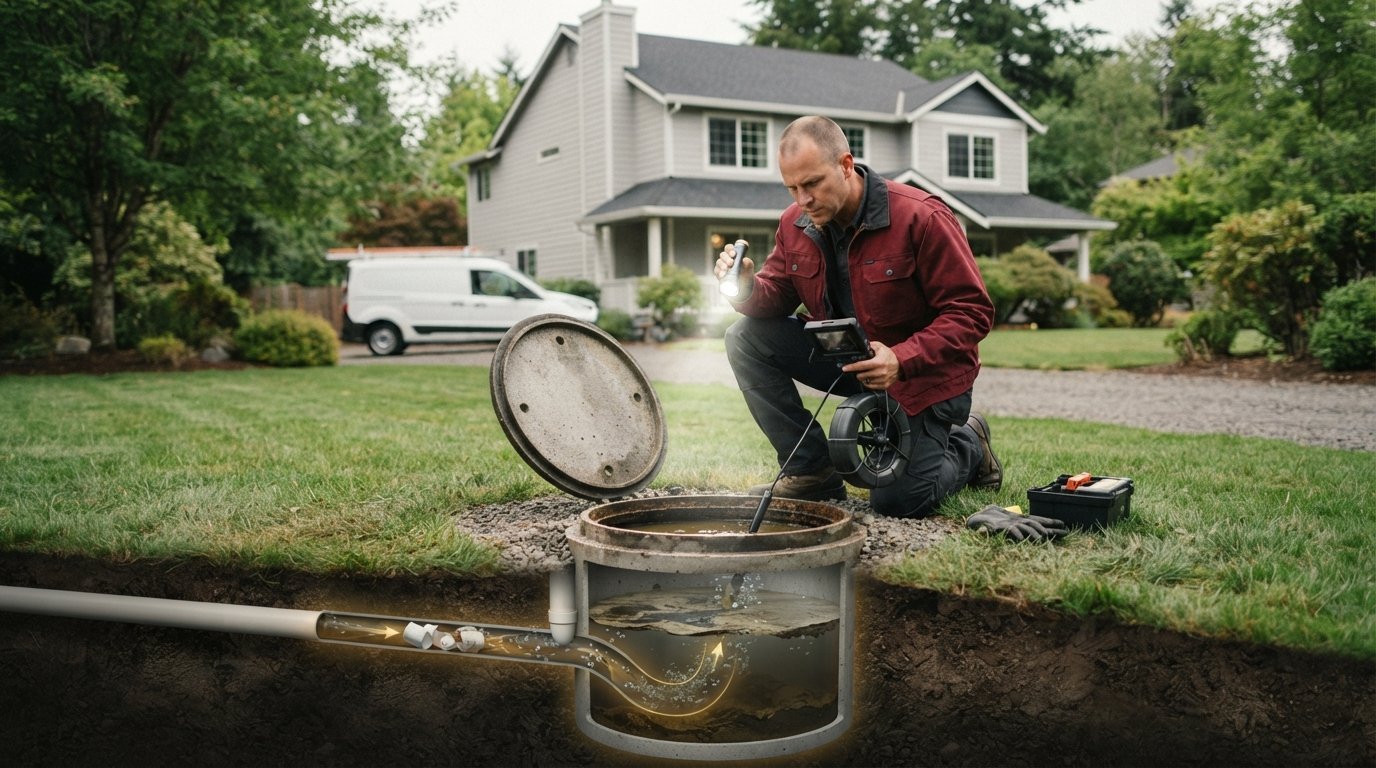
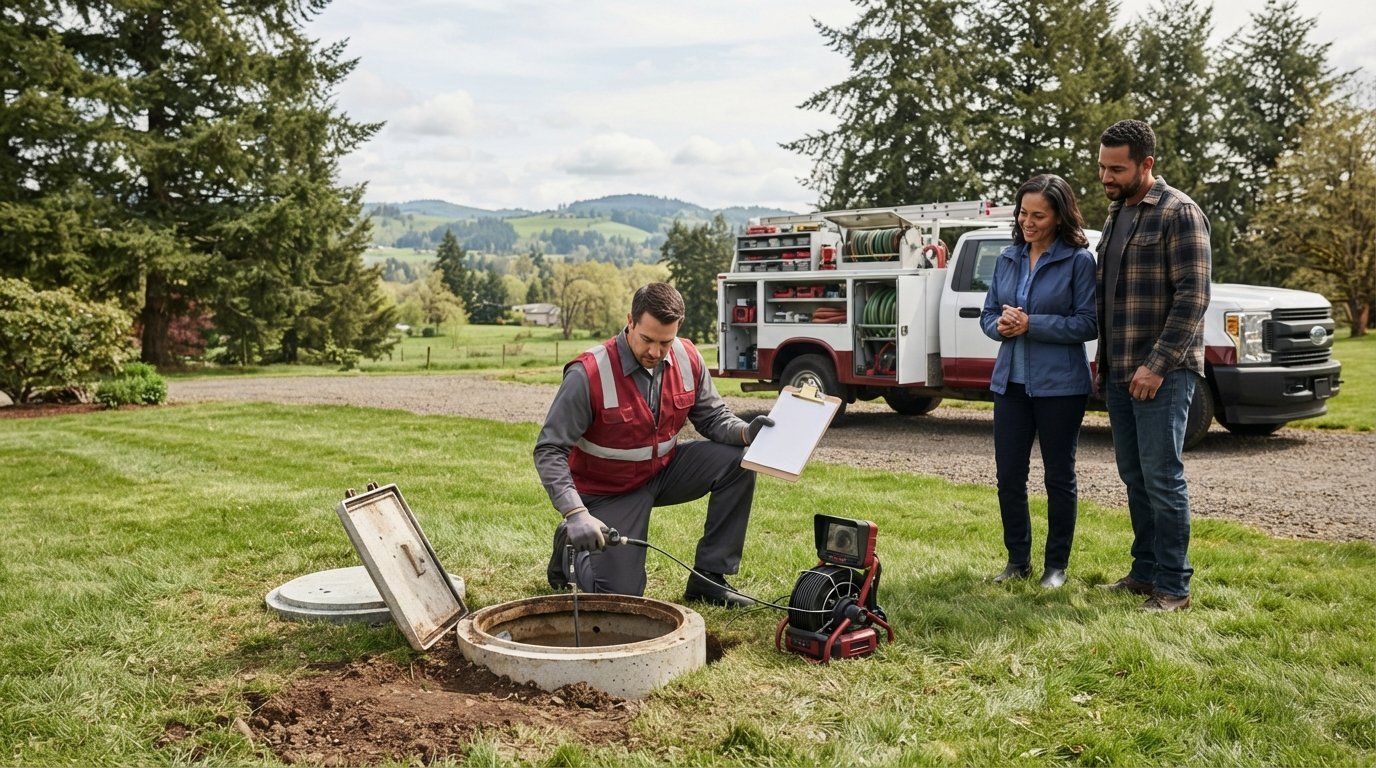
We don’t believe in guesswork. When a smell is hard to pin down, we use high-resolution video camera inspections to look inside your pipes. This technology allows us to find hidden cracks or root intrusions without digging up your entire lawn. Our commitment to “straight talk” means we’ll tell you exactly what’s wrong and what it takes to fix it. We provide transparent reporting so you can make informed decisions about your property. To help manage your home maintenance budget, we offer a best-price guarantee on our pumping and inspection services. You get the expertise of a seasoned technician without the corporate runaround.
Protecting Your Drainfield for the Future
Your drainfield is the most expensive part of your system, so protecting it is vital for keeping odors at bay. You can start by following strict “what not to flush” rules. Avoid grease, feminine products, and “flushable” wipes that clog lines and cause odors. For systems with stubborn residue, professional septic drain cleaning in Clackamas County can clear out the buildup that traps gases. Managing your landscaping is also key. Keep deep-rooted trees at least 30 feet away from your leach lines to prevent structural damage. Ultimately, a certified septic inspection in Oregon is your best defense. These DEQ-compliant evaluations provide a comprehensive health check for your system, ensuring that you catch small issues before they become a septic smell in yard what to do emergency.
Clear the Air and Protect Your Property
A foul odor in your yard is more than just an embarrassment; it’s your system’s way of asking for help. By identifying the location of the smell and observing how it reacts to our local weather, you’ve already taken the first step toward a solution. If you’re currently dealing with a septic smell in yard what to do next is clear: address the issue before it leads to a costly backup or a full drainfield failure. Catching a loose lid or a minor vent clog now can save you thousands in the future.
Our team brings 25+ years of local Portland experience to every job, and we take pride in providing the “straight talk” you need to protect your home. We’re fully licensed, bonded, and insured (CCB #189693) for your peace of mind. Smelling something stinky? Get a professional diagnostic from Lil’ Stinky Septic Service today! We even offer 24/7 emergency service for those urgent situations that just can’t wait. You don’t have to face septic stress alone; we’re here to help you get back to enjoying your yard again.
Frequently Asked Questions
Is the septic smell in my yard dangerous to breathe?
High concentrations of septic gases like hydrogen sulfide can be toxic and cause respiratory irritation. While a faint whiff in a large yard is mostly a nuisance, persistent smells near the foundation or in crawlspaces are a safety risk. These gases can displace oxygen in confined areas. If you’re wondering about a septic smell in yard what to do, prioritize ventilation and keep children and pets away from the area until a specialist evaluates the concentration levels.
Can heavy rain cause my septic system to smell like sewage?
Heavy rain is a major factor for Canby homeowners because it saturates the soil and creates high atmospheric pressure. This pressure acts as a lid, trapping gases near the ground instead of letting them dissipate. Saturated soil also prevents the drainfield from absorbing wastewater, forcing it toward the surface. This “breakout” often carries a strong sewage odor that lingers until the ground dries or the system is professionally relieved through pumping or cleaning.
My septic tank was just pumped, so why does it still smell?
It’s normal for a system to have a slight odor for 24 to 48 hours after pumping as the biological balance resets. However, if the stench persists, the issue probably wasn’t the sludge level. You might have a cracked riser, a loose lid seal, or a damaged baffle that pumping alone won’t fix. A thorough inspection is necessary to find the mechanical leak that’s allowing gases to escape even when the tank is empty.
How do I know if the smell is from my system or my neighbor’s?
Start by walking your property lines to see where the odor is most concentrated. If the smell is strongest near your tank or drainfield, it’s likely your system. If it’s consistent near the fence line or a shared drainage ditch, it could be the neighbor’s. You can also check for pooling water or lush grass on their side. In the Portland area, our technicians often help neighbors coordinate inspections to resolve shared drainage concerns.
Will a charcoal filter on my vent pipe actually stop the odor?
Charcoal filters are very effective at neutralizing odors that escape through the roof vent pipe. They use activated carbon to trap hydrogen sulfide molecules before they can drift down into your yard. While this solves the localized “exhaust” problem, it’s only a symptomatic fix. If the smell is coming from a saturated drainfield or a structural crack in your tank, a filter on the roof won’t solve the underlying mechanical failure or biological imbalance.
What happens if I ignore the sewage smell in my yard?
Ignoring a persistent odor usually leads to a much more expensive emergency. That smell is an early warning that your system is struggling to process waste or contain gases. Over time, a small leak can saturate your soil, leading to a total drainfield failure or a sewage backup into your home. In Oregon, failing systems can also lead to DEQ compliance issues and complications if you decide to sell your property in the future. Working with a licensed septic contractor in Oregon ensures any repairs are completed to DEQ standards, protecting you from liability down the road.
How much does it cost to fix a septic odor problem in Oregon?
The cost depends on whether you need a simple lid seal, a pump-out, or a major component repair. As of July 1, 2026, the Oregon DEQ increased fees for the Onsite Septic Program by 33 percent, which affects the cost of permits and official evaluations. While we can’t provide fixed repair prices here, we recommend a professional diagnostic to identify the exact issue. This prevents you from paying for unnecessary parts or a full system replacement. When hiring help, make sure you know how to choose a licensed septic contractor in Oregon who holds the proper DEQ credentials, so you’re protected from illegal or substandard work that could cost far more to correct later.
Can tree roots cause septic smells in the yard?
Tree roots are a common cause of odors because they are naturally attracted to the moisture and nutrients in your septic lines. Once roots penetrate the pipes, they create blockages and structural cracks. These openings allow septic gases and effluent to leak into the soil long before a total backup occurs. If you’re investigating a septic smell in yard what to do, check for large trees or shrubs located within 30 feet of your leach lines. Understanding the full range of septic tank full symptoms can help you determine whether root intrusion has pushed your system to its limits and whether a pump-out or repair is the right next step.