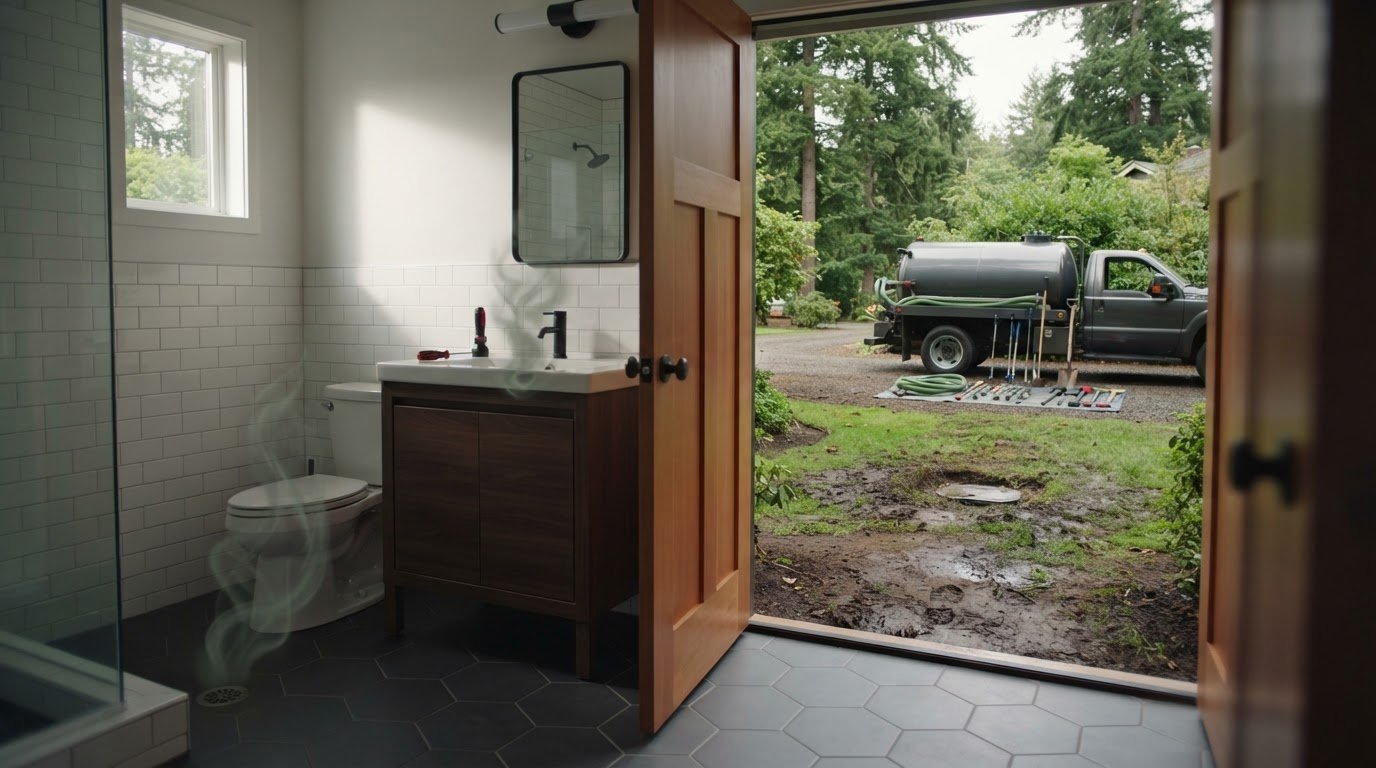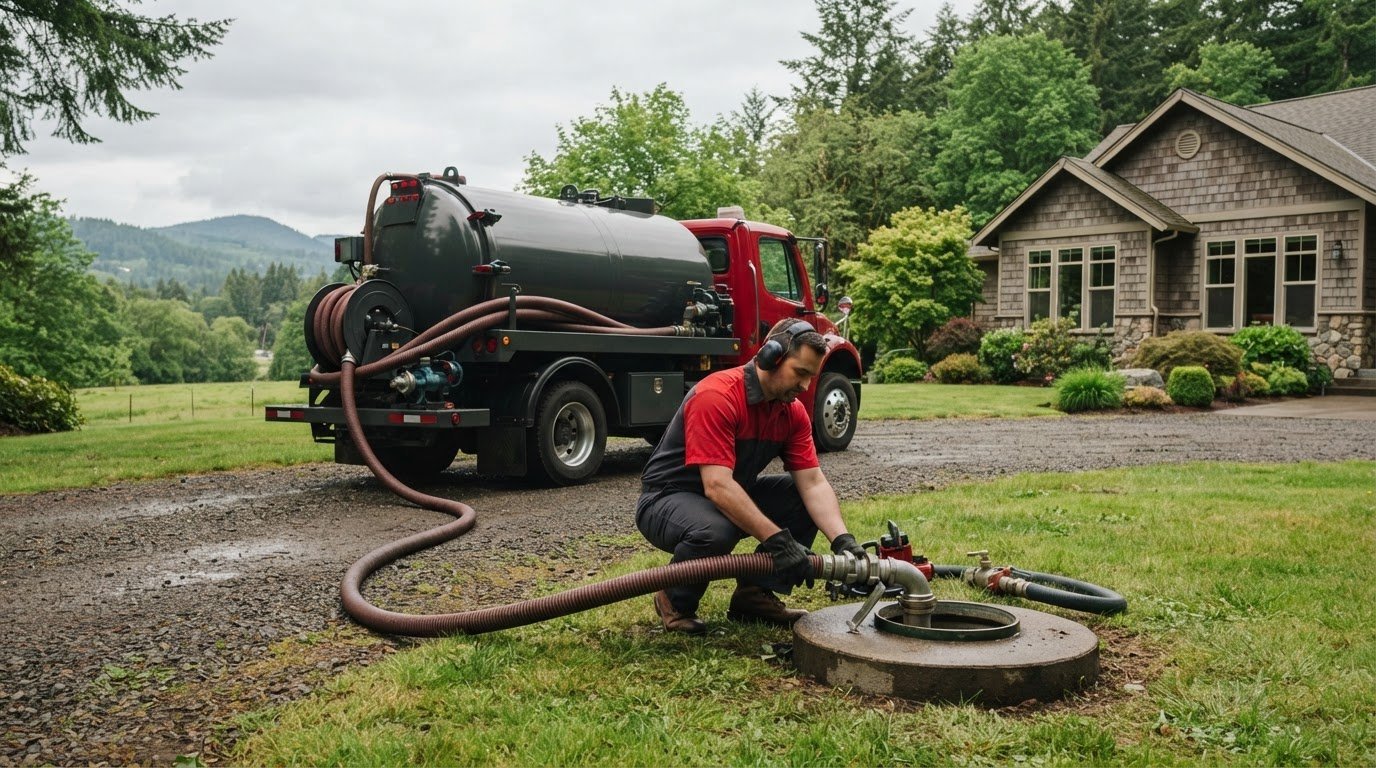
What if the best time to deal with a septic problem is before it interrupts dinner service? A backup can disrupt food prep, affect customer areas, and force you to coordinate staff around urgent work. Planning restaurant septic service Canby restaurants need around kitchen operations helps reduce surprises and keeps maintenance from becoming a last-minute scramble.
Commercial kitchens place steady demands on septic systems, so a schedule that works for a home may not suit a restaurant. You may also want to know what routine pumping or an inspection involves and how to arrange a visit with minimal disruption. A clear plan starts with understanding your system, its service needs, and the symptoms to report.
This guide explains what restaurant septic service can involve, how to plan maintenance around operating hours, and what to expect during a routine or urgent visit. You’ll also learn how Lil’ Stinky Septic Service, a locally owned Canby company with more than 25 years of experience, supports commercial customers with septic pumping, inspections, installation, ATT systems, and drain cleaning. The goal is to help you make informed service plans that fit your restaurant.
Key Takeaways
- Plan restaurant septic service Canby owners need around kitchen operations to help reduce disruption from a backup.
- Know what to expect from a service visit, from describing symptoms to reviewing the work and findings.
- Base pumping and inspection plans on your system’s condition and use, not a one-size-fits-all schedule.
- Keep a service log with dates, observations, and completed work to make future maintenance planning easier.
- Lil’ Stinky provides commercial septic services in Canby, including pumping, inspections, installation, ATT systems, and drain cleaning.
Restaurant Septic Service in Canby: What It Covers and Why It Matters
A septic issue can bring kitchen work to a halt, disrupt restroom access, and create an unpleasant experience for customers. Planning service around the system’s condition gives owners a practical way to manage maintenance before a problem affects daily operations.
Restaurant septic service includes inspection, pumping, and maintenance of a commercial property’s onsite wastewater system, based on its equipment, use, and condition. For restaurant septic service Canby businesses need, start by understanding which fixtures connect to the system and how wastewater moves through the property.
A septic system and grease-control equipment both play a role in wastewater management, but they are separate systems. The septic tank and drainfield handle wastewater from connected plumbing. A grease interceptor or trap is separate equipment designed to capture fats, oils, and grease. Equipment and local requirements vary, so check the requirements that apply to your restaurant with the relevant local authority.
How restaurant wastewater reaches a septic system
Sinks, restrooms, and other plumbing fixtures send wastewater into the system if they are connected to it. In the tank, heavier solids settle while lighter material rises. Liquid then flows onward to the drainfield for further treatment in the soil. The Septic Tank overview explains these basic components and processes. Because restaurant plumbing layouts differ, don’t assume every fixture or piece of equipment follows the same route.
Why kitchen operations affect septic maintenance
Daily water use, customer volume, and kitchen routines all contribute to the demands on a commercial system. With heavy use, tracking system observations and service history is more useful than relying on assumptions. Scrape food scraps and congealed grease into the trash before washing cookware, and avoid pouring fats, oils, or grease down drains.
This habit supports drain care, but it doesn’t replace maintenance of a grease interceptor or determine its cleaning schedule. Grease-control rules and equipment requirements can vary by location and site. Keep that guidance separate from septic tank recommendations and follow the requirements that apply to your restaurant.
What Happens During Restaurant Septic Service in Canby?
A planned visit is easier to coordinate when you know what the work may involve. The exact service depends on the system layout, access to its components, and the conditions found on site. For restaurant septic service in Canby, the process starts with describing the concern, followed by an assessment, appropriate work, and a review of the findings.
A septic pumping visit removes accumulated waste from the tank and provides an opportunity to check the system’s visible condition. Lil’ Stinky Septic Service’s pumping service includes waste disposal fees and a system health check. That check can help identify visible concerns, but it isn’t a guarantee against future problems or a substitute for a separate inspection when one is needed.
Before the service visit: prepare the restaurant
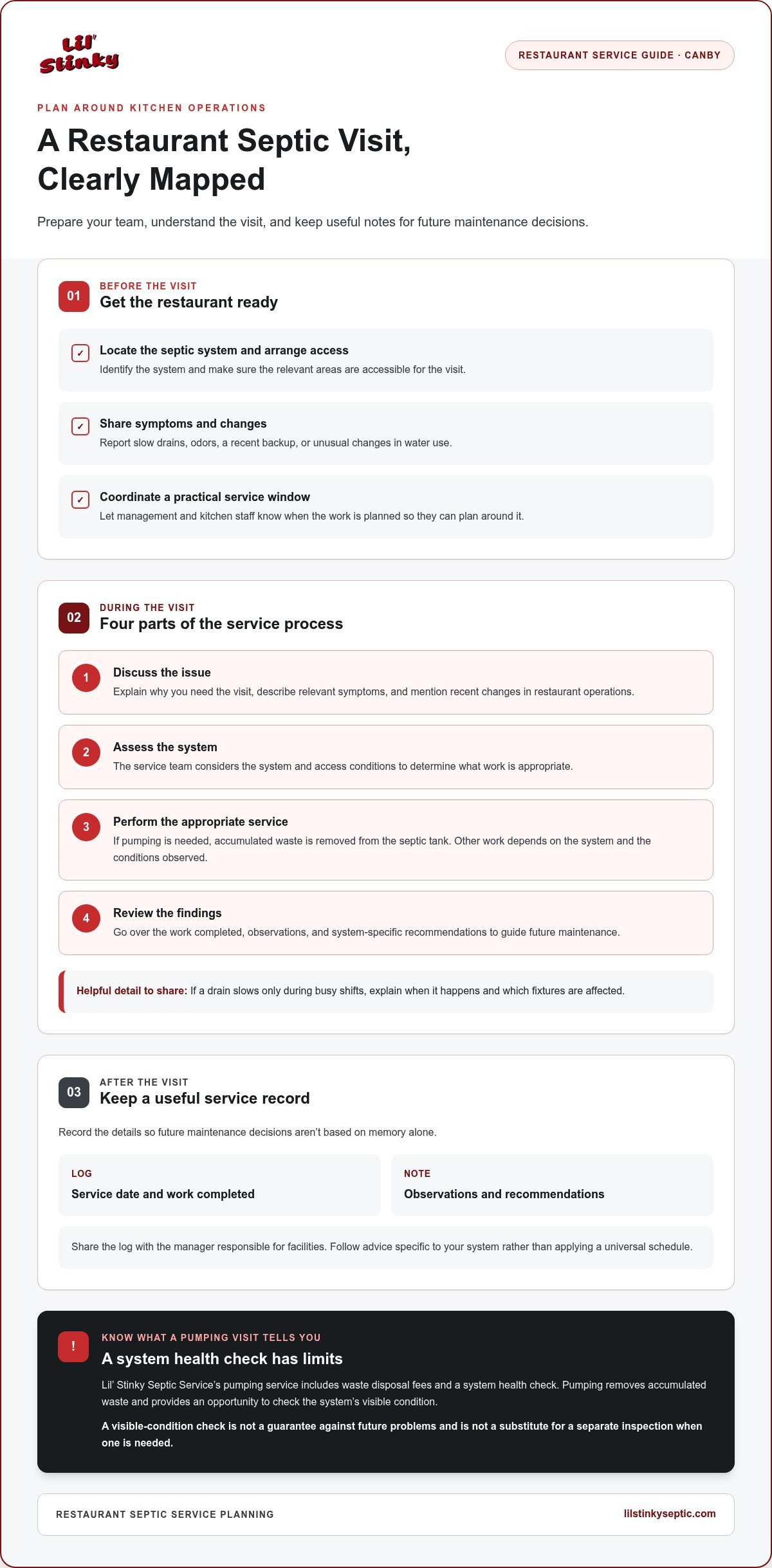
Make the visit more efficient by locating the septic system and arranging access to the relevant areas. Before the appointment, share symptoms such as slow drains, odors, or a recent backup, along with any unusual changes in water use. Coordinate a practical service window with management and kitchen staff so everyone knows what to expect and can plan around the work.
What to expect during service
- Discuss the issue. Explain why you need the visit, describe relevant symptoms, and mention any recent changes in restaurant operations.
- Assess the system. The service team considers the system and access conditions to determine what work is appropriate.
- Perform the service. If pumping is needed, accumulated waste is removed from the septic tank. Other work depends on the system and the conditions observed.
- Review findings. Go over the work completed, observations, and system-specific recommendations to guide future maintenance.
Keep the conversation practical. If a drain has been slow only during busy shifts, for example, explain when it happens and which fixtures are affected. Those details can help identify whether the symptom follows a recurring pattern. A service visit should leave you with a clear account of what was done and what to monitor, rather than an unsupported promise that the system can’t fail.
After the visit, record the service date, work completed, observations, and recommendations. Share the log with the manager responsible for facilities so future decisions aren’t based on memory alone. Follow advice specific to your system instead of applying a universal schedule. For service details, see Lil’ Stinky Septic Service septic services.
How to Evaluate Restaurant Septic Service for a Canby Business
The right service depends on more than the calendar. System design, restaurant use, observed condition, and site-specific requirements all shape what work makes sense. Use the comparison below to identify the type of visit that best fits your situation.
| Service type | Purpose | Typical trigger |
|---|---|---|
| Routine pumping | Remove accumulated waste from the septic tank. | Maintenance planning or a recommendation based on system condition and use. |
| Inspection | Assess the system and identify observable concerns. | A planned system review, changes in performance, or a need to understand the system’s condition. |
| Urgent service | Respond to a disruptive or potentially unsafe problem. | A backup, strong sewage odor, or wastewater surfacing. |
Routine service or urgent septic response?
Planned maintenance gives you time to coordinate access and reduce disruption to kitchen routines. A backup, strong sewage odor, or wastewater surfacing calls for prompt attention. Treat active sewage exposure as an immediate operational and safety concern, and keep staff and customers away from affected areas while you address the issue.
For broader background on pump-out planning, read this septic pumping maintenance and buying guide.
Questions that clarify scope and expectations
Before work begins, describe the service you need, how the team can access the system, and any symptoms or recent changes you’ve noticed. Discuss the intended scope and how findings will be explained. The work depends on the job, so don’t assume every visit includes the same services.
Choose a service provider with relevant commercial experience, appropriate licensing, clear communication, and documented findings. Lil’ Stinky Septic Service serves commercial customers in Canby, has more than 25 years of experience, and holds Oregon CCB license #189693. These details offer useful context, while the service plan should still reflect your system and site.
Keep written notes of completed work, observations, and recommendations with your maintenance records. Clear documentation helps managers spot recurring symptoms, plan follow-up, and share accurate system history with the people responsible for restaurant operations. A careful evaluation makes restaurant septic service Canby businesses arrange more purposeful, rather than treating every visit as the same job.
Plan Restaurant Septic Maintenance Around Your Canby Operations
A practical maintenance routine should fit both the septic system and the restaurant’s working day. Track service dates, observations, and completed work in one log. Include symptoms such as slow drains or odors, note when they occur, and record recommendations from service visits. This history helps managers spot patterns and plan based on evidence rather than memory.
Pumping frequency isn’t one-size-fits-all. System design, condition, and usage all affect maintenance needs, so use inspection and pumping findings to guide future timing. For a broader framework, see this septic maintenance plan guide.
Build a maintenance routine that fits restaurant hours
Choose a service window with kitchen access, customer traffic, and staff responsibilities in mind. Assign a manager to maintain the log and report changes in system performance, such as recurring slow drainage or a new odor. After service, use the findings to adjust the plan for your specific system instead of guessing at intervals or copying another business’s schedule.
Daily habits matter, too. Keep fats, oils, and grease out of drains by scraping plates and cookware into the trash before washing. Make sure staff know where food scraps and congealed grease should go, and remind them not to rely on additives as a substitute for physical maintenance.
Know what to do when a backup threatens operations
If wastewater backs up or surfaces, treat it as an operational and safety concern. Stop using affected fixtures where practical, and keep staff and customers away from wastewater. When arranging urgent help, describe what you can see, which fixtures are affected, when the issue began, and how the service team can access the system. Clear details help explain the situation without guessing at its cause.
Review your emergency service plan before a disruption occurs. Keep the maintenance log accessible so you can share prior service details and recent changes if an urgent issue arises.
Consistent planning helps make restaurant septic service in Canby easier to coordinate with staffing and operations. For help planning septic maintenance or service for your restaurant, contact Lil’ Stinky Septic Service.
Arrange Restaurant Septic Service in Canby with Lil’ Stinky
For restaurant septic service in Canby, Lil’ Stinky Septic Service brings local knowledge and commercial experience to system care. Based in Canby, the company serves residential and commercial customers and has more than 25 years of experience. Its septic services include pumping, inspections, installation, ATT systems, and drain cleaning, with recommendations shaped by the property and conditions observed.
These services address different needs. Pumping removes accumulated waste from a septic tank, while an inspection helps assess system condition. Installation and ATT system work relate to system projects and treatment needs, and drain cleaning addresses drainage concerns. A clear discussion at the outset helps managers understand which service applies and how the planned work fits the restaurant’s situation.
What restaurant managers can expect from a local service team
Before a visit, share where the system is located, how the team can access it, and what symptoms or changes you’ve noticed. Explain operational concerns, such as a drain issue affecting a particular area of the kitchen. A useful service discussion should clarify the requested work and leave you with understandable findings. Recommendations should reflect your property’s system and observed conditions, not assumptions about every restaurant.
Lil’ Stinky holds Oregon CCB license #189693 and provides 24/7 emergency response. When reporting a drain concern, explain which fixtures are affected and when the symptoms occur. For more information about drain symptoms, see the septic drain cleaning guidance for Clackamas County.
Take the next step for your Canby restaurant
Make the initial service conversation more productive by having a few details ready: the system’s known history, the location of access points, the symptoms you’ve observed, and a preferred service window that considers kitchen operations. If you have past service notes, share them. That context helps frame the discussion and makes it easier to plan around staff and customers.
Whether you’re planning routine pumping, scheduling an inspection, addressing a drain concern, or discussing a system project, straightforward communication helps you understand the scope and findings. For urgent issues, Lil’ Stinky’s emergency response is available at any time. Arrange restaurant septic service with Lil’ Stinky and describe your system, operating concerns, and preferred timing.
Keep Your Restaurant’s Septic Plan on Track
Reliable restaurant septic service Canby owners can plan around daily operations starts with knowing how the system is used and keeping clear service records. Pumping and inspection needs depend on the property’s system, use, and condition, so use service findings to guide future planning rather than relying on a fixed schedule. Keep septic maintenance distinct from grease-control equipment and follow the requirements that apply to your property.
A log of service dates, observations, and completed work gives managers a useful record to share when concerns arise. Plan access and timing with staff, and treat backups or wastewater exposure as an operational priority. Clear communication about symptoms and system access helps make the service discussion more productive.
Lil’ Stinky Septic Service brings over 25 years of experience, holds Oregon CCB license #189693, and offers 24/7 emergency response. Take the next step toward a maintenance plan that fits your restaurant: arrange restaurant septic service in Canby. Contact Lil’ Stinky to discuss your restaurant’s septic pumping, inspection, drain cleaning, or system needs.
Frequently Asked Questions
How often should a restaurant septic tank be pumped?
There isn’t one pumping interval that fits every restaurant. The right timing depends on the septic system’s design, condition, and use, including how much wastewater the business sends into it. Use inspection and pumping findings, along with your service history, to plan the next visit. A service log can help track dates and recurring symptoms, so you can base decisions on your property rather than a generic calendar.
What does restaurant septic pumping include?
Septic pumping removes accumulated waste from the septic tank. Lil’ Stinky’s pumping service includes waste disposal fees and a system health check, which can provide an opportunity to note visible concerns. The check isn’t a guarantee against future problems or a replacement for a separate inspection when one is appropriate. The exact work depends on the system, access, and conditions observed during the visit.
Can a restaurant keep operating during septic service?
It depends on the work being done, system access, and whether any fixtures or areas need to be taken out of use. Coordinate the service window with kitchen and management schedules, and plan around the areas the team needs to reach. If a problem affects wastewater or customer areas, operations may need to change for safety. Discuss symptoms and access in advance to help plan the visit.
What should a restaurant do if its septic system backs up?
Stop using affected fixtures where practical and keep staff and customers away from wastewater. Treat active sewage exposure as an immediate operational and safety concern. Note which fixtures are affected, when the backup started, and whether you’ve seen odors or wastewater surfacing. Share those details and explain how the system can be accessed when arranging urgent help. Don’t assume pumping alone will address the cause.
Does restaurant wastewater require a grease interceptor?
Whether a restaurant needs a grease interceptor depends on its site, equipment, and applicable local requirements. Grease-control equipment is separate from the septic tank, so septic pumping doesn’t replace cleaning or maintaining that equipment. Keep fats, oils, and grease out of drains by scraping food scraps and congealed grease into the trash. Follow the requirements that apply to your property rather than assuming one rule applies to every restaurant.
Is restaurant septic service in Canby available for emergencies?
Yes. Lil’ Stinky Septic Service offers 24/7 emergency response for septic service, including for commercial customers in Canby. If a backup or other urgent issue occurs, explain the visible symptoms, affected areas, and system access clearly. That information helps the service team understand the situation.
Who handles septic requirements for a restaurant in Canby, Oregon?
Clackamas County Environmental Health is the local authority responsible for plan reviews for new construction or remodels, issuing licenses, and enforcing health codes. Oregon’s Department of Environmental Quality oversees the statewide onsite wastewater rules, with local jurisdictions acting as its agent for septic standards. Restaurant-specific requirements can depend on the property and project, so use the applicable county and state guidance when planning work.