You’re just days away from closing on your home in Clackamas County when the lender calls with a last-minute demand for a DEQ-compliant report. If you haven’t secured a certified septic inspection Oregon regulators and banks accept, your entire real estate deal could stall at the finish line. It’s a stressful spot to be in, especially with the complexities of DEQ regulations and the potential for unexpected costs. You shouldn’t have to worry about confusing paperwork or hidden system failures while you’re trying to pack your boxes.
We understand that Oregon’s environmental regulations can feel like a maze of technical jargon and shifting deadlines. Whether you’re in Multnomah, Lane, or Clackamas County, meeting specific “Time of Transfer” rules is essential for a legal sale. This guide, brought to you by Lil’ Stinky Septic Service, provides the clarity you need to move forward with confidence. You’ll learn exactly what happens during a professional evaluation, how to navigate the “Your DEQ Online” portal, and what it takes to get a passing grade for your lender. Let’s get your inspection sorted so you can focus on your move.
Key Takeaways
- Identify the critical differences between a routine pump and the specific DEQ-certified evaluations required for Oregon property transfers.
- Master the logistics of the mandatory “Your DEQ Online” portal to ensure your compliance paperwork is submitted correctly and on time.
- Understand the physical testing process, including site mapping and tank integrity checks, so you know exactly what to expect on inspection day.
- Secure the specific documentation that FHA and VA lenders require for a successful certified septic inspection Oregon transaction.
- Benefit from 25 years of local experience to ensure your report meets all current CCB and state environmental regulatory standards.
What is a Certified Septic Inspection in Oregon?
A certified septic inspection Oregon homeowners need for a real estate transaction is a formal, technical evaluation of an onsite wastewater system. It’s much more than a quick look under the lid. This process is strictly regulated by the Oregon Department of Environmental Quality (DEQ) to ensure that every system meets state health and safety standards. The inspection provides a legal record that the system is functioning as intended, sized correctly for the property, and not leaking contaminants into the soil or groundwater.
The DEQ oversees these standards through Oregon Administrative Rules, specifically Chapter 340, Division 71. Only specific professionals are authorized to perform these evaluations, including state-certified installers, maintenance providers, and individuals with specialized certifications like those from the National Association of Wastewater Technicians (NAWT). Since May 14, 2025, the state has mandated the use of the “Your DEQ Online” portal for many permitting tasks, highlighting the shift toward more rigorous, digital record-keeping.
The Difference Between Maintenance and Certification
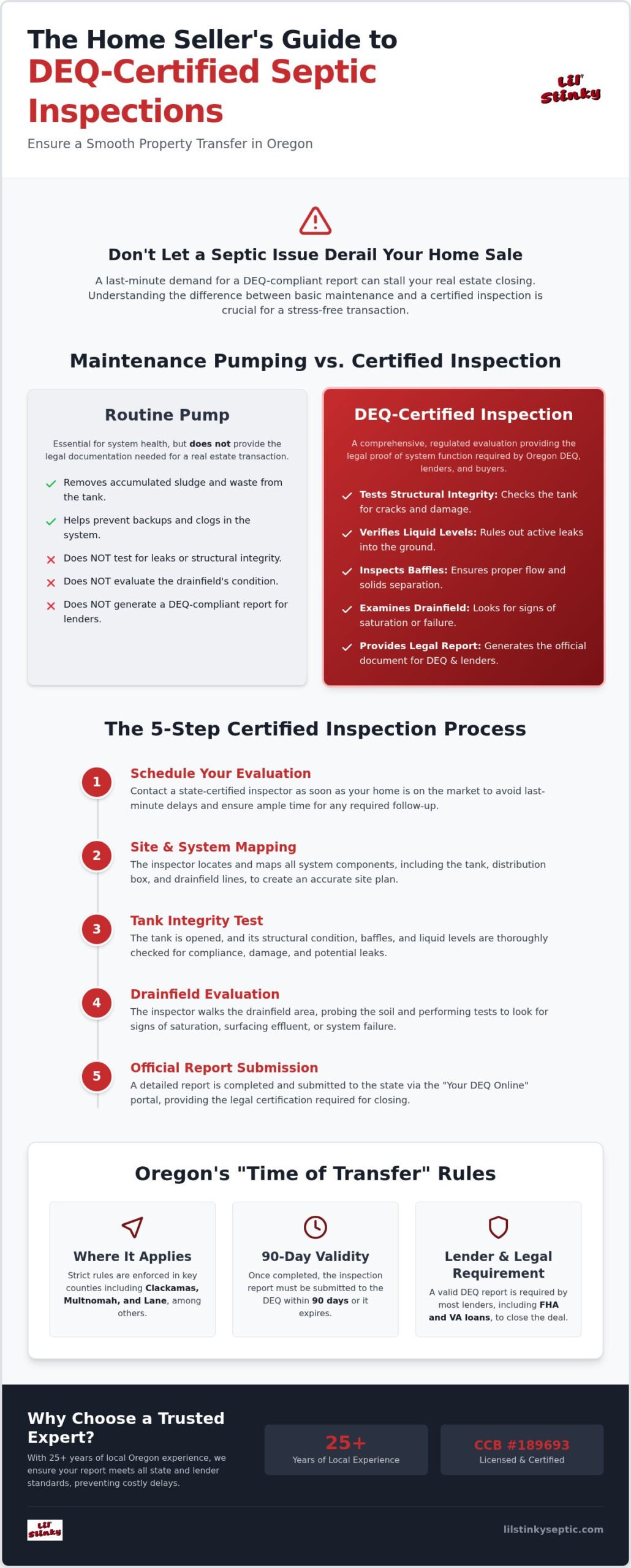
Do you think a routine pumping visit satisfies your lender’s requirements? It’s a common mistake. Pumping is a maintenance task where we remove the waste from the septic tank to prevent clogs and backups. While pumping is essential for the long-term health of your system, it doesn’t provide the data required for a real estate closing. A certified inspection is a diagnostic “physical” for your system.
During a certification visit, we don’t just empty the tank. We test the structural integrity of the vessel, check the liquid levels to rule out leaks, and inspect the baffles that direct the flow of water. We also examine the drainfield for signs of saturation or failure. A standard pump clears out the sludge, but only a certified report proves to a buyer or a bank that the system is actually working.
DEQ Certification Standards for Inspectors
Oregon law is very specific about who can sign off on your septic paperwork. To provide a certified septic inspection Oregon inspectors must undergo specific training and maintain their credentials with the state. They must also stay updated on the latest regulatory changes, such as the 33 percent DEQ fee increase that took effect on July 1, 2026. This expertise ensures that the report you receive will be accepted by local county offices and financial institutions.
Lil’ Stinky brings over 25 years of local experience to every job, and we operate under CCB license #189693. Hiring an uncertified contractor is a gamble you can’t afford to take during a property sale. If your inspector isn’t properly licensed, your DEQ report could be declared invalid. This often leads to delayed closings, extra costs, and frustrated buyers. We prioritize accuracy and regulatory adherence so your transaction moves forward without a hitch.
Oregon’s Time of Transfer (TOT) Inspection Rules
Selling a home in Oregon involves more than just a fresh coat of paint and a clean yard. In many parts of the state, the law requires you to prove your septic system is up to code before the title changes hands. While Oregon doesn’t have a universal statewide mandate for every single property, several key counties, including Clackamas, Multnomah, and Lane, have enacted strict “Time of Transfer” or “Time of Sale” ordinances. These rules are designed to protect groundwater and ensure new homeowners aren’t inheriting a failing system.
The Time of Transfer rule, established under OAR 340-071-0155, mandates that an existing onsite wastewater system be evaluated by a qualified professional whenever a property is sold or transferred. Once we complete your certified septic inspection Oregon law gives you a 90-day window to submit the final report to the DEQ. If you miss this deadline, the inspection expires, and you’ll likely have to pay for a new one to satisfy your lender or the county health office. Some exemptions do exist; for example, you might not need an inspection if your system was installed and permitted within the last 12 months, or if the transfer is between certain family members like spouses or siblings.
Legal Deadlines for Home Sellers
Don’t wait until you’re staring at a closing date to call an inspector. We recommend scheduling your evaluation as soon as your home hits the market. This gives you plenty of time to address any minor repairs that might be flagged. In a typical Oregon real estate transaction, the seller usually pays for the inspection itself, while the buyer and seller negotiate who covers the costs of any necessary repairs or system upgrades discovered during the process. If you want to avoid last-minute surprises, it’s wise to schedule your septic inspections early in the listing process. For a comprehensive overview of what both parties should expect throughout this process, review our detailed septic inspection for home sale Oregon seller and buyer FAQ.
DEQ Form Requirements
The paperwork for a property transfer is specific and must be filled out correctly to be accepted. The primary document used is the “Existing System Evaluation Report.” Since May 14, 2025, the state has required these filings to be managed through the “Your DEQ Online” portal. This digital shift means your records are centralized, but it also means there’s no room for error in how the data is entered. We handle the technical side of this reporting to ensure the state has exactly what they need. You should always keep a digital copy of the completed report for your own records, as your lender and the title company will require proof of compliance before they authorize the final signatures.
What to Expect During Your Certified Inspection
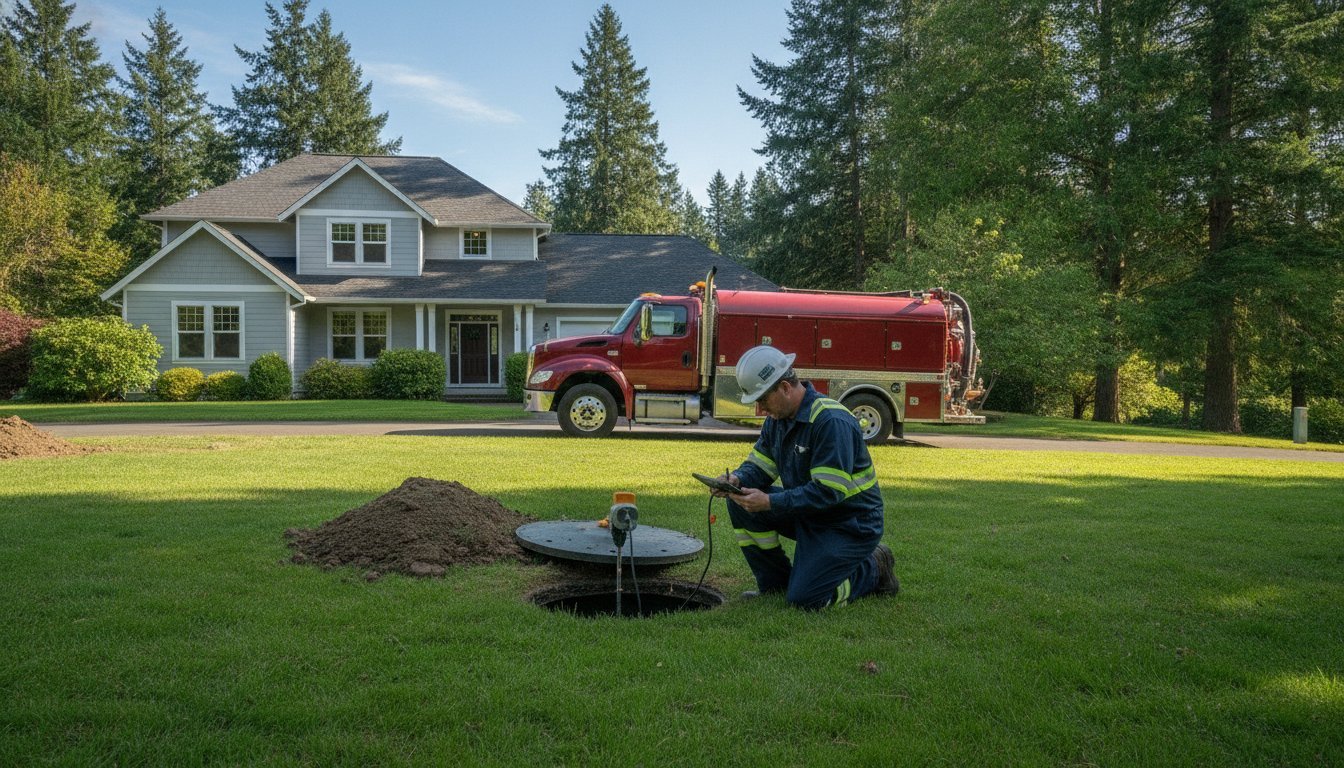
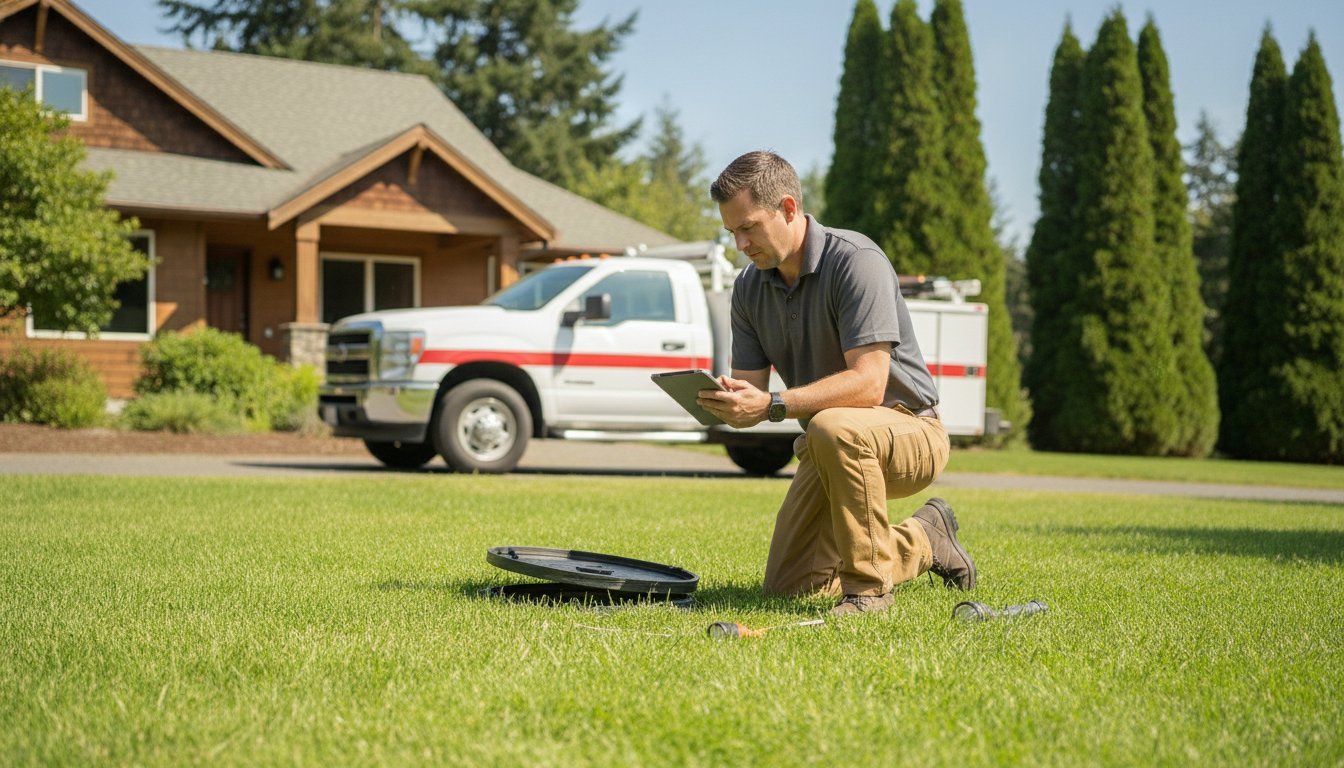
When our technician arrives at your property, the process begins with a review of your existing site map or “as-built” drawing. This document serves as our roadmap, helping us locate the septic tank and drainfield without turning your yard into a construction zone. If you don’t have a map, we use electronic locating tools to find the system’s components efficiently. Our goal is to be as non-invasive as possible while gathering the technical data required by the state.
A thorough certified septic inspection Oregon requires us to see exactly what’s happening inside the tank. We uncover the lids and check the liquid levels immediately. If the levels are too high, it usually suggests a blockage or a failing drainfield. If they’re too low, the tank itself might have a leak. We also verify the tank size against state requirements. For a standard three-bedroom home, the DEQ typically requires at least a 1,000-gallon tank, which increases to 1,500 gallons if you use a garbage disposal.
Step-by-Step Inspection Process
Our team follows a methodical sequence to ensure your system meets all environmental safety standards. We don’t just look at the surface; we test the active functionality of every component.
- Pipe Inspection: We use specialized waterproof cameras to look inside the inlet and outlet pipes. This identifies clogs or collapses that aren’t visible from the surface.
- Component Check: We examine the baffles and filters. These parts are critical because they keep solids in the tank and out of your drainfield.
- The Stress Test: We run a calculated amount of water from the house into the system. This simulates a heavy load day to see how well the drainfield absorbs the effluent without backing up.
Common Red Flags Inspectors Look For
What exactly could “kill” your home sale? We look for specific warning signs that indicate a system is nearing the end of its life or needs immediate repair. Identifying these early can save you from a liability nightmare after the keys change hands.
- Surfacing Sewage: If we find soggy spots or unusually lush green grass over the drainfield, it’s a sign the soil can no longer absorb liquid.
- Structural Damage: We look for cracks in the tank walls or a sagging lid. In older concrete tanks, corrosive gases can eat away at the structure over time.
Once the physical work is done, we compile our findings into a detailed report. This isn’t just a “pass” or “fail” note; it’s a comprehensive document that satisfies your lender’s requirements and the DEQ’s reporting standards. We prioritize speed and accuracy so you can get the paperwork to your title company as quickly as possible.
Certified Inspections for Lenders and Appraisers
Lenders see a septic system as more than just a utility; they see it as a potential risk to their investment. For a bank to approve a mortgage, they must be certain the home is habitable and the environmental systems are sound. This is why a certified septic inspection Oregon lenders trust is non-negotiable for FHA, VA, and most conventional loans. If an appraisal comes back with a failing septic report, the loan process usually grinds to a halt until the issues are resolved. We prioritize the technical accuracy that underwriters require to keep your file moving toward the closing table.
We’ve spent over 25 years working alongside local real estate agents and title companies. We know exactly which boxes need to be checked to satisfy a bank’s rigorous standards. Our reports provide the clear, definitive data that takes the guesswork out of the appraisal process, ensuring that the property value accurately reflects the state of the onsite wastewater system.
Meeting Lender-Specific Requirements
What exactly are underwriters looking for when they open your file? They look for specific technical details on the DEQ evaluation form that prove the system can handle daily use. They want to see that the tank is structurally sound and that the drainfield is effectively processing effluent without saturation. An appraiser will use our findings to determine if the property value is supported by a functional system. If we find minor issues, we provide the “straight talk” needed to explain the situation clearly to the bank. This professional transparency often prevents unnecessary panic during the final underwriting phase.
What Happens if the System Fails?
A failed inspection doesn’t have to be a deal-breaker. Sometimes a system receives a “Conditional Pass,” meaning it will function correctly once a specific repair is completed. This might involve replacing a broken baffle or clearing a distribution line. However, if the system has reached the end of its life, you may need to look into Alternative Treatment Technology (ATT) systems. These advanced systems are often required on smaller lots or near sensitive water sources where a standard gravity system won’t work.
In these cases, buyers and sellers often negotiate repairs through an escrow holdback. This allows the sale to proceed while funds are set aside to cover the cost of the work after the keys change hands. If you’re facing a tight deadline and need a report for your lender, contact our septic specialists to get your certified septic inspection Oregon process started immediately.
Why Choose Lil’ Stinky for Your Oregon Inspection?
When you’re dealing with a high-stakes real estate transaction, you need a partner who understands the local landscape. We’ve spent more than 25 years serving the Portland and Canby areas, providing the technical expertise required for a certified septic inspection Oregon regulators will accept. Our team isn’t just a group of technicians; we’re your neighbors. We hold CCB license #189693 and have built our reputation on integrity, transparency, and a commitment to doing the job right the first time. We know the unique soil conditions of the Willamette Valley, and we use that knowledge to provide accurate, reliable assessments for every client.
Our commitment to cleanliness is a point of pride for our entire crew. We know that septic work has a reputation for being messy, but we use modern equipment and careful techniques to protect your landscaping and keep your property looking its best. Whether we are performing a routine pump or a complex DEQ evaluation, we treat your home with the respect it deserves. We also offer a Best-Price Guarantee for all local septic services. This ensures you receive top-tier professional expertise without worrying about inflated costs or hidden fees.
The Lil’ Stinky Advantage
Choosing a locally owned and operated business in Clackamas County means you get faster response times and personalized service. We understand the urgency of real estate deadlines; a delay of even 24 hours can ripple through a closing schedule and cause unnecessary stress. We prioritize fast turnaround times for our real estate reports, delivering the “straight talk” you need to make informed decisions. Because we offer comprehensive support, we can transition seamlessly from an inspection to septic tank pumping or repair work if your system needs attention. This one-stop approach saves you the headache of managing multiple contractors during your move; if your new home requires accessibility upgrades, you can also check out HomeSafe Living Solutions for professional aging-in-place modifications.
Schedule Your Certified Inspection Today
Getting started is a simple, straightforward process. To get a quote for your certified septic inspection Oregon requirements, simply reach out to our office with your property details. We’ll provide a clear estimate and find a time that works for your schedule. You can help the process move even faster by ensuring the area over your septic tank lids is clear of heavy lawn furniture, potted plants, or debris before our team arrives. This allows us to get to work immediately and keeps your inspection on track.
Don’t let a missing DEQ report or a confusing paperwork trail stall your home sale. Our experienced team is ready to provide the professional documentation your lender requires and the peace of mind you deserve. Contact us to book your DEQ-certified inspection and let our specialists handle the technical details of your septic compliance.
Secure Your Property Transfer with Confidence
A successful home sale in the Willamette Valley depends on getting your environmental paperwork right. You now know that a routine pump is not enough for a legal closing and that the 90 day filing window is critical for state compliance. By choosing a professional who understands the specific “Time of Transfer” rules in Clackamas and Multnomah counties, you protect yourself from last minute delays and lender rejections. We specialize in providing the technical data and “straight talk” needed to keep your real estate transaction moving forward without the stress of regulatory guesswork.
With Lil’ Stinky, you gain the peace of mind that comes from 25+ years of local experience and our Best-Price Guarantee. Our team holds CCB license #189693 and is ready to handle every detail of your certified septic inspection Oregon requirements. Don’t let a failed report or a missed deadline stall your move. Book Your DEQ-Certified Septic Inspection with Lil’ Stinky today to ensure your system is fully compliant and ready for the next chapter. We’re here to make this part of your home sale the easiest one yet.
Frequently Asked Questions
Is a septic inspection required to sell a home in Oregon?
Yes, a certified septic inspection Oregon regulators accept is often required, but it depends on your location. Counties like Clackamas, Multnomah, and Lane have specific “Time of Transfer” laws that mandate an evaluation before a property sale. Even in counties without these local rules, most FHA, VA, and conventional lenders will still demand a report. It’s the only way they can verify the system is safe before approving a mortgage.
How much does a certified septic inspection cost in Oregon?
Prices depend on several factors, like how deep your tank is buried and if the lids are already cleared. While we don’t list set service fees here, you should be aware that the Oregon DEQ increased its program fees by 33 percent on July 1, 2026. This legislative change affects the cost of filing official reports, so it’s a good idea to budget for these state mandated expenses during your home sale.
How long is an Oregon DEQ septic inspection valid for?
A certified septic inspection Oregon report is valid for exactly 90 days from the date our technician completes the evaluation. You must submit this documentation to the DEQ within that three month window for it to be legally recognized. If your home closing takes longer than expected and the report expires, you’ll likely need a new inspection to satisfy your lender’s requirements or county health regulations.
Can a seller perform their own septic inspection for the DEQ?
No, you cannot perform your own inspection for a real estate transfer. Oregon law requires these evaluations to be completed by a licensed professional, such as a state certified installer or a maintenance provider with NAWT credentials. Only a qualified expert can legally sign off on the paperwork and submit it through the “Your DEQ Online” portal, which has been the mandatory filing method since May 2025.
What is the difference between a septic pumping and a certified inspection?
Pumping is a maintenance service that removes sludge from your tank to prevent backups. A certified inspection is a much more thorough diagnostic process. We test the tank’s structural integrity, check for leaks, and perform a stress test on the drainfield to ensure it can absorb water. While pumping is part of a healthy system, it doesn’t provide the legal documentation required by the DEQ for a home sale.
What happens if my septic system fails the DEQ inspection?
A failure doesn’t have to kill your deal. If the issues are minor, like a broken baffle or a clogged filter, you can usually fix them and receive a “Conditional Pass.” For major failures, you might need a system upgrade or an Alternative Treatment Technology (ATT) system. Many sellers negotiate these costs with the buyer through an escrow holdback, allowing the sale to close while the repairs are completed.
How long does a typical certified inspection take to complete?
Expect the on-site portion of the inspection to take between two and four hours. This timeline can vary based on how quickly we can locate the tank and if we have to dig through heavy soil to reach the lids. Once the physical work is done, we prioritize getting the written report finalized. We know you have tight real estate deadlines and work quickly to ensure your paperwork is ready for the lender.
Do I need to be home for the septic inspection?
You aren’t required to be home, but we do need access to the property. A key part of the process involves running water from a sink or bathtub to test the drainfield’s flow. If you can’t be there, please make sure we have a way to enter the house or that a neighbor can let us in. As long as we can access the plumbing and the yard, we can complete the job.