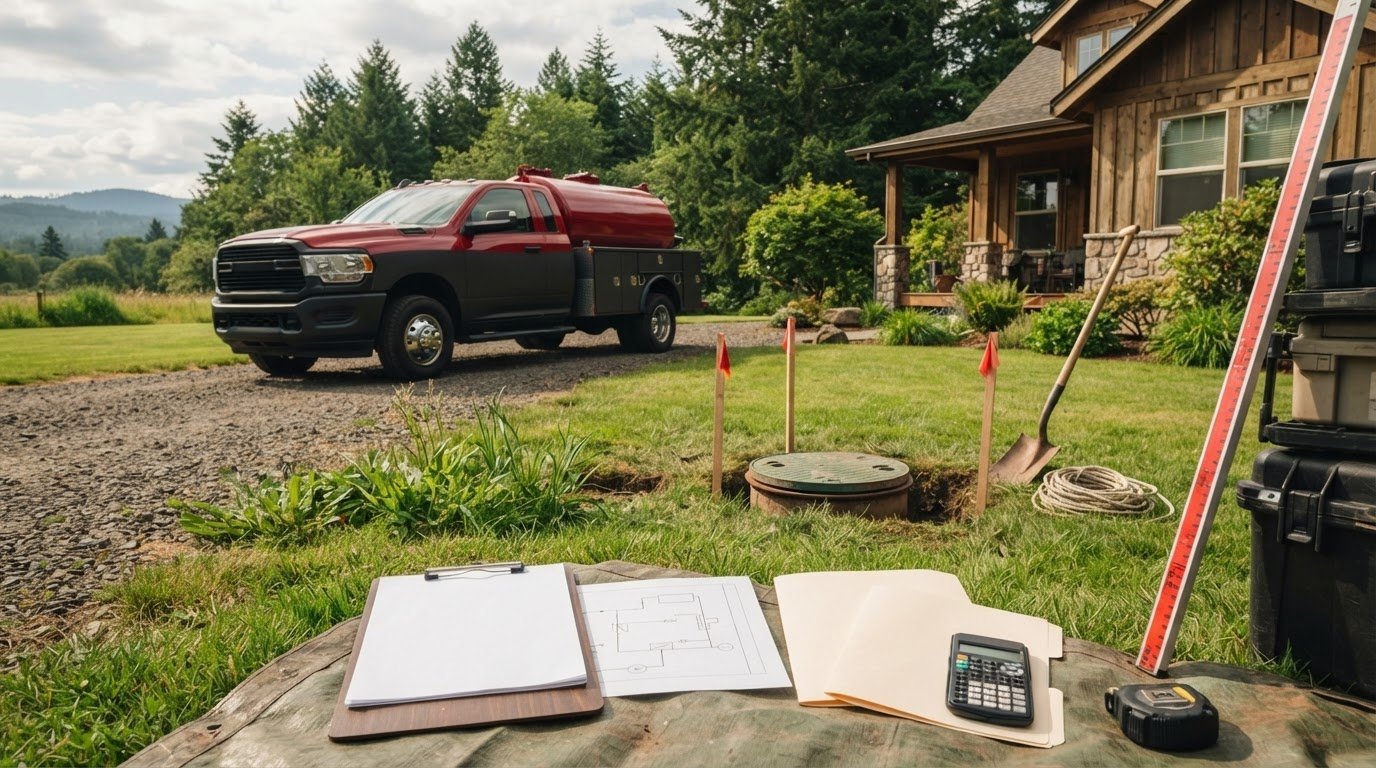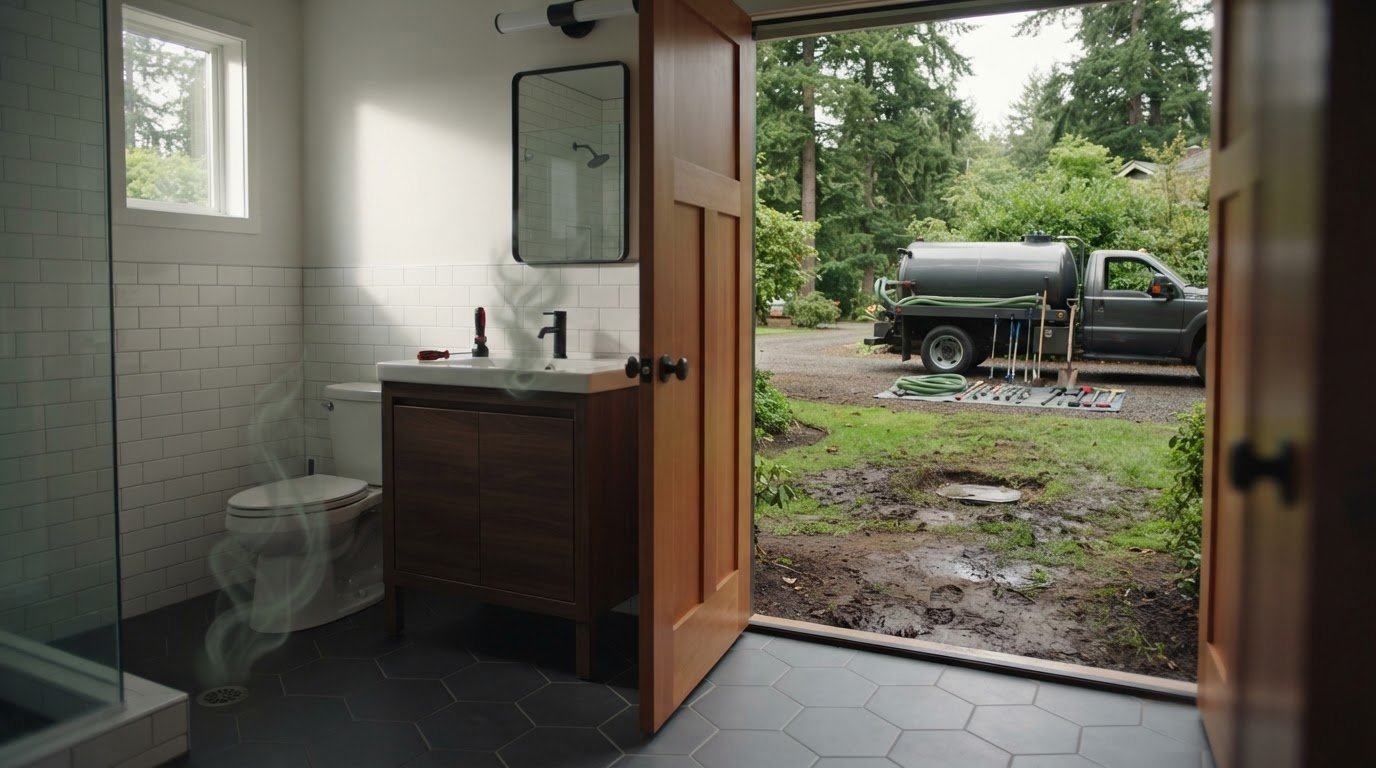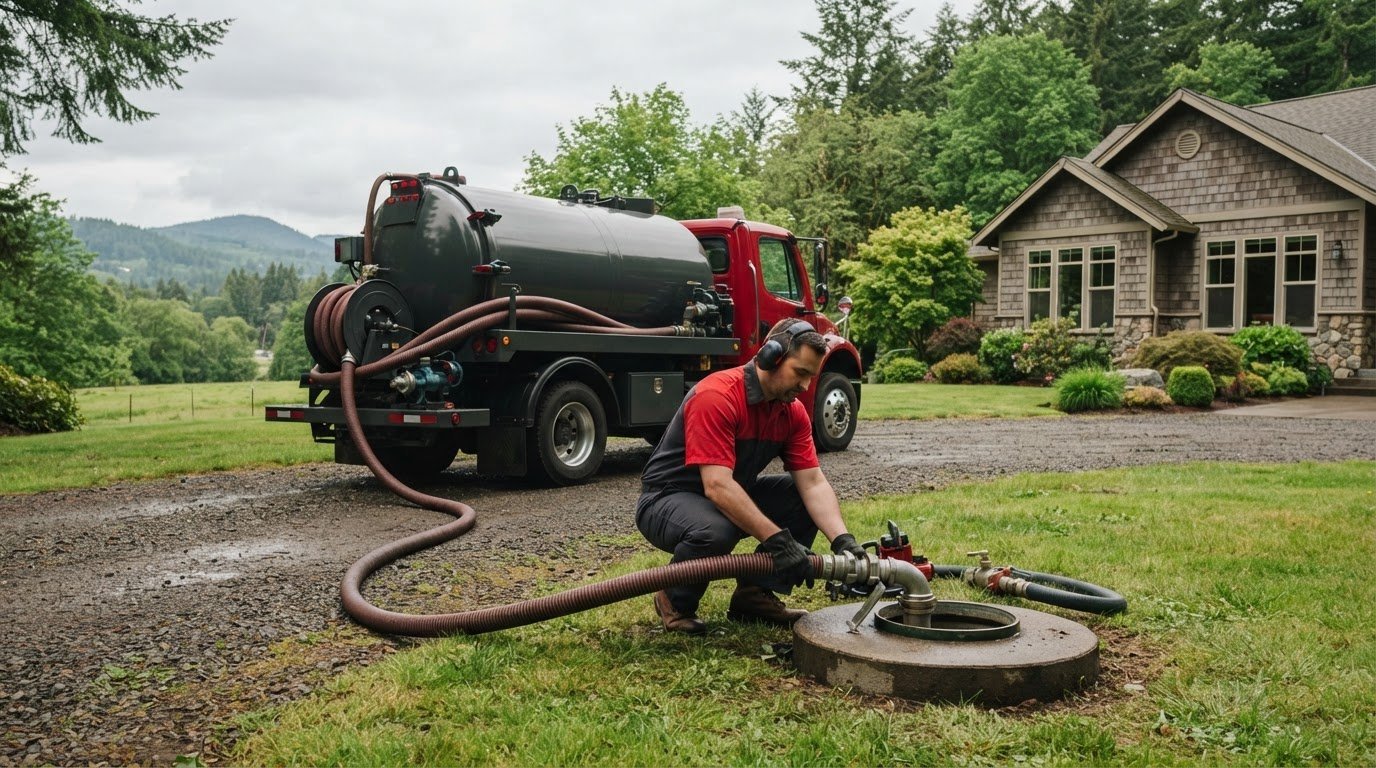
What if that expensive “regulatory hurdle” on your property is actually the only thing making your dream home build possible? For many property owners, discovering you need an ATT septic system Oregon DEQ mandates can feel like a major setback. You’re likely worried about the higher upfront costs and the confusing rules regarding mandatory maintenance contracts. It’s a lot to take in, especially with the significant DEQ rule updates that went into effect on January 1, 2026.
I understand the stress of realizing your land won’t support a standard system. These Alternative Treatment Technologies are essentially mini-treatment plants that protect our local groundwater and allow you to build on lots with poor soil or high water tables. This guide will help you understand exactly how these systems work and why they’re necessary for environmental compliance. You’ll learn about the specific maintenance requirements you must follow to stay legal. We’ll also walk through how to choose a licensed, local installer in the Portland area who can get the job done right the first time.
Key Takeaways
- Understand how Alternative Treatment Technology acts as a high-performance secondary stage to treat wastewater more thoroughly than a standard tank.
- Learn why properties with heavy clay, rocky soil, or high groundwater require an ATT septic system Oregon DEQ rules mandate to protect the environment.
- Navigate the mandatory Operation and Maintenance rules, including the legal requirement for a lifelong contract with a certified provider.
- Discover the mechanical heart of the system where oxygen and media filters transform effluent before it reaches your drainfield.
- Prepare for your installation by understanding the critical roles of site evaluations and professional engineering in the design process.
What is an ATT Septic System? Definition and Oregon Basics
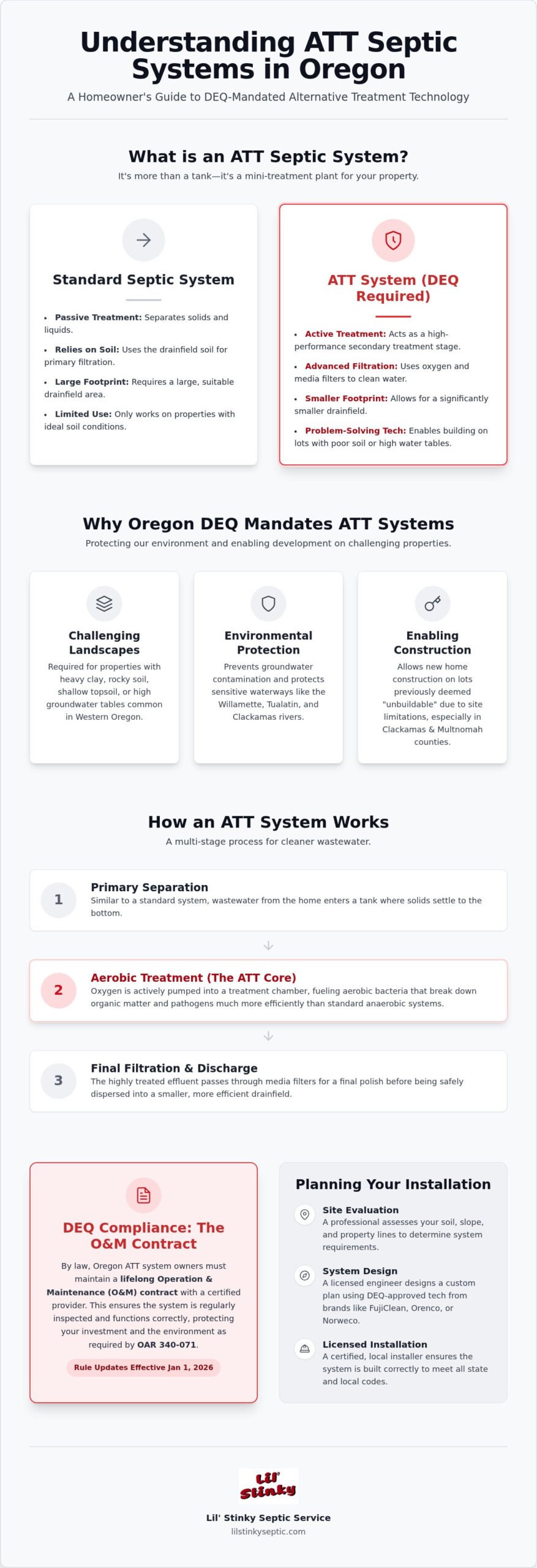
Have you been told your property needs an “Alternative Treatment Technology” system? It sounds complicated, but the concept is straightforward. An ATT septic system Oregon DEQ rules require is essentially a secondary treatment stage for your home’s wastewater. While a standard septic tank mostly separates solids and liquids, an ATT goes several steps further. It treats effluent to a significantly higher standard before it ever reaches your drainfield. Think of it as having a miniature municipal water treatment facility buried in your yard.
Standard Septic vs. ATT: The Main Differences
Traditional septic systems are passive. They rely on the soil in your drainfield to do the heavy lifting of filtering out contaminants. This works for some properties, but it fails when soil is too thin, too rocky, or saturated with water. ATTs don’t wait for the soil to act. They use active mechanical processes or specialized media filters to scrub the water first. Many of these units function as an aerobic treatment system. By introducing oxygen into the tank, they support oxygen-loving bacteria that break down organic matter much more efficiently than the bacteria found in standard tanks. Because the water leaving an ATT is already cleaner, these systems often allow for a smaller drainfield footprint on your property.
The Role of the Oregon DEQ
The Oregon Department of Environmental Quality (DEQ) oversees these systems under Oregon Administrative Rule (OAR) 340-071. Since the major rule update on January 1, 2026, the state has tightened its grip on how these systems are designed and maintained. The DEQ maintains a strict list of approved products from manufacturers like FujiClean, Orenco, and Norweco. You can’t just pick any tank; it must be a certified technology that has proven it can protect our local groundwater. This oversight ensures that even on difficult lots, your wastewater won’t compromise the safety of the water table or your neighbors’ wells. Staying compliant isn’t just about following the law. It’s about ensuring your system remains a reliable, long-term asset for your home.
Why Oregon Homeowners Need ATT Systems
Most homeowners don’t go looking for an ATT septic system Oregon DEQ rules mandate just for fun. Usually, you’re told you need one after a site evaluation reveals your land isn’t “standard.” In Western Oregon, our heavy clay soils and high water tables create a perfect storm for septic failure. Standard systems rely on the ground to filter out pathogens. When the soil is saturated or too dense, that filtration stops. This leads to surface ponding or, worse, contaminated groundwater that can affect your well and your neighbors’ property.
The rules are even tighter if your property sits near major local waterways. The DEQ prioritizes protection for several key areas:
- The Willamette River corridor
- The Tualatin River basin
- The Clackamas River watershed
An ATT system solves these environmental challenges by doing the heavy cleaning inside the tank, which protects the ecosystem even on sensitive riverfront lots.
Challenging Landscapes in Clackamas and Multnomah Counties
In the hills of Clackamas County or the tighter parcels in Multnomah County, soil depth is often a dealbreaker. You might have only two feet of usable soil before hitting bedrock or a “fragipan” layer that blocks water flow. An ATT system acts as a vital workaround. By treating the wastewater to a high level before it reaches the discharge point, you can often utilize a much smaller drainfield footprint. This technology has successfully unlocked thousands of “unbuildable” lots across the Portland metro area, allowing for new home construction where standard systems were once impossible. Homeowners planning a new build in the area should review the complete process for septic installation in Canby Oregon, including how Clackamas County permits and soil evaluations shape your system options.
Environmental Protection and Nitrogen Reduction
Nitrogen is a major concern for Oregon’s water quality. High levels of nitrogen in effluent can lead to algae blooms and degraded drinking water. While standard systems do little to remove nitrogen, many ATTs are specifically engineered for this task. For example, looking at the Deschutes County ATT requirements highlights how critical these systems are for protecting sensitive aquifers. While that focus started in Central Oregon, it’s now a primary driver for system choices statewide. Using cleaner effluent also prevents your drainfield from clogging with “biomat,” which significantly extends the life of your entire investment. If you are dealing with a failing system or planning a new build, it’s smart to consult with a licensed installer to see if an ATT is your best path forward for long-term reliability.
How ATT Systems Work: The Mechanics of Clean Water
Think of your ATT septic system Oregon requires as a high-performance engine for wastewater. While a standard system relies on gravity and time, an ATT uses active technology to speed up the cleaning process. This ensures that the liquid leaving the system is clear and safe for the environment. The process typically happens in three distinct stages that turn raw waste into high-quality effluent.
- Step 1: Primary Treatment. Everything starts in a primary tank, which looks a lot like a standard septic tank. Here, solids settle to the bottom as sludge, while oils and grease float to the top as scum. This prevents heavy debris from entering the sensitive ATT unit.
- Step 2: Secondary Treatment. This is the heart of the system. Whether through air injection or specialized filters, this stage uses “good” bacteria to aggressively eat away at organic matter and pathogens.
- Step 3: Final Disposal. Once the water is scrubbed clean, it’s pumped or gravity-fed to your drainfield. Because the water is already treated, your drainfield doesn’t have to work nearly as hard.
Pumps and control panels act as the brains of this operation. Unlike a passive tank, an ATT often uses a control panel to monitor water levels and air flow. If a pump fails or a filter clogs, an alarm will sound. This gives you a head start on repairs before a backup occurs. This level of precise fluid control is similar to what is required in industrial settings, where specialized providers like Liquimech offer advanced pump and liquid management solutions.
ATUs are a popular choice for Oregon homeowners because they provide consistent, high-level treatment in a small footprint. These units inject oxygen directly into the wastewater. This stimulates aerobic bacteria, which are much faster and more efficient at breaking down waste than the anaerobic bacteria found in traditional tanks. You’ll often see brands like FujiClean, Norweco, or Bio-Microbics on the DEQ-approved list. These systems are mechanical, meaning they rely on a motor or blower to keep the process moving. They’re excellent for lots where space is at a premium but require a steady power source to stay effective.
Media Filters: Sand, Peat, and Synthetic Options
If you’d prefer a system with fewer moving parts, a media filter might be the right fit. Instead of injecting air, these systems trickle wastewater over a bed of specialized material. As the water moves through the media, a thin film of “good” bacteria grows on the surface and cleans the water. Oregon homeowners often choose between several types:
- Sand or Peat: Natural materials that provide excellent filtration but may eventually need replacement or specialized maintenance to prevent clogging.
- Synthetic Media: Systems like the Orenco Advantex use a textile-like material that is incredibly durable and easy to clean during routine service visits.
Media filters are often quieter than ATUs and can handle “shock loads” of water better, making them a great choice for larger families or homes with high water usage.
Maintenance and DEQ Compliance: The O&M Contract
Getting an ATT septic system Oregon requires is only the first step. To keep it legal, you must maintain a valid Operation and Maintenance (O&M) contract for the life of the system. This isn’t just a recommendation from your installer; it’s a non-negotiable state law. Since the major rule updates on January 1, 2026, the DEQ has streamlined reporting, but the core requirement remains: you must hire a DEQ-certified maintenance provider to look after your system. These professionals act as the bridge between your home and the state regulators.
What’s Included in a Maintenance Visit?
A professional technician doesn’t just glance at your tank. They perform a methodical checkup to ensure every mechanical part is humming along. During a typical visit, your provider will perform several critical tasks:
- Test the control panel, alarms, and pump operation to prevent unexpected backups.
- Measure sludge and scum levels in the primary tank to determine if pumping is needed.
- Clean filters and check the aeration system to keep the “good” bacteria healthy.
- Test effluent clarity to ensure the system is meeting DEQ treatment standards.
Your provider then files an annual report with your local county or the DEQ. This report is your official proof of compliance. Without it, you could face administrative hurdles when trying to sell your home or pull building permits for other projects.
The Cost of Compliance vs. The Cost of Failure
I often hear homeowners ask why they have to pay for a contract every year. It’s a fair question. Think of it like a service plan for your car. An ATT is a complex piece of machinery with moving parts. If a small air pump fails and goes unnoticed, the biological treatment stops. Raw or partially treated waste then flows into your drainfield. This causes “biomat” buildup that can ruin a drainfield in months, leading to a replacement bill that often exceeds $20,000.
Letting your contract lapse also carries legal weight. If the DEQ or county finds you are out of compliance, they can issue fines or even declare the property uninhabitable until the system is brought up to code. Regular maintenance is simply the best insurance policy you can buy for your property’s health. If you need a reliable partner to handle your compliance, sign up for a professional maintenance plan today to ensure your system stays in top shape and your property remains in good standing with the state.
Planning Your ATT Installation in the Portland Area
Ready to start your project? The first step for any ATT septic system Oregon property owners need is a formal site evaluation. This is a critical field test where a county official or a licensed specialist examines your soil layers and groundwater levels. In Clackamas, Washington, and Multnomah counties, this evaluation determines exactly what type of system your land can handle. As of January 1, 2026, you must also provide a written statement from your local sewer authority confirming that municipal sewer service is unavailable before your septic permit can be approved.
Once the site evaluation is complete, you’ll need a professional design. Because ATTs are complex mechanical systems, the DEQ requires plans created by a licensed designer or engineer who understands the specific requirements of the approved product list. They will map out the primary tank, the secondary treatment unit, and the drainfield location while ensuring all “setbacks” from property lines and wells are strictly followed. Understanding the full scope of septic system design in Oregon, including soil morphology reports and permit requirements, can help you avoid costly delays at the county office. Navigating the permit process in the Portland metro area can be slow, so having an accurate, professional design from the start prevents costly delays at the county office.
The Lil’ Stinky Approach to ATT Systems
We’ve spent 25 years helping Oregon families solve their wastewater challenges. Our team (CCB #189693) knows the local “red tape” inside and out, especially the updated 2026 DEQ rules. We don’t believe in one-size-fits-all solutions. Instead, we look at your specific lot, your household needs, and your budget to recommend the most reliable ATT technology available. We prioritize “straight talk” because we want you to understand your system’s long-term needs before the first shovel hits the ground. Our goal is to provide a system that protects your property and the environment without unnecessary stress.
Next Steps for Homeowners
If you’re planning a new build or dealing with a failing system that requires an upgrade, don’t wait for a backup to occur. You can start by researching the Septic System Installation Cost in Oregon to help with your project budgeting. For those building in Clackamas County specifically, our detailed walkthrough of septic installation in Canby Oregon covers every permit step and soil requirement you’ll face. When you’re ready for local expertise, Contact Lil’ Stinky Septic today for expert ATT guidance! We can walk you through the site evaluation results, help you select a DEQ-approved system, and handle the entire installation process from start to finish.
Secure Your Property with a Reliable ATT System
Managing an ATT septic system Oregon mandates doesn’t have to be a source of constant anxiety. While the technology is complex and the DEQ rules are strict, these systems provide a vital solution for building on challenging terrain while protecting our local groundwater. Remember that staying compliant with your mandatory Operation and Maintenance contract is the best way to avoid massive repair bills and legal headaches down the road. These “mini-treatment plants” are an investment in your property’s future and the health of our local environment.
Lil’ Stinky Septic Service is here to be your dependable local ally. We bring over 25 years of experience in Portland, Canby, and Clackamas County to every job. As a fully DEQ licensed and certified team (CCB #189693), we handle everything from complex system design to 24/7 emergency response for ATT alarms. We pride ourselves on straight talk and transparent service that gives you peace of mind. Get a Professional ATT System Consultation from Lil’ Stinky today. We’ll help you navigate the requirements with ease so you can focus on enjoying your home.
Frequently Asked Questions
How much more does an ATT system cost than a regular septic system?
Alternative systems are significantly more expensive because they use advanced technology and mechanical parts. While a standard system might cost in the mid-teens for a straightforward install, an ATT septic system Oregon homeowners need can cost $40,000 or more on difficult lots. You’re paying for the specialized tank, the aeration or media filter, and the complex engineering required for DEQ approval. It’s a higher upfront investment, but it’s often the only way to build on certain properties.
Can I perform the maintenance on my own ATT system in Oregon?
No, you cannot perform your own maintenance on these systems. State law requires every homeowner with an ATT to have a valid Operation and Maintenance (O&M) contract with a DEQ-certified provider for the life of the system. These providers must submit annual reports to the county or DEQ to prove the system is functioning correctly. Attempting DIY maintenance could lead to legal penalties, fines, and potential system failure that ruins your drainfield.
What happens if the power goes out? Does my ATT system still work?
Your system has a limited capacity to hold wastewater during an outage, but it won’t be actively treating the water. Most ATTs rely on electric pumps or blowers to function. If the power stays off for more than 24 hours, you must minimize water usage to prevent the tank from overflowing. Once power is restored, the system usually resumes normal operation, though an alarm might sound briefly as the pumps catch up.
How long do ATT septic systems typically last?
With proper maintenance, an ATT system can last 20 to 30 years or more. The concrete or plastic tanks are very durable, but mechanical components like pumps and blowers may need replacement every 5 to 10 years. Because these systems treat water to a higher standard, they actually protect your drainfield from clogging with biomat. This can extend the life of your entire property’s wastewater infrastructure significantly compared to a standard system.
Do ATT systems smell worse than standard septic tanks?
Actually, a well-maintained ATT system often has less odor than a standard system. Because ATTs use aerobic bacteria and oxygen to break down waste more thoroughly, the effluent is much cleaner and less “swampy” than what you’d find in a traditional anaerobic tank. If you notice a strong sewage smell, it’s usually a sign that the aeration system has failed or a filter is clogged. A quick service call usually fixes the issue.
Is a sand filter the same thing as an ATT septic system Oregon requires?
Not exactly, though they are related. A sand filter is a type of alternative system, but “ATT” refers to specific proprietary technologies like FujiClean or Advantex. While both provide a higher level of treatment than a standard tank, ATTs are often more compact and use mechanical aeration or specialized media rather than a large bed of sand. Your site evaluation will determine which specific technology is required for your property’s soil conditions.
What are the most common reasons an ATT system alarm goes off?
High water levels and blower failures are the top reasons for an alarm. If you use too much water in a short period, or if a pump stops working, the high-water float will trigger the buzzer. A blower failure means the “good” bacteria aren’t getting the oxygen they need to treat the waste. If your alarm sounds, check your control panel and call your maintenance provider immediately to prevent a backup into your home.
Are there any grants or financial aid for ATT installation in Oregon?
Financial aid is limited, but some options exist for homeowners. The Oregon DEQ occasionally offers low-interest loans through the Clean Water State Revolving Fund for repairing failing systems. Some counties also have specific programs for protecting sensitive watersheds or riverfront areas. It’s best to check with your local county health department or a licensed installer to see if any current state-funded assistance programs apply to your specific situation and location.