Did you know that Oregon DEQ permit fees are scheduled to jump by 33% on July 1, 2026? If you’re planning a new build or a major system replacement, that single regulatory shift could catch you off guard. It’s frustrating to hit these hurdles when you’re just trying to get a straight answer on the septic system installation cost Oregon homeowners are facing this year. You deserve a reliable system that protects your property and your wallet without hidden fees or surprises during the permitting process.
We’ve put this guide together to give you the professional reliability and local insight you need. You’ll discover the actual factors driving your budget, including the 2026 ban on steel tanks and the new requirements for properties near municipal sewer lines. We’ll also explain the difference between standard setups and Advanced Treatment Technology (ATT) systems. This article provides a clear framework for your budget, a realistic timeline for DEQ approval, and the steps to find a licensed expert who understands our local soil conditions and regulations. Let’s look at what it takes to get your project done right the first time.
Key Takeaways
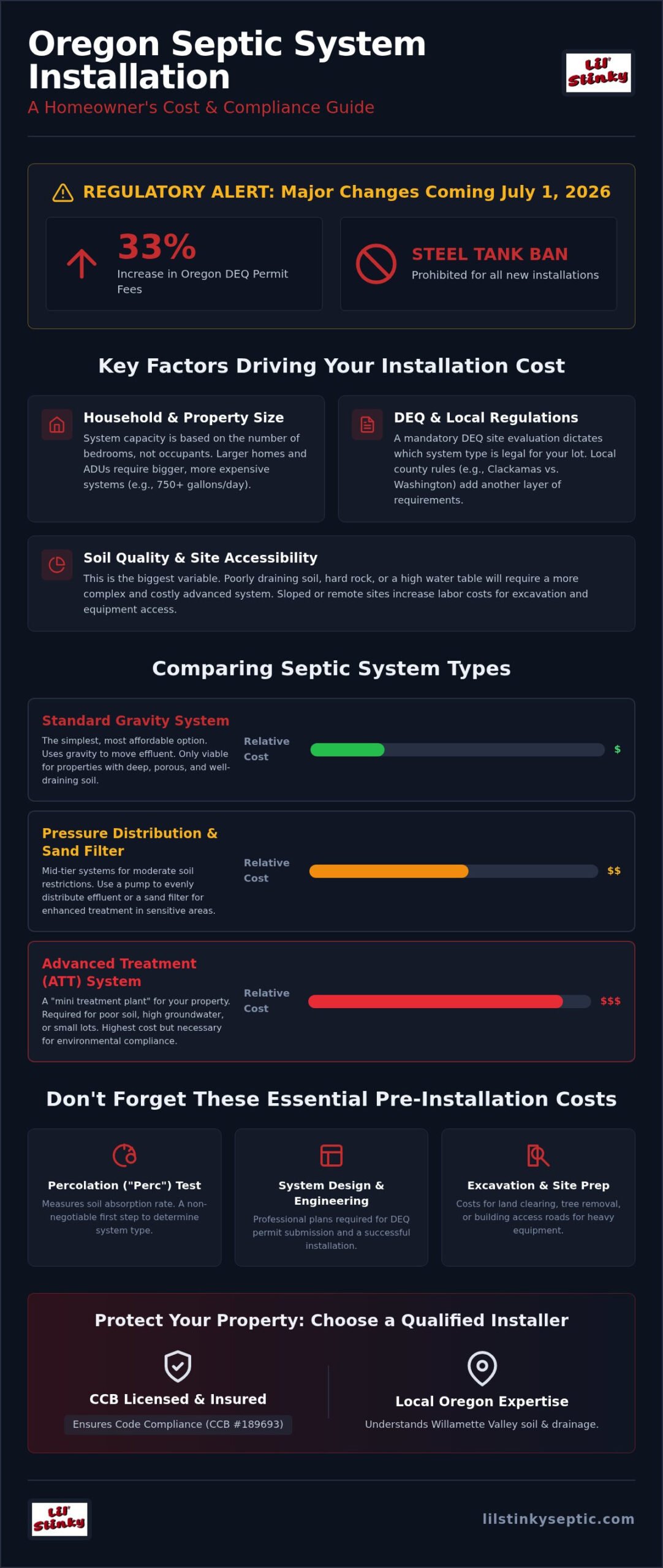
- Prepare for significant regulatory shifts in 2026, including a 33% increase in DEQ fees and the official ban on steel septic tanks for new projects.
- Understand how your property’s specific soil profile and slope directly dictate the total septic system installation cost Oregon homeowners can expect to pay.
- Learn the critical differences between standard gravity systems and advanced treatment technology (ATT) to determine which is required for your lot’s environmental needs.
- Identify essential “hidden” expenses like percolation tests and professional engineering fees that are non-negotiable for a successful, permitted installation.
- Protect your property value by ensuring your installer is CCB-licensed and possesses the local expertise to navigate Portland and Willamette Valley drainage requirements.
Factors Influencing Septic System Installation Cost in Oregon
Planning for a new system requires looking beyond the price of the tank itself. In the Willamette Valley, homeowners often find that the septic system installation cost Oregon regulations demand is shaped by the ground beneath their feet. While national averages exist, our local landscape presents unique challenges. Lil’ Stinky Septic Service has spent 25+ years navigating these specific conditions. To understand the full scope of your project, you first need to understand what a septic system is and how it interacts with Oregon’s diverse environment.
Your household size is a major starting point for any budget. Oregon DEQ rules base system capacity on the number of bedrooms rather than just current residents. For instance, 2026 standards require systems serving a house with an ADU to handle at least 750 gallons per day. More bedrooms mean a larger tank and a more extensive drainfield. This naturally increases both material and labor requirements. It’s a direct relationship: more capacity equals more infrastructure.
The Role of Oregon DEQ and Local Regulations
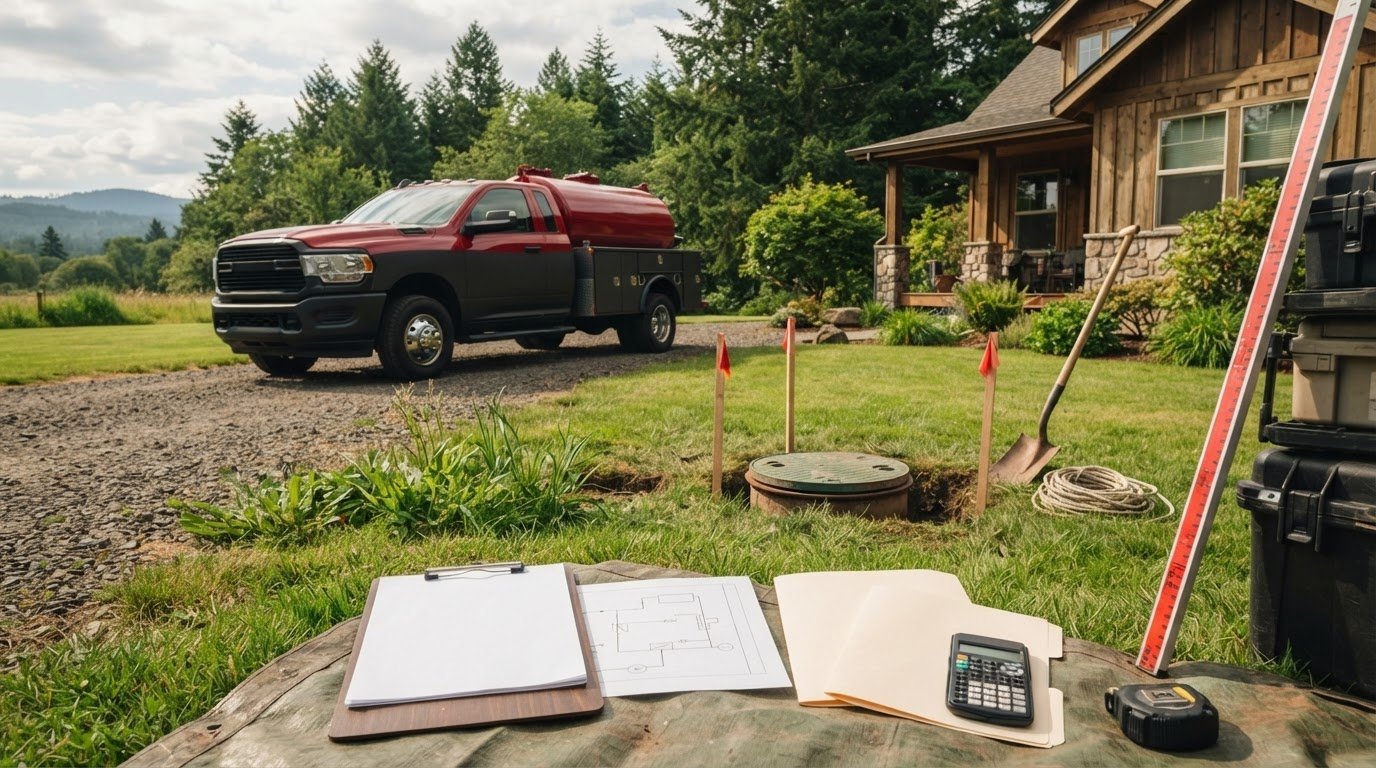
The Oregon Department of Environmental Quality (DEQ) essentially sets your project’s budget through its mandatory site evaluation process. You can’t just pick a spot and start digging. A DEQ-certified professional must first analyze your soil to determine which system type is legal for your lot. While state standards apply everywhere, local nuances matter. Clackamas County might have different setback requirements or permit processing times than Washington County. These local variations can impact your timeline and overall investment. Getting this right the first time prevents expensive compliance failures down the road.
Site Accessibility and Soil Quality
Before the excavation begins, you may also need to address any landscaping hurdles. For homeowners who need to clear space or manage hazardous trees, True Tree Service offers professional, eco-friendly tree care to ensure your site is ready for the new system.
Your property’s physical layout is the next big factor. If your site has “hard rock” or a high-water table, you won’t be able to use a standard gravity system. These conditions often require advanced technology or specialized excavation. Getting heavy machinery into rural or sloped areas also adds to the bill. If we have to clear land or build temporary access roads for the backhoe, those labor hours add up. Even the distance from your home to the drainfield matters; longer piping runs mean more digging and more materials. Always ensure your installer holds a valid CCB license, like our CCB #189693, to ensure these complex site factors are handled according to code. It’s about property safety and long-term reliability. To better plan for these associated site costs, you can explore Commercial and Residential Landscaping and Construction Service Fees to see how professional site preparation and finishing are typically priced. Additionally, once the installation is complete, you can explore Lawn Restoration and Maintenance Services to discover how specialized techniques like aeration and overseeding help your yard recover from the construction process.
To manage the waste and debris generated during site clearing or excavation, you can visit Book Your Dumpster USA to find the right roll-off container for your project.
Choosing the right hardware is the next step after your site evaluation. The septic system installation cost Oregon residents pay depends heavily on which technology the soil allows. You can’t just pick the cheapest option; the DEQ permit specifies the system type based on your land’s ability to process wastewater. If your soil doesn’t drain well, you’ll need a more advanced system to protect your property and the local environment. Understanding how septic systems work in different configurations helps you plan for these requirements.
Standard Gravity Systems: Simple and Reliable
This is the most straightforward setup available. It uses the natural pull of gravity to move effluent from the tank to the drainfield. To qualify for this, your soil must be deep and porous enough to filter water effectively. We typically install concrete or plastic tanks for these projects. Concrete is incredibly durable and heavy, which prevents the tank from “floating” in wet soil. Plastic tanks are lighter and easier to transport to remote rural sites with difficult access. Both materials are approved for use in the Oregon climate, but your specific site conditions will usually dictate which one we recommend.
If your drainfield is located uphill from the tank, or if you have limited space, a Pressure Distribution system is often the next step. These systems use a pump to spread effluent evenly across the field. In environmentally sensitive areas near water sources, Sand Filter systems provide high-performance filtration. While these middle-tier options are more complex than gravity systems, they’re often necessary for properties with moderate soil restrictions. For those requiring specialized hardware for demanding water management tasks, Water Services, Inc. provides the robust pumping solutions used in various industrial and utility applications.
Many modern Oregon home builds require ATT systems because of poor soil quality or high groundwater levels. These systems act like a miniature municipal treatment plant right on your property. They pre-clean the effluent to a very high standard before it ever reaches the soil. While the initial investment is higher than a standard setup, the trade-off is a significantly smaller drainfield footprint. This technology is a lifesaver for smaller lots or properties with strict environmental setbacks. We specialize in ATT systems because they offer a reliable path forward for sites that would otherwise be unbuildable. Just remember that these advanced systems require an annual maintenance contract to stay in compliance with state regulations. It’s a small price to pay for the ability to build on your preferred piece of Oregon land. For a comprehensive look at how these systems work and what DEQ compliance requires, our Oregon ATT septic system homeowner’s guide walks you through everything from maintenance contracts to the 2026 rule updates.
The “Hidden” Costs: Permits, Design, and Engineering
Most homeowners focus on the visible equipment like tanks and pipes. However, the septic system installation cost Oregon residents face starts long before a backhoe ever touches the dirt. Administrative and technical fees often represent a significant portion of your total project budget. These are the non-negotiable costs required to ensure your system is legal, safe, and environmentally compliant. Skipping these steps isn’t an option; doing so leads to red tags from the DEQ and potential property value loss.
Soil Evaluation and Perc Tests
Your first major expense is the site evaluation, often called a percolation or “perc” test. A certified professional must perform a soil morphology test to see how quickly your ground absorbs water. This is where your budget is truly decided. If the soil fails to meet standard drainage requirements, you’ll be forced into a more expensive system type. You should also prepare for shifting regulatory costs. Starting July 1, 2026, Oregon DEQ Onsite Program fees will increase by 33%. Additionally, the DEQ surcharge is scheduled to rise to $159 on that same date. In Multnomah County, a new site evaluation report will cost $1,210 starting July 10, 2026. These fees are paid directly to the regulatory agencies, but they are essential for moving your project forward.
Engineering and System Design Fees
If your site evaluation requires an ATT or a complex pressure distribution system, you must hire a licensed designer. Professional engineering is non-negotiable for these setups. A detailed plan prevents installation delays and ensures that your system integrates perfectly with your overall home site plan. These designs must be submitted to the county for approval before construction begins. For example, Multnomah County permit fees for new residential construction with a standard tank and drainfield will reach $2,612 on July 10, 2026. Investing in a meticulous design up front protects you from the nightmare of a system failure or a DEQ compliance rejection later on. If your property requires an ATT septic system in Oregon, understanding the specific design and maintenance requirements before you hire a designer can save you significant time and money during the approval process. For a complete overview of how to navigate the planning and permitting process from the very beginning, our guide on septic system design Oregon homeowners need to understand covers everything from soil morphology reports to DEQ submission requirements.
Don’t forget the costs associated with decommissioning an old system if you’re replacing a failed one. Oregon law requires specific procedures for pumping, crushing, or filling old tanks to prevent future sinkholes or environmental hazards. We always emphasize the importance of professional design because it provides a clear roadmap for the entire installation process. It’s the “straight talk” approach we’ve used for 25+ years; knowing these numbers now prevents sticker shock when the final bill arrives. Always verify that your installer, like Lil’ Stinky Septic Service (CCB #189693), is fully licensed and bonded to handle both the technical and administrative sides of your project.
Total Cost of Ownership: Installation to Maintenance
Thinking about the septic system installation cost Oregon regulations require is only the first step. You also need to consider the long-term financial health of your property. A septic system isn’t a “set it and forget it” appliance; it’s a critical piece of infrastructure that requires ongoing attention to remain an asset. Cutting corners during the initial build usually results in a system that fails prematurely, costing you far more in emergency repairs than you saved on the front end. We always tell our neighbors that a quality installation from a licensed specialist (CCB #189693) is the best insurance policy for your home’s value. If a system failure leads to water or environmental damage, you can learn more about Coastline Environmental Solutions, Inc. to find professional restoration support.
Lenders and buyers in the Portland metro area are increasingly cautious about onsite sewage systems. Most traditional mortgages now require a Certified Septic Inspection in Oregon before a sale can close. If your system is poorly documented or shows signs of neglect, it can stall or even kill a real estate transaction. A well-maintained, professionally installed system speeds up the closing process because it provides proof of property safety. Conversely, discovering a system failure during a home inspection can force a price reduction or a mandatory replacement at the seller’s expense, often under tight deadlines and high stress.
Protecting Your Investment with Maintenance
While these regulations are specific to the Pacific Northwest, the importance of professional infrastructure assessments is universal; for instance, you can discover Simple Plumbing Inc to learn how expert sewer line inspections help homeowners in Southern California protect their property investments during a sale.
The reliance on specialized technical expertise is a common thread across all critical infrastructure; for example, panamashipservice.com provides the operational and technical services necessary for the shipping industry to navigate the complex requirements of the Panama Canal.
Ongoing costs vary depending on the type of system you own. Standard gravity systems are the most affordable to maintain, generally requiring a pump-out every three to five years. If you have an ATT system, you’ll need to account for a small amount of electricity for the aerator and an annual maintenance contract, which is a state requirement. For a deeper look at these recurring tasks, check out our guide on Septic Tank Pumping in Portland OR: The Ultimate Maintenance & Buying Guide. This proactive approach prevents solids from entering your drainfield, which is the most common cause of total system failure. Homeowners in the area should also be aware that slow drains and gurgling pipes are early warning signs that shouldn’t be ignored; learning about septic drain cleaning Clackamas County professionals recommend can help you catch blockages before they escalate into a full system failure.
Oregon has strict reporting rules for certain system types, especially those near sensitive watersheds. Staying on top of these inspections isn’t just about compliance; it’s about avoiding the massive expense of a full replacement. Enrolling in a septic maintenance plan Portland OR homeowners can rely on is consistently cheaper than dealing with a backed-up drain line or a saturated leach field. We’ve seen hundreds of systems over the last 25 years, and the ones that last the longest always have a clear history of professional care. If you want to keep your system running smoothly for decades, sign up for a protection plan today to ensure you never miss a critical inspection date.
Choosing the Right Oregon Septic Installer
Picking the wrong contractor can turn your investment into a nightmare of drainage failures and legal headaches. While the septic system installation cost Oregon homeowners face is a major concern, the cheapest quote often comes from someone who lacks the proper licensing or local knowledge. You need a partner who understands the specific environmental demands of the Pacific Northwest and the strict compliance standards of the DEQ. Lil’ Stinky Septic Service has spent over 25 years building a reputation as a trusted local specialist who gets the job done right.
Verifying Credentials and Local Expertise
Your first step should always be a quick visit to the Oregon Construction Contractors Board (CCB) website. Every legitimate installer must be licensed, bonded, and insured. For example, our CCB license is #189693. This certification protects your property if something goes wrong during the excavation or installation process. Don’t be afraid to ask direct questions about their experience with Alternative Treatment Technology (ATT). Since these systems are more complex, you want a technician who has undergone specific training and certification for the hardware they’re putting in the ground.
Local experience matters because it leads to smoother inspections. A seasoned professional knows exactly what local DEQ officers are looking for during a site visit. They understand the paperwork requirements and can help you navigate the 2026 fee increases and regulatory changes we’ve discussed. This “straight talk” approach prevents delays that could otherwise stall your entire home construction project. It’s about having a neighborly guide who knows the system inside and out. Before your first meeting with a contractor, reviewing the full planning and permitting process outlined in our Oregon septic system design guide for homeowners will help you ask the right questions and evaluate their expertise with confidence.
Why Local Experience in Canby and Portland Matters
The Willamette Valley is famous for its “clay-heavy” soils. These can be incredibly stubborn when it comes to drainage. An installer from another region might not realize how quickly these soils saturate during a typical Oregon winter. We have deep roots in Canby and the Portland metro area, meaning we’ve seen every soil type this region has to offer. We know which systems will actually work in your specific dirt, whether you’re building on a flat lot or a steep hillside.
Beyond technical skill, look for an installer who offers a solid warranty and post-installation support. A septic system is a long-term commitment. You need to know that if a pump alarm goes off at 2:00 AM, your installer offers 24/7 emergency response to protect your home from backups. For properties in Clackamas County specifically, understanding the risks of drain blockages and how to address them is equally important; our detailed resource on septic drain cleaning in Clackamas County to prevent backups and system failure explains the warning signs and professional solutions every local homeowner should know. We stand behind our craftsmanship and provide the ongoing maintenance needed to keep your system in compliance with state law. If you’re ready to start your project with a team that values your peace of mind, Schedule a Consultation with Lil Stinky Septic Today and let’s get your installation done right the first time.
Secure Your Property’s Future with Professional Planning
Navigating the septic system installation cost Oregon residents face in 2026 requires a proactive approach. You now understand that soil quality and the upcoming DEQ fee increases are the real budget drivers; not just the size of your tank. By prioritizing professional design and understanding the specific requirements for standard versus ATT systems, you protect your land and your investment from future compliance failures. A well-planned system ensures your property remains safe and valuable for decades to come.
Lil’ Stinky Septic Service is here to be your straight-talking guide. We bring over 25 years of local Oregon experience to every project. Our team includes DEQ certified inspectors who are fully licensed and insured (CCB #189693). We don’t just install hardware; we build reliable systems that stand the test of time and meet every local regulation. Get a Professional Quote for Your Oregon Septic Installation and let us handle the technical details while you focus on your new home. We’re ready to help you get this project done right the first time.
Frequently Asked Questions
How much does a typical septic permit cost in Oregon?
Permit costs vary by county and system type. In Multnomah County, a permit for a new standard system will cost $2,612 starting July 10, 2026. You also need to budget for the DEQ surcharge, which increases to $159 on July 1, 2026. These administrative fees are a significant part of the total septic system installation cost Oregon residents must plan for. Always check your specific county’s current fee schedule before starting.
Can I install my own septic system in Oregon to save money?
While Oregon law allows property owners to install their own systems on their primary residence, it’s rarely recommended. You still must obtain all DEQ permits and pass rigorous inspections. Most homeowners find that the specialized machinery and technical knowledge required make professional installation safer. Mistakes can lead to system failure or environmental contamination. Hiring a licensed contractor with a CCB number ensures the job meets state standards and protects your property value.
What is the difference between a standard system and an ATT system?
A standard gravity system uses a simple tank and soil for filtration, while an Alternative Treatment Technology (ATT) system pre-treats effluent before it reaches the ground. ATT systems act like mini-treatment plants and are often required for lots with poor soil or high groundwater. They allow for a smaller drainfield footprint, which is ideal for restricted sites. However, they require annual maintenance contracts and a small amount of electricity to operate the aerator.
How long does the installation process take from permit to completion?
The timeline generally takes between eight to twelve weeks from the initial soil evaluation to final inspection. The permitting phase is the most time-consuming part, especially if you need a sewer availability letter from local authorities. Once permits are issued, the actual physical installation usually takes three to five days. Weather conditions and inspector availability can also shift these dates. Plan ahead to avoid delays during your home construction process.
Does Oregon require a soil test before every installation?
Yes, Oregon requires a professional site evaluation for every new installation or major repair. A certified specialist must analyze the soil morphology to determine how well the ground can process wastewater. This test dictates whether you can use a standard system or if an ATT system is mandatory. In Multnomah County, this evaluation report will cost $1,210 starting July 10, 2026. You can’t skip this step when applying for a DEQ permit.
How often will I need to pump my new septic system?
Most residential systems should be pumped every three to five years to prevent solids from clogging the drainfield. Your specific household size and water usage habits will determine the exact frequency. If you have an ATT system, you’ll also need an annual inspection to ensure the mechanical components are functioning correctly. Regular pumping is the most cost-effective way to extend the life of your system and avoid the massive expense of a full replacement.
What happens if my soil fails a percolation test?
If your soil fails a standard percolation test, it doesn’t mean you can’t build; it just means you need a different system. You’ll likely be required to install an Alternative Treatment Technology (ATT) system or a sand filter. These systems use advanced filtration to clean effluent before it enters the soil. While these options increase the initial septic system installation cost Oregon regulations require, they make building possible on lots with high groundwater or heavy clay.
Are there financing options or grants for septic repair in Oregon?
Oregon offers some assistance programs for low-to-moderate income homeowners through the Clean Water State Revolving Fund. Some counties also provide localized grants or low-interest loans specifically for repairing or replacing failing septic systems that threaten water quality. Contact your local DEQ office or county environmental health department to see which programs are currently active in your area. These options help manage the financial burden of unexpected system failures. For Portland-area homeowners looking to stay ahead of these costs, reviewing what a structured septic maintenance plan in Portland OR covers can help you budget predictably and avoid the financial shock of emergency repairs.