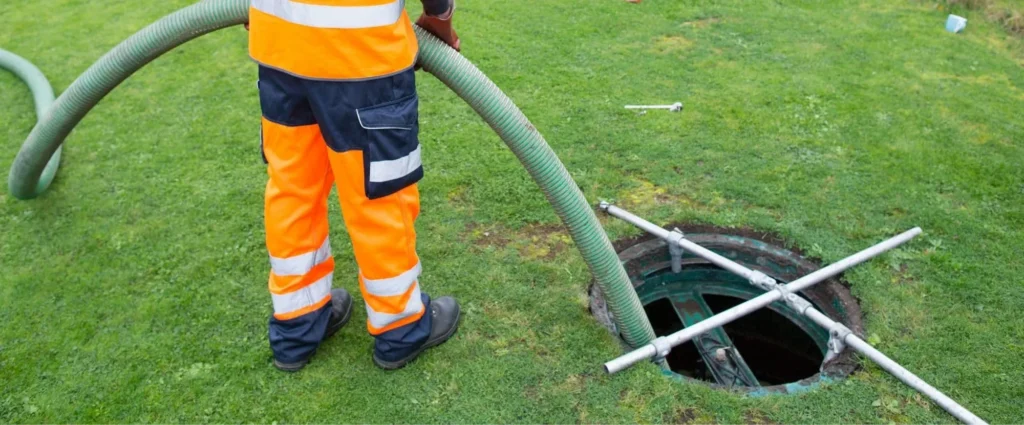
What Causes Emergency Septic Pumping?
Septic emergencies often result from neglect, clogs, heavy water use, or rain. Regular maintenance helps prevent backups, damage, and costly repairs.
What Causes Emergency Septic Pumping? Read More »

Septic emergencies often result from neglect, clogs, heavy water use, or rain. Regular maintenance helps prevent backups, damage, and costly repairs.
What Causes Emergency Septic Pumping? Read More »
Septic system care in Oregon requires proper permits, regular maintenance, and expert installation to ensure compliance and prevent costly failures.
Septic Tanks in Oregon Read More »
Emergency septic pumping prevents backups, odors, and damage. Fast local service helps restore your system and avoid serious health risks.
The Importance of Emergency Septic Pumping Near Me Read More »
Septic systems treat wastewater through tanks, filters, and drain fields. Understanding types and maintenance helps prevent failures and extend system life.
Types of Septic Systems Explained Read More »
Upgrading sand filters to ATT systems improves efficiency, reduces environmental impact, and enhances wastewater treatment for long-term performance.
Replacing Sand Filters with ATT Read More »
Septic and sewer systems manage wastewater differently, but both require regular maintenance to prevent costly issues and ensure reliable home drainage.
Septic Tank Maintenance Tips Read More »
Septic systems separate solids and filter wastewater through soil. Understanding how they work helps extend lifespan and prevent costly issues.
Do You Know How Your Septic Tank Functions? Read More »
Before buying a home with a septic system, get a professional inspection to identify issues, ensure compliance, and avoid costly repairs.
Owning a Septic Tank: Part 2 Read More »
New septic owners should pump every 3–5 years and avoid harsh chemicals. Proper care prevents backups, protects bacteria, and extends system life.
Owning a Septic Tank: Part 1 Read More »